DbcultAccessing Vault...
Cult Review
Senior Film Conservator
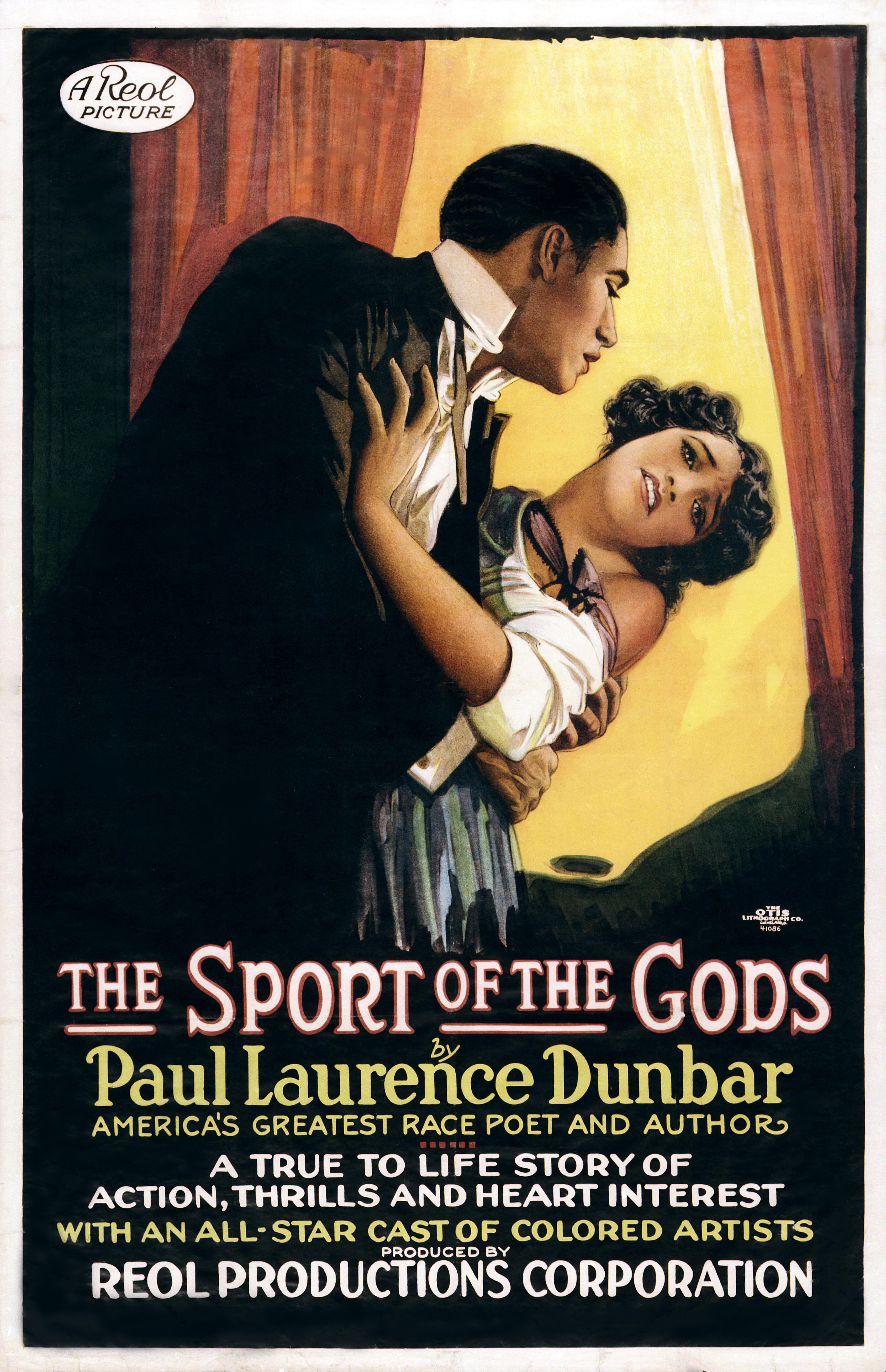
In an era where cinema often prioritized spectacle over substance, The Sport of the Gods emerges as a quiet triumph of narrative depth. Directed with a literary sensibility by its namesake writer, Paul Laurence Dunbar, the film’s 1916 release placed it in a cultural milieu where racial and class tensions simmered beneath the surface of American society. The boxing match that anchors the plot is not merely a contest of strength but a crucible for the protagonists’ inner conflicts. Elizabeth Boyer, as the disillusioned housewife Hester, and Lawrence Chenault, as the tormented boxer Frank, navigate a world where their aspirations are shackled by societal norms. Their performances, though constrained by the era’s cinematic limitations, pulse with a raw authenticity that elevates the material.
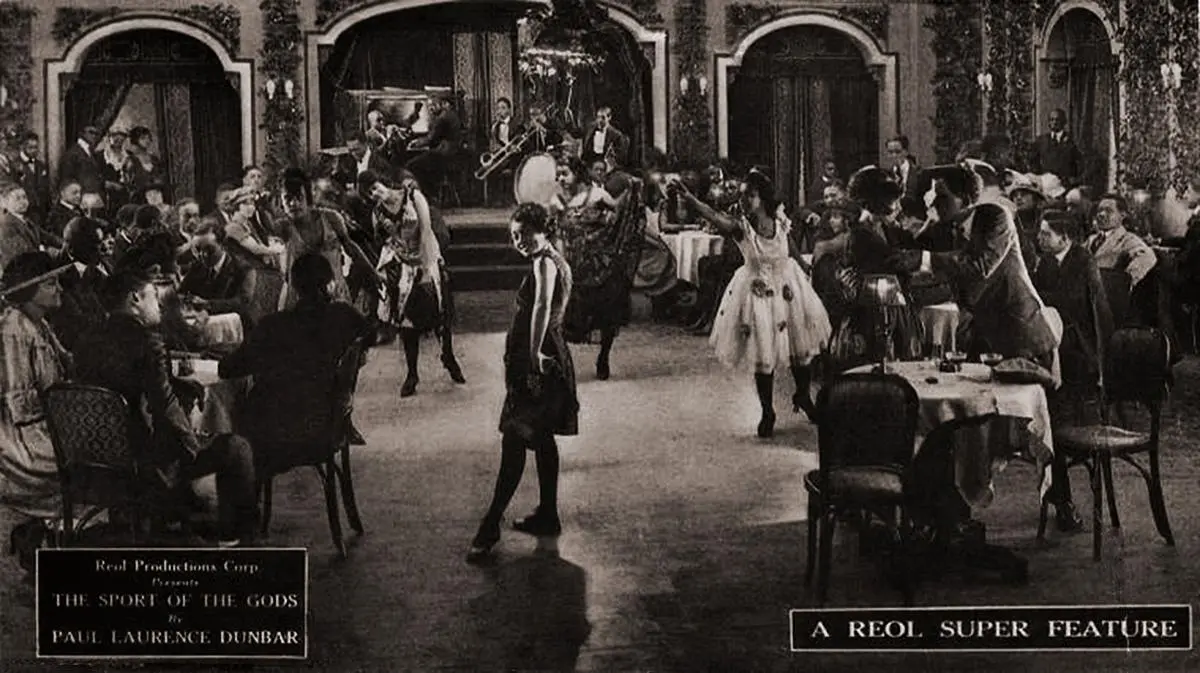
Dunbar’s script, adapted from his own novel, draws a parallel between the boxing ring and the societal battleground. The film’s visual language—achieved through stark contrasts of light and shadow—reflects the duality of freedom and entrapment that defines its characters. Hester’s transition from passive observer to active participant in her own destiny mirrors the broader themes of agency and self-determination. This evolution is mirrored in Frank’s struggle, where the physical toll of the sport mirrors the psychological burden of his identity as a Black man in a segregated society. The film’s pacing, deliberate yet urgent, allows for moments of introspection that feel integral to its message.
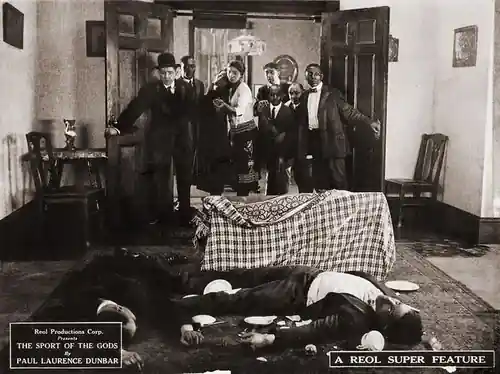
The cinematography, though rudimentary by modern standards, is masterfully employed to underscore the film’s themes. Wide shots of the empty town square emphasize the isolation of its characters, while close-ups capture the micro-expressions that convey their internal turmoil. The boxing match itself is staged with a kinetic energy rare for its time, using dynamic angles to mirror the chaos of the protagonists’ lives. Dunbar’s use of symbolic elements—such as the recurring motif of a broken clock—serves as a reminder of time’s relentless march and the characters’ fleeting opportunities for change. The soundtrack, sparse yet evocative, enhances the tension without overwhelming the narrative.
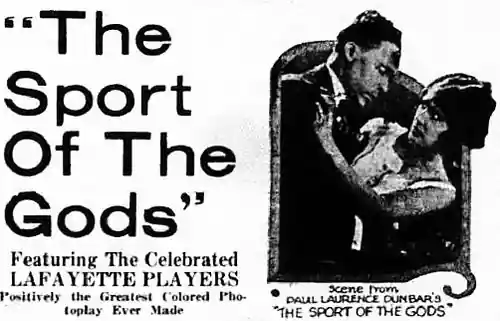
While The Sport of the Gods shares thematic ground with later works like The Cost and The Dawn of Freedom, it distinguishes itself through its focus on personal rather than political struggle. Dunbar’s work avoids the overt didacticism of some contemporary films, instead allowing the audience to infer the societal critiques embedded in the characters’ choices. The film’s exploration of racial identity resonates with the later works of The Yellow Ticket, though its approach is more introspective than confrontational. This nuanced treatment of race and class positions The Sport of the Gods as a precursor to the socially conscious dramas of the 1930s and 1940s.
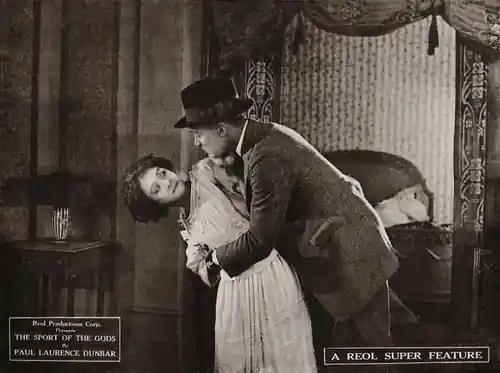
The cast, though limited by the constraints of early cinema, delivers performances that are both restrained and emotionally resonant. Elizabeth Boyer’s portrayal of Hester is a masterclass in subtle expression, her eyes conveying a lifetime of suppressed ambition. Lawrence Chenault, in his role as Frank, balances vulnerability with a simmering intensity that makes his character’s arc both believable and tragic. The supporting cast, including Leon Williams and Jean Armour, adds layers of authenticity to the film’s depiction of a community bound by shared struggles. Despite the lack of modern editing techniques, the ensemble’s chemistry ensures the story remains compelling.
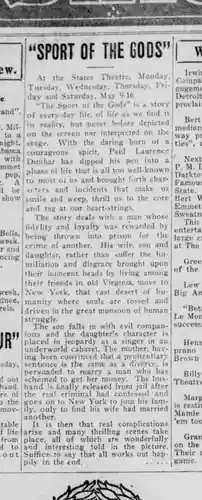
A century after its release, The Sport of the Gods remains a poignant exploration of identity, ambition, and the human capacity for transformation. Its narrative complexity and visual storytelling place it among the pioneering works of early American cinema. While it may not boast the technical sophistication of later films, its emotional depth and thematic richness continue to resonate. For modern audiences, the film serves as both a historical artifact and a timeless meditation on the forces that shape individual lives. Dunbar’s legacy endures not only in his literary contributions but in the cinematic vision that The Sport of the Gods so faithfully realizes.

IMDb —
1920
Community
Log in to comment.