DbcultAccessing Vault...
Cult Review
Senior Film Conservator
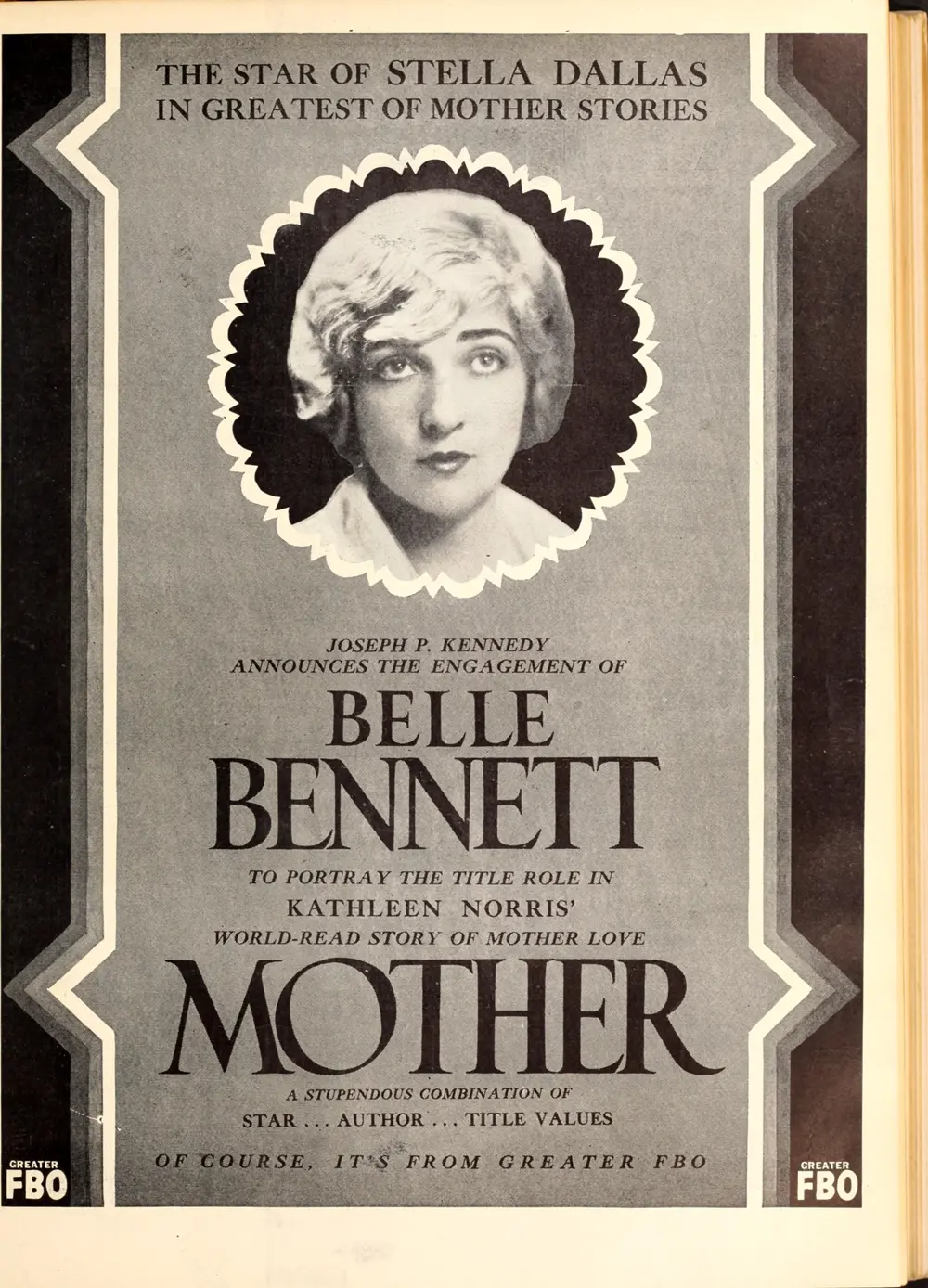
Is Mother (1927) a forgotten masterpiece worth your modern attention? Short answer: Yes, but only if you have the stomach for a relentless, unvarnished look at the domestic martyr archetype that lacks the sugary sentimentality of its contemporaries.
This film is specifically for historians of the silent era and fans of 'weepy' melodramas who appreciate a dark edge; it is definitively not for those who find the 'suffering mother' trope outdated or frustratingly passive.
This film works because it refuses to sugarcoat the selfishness of the nuclear family, making the stakes feel painfully personal even a century later.
This film fails because the pacing in the second act crawls, bogged down by an architectural firm subplot that feels more like a plot device than a lived-in setting.
You should watch it if you want to see Belle Bennett at the height of her powers, delivering a performance that predates the nuanced method acting of later decades.
The 1920s were rife with films celebrating the maternal instinct, but 'Mother' (1927) feels different. It lacks the whimsical optimism found in The Dawn of a Tomorrow. Instead, it leans into a gritty realism that borders on the cynical. Mrs. Ellis is not a saint because she wants to be; she is a saint because the people around her are too weak to be anything else.
Take the scene where she sells her personal belongings. There is no swelling orchestral triumph. The camera lingers on her hands as she touches her jewelry one last time—a silent acknowledgement that her identity is being sold piece by piece to fund her children’s whims. It’s a moment of quiet devastation that makes the later scenes of her children’s ingratitude feel like a physical blow to the viewer.
The husband’s infidelity with a client at his architectural firm is handled with a surprising lack of melodrama. It’s presented as a banal betrayal, a symptom of his own mid-life inadequacy. This isn't the grand passion of The Splendid Sinner; it’s a pathetic man reaching for a lifeline and drowning his wife in the process.
From a historical perspective, the film is a vital artifact. It showcases the collaborative power of writers Kathleen Norris and Dorothy Yost, who managed to inject a sense of feminine interiority into a genre that often treated women as mere symbols. While the film may lack the visual experimentation of O Novo Palácio da Câmara dos Deputados, its emotional architecture is solid.
However, modern audiences might struggle with the ending. The 'opportunity' Mrs. Ellis receives to put things right feels like a deus ex machina that avoids the harder questions the film spends 80 minutes asking. It’s a safe exit for a film that, until that point, felt dangerously honest. It works. But it’s flawed.
Belle Bennett is the sun around which this bleak world orbits. Having played similar roles in films like 'Stella Dallas', she knows how to use her eyes to convey a decade of disappointment in a single frame. Her performance is the only thing keeping the film from descending into a generic moral play. When she looks at her son, played by William Bakewell, you see both unconditional love and a terrifying awareness that she has raised a monster of entitlement.
The supporting cast is competent, though many of the children bleed together into a single mass of selfishness. Sam Allen as the husband provides a necessary foil—he isn't a villain in the traditional sense, just a man who has lost his way and is too cowardly to find it without his wife’s guidance. This dynamic is a sharp contrast to the more lighthearted family tropes in Homer Comes Home.
The direction is functional rather than flashy. There are moments where the framing emphasizes Mrs. Ellis’s isolation—placing her at the edge of the frame while the rest of the family occupies the center, literally pushing her out of her own life. This visual storytelling is more effective than any intertitle could be.
The pacing, however, is a hurdle. The film spends an inordinate amount of time on the business dealings of the architectural firm. While intended to show the family's decline, these scenes lack the tension found in something like Shoot Straight. We want to be in the home, witnessing the emotional fallout, not watching men in suits discuss blueprints.
The film offers a biting critique of the 'American Dream' family unit. It doesn't shy away from the ugliness of financial stress, much like Extravagance. The costume design and set pieces effectively communicate the family’s slide from comfort to desperation.
The dialogue in the intertitles can be overly expository. The husband’s mistress is a one-dimensional character who serves only as a plot point, lacking the complexity of female leads in films like The Chorus Girl's Romance.
The main theme of Mother (1927) is the invisible and often unappreciated labor of women within the domestic sphere. It explores how a mother's identity is frequently subsumed by the needs and failures of her family members. The film highlights the emotional toll of maintaining a facade of happiness while facing financial and marital ruin.
"Mother (1927) is a tough watch, not because of its age, but because its central horror—the slow erasure of a human being by those she loves—remains a universal truth. It is a somber, effective drama that survives on the strength of Belle Bennett’s performance, even when the script chooses safety over subversion."
While it may not have the flair of My Official Wife or the action of Lone Hand Wilson, it occupies a unique space in silent cinema. It is a film that asks us to look at the person who makes our lives possible and ask: what is it costing them? It’s a question that hasn't aged a day.

IMDb 7.3
1934
Community
Log in to comment.