DbcultAccessing Vault...
Cult Review
Senior Film Conservator
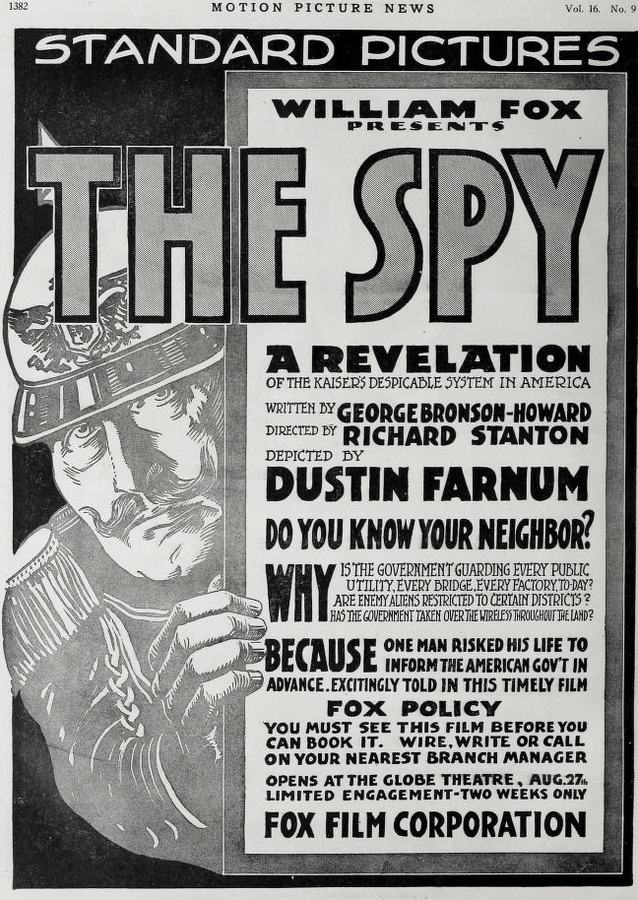
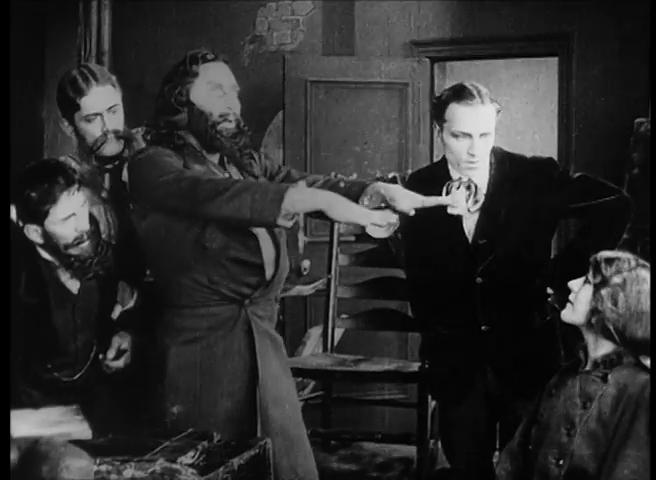
Stepping back into the cinematic landscape of 1917, one encounters a fascinating artifact of wartime entertainment and propaganda: The Spy. Directed by Frank Powell and based on a story by George Bronson Howard, this silent film plunges audiences into the perilous world of international espionage during the throes of World War I. It’s a compelling journey that, even a century later, offers a window into the anxieties, patriotic fervor, and evolving storytelling techniques of its era. At its core, The Spy is a testament to the nascent power of cinema to thrill, inform, and shape public perception during a period of profound global upheaval.
The plot, deceptively simple on its surface, quickly unravels into a complex tapestry of subterfuge and high-stakes maneuvering. Our protagonist, an unnamed American agent portrayed with earnest intensity by Dustin Farnum, is thrust into the lion's den: Germany. His objective is twofold and fraught with danger: first, to identify German agents operating clandestinely within the United States, and second, to infiltrate the very heart of the German secret service. The ultimate prize? A list—a meticulous ledger of undercover German operatives whose exposure could dismantle enemy intelligence networks and safeguard American interests. This premise alone sets a stage of palpable tension, reminding one of the intricate, often unseen battles fought far from the trenches. The film capitalizes on the pervasive fear of the 'enemy within,' a potent psychological weapon during wartime, much like the contemporary anxieties explored in films such as The Hawk, which also delved into themes of hidden threats and moral ambiguities.
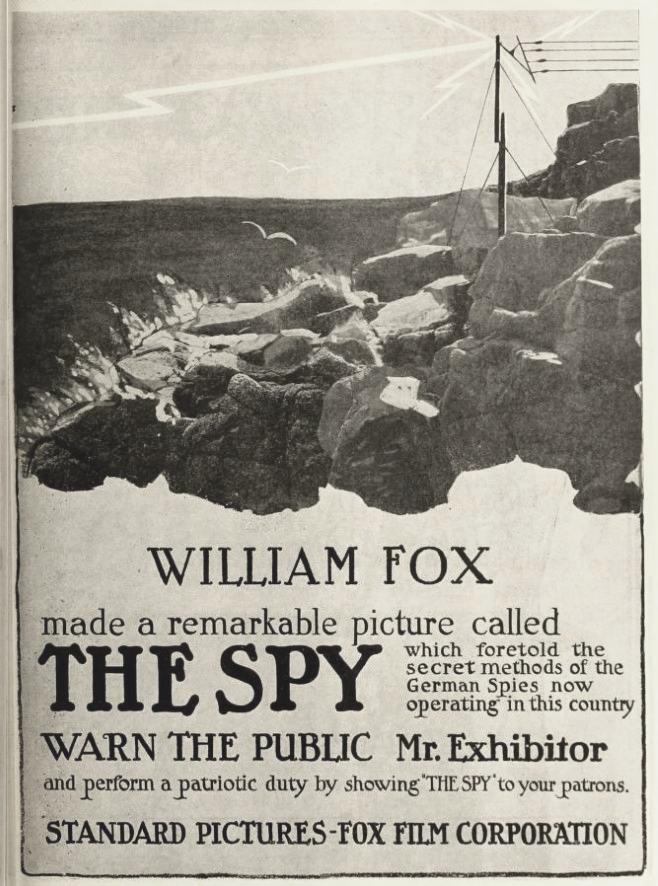
Farnum's character, a paragon of American resolve, must navigate a treacherous landscape where loyalty is a commodity and betrayal lurks in every shadow. The narrative arc follows his calculated infiltration, a process that demands not only physical courage but also an acute psychological resilience. He adopts a new persona, weaving himself into the fabric of German society and, more specifically, its intelligence apparatus. This act of dissimulation forms the dramatic backbone of the film, as the audience is privy to his internal struggle and the constant threat of discovery. The screenplay by George Bronson Howard, while adhering to the conventions of silent film narrative, manages to inject a sense of urgency and moral weight into the proceedings. Howard’s ability to craft intricate scenarios without relying on dialogue is particularly commendable, pushing the visual storytelling to its limits.
In the realm of silent cinema, the burden of conveying emotion, intent, and character falls squarely on the actors' physical expressiveness and the director's visual acumen. Dustin Farnum, a prominent star of his time, delivers a performance that is both robust and nuanced, considering the limitations of the medium. His portrayal of the American agent is a masterful exercise in restraint and explosive action. Farnum conveys a quiet determination, his eyes often betraying the immense pressure under which his character operates. When moments of high drama erupt, his movements become decisive, his expressions stark, effectively communicating the gravity of his situation to an audience accustomed to reading emotions from exaggerated gestures.
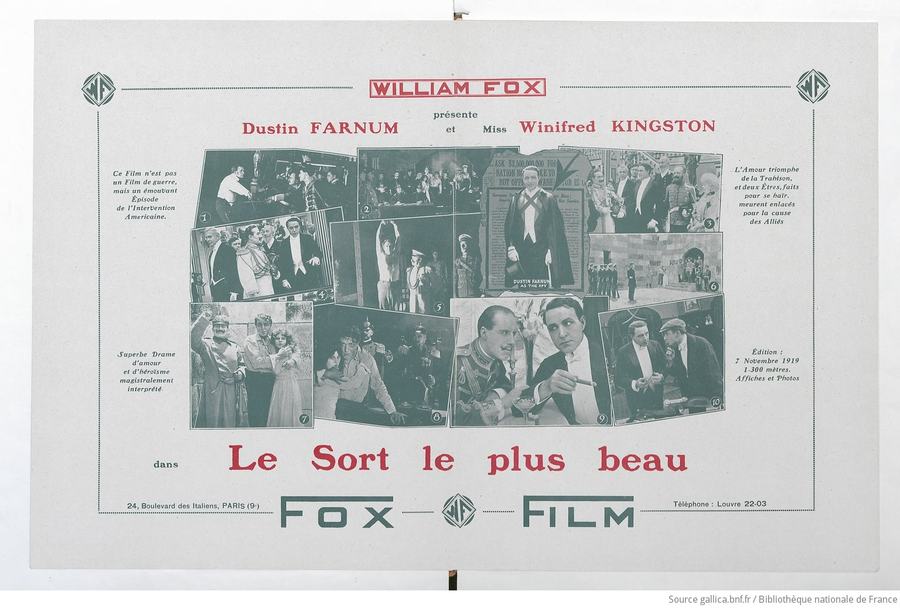
The supporting cast contributes significantly to the film's atmospheric density. William Lowry, Winifred Kingston, William Burress, Charles Clary, and Howard Gaye each carve out memorable, if sometimes archetypal, roles that flesh out the dangerous world Farnum inhabits. Kingston, in particular, often brings a necessary human element to the otherwise cold calculations of espionage, perhaps playing a love interest or a conflicted operative, adding layers of emotional complexity. The interplay between these characters, often communicated through intense gazes and subtle shifts in posture, speaks volumes where words are absent. This ensemble work, under Frank Powell's direction, creates a credible illusion of a world teeming with clandestine activities.
Powell's direction is noteworthy for its effective use of visual storytelling to build suspense. He understands the power of framing, editing, and mise-en-scène to heighten tension. The film utilizes classic silent film techniques: dramatic close-ups to emphasize emotional states, quick cuts during action sequences to convey urgency, and carefully composed wide shots to establish the oppressive German environment. The staging of key scenes, particularly those involving the infiltration and the pursuit of the list, demonstrates a keen understanding of how to engage an audience without dialogue. One might draw parallels to the early suspense-building techniques seen in films like Trapped by the London Sharks, which also relied heavily on visual dynamism to drive its narrative of pursuit and escape.
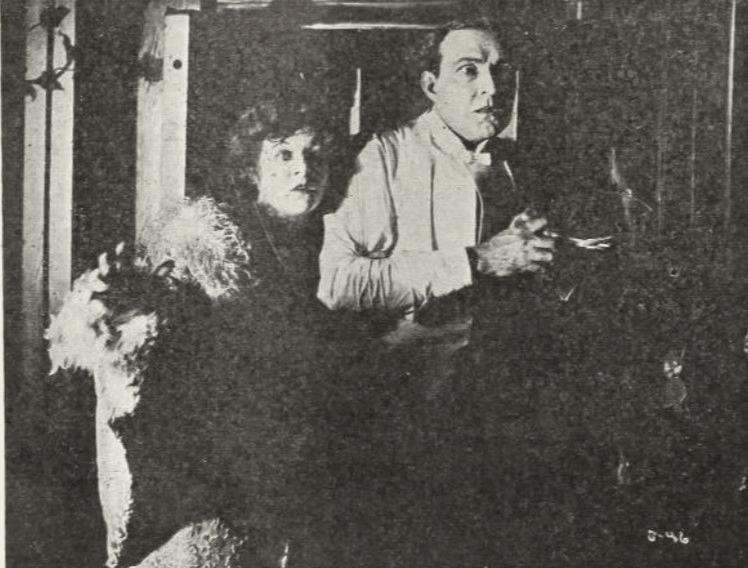
The narrative ingenuity of The Spy owes much to its writer, George Bronson Howard. Howard was a prolific writer of his era, known for his adventurous and often sensational stories. In The Spy, his script, though adapted for the silent screen, retains a robust sense of dramatic structure and character motivation. He crafts a scenario that, while serving a clear patriotic agenda, also manages to explore universal themes of duty, sacrifice, and the moral ambiguities inherent in wartime espionage. The creation of a protagonist willing to risk everything, not for personal gain but for national security, resonates deeply. Howard's work here, much like his other contributions to early cinema, demonstrates a foundational understanding of what makes a compelling narrative, regardless of the technological constraints of the medium. His influence on the evolving genre of spy thrillers, even in these formative years, cannot be overstated.
To fully appreciate The Spy, one must contextualize it within its historical moment. 1917 was a pivotal year in World War I; the United States had officially entered the conflict in April. Consequently, American cinema, much like other forms of popular culture, became a powerful tool for galvanizing public support, demonizing the enemy, and reinforcing patriotic ideals. Films like The Spy served multiple purposes: they entertained, certainly, but they also educated (or, perhaps, propagandized) audiences about the nature of the enemy and the necessity of American involvement. The portrayal of German intelligence as a formidable, insidious force would have resonated strongly with contemporary audiences, fueling a sense of national urgency and righteousness.
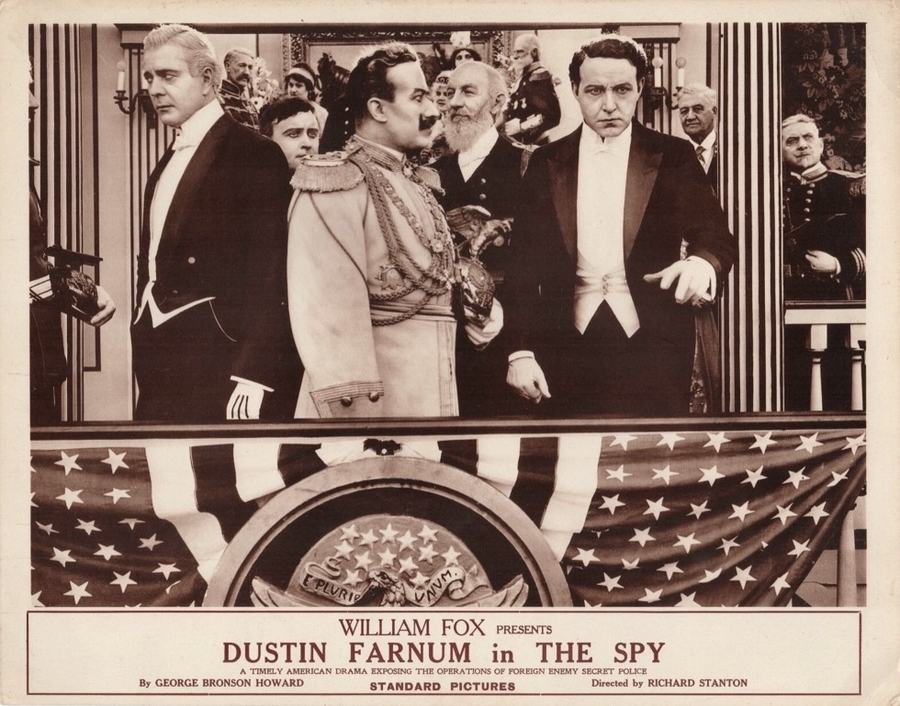
The film’s depiction of German agents operating on American soil tapped into real fears of sabotage and subversion, anxieties that were actively stoked by wartime propaganda. In this sense, The Spy is more than just an adventure film; it's a historical document reflecting the cultural zeitgeist of a nation at war. It contrasts sharply with films that explored more personal, domestic dramas of the era, such as He Fell in Love with His Wife, highlighting the diverse thematic landscape of early cinema. While some films offered escapism or romantic solace, The Spy leaned into the harsh realities, albeit fictionalized, of the global conflict.
Creating suspense without spoken dialogue is a unique challenge, one that The Spy tackles with considerable success. The film relies heavily on visual cues, dramatic irony, and the strategic use of intertitles to build and release tension. The audience is often privy to information that the characters are not, creating a pervasive sense of dread and anticipation. A lingering shot on a suspicious package, a furtive glance exchanged between two characters, or the slow reveal of a critical document—these are the tools of silent film suspense, expertly deployed here. The pacing, too, is crucial; moments of quiet observation give way to bursts of frantic action, ensuring the audience remains on the edge of their seats.
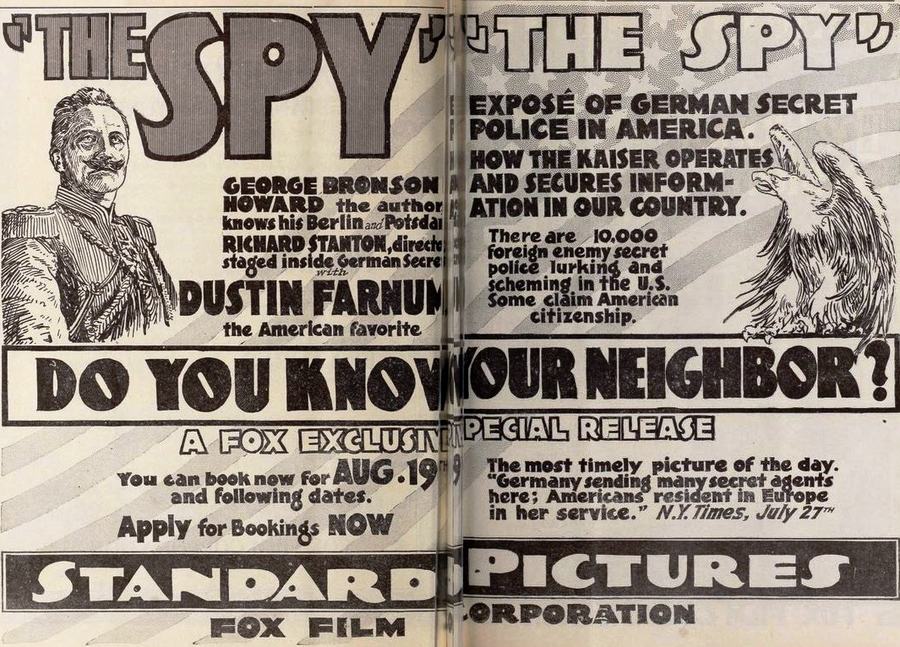
The film's climax, involving the American agent's attempt to abscond with the list of German operatives, is a masterclass in silent film action. It’s a sequence that likely involved elaborate stunt work for its time, clever editing, and highly expressive performances to convey the desperation and danger of the moment. The stakes are clear: failure means not only the agent’s demise but also the continued threat to American security. This kind of high-octane conclusion became a hallmark of early thrillers, setting precedents for decades of cinematic espionage. The sheer audacity of the mission, and the visual ingenuity required to convey its execution, makes The Spy a compelling watch for anyone interested in the evolution of cinematic storytelling.
While The Spy may not be as widely known today as some other silent film classics, its significance in the history of cinema, particularly the espionage genre, is undeniable. It represents an early, robust attempt to tackle complex international intrigue on screen, paving the way for countless spy thrillers that would follow. It showcases the early talents of Dustin Farnum and the foundational storytelling prowess of George Bronson Howard and Frank Powell.
Moreover, the film serves as a valuable historical document, offering insight into the cultural and political climate of America during World War I. It reminds us of a time when cinema was still finding its voice, yet already possessed an immense capacity to influence public opinion and reflect national anxieties. For those fascinated by the origins of the spy genre, the development of cinematic language, or the intersection of film and history, The Spy is more than a curio; it is an essential piece of the puzzle. Its narrative of daring infiltration and the pursuit of vital intelligence continues to resonate, albeit through a different lens than its original audience. Much like the exploration of complex human motivations in films such as Fedora, The Spy, in its own primitive yet effective way, delves into the moral quandaries and personal risks inherent in a world where loyalties are tested and identities are fluid. It stands as a testament to the enduring appeal of a good story, well told, even when confined to the whispers and shadows of the silent screen.
The film's influence, while perhaps not directly traceable in every subsequent espionage flick, lies in its contribution to the genre's formative years. It helped establish tropes and narrative structures that would be refined and reinvented over the decades. From the lone agent against a vast, shadowy organization to the high-stakes retrieval of critical documents, The Spy played its part in defining what audiences would come to expect from stories of international intrigue. Its existence underlines the fact that even in its infancy, cinema was capable of addressing profound contemporary issues with a thrilling narrative flair. Watching it today is not merely an exercise in historical curiosity but an appreciation of early filmmakers' ingenuity in crafting compelling drama under challenging circumstances.
IMDb —
1926
Community
Log in to comment.