DbcultAccessing Vault...
6.3/10
Senior Film Conservator
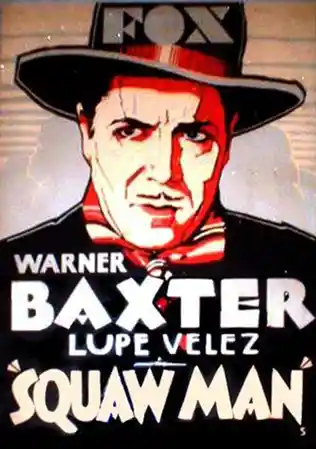
A definitive 6.3/10 rating for a film that redefined the boundaries of cult cinema. The Squaw Man remains a cornerstone of transgressive art.
If you are looking for something light to watch on a Sunday afternoon, stay away from this one. It is a real bummer of a movie.
It is probably worth watching if you really like old-school melodramas where everyone talks with a lot of heavy pauses. If you hate movies where the ending makes you feel like you just got hit by a truck, you will definitely want to skip it.
Cecil B. DeMille made this same story three different times. This 1931 version is the last one, and you can tell he really knew where to put the camera by this point.
The movie starts in England and it is honestly a bit slow. Everyone is wearing fancy clothes and worrying about money and reputations in a way that feels very far away.
James Wingate, played by Warner Baxter, decides to be a hero for no good reason. He takes the blame for his cousin stealing money just because he likes the cousin's wife, Diana.
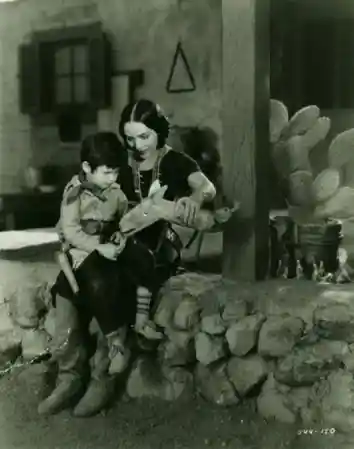
It’s one of those movie moments where you want to yell at the screen. Why would you ruin your whole life for a guy who is clearly a jerk?
Anyway, he moves to Montana. The movie gets a lot more interesting once there is some dirt on the ground.
The transition from the fancy British offices to the dusty ranch is jarring. It feels like two different movies glued together.
In Montana, James is basically a fish out of water. He buys a ranch and immediately gets into a fight with a guy named Cash Hawkins.
Cash Hawkins is your typical movie bad guy. He’s a bootlegger and he has a corrupt sheriff in his pocket.
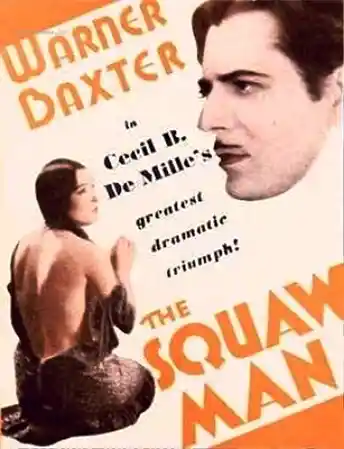
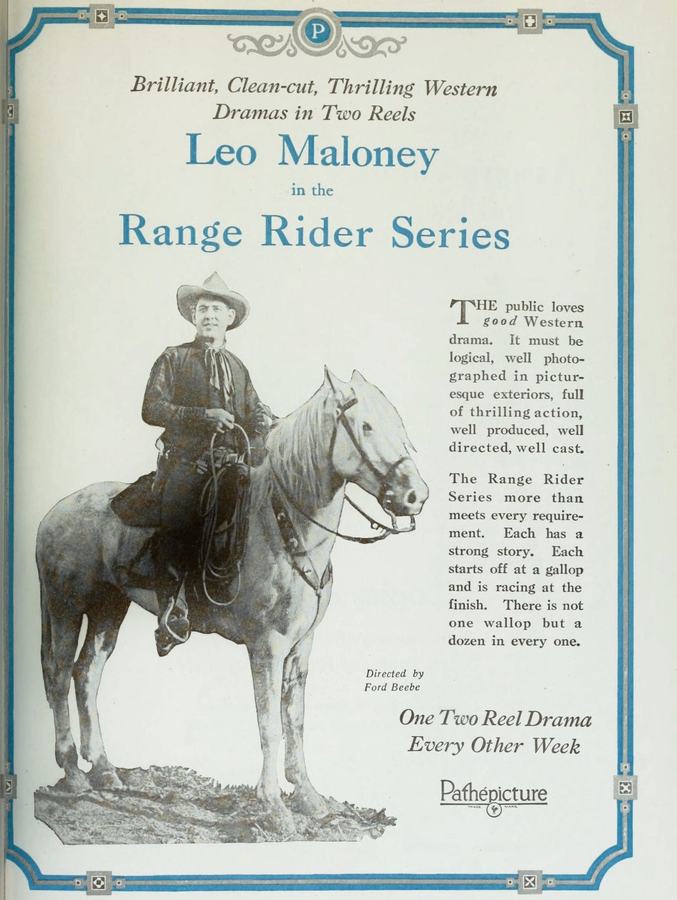
If you have seen Hair-Trigger Baxter, you know the drill with these ranch feuds. It is all about land and who can draw their gun faster.
Then we meet Naturich. She is a Native American woman who basically saves James's life twice.
Lupe Velez plays her. She is usually known for being very loud and funny in movies, but here she is very quiet and sad.
She kills the bad guy to save James. It is a very intense scene where the sound of the gunshot feels much louder than everything else in the film.
James marries her, mostly because he’s grateful, I think. They have a little boy together.
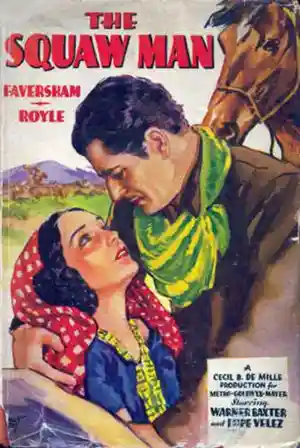
The scenes with the kid are actually kind of sweet. They have this little wooden horse that Naturich made for him.
Everything is going okay until the British people show up again. They always ruin everything in these stories.
The cousin died and confessed, so now James is technically an Earl. He can go back home and be rich again.
But there is a catch. They want him to send his son back to England to go to fancy schools.
This is where the movie gets really uncomfortable to watch. James decides to send the boy away, and he doesn't really listen to what Naturich wants.
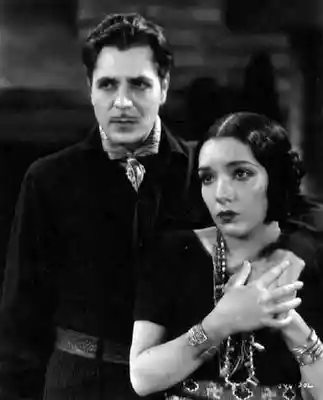
You can see the heartbreak on her face. She doesn't speak much English in the movie, so she has to do it all with her eyes.
There is a moment where she is holding that wooden horse and looking at her son. It is probably the best shot in the whole film.
The ending is a total mess of emotions. The law is coming for her because of the murder from years ago.
She decides she can't live without her son and she doesn't want to go to jail. She takes her own life while holding that toy horse.
It feels very cruel. Like the movie didn't know what else to do with her once the white characters wanted their happy ending.
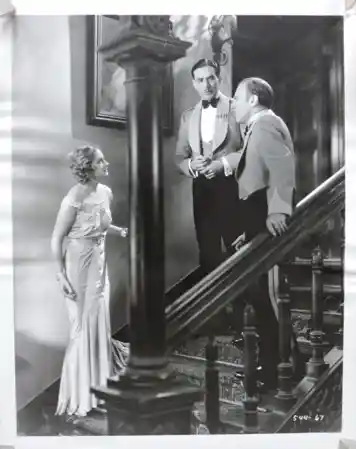
James holds her at the end, and he looks totally lost. It’s not a "hero riding into the sunset" kind of vibe at all.
The pacing is a bit weird. It spends way too much time in England at the start and then rushes the ending in Montana.
I kept thinking about The Wild Rider while watching the outdoor scenes. Those older westerns always have a specific look to the mountains.
Is it a great movie? Probably not. It feels very dated in how it treats Naturich.
But as a piece of history, it is pretty fascinating. You can see DeMille trying to make something that feels big and important.
It’s a movie about people making bad choices and then having to live with them. Or die because of them, in Naturich's case.
If you want to see Lupe Velez actually act instead of just being a caricature, this is the one to watch. She really carries the emotional weight of the second half.
Just make sure you have some tissues nearby. The ending really stays with you, and not in a good, happy way.
It’s a heavy watch. I don't think I'll ever want to see it again, but I'm glad I saw it once.
IMDb 5.3
1919
Community
Log in to comment.