DbcultAccessing Vault...
Cult Review
Senior Film Conservator
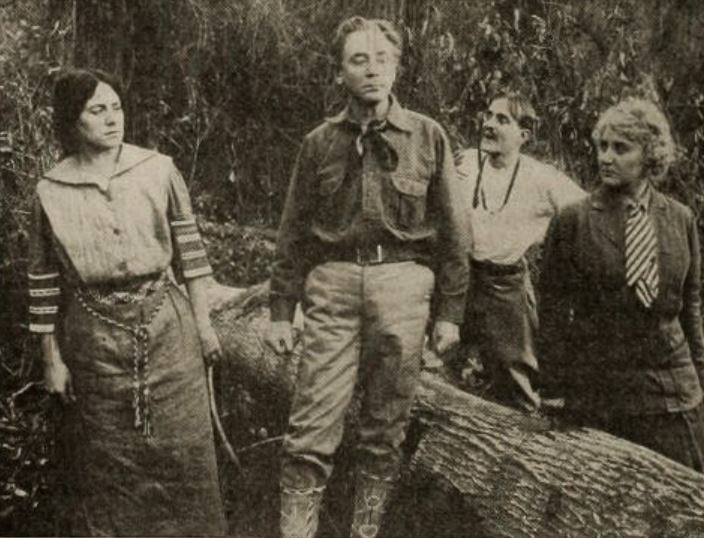
There's an undeniable allure to stories of escape, of shedding one's former skin and seeking a blank canvas upon which to paint a new existence. Such is the foundational premise of Jack Chanty, a cinematic endeavor that plunges its titular character from the suffocating confines of urban failure into the expansive, unyielding embrace of the American Northwest. It's a narrative that resonates deeply, touching upon the universal yearning for a fresh start, a chance to outrun the specters of past mistakes and forge a life unburdened by prior transgressions. The film, starring F.H. Garland in the titular role, along with the captivating Lolita Robertson as Mary, presents a potent cocktail of romance, suspense, and the perennial struggle between personal reinvention and the relentless pull of a forgotten history.
From the outset, the film establishes Jack Chanty not as a hardened criminal, but as a man whose company's collapse has forced him into a desperate, morally ambiguous partnership. His subsequent flight to the wilderness isn't merely a geographical relocation; it's a profound spiritual migration. The sprawling, untamed landscapes of the Northwest become more than just a backdrop; they are a crucible, a silent witness to Jack's earnest attempts at redemption. Here, amidst the towering pines and rushing rivers, he finds a tranquility that the bustling, unforgiving city could never offer. This segment of the film beautifully captures the essence of frontier escapism, a theme often explored in works like The Gentleman from Indiana, where individuals seek to build anew in the crucible of the American frontier.
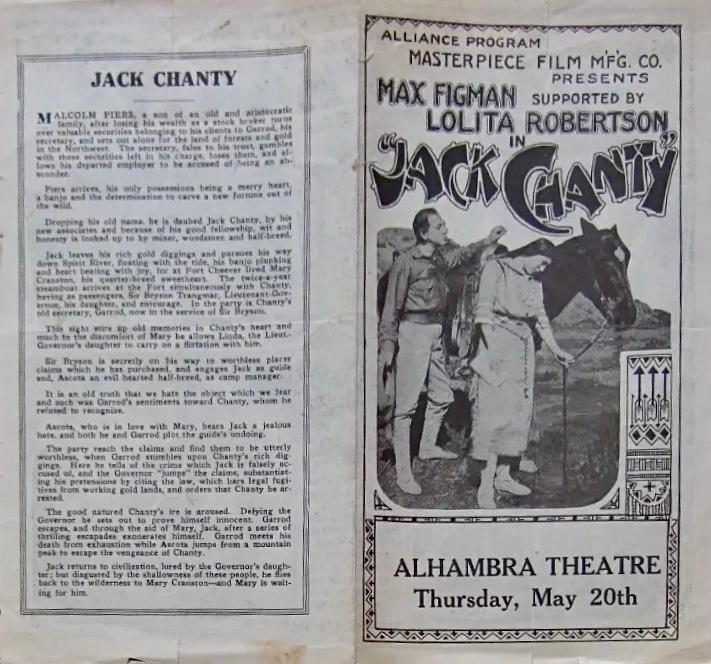
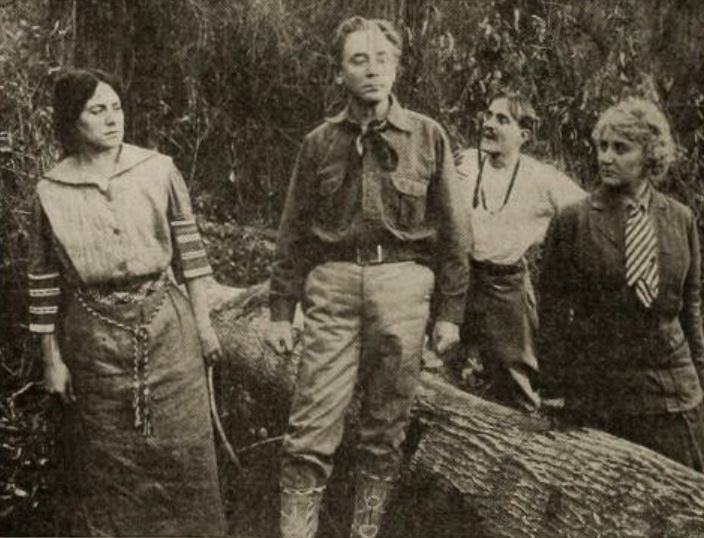
It is in this pristine, sylvan sanctuary that Jack encounters Mary, played with a compelling blend of strength and vulnerability by Lolita Robertson. Mary, a quarter-breed, embodies the spirit of the wilderness itself—resilient, grounded, and possessing an inherent wisdom that contrasts sharply with Jack's metropolitan weariness. Their burgeoning romance is depicted with a tender authenticity, blossoming organically amidst shared labors and the quiet companionship unique to remote living. The film wisely avoids facile romantic tropes, instead portraying their connection as a genuine bond forged in shared solitude and mutual respect. This relationship becomes the emotional anchor of the story, a beacon of hope against the encroaching shadows of Jack’s former life.
F.H. Garland’s portrayal of Jack Chanty is particularly noteworthy. He infuses the character with a quiet gravitas, a man haunted by his past but fiercely determined to protect his newfound happiness. Garland eschews overt theatrics, instead relying on subtle gestures and expressive eyes to convey Jack's internal turmoil and his deep affection for Mary. His performance lends considerable weight to the narrative, making Jack's journey of self-discovery and his struggle against his past feel intensely personal and relatable. You feel the palpable relief in his initial escape and the growing dread as his past begins to catch up.
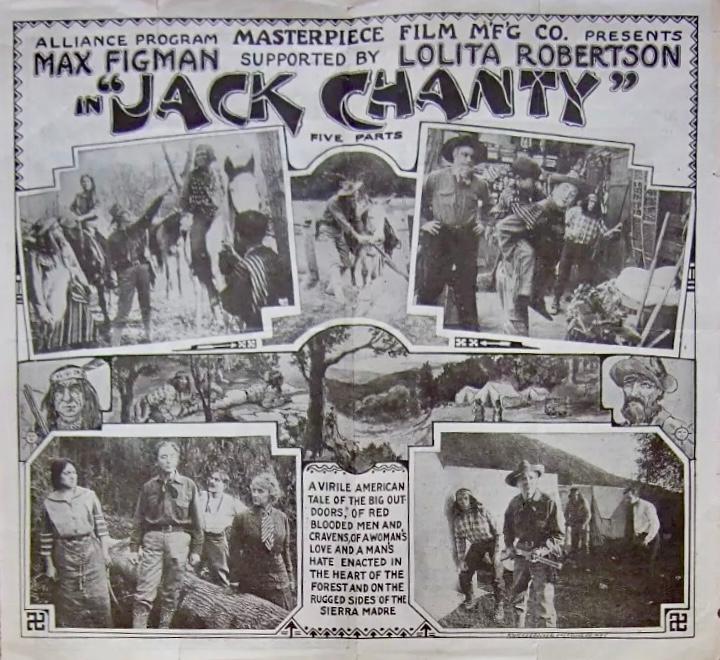
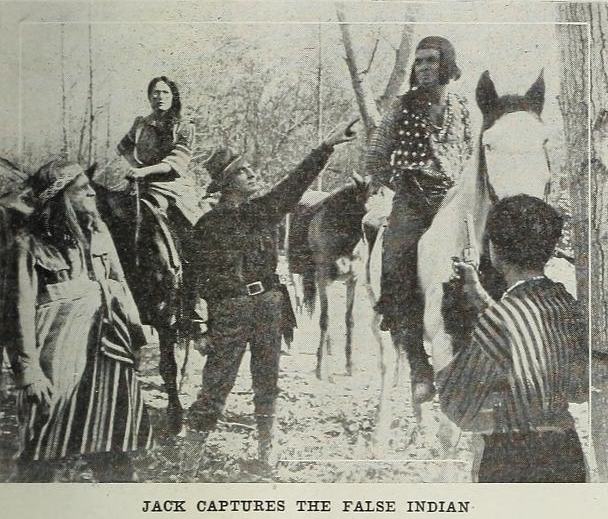
The serenity of Jack and Mary’s existence, however, is destined to be short-lived. The arrival of Jack's old thieving partner shatters their idyllic peace, introducing a disruptive element that immediately ratchets up the tension. This former associate, a living embodiment of everything Jack desperately tried to leave behind, forces a confrontation with the very identity he sought to shed. The film masterfully builds suspense around this intrusion, transforming the tranquil wilderness into a stage for psychological warfare and impending danger. The partner is not merely an antagonist; he is a mirror reflecting Jack’s past self, a constant reminder of the choices made and the consequences deferred.
The casting of Henry A. Livingston as the nefarious partner is a stroke of genius. Livingston exudes a menacing charm, a cunning intelligence that makes his character far more complex than a simple villain. He represents the corrosive influence of the past, the insidious way in which old ties can unravel even the most meticulously constructed new lives. His presence introduces a layer of moral ambiguity, forcing Jack to confront not just the physical threat but also the temptation to revert to old ways, or to compromise his newfound principles to protect Mary and their future. This dynamic is reminiscent of the intricate webs of deceit and loyalty explored in films like Sealed Orders, where hidden agendas and past affiliations dictate present dangers.
Elliott J. Clawson and Hulbert Footner, the writers behind Jack Chanty, craft a narrative that deftly balances moments of serene beauty with sudden bursts of dramatic intensity. Their screenplay avoids simplistic resolutions, instead opting for a more nuanced exploration of human nature, loyalty, and the price of redemption. The dialogue, though sparse in certain wilderness scenes, is impactful, revealing character and advancing the plot with efficiency. They understand that sometimes, what is left unsaid speaks volumes, especially when characters are grappling with profound internal conflicts.
The film’s portrayal of the Northwest is also a character unto itself. The cinematography, though perhaps not as technically sophisticated as later productions, captures the raw majesty and isolation of the region. It emphasizes the vastness, the sense of being truly alone, which both offers solace and amplifies the threat when it eventually arrives. The natural elements – the harsh winters, the dense forests, the untamed rivers – are not just backdrops; they are active participants in the drama, reflecting the emotional landscape of the characters. This vivid sense of place is crucial for immersing the audience in Jack’s journey and making his desire to protect this new life all the more urgent.
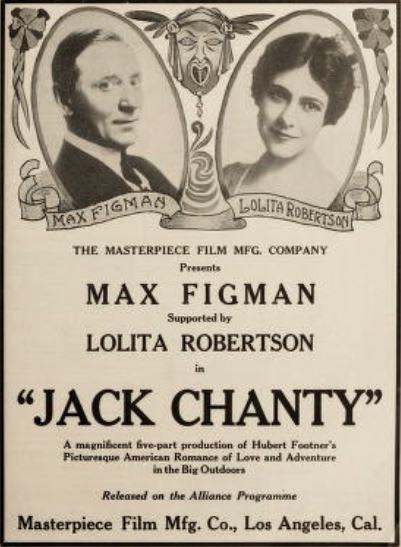
One of the most compelling aspects of Jack Chanty is its exploration of identity. Jack’s struggle is not merely against an external threat, but against the very essence of who he was. Can a man truly escape his past? Can he shed the labels society has affixed to him? The film grapples with these questions, suggesting that while physical escape is possible, psychological liberation requires a more profound internal transformation. Mary’s unwavering belief in him, despite the revelations, becomes a powerful catalyst for Jack’s continued evolution, highlighting the transformative power of unconditional love.
The supporting cast, including Edwin Harley, Ethel Davis, Antrim Short, and Max Figman, contribute significantly to the film's rich tapestry. Each performance, no matter how brief, adds depth and authenticity to the world of Jack Chanty, portraying a community that, like Jack, exists on the fringes, defined by its own rules and loyalties. Their interactions provide essential context and further illuminate the stakes involved in Jack’s precarious situation, underscoring the communal impact of individual choices.
In an era when cinema was still finding its voice, Jack Chanty stands as a testament to the power of compelling storytelling. It manages to weave together elements of adventure, romance, and psychological drama into a cohesive and engaging narrative. While it might not possess the grandiosity of epics like The Puppet Crown or the dramatic intensity of Assunta Spina, its strength lies in its grounded, human-centric approach to universal themes. It’s a film that speaks to the enduring human desire for a clean slate, a chance to rewrite one’s destiny, even when the shadows of yesterday loom large.
The climax of the film is particularly well-executed, bringing the simmering tensions to a boiling point. It’s a confrontation that feels earned, a culmination of all the emotional and physical stakes that have been meticulously built throughout the narrative. The resolution, while satisfying, doesn't feel overly simplistic, leaving the audience with a sense of the fragility of peace and the constant vigilance required to maintain it. This nuanced ending elevates the film beyond a mere genre piece, imbuing it with a lingering resonance that encourages reflection long after the credits roll.
Considering its place in cinematic history, Jack Chanty offers valuable insights into the storytelling conventions and thematic preoccupations of its time. It reflects a cultural fascination with the wilderness as a place of both refuge and danger, a concept that continues to captivate audiences. The film's exploration of moral quandaries, the nature of guilt, and the pursuit of a better life are timeless. It’s a reminder that even early cinema was capable of tackling complex human emotions with considerable depth and artistry, often through the lens of thrilling personal dramas.
For those interested in the evolution of character-driven narratives, Jack Chanty provides a compelling example. It predates many of the more well-known 'man on the run' or 'redemption' stories, offering a foundational blueprint for such tales. The film's ability to maintain audience investment in Jack’s fate, despite his questionable past, speaks volumes about the strength of its character development and the sympathetic performance by F.H. Garland. It’s a delicate balance to make a flawed protagonist relatable, and Jack Chanty achieves this with commendable skill.
The enduring power of love against adversity is a central theme, beautifully personified by Mary’s steadfastness. Her presence is not merely a romantic interest; she is Jack’s moral compass, his reason for fighting for a different future. This dynamic adds a profound emotional layer, transforming what could have been a straightforward thriller into a poignant exploration of human connection. It’s a testament to the film’s depth that the love story feels as significant as the suspenseful plot, giving the audience a strong emotional stake in the outcome.
In conclusion, Jack Chanty is far more than a relic of early cinema; it is a vibrant, emotionally resonant film that deserves renewed attention. Its meticulously crafted plot, compelling performances, and rich thematic undercurrents make it a thoroughly engaging watch. It stands as a testament to the enduring power of storytelling, reminding us that the human desire for redemption, the search for solace, and the battle against one's own past are narratives that transcend time and cinematic eras. It’s a film that leaves you pondering the true cost of freedom and the lengths one must go to secure a genuine second chance. Its echoes of themes found in The Dead Secret, where hidden pasts unravel lives, are particularly strong, making it a fascinating piece of cinematic history that still holds considerable power today.
The journey of Jack Chanty is not just a flight from justice or consequence; it is a profound quest for self-forgiveness and the arduous construction of a new identity. The film doesn't shy away from the inherent difficulties of such a transformation, depicting the constant threat of the past to dismantle the present. This makes Jack a deeply human character, one whose struggles resonate with anyone who has ever yearned for a fresh start. The narrative’s strength lies in its refusal to offer easy answers, instead portraying the complex, often painful process of true change. It is an intricate dance between fate and free will, played out against a stunning, unforgiving backdrop, making Jack Chanty a film that continues to captivate and provoke thought.
IMDb 6.4
1924
Community
Log in to comment.