A definitive 6.6/10 rating for a film that redefined the boundaries of cult cinema. The Young Eagles remains a cornerstone of transgressive art.
Is The Young Eagles, a nearly century-old silent film from Estonia, worth watching today? Short answer: yes, absolutely, but with significant caveats that demand a particular kind of viewer. This film is a fascinating historical artifact and a surprisingly potent early war drama that will captivate those with a deep appreciation for cinema's nascent years and a keen interest in overlooked European histories.
However, it is decidedly NOT for viewers seeking modern pacing, sophisticated visual effects, or a purely escapist experience. If you’re willing to meet it on its own terms, you’ll discover a poignant, if sometimes simplistic, narrative that speaks volumes about national identity and the cost of freedom.
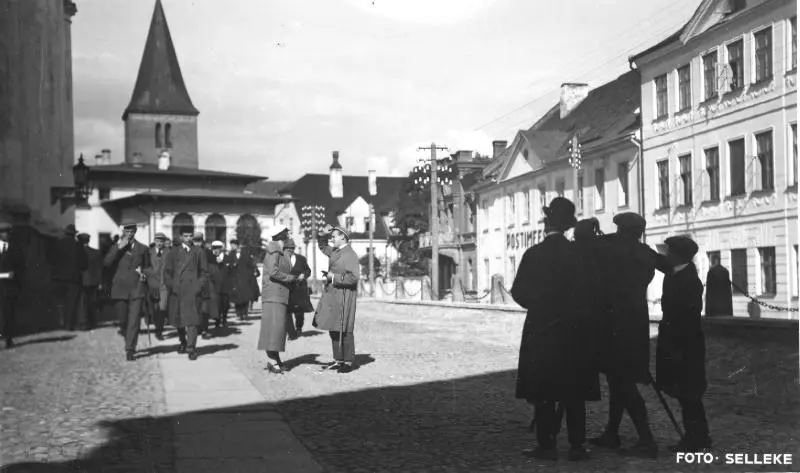
Scene from The Young Eagles
Cinematic perspective: Exploring the visual vocabulary of The Young Eagles (1927) through its definitive frames.
A Glimpse into History: The Estonian War of Independence on Screen
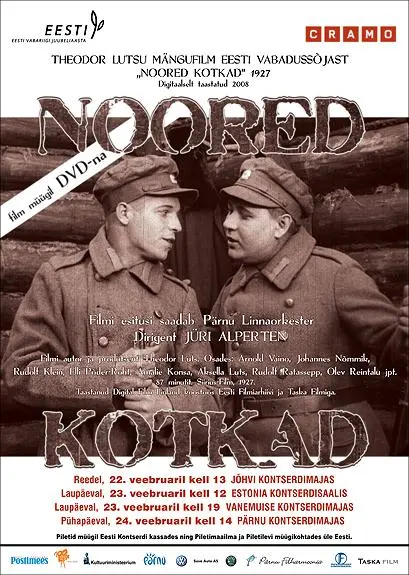
Directed by Theodor Luts, The Young Eagles (Noored kotkad) stands as a vital piece of Estonian cinematic heritage. Released in 1927, it emerged less than a decade after the events it depicts—the Estonian War of Independence (1918-1920)—making it not just a historical drama, but a contemporary reflection, almost a living memory captured on celluloid. The film's narrative, co-written by Oskar Luts and Aksella Luts, focuses on three students who, propelled by patriotic fervor, enlist to defend their newly independent nation from the Russian Bolshevists. This premise, while straightforward, carries immense weight given the geopolitical context of its creation.
The film works because it offers an invaluable window into a specific historical moment, imbued with the raw emotion and perspective of its era. It fails, somewhat predictably, by today's standards in its technical sophistication and narrative depth, often resorting to broad strokes typical of silent cinema. You should watch it if you are a cinephile keen on exploring early European cinema, a history enthusiast interested in the Baltic states, or someone who appreciates the power of earnest, if unsophisticated, storytelling.
Scene from The Young Eagles
Cinematic perspective: Exploring the visual vocabulary of The Young Eagles (1927) through its definitive frames.
This film works because it is a direct, unfiltered cinematic voice from a nation finding its footing, telling its own story of foundational conflict.
This film fails because its narrative simplicity and dated cinematic techniques may alienate audiences accustomed to contemporary storytelling.
Scene from The Young Eagles
Cinematic perspective: Exploring the visual vocabulary of The Young Eagles (1927) through its definitive frames.
You should watch it if you prioritize historical authenticity and the unique charm of silent film over modern production values.
Performances and Pacing: The Silent Language of Patriotism
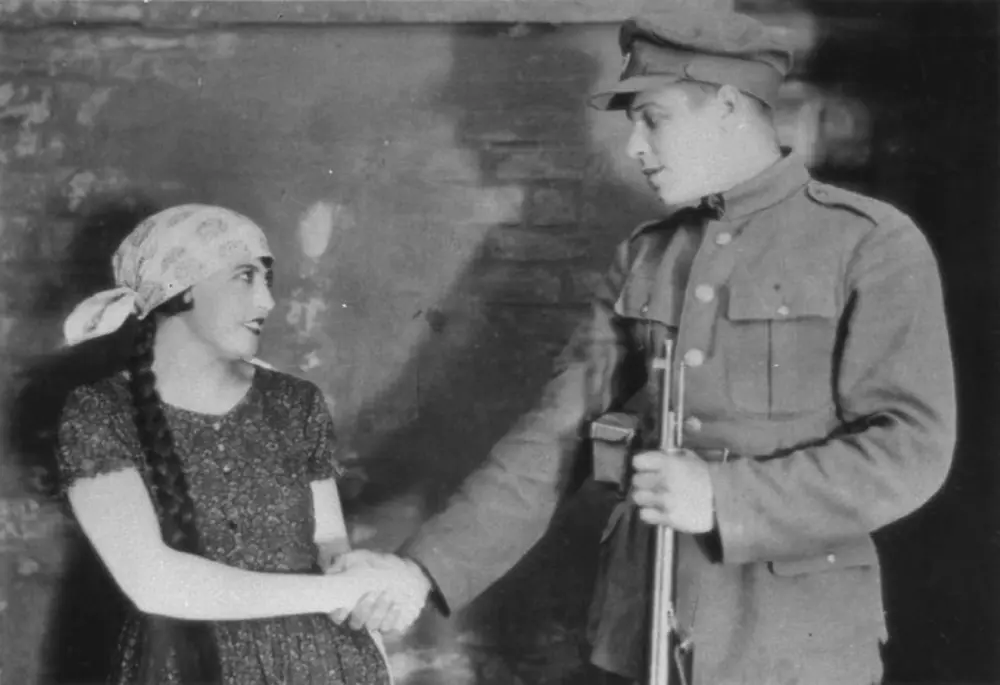
The performances in The Young Eagles are, as expected for the silent era, often melodramatic, relying heavily on exaggerated facial expressions and gestures to convey emotion. Rudolf Ratassepp, as one of the central students, embodies a youthful idealism that slowly gives way to a more somber understanding of war. His wide-eyed enthusiasm in the early recruitment scenes, contrasted with his later weary but resolute gaze in the trenches, is a clear arc that silent film actors mastered. Aksella Luts, who also contributed to the script, provides a compelling, if brief, presence, often serving as the emotional anchor or the symbol of what is being fought for back home.
Scene from The Young Eagles
Cinematic perspective: Exploring the visual vocabulary of The Young Eagles (1927) through its definitive frames.
Vambola Kurg and Arnold Vaino, as the other two students, provide strong support, each portraying distinct personalities that contribute to the ensemble's dynamic. Kurg’s character often serves as the pragmatic counterpoint, while Vaino brings a more introspective quality. These characterizations, while not deeply explored, are effective enough to create an emotional connection with the audience, particularly when they face shared hardships.
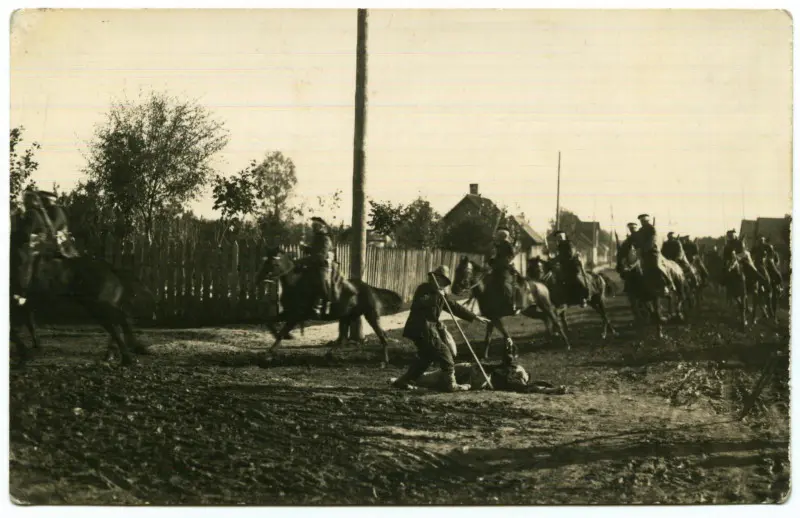
The pacing, a common sticking point for modern viewers of silent films, is surprisingly variable here. Early scenes depicting the students' civilian lives and their decision to enlist feel somewhat languid, building a sense of pre-war innocence. However, once the narrative shifts to the front lines, the editing becomes more dynamic, particularly during battle sequences. The intercutting between soldiers in action and the anxious faces of those waiting, while rudimentary, effectively conveys the tension and chaos of combat. One notable sequence, depicting a trench raid, uses quick cuts and close-ups to heighten the sense of immediate danger, a technique that, while primitive by today’s standards, was quite effective for its time.
Scene from The Young Eagles
Cinematic perspective: Exploring the visual vocabulary of The Young Eagles (1927) through its definitive frames.
Visuals and Tone: Capturing a Nation's Spirit
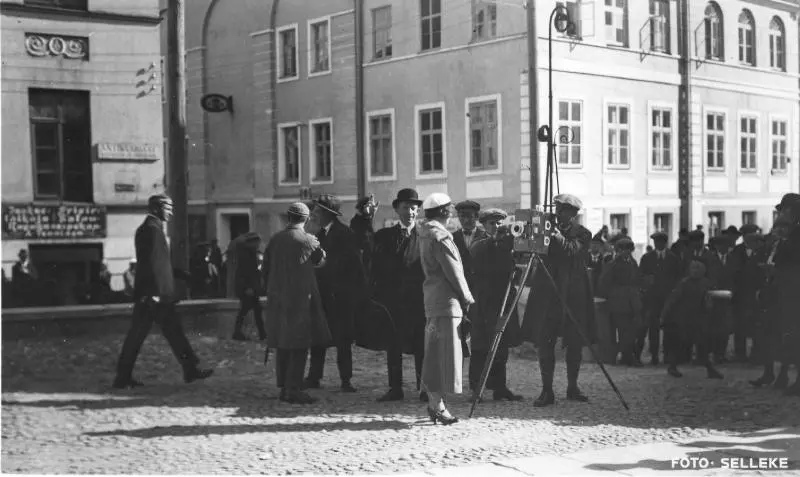
Cinematography in The Young Eagles is functional, yet occasionally striking. Theodor Luts, pulling double duty as director and cinematographer, captures the Estonian landscape with an eye for both its beauty and its vulnerability. There are sweeping shots of vast, open fields that evoke a sense of national pride and the very land being defended. Conversely, the close-quarters trench scenes are claustrophobic and grim, effectively communicating the harsh realities of warfare. The use of natural light, typical of the era, gives many scenes a stark, almost documentary-like feel, grounding the fantastical elements of war in a tangible reality.
The film’s tone is predominantly one of earnest patriotism and solemn sacrifice. It avoids excessive jingoism, instead focusing on the personal toll of war and the collective spirit of a people united by a common cause. There are moments of levity, often provided by the camaraderie between the soldiers, but these are brief respites from the overarching seriousness. The film doesn't shy away from depicting the grim consequences of conflict, even if it does so through the lens of early cinema's limitations. The absence of explicit gore, for instance, is compensated by the emotional weight carried by the actors' performances and the somber intertitles.
One particularly affecting scene involves the reading of letters from home, a universal soldier’s experience. The director uses close-ups on the faces of the men, juxtaposed with the text of the letters, to evoke a powerful sense of longing and connection to the world they've left behind. This simple, yet effective, technique transcends the silent film format, speaking directly to the human condition.
Contextualizing its Legacy: More Than Just a War Film
The Young Eagles is more than just a war film; it's a foundational text for Estonian cinema. It represents an early attempt by a young nation to define itself through its art, telling its own story of struggle and resilience. In an era dominated by Hollywood and European giants, this film carved out a unique space, demonstrating that even smaller nations could contribute to the global cinematic conversation. It’s a testament to the ambition and talent of its creators, particularly Theodor Luts, who was a pioneering figure in Estonian filmmaking. It's difficult to compare it directly to Hollywood blockbusters like Lest We Forget from a similar era, as their production scales were vastly different. Instead, it aligns more with the spirit of early national cinemas, like some of the early Scandinavian works or even nascent Soviet cinema, trying to forge a distinct identity.
The film's exploration of themes like national identity, sacrifice, and the transition from innocence to experience holds timeless appeal. While its narrative structure might feel simplistic to modern eyes, its emotional core remains potent. The characters, though archetypal, resonate with a universal truth about young people answering the call to arms. It’s a brutal, simple truth, delivered without much fuss.
Is This Film Worth Watching Today?
Yes, for specific audiences, The Young Eagles is absolutely worth watching today. It provides an unparalleled look into early Estonian cinema and a crucial historical event. The film's sincerity and its historical value far outweigh any perceived technical limitations. It’s a silent film, so expect intertitles and a lack of spoken dialogue. Modern viewers might find the pacing slow in parts, especially during the initial setup. However, the film picks up considerably during the combat sequences, offering glimpses of early cinematic tension. It’s a valuable piece of world cinema that deserves to be seen and studied.
Key Takeaways
Best for: Silent film enthusiasts, history buffs interested in the Baltic states, and those curious about the origins of national cinemas.
Not for: Viewers who demand fast pacing, complex narratives, or modern visual effects from their cinema.
Standout element: Its unique historical context and its role as a foundational piece of Estonian cinema. The earnestness of the performances is also a highlight.
Biggest flaw: The inherent limitations of early silent film, including occasional pacing issues and reliance on broad dramatic gestures.
Pros and Cons
Pros:
Historical Significance: A rare and important document of Estonian history and early national cinema.
Authentic Emotion: Captures the patriotic fervor and somber realities of war with genuine sentiment.
Pioneering Direction: Theodor Luts's early directorial efforts show considerable skill for the era, particularly in battle scenes.
Compelling Central Theme: The transformation of youth into hardened soldiers fighting for freedom is universally resonant.
Cultural Insight: Offers a unique perspective on a less-explored conflict in European history.
Cons:
Pacing Challenges: Can feel slow for modern audiences, especially in non-action sequences.
Silent Film Conventions: Relies on exaggerated acting and intertitles, which may be a barrier for some.
Technical Limitations: As an early film, its visual and sound (or lack thereof) quality is rudimentary compared to later productions.
Simplistic Character Arcs: While effective, characters are more archetypal than deeply psychological.
Limited Accessibility: May be challenging to find in high-quality restored versions, impacting the viewing experience.
Verdict
The Young Eagles is not a film that will appeal to everyone, nor does it aim to. It is a product of its time, deeply rooted in a specific national narrative, yet it achieves something remarkably universal. Its power lies not in its technical polish or intricate plot, but in its earnest portrayal of a nation's struggle for self-determination through the eyes of its youth. It functions as both a historical record and a heartfelt tribute, demonstrating the enduring spirit of a people. While it might require a degree of patience and an appreciation for the historical context, the rewards are significant. It's a testament to the early days of cinema, and a poignant reminder of the enduring human cost of freedom. Seek it out if you dare to step back in time and witness a vital piece of cinematic and historical memory. It works. But it’s flawed. And those flaws, in a strange way, make it all the more human and compelling.