DbcultAccessing Vault...
Cult Review
Senior Film Conservator
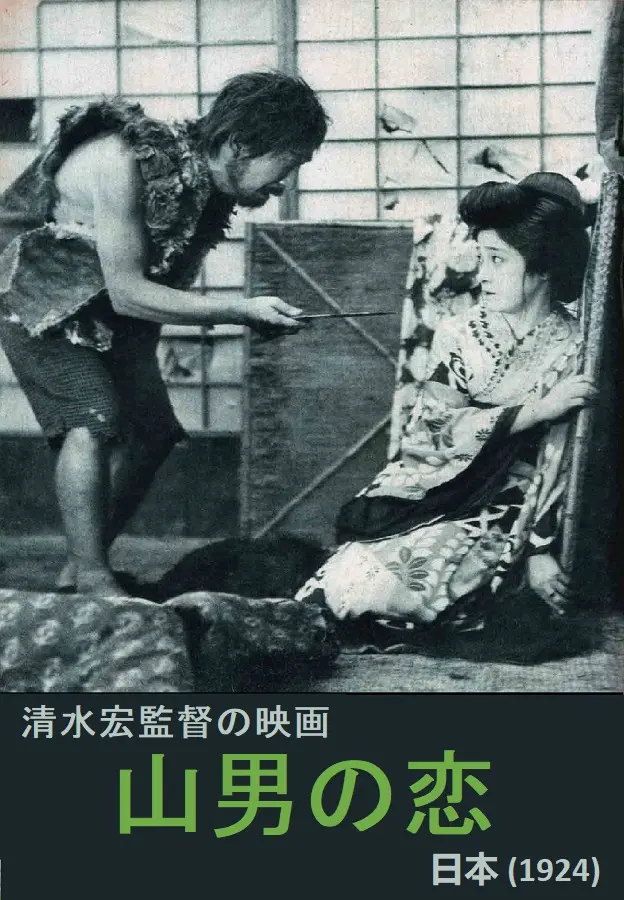
From the moment the opening credits unfurl against a backdrop of ancient, mist-shrouded peaks, Yamaotoko no koi (Love of the Mountain Man) establishes itself not merely as a film, but as an experience—an immersive journey into the very soul of a landscape and the hearts it shapes. This cinematic masterpiece, helmed by the visionary Momosuke Yoshida, transcends simple narrative to become a meditation on isolation, the relentless pull of nature, and the often-unspoken language of human connection. It's a film that demands patience, offering in return a profound emotional resonance that lingers long after the final frame. The deliberate pacing, far from being a detriment, allows the viewer to truly inhabit the world of Kaito, the eponymous mountain man, whose existence is as rugged and unyielding as the terrain he calls home. His life, a stark tapestry woven from the threads of tradition and necessity, is depicted with an almost ethnographic precision, inviting us to witness not just his actions, but the deep-seated motivations that drive them. This isn't merely a love story; it's an anthropological study of desire blooming in the most unlikely and challenging of environments, questioning the very definition of belonging and the boundaries of the human spirit. The film's initial silence, punctuated only by the sounds of the natural world, is a bold artistic choice, immediately setting a tone of profound contemplation and respect for its subject matter. It’s a work that asks you to listen, truly listen, to the unspoken dialogues between characters and the powerful voice of the environment itself.
The true star of Yamaotoko no koi is undoubtedly the breathtaking, often brutal, landscape itself. Yoshida's lens captures the mountains in all their formidable glory and unforgiving indifference, transforming them from mere setting into an active, breathing character that dictates the rhythm of life and love within its embrace. Cinematographer Noboru Kunishima, who also delivers a towering performance as Kaito, masterfully frames each shot, from the sweeping panoramic vistas that dwarf human figures to the intimate close-ups of weathered hands working the land. The visual storytelling is so potent that it often communicates more than dialogue ever could, evoking a sense of ancient wisdom and primordial power. The changing seasons are not simply aesthetic backdrops; they are narrative devices, mirroring the emotional ebb and flow of the characters. Winter's harsh grip symbolizes isolation and hardship, while the fleeting beauty of spring hints at renewal and the fragile hope of connection. This profound connection between character and environment is reminiscent of classic works that place human struggle against the majesty of nature, though Yamaotoko no koi carves its own unique path. The sheer authenticity of the outdoor sequences, captured without apparent artifice, immerses the viewer in a world where survival is a daily negotiation, and beauty is often found in the starkest of realities. It's a visual poem, a testament to the enduring power of the wild, and a stark reminder of humanity's humble place within it. The raw, unfiltered portrayal of the mountain's influence on Kaito’s very being is a testament to the film’s commitment to authenticity, echoing the naturalistic approach seen in films like Canyon of the Fools, where the landscape is an almost insurmountable force, shaping destinies with its sheer indifference.
When Sakuko Yanagi’s Akari, a botanist from the bustling metropolis, ventures into Kaito’s secluded world, the film truly ignites. Her arrival is not merely an external event; it's a seismic shift, challenging Kaito's carefully constructed solitude and the village's entrenched traditions. Yanagi imbues Akari with an intelligent curiosity and a quiet resilience, making her more than just a city-dweller out of her element. She is a force of gentle disruption, her scientific detachment slowly giving way to a profound empathy and, eventually, an undeniable affection. The chemistry between Kunishima and Yanagi is palpable, a nuanced dance of hesitation, longing, and eventual surrender. Their interactions are often wordless, communicated through stolen glances, tentative gestures, and the shared experience of the wild. Benryû Toda, as the village elder, provides a stern, traditional counterpoint, embodying the community's suspicion and resistance to change. His character, while seemingly an antagonist, represents the collective memory and protective instincts of a people deeply rooted in their customs. Yasuro Shiga and Hideo Fujino, in their supporting roles, further flesh out the village tapestry, each face telling a story of hardship and enduring spirit. The film brilliantly explores the clash of modern sensibility with ancient ways, the urban longing for authenticity meeting rural skepticism towards the unknown. This delicate balance ensures that the narrative never devolves into caricature, but rather presents a multifaceted examination of human nature under pressure. The nuanced performances elevate the material, transforming what could be a simple romance into a complex exploration of societal pressures and personal desires, much like the intricate character studies found in films such as The Price of Her Soul, where individual choices ripple through an entire community.
Momosuke Yoshida's screenplay is a masterclass in understated storytelling. It avoids melodrama, opting instead for a slow, deliberate build-up of emotional intensity. The dialogue is sparse, yet every word carries weight, reflecting the pragmatic and often taciturn nature of mountain life. The narrative arc, while seemingly straightforward, is laced with subtle complexities and moral ambiguities that challenge easy categorization. Yoshida, as both writer and director, demonstrates an exceptional understanding of human psychology and the intricate dynamics of a closed community. His directorial choices are always in service of the story, employing long takes that allow scenes to breathe and characters to reveal themselves through their actions and reactions. The use of natural light, the meticulous attention to detail in depicting traditional crafts and daily routines, all contribute to an almost documentary-like authenticity that grounds the more romantic elements of the plot. The film's rhythm mirrors the unhurried pace of mountain life, a stark contrast to the frenetic energy often found in contemporary cinema. This deliberate choice allows for a deeper immersion, inviting the audience to reflect alongside the characters rather than merely observe them. It’s a testament to the power of a well-crafted script that trusts its audience to interpret and feel, rather than explicitly state every emotion or plot point. The screenplay's poetic sensibility, combined with its unflinching realism, creates a unique blend that is both beautiful and profoundly moving, avoiding the pitfalls of sentimentalism while still delivering a powerful emotional punch. This thoughtful construction of character and plot through subtle cues reminds one of the narrative depth in titles like Tess of the D'Urbervilles, where tragic romance unfolds with an almost inevitable grace, driven by societal constraints and personal yearning.
At its core, Yamaotoko no koi is a profound exploration of love in its multifaceted forms: romantic, filial, and the deep, almost spiritual connection to one's ancestral land. It delves into the sacrifices demanded by love, the pain of unfulfilled desires, and the enduring legacy of choices made under duress. The film masterfully navigates the tension between individual longing and communal expectation, a struggle that resonates universally. Kaito and Akari's burgeoning relationship is a fragile bloom in a harsh environment, constantly threatened by external pressures and their own internal conflicts. The film doesn't offer easy answers or simplistic resolutions; instead, it presents the complexities of their predicament with an unflinching honesty. The theme of environmental stewardship is also subtly woven throughout, highlighting the delicate balance between humanity and nature, and the irreversible impact of modernization. This is not a didactic film, but rather one that encourages contemplation on our relationship with the natural world and the traditions that bind us. The sense of impending change, of a way of life slowly fading, adds another layer of melancholy and urgency to the narrative. It forces the characters, and by extension the audience, to confront the inherent impermanence of all things, even love. The emotional weight of these themes is handled with exquisite sensitivity, ensuring that the film never feels heavy-handed, but rather deeply human. It's a testament to the film's artistic integrity that it allows its audience to wrestle with these profound questions alongside its characters, fostering a deeper, more personal engagement. The exploration of inevitable fate and the price of societal pressure finds common ground with the stark realism of a film like Damaged Goods, albeit with a focus on natural rather than moral decay.
One of the film's most striking achievements is its ability to convey deep emotion through silence and subtle gesture. Kaito, a man of few words, communicates volumes through his eyes, his posture, and the way he interacts with the natural world. Kunishima's performance is a masterclass in restrained intensity, embodying the quiet strength and internal turmoil of a man torn between duty and desire. Yanagi, too, excels in expressing Akari's evolving feelings—her initial curiosity, her growing affection, and ultimately, her profound sorrow—without resorting to overt emotional displays. This reliance on non-verbal communication elevates the film to a higher artistic plane, demanding active participation from the viewer. We are invited to read between the lines, to interpret the unspoken, and in doing so, we become more deeply invested in the characters' fates. The film’s sound design also plays a crucial role in this emotional tapestry, with the rustling leaves, the rushing river, and the distant calls of birds serving as a constant reminder of the world beyond human words. This meticulous attention to sensory detail creates an immersive experience that is both beautiful and haunting. It’s a reminder that some of the most profound human experiences are those that defy articulation, existing instead in the realm of feeling and intuition. The quiet power of its performances, reminiscent of the subtle character work in Lucciola, allows the audience to truly connect with the inner lives of its protagonists, making their journey intensely personal and deeply felt.
Yamaotoko no koi is a film that defies easy categorization and leaves an indelible mark on the psyche. It's a slow burn, a contemplative piece that rewards patience with profound insights into the human condition. It speaks to the universal longing for connection, the struggle against societal constraints, and the enduring power of a love that blossoms against all odds. The film's visual poetry, combined with its deeply moving performances and a script that understands the nuances of human emotion, creates a work of art that is both timeless and deeply resonant. It's a cinematic achievement that reminds us of the profound beauty and inherent tragedy of life, particularly when lived at the fringes of civilization, dictated by the ancient rhythms of the earth. In an era saturated with fast-paced narratives and instant gratification, Yamaotoko no koi stands as a powerful testament to the art of cinematic storytelling, inviting us to slow down, to observe, and to truly feel. It’s a film that doesn't just entertain; it enriches, offering a glimpse into a world both alien and intimately familiar, urging us to reflect on our own connections to land, love, and legacy. The film's ability to transcend cultural barriers through its universal themes of love and sacrifice is its greatest strength, solidifying its place as a significant contribution to world cinema. Much like the enduring appeal of The Tiger, which explores humanity's primal connection to nature, Yamaotoko no koi leaves an unforgettable impression through its raw honesty and evocative imagery. This is not just a film to be watched; it is a world to be experienced, a journey to be undertaken, and a story that will undoubtedly echo in the chambers of your memory for years to come.
Ultimately, Yamaotoko no koi is more than just a poignant drama; it's a profound artistic statement on the human condition, intricately woven into the fabric of nature. Momosuke Yoshida, with the help of his talented cast including Noboru Kunishima and Sakuko Yanagi, has crafted a film that feels both epic in its scope and intimately personal in its execution. The visual grandeur of the Japanese mountains serves as a magnificent, silent witness to a love story that challenges conventional notions of romance and belonging. Every frame is meticulously composed, every silence pregnant with meaning, and every performance imbued with an authenticity that is rare to behold. The film champions the quiet dignity of a life lived in harmony with the earth, even as it acknowledges the inevitable conflicts that arise when outside forces intrude upon such a delicate balance. It's a film that refuses to shy away from the harsh realities of existence, yet it never loses sight of the inherent beauty and resilience of the human spirit. For those seeking a cinematic experience that transcends mere entertainment, offering instead a deep, reflective journey into the heart of humanity and the wild, Yamaotoko no koi is an absolute essential. Its poetic realism and emotional depth ensure its place as a timeless classic, a film that speaks to the soul and invites repeated viewings for its layers of meaning and breathtaking artistry. It stands as a powerful reminder of cinema's capacity to transport, to challenge, and to ultimately enrich our understanding of the world and ourselves. The raw emotional landscape it traverses, much like the challenging journeys in Havsgamar, leaves an enduring impact, making it a film that truly earns its place among the great contemplative dramas.

IMDb —
1927
Community
Log in to comment.