DbcultAccessing Vault...
Cult Review
Senior Film Conservator
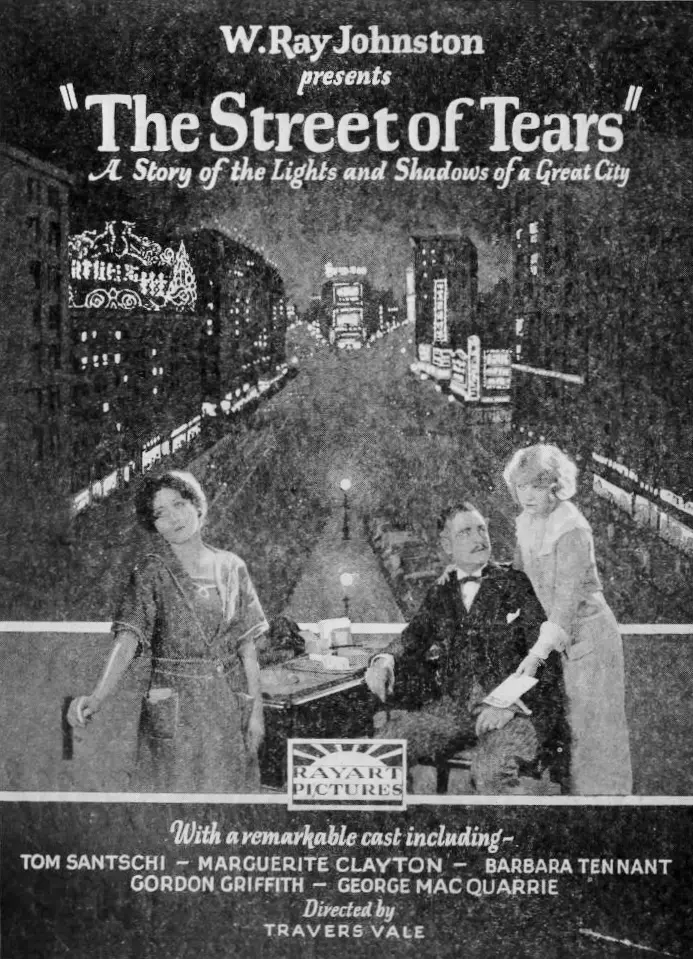
Stepping into the world of The Street of Tears is akin to unearthing a forgotten diary, its pages brittle with age yet brimming with raw, unvarnished emotion. This cinematic relic, a poignant testament to the power of early filmmaking, plunges viewers into the grim realities of urban existence, weaving a tapestry of love, betrayal, and unwavering resilience against a backdrop of societal indifference. It’s a film that demands empathy, not merely observation, as it meticulously constructs a universe where every shadow holds a secret and every cobblestone echoes with unspoken sorrows. The narrative, while adhering to the melodramatic conventions of its era, transcends mere sensationalism, offering instead a profound meditation on the human spirit’s capacity for both profound despair and extraordinary hope. It’s a compelling journey that resonates long after the final frame fades, cementing its place as a significant, albeit perhaps underappreciated, piece of cinematic history.
At its heart lies the formidable performance of Barbara Tennant as Lily Thorne, a character etched with a strength that belies her fragile circumstances. Tennant, with her expressive eyes and nuanced gestures, conveys a spectrum of emotions without uttering a single word, a true masterclass in silent acting. Her portrayal of Lily, a young woman burdened by familial duty yet fiercely protective of her younger sister, Clara (Charlotte Morgan), anchors the film's emotional core. Lily's toil in the cacophonous textile mill is not just a plot device; it’s a visceral depiction of the grinding poverty that defined countless lives during this period, a struggle that feels acutely real. The film doesn't shy away from the harshness, instead inviting us to witness the quiet dignity with which Lily confronts her daily battles. It is this authenticity, this refusal to sanitize the struggle, that elevates the film beyond a simple tearjerker into something more substantial.
The magnetic presence of George MacQuarrie as Jack "The Shadow" Donovan provides a compelling counterpoint to Tennant's stoicism. MacQuarrie imbues Jack with a brooding charisma, a dangerous allure that makes his entanglement with the city's criminal underworld both believable and tragically inevitable. His internal conflict – the pull between his genuine affection for Lily and his loyalty to the ruthless syndicate led by Tom Santschi's menacing Silas "The Serpent" Black – forms a central dramatic tension. Santschi, a veteran of villainous roles, delivers a performance of chilling effectiveness, his every glare and gesture radiating malevolence. The interplay between these three central figures creates a volatile emotional landscape, where love and danger are inextricably intertwined. One might draw parallels to the stark moral choices presented in films like The Lion and the Mouse, where individual integrity is tested against the corrupting influence of power, though The Street of Tears grounds its conflict in a far more gritty, urban reality.
The film’s portrayal of Clara, brought to life by Charlotte Morgan, serves as a poignant reminder of innocence lost. Morgan’s delicate portrayal captures Clara’s vulnerability and naive susceptibility, making her descent into Silas’s manipulative orbit all the more heartbreaking. It’s a stark illustration of how easily the unwary can be ensnared by the city’s darker elements, a theme explored with similar gravitas in contemporary works like Neglected Women, which similarly highlighted the precarious position of vulnerable individuals in unforgiving urban environments. The silent era, often characterized by its overt emotionalism, found its strength in these stark moral contrasts, allowing audiences to project their own fears and hopes onto the characters.
Adding layers of humanity to this grim narrative is Marguerite Clayton as Mrs. Albright, a benevolent former actress who runs a soup kitchen. Clayton’s performance, while perhaps less overtly dramatic than her co-stars, provides a much-needed beacon of compassion. Her character embodies the quiet acts of kindness that often go unnoticed but are vital for survival in such desolate surroundings. She represents the fragile thread of hope, the possibility of redemption that flickers even in the darkest corners. Her attempts to guide the sisters away from danger are a testament to the enduring power of empathy, a stark contrast to the predatory nature of Silas and his gang. This nuanced portrayal of a supporting character adds depth, preventing the film from becoming a relentless parade of misery.
The youthful perspective of Gordon Griffith as Billy, the orphaned newsboy, offers a unique lens through which to view the unfolding tragedy. Griffith, a remarkably expressive child actor for his time, observes the escalating drama with an innocent yet perceptive gaze, his reactions often mirroring the audience’s own growing apprehension. His presence serves as a poignant commentary on the cycle of poverty and the impact of adult choices on the next generation. One cannot help but think of other memorable child performances of the era, such as Jackie Coogan in My Boy, where the world is often viewed through the unvarnished eyes of youth, highlighting the stark realities that adults often try to obscure. Billy's role, though seemingly peripheral, is crucial in grounding the melodrama in a tangible sense of community and consequence.
While specific writers are not credited, the narrative structure and thematic richness suggest a keen understanding of popular sentiment and dramatic efficacy. The film’s creative team, whoever they may have been, crafted a story that speaks directly to universal fears and aspirations. The pacing, a crucial element in silent cinema, is masterfully handled, building tension gradually through expertly composed shots and judicious use of intertitles. The cinematography, though perhaps rudimentary by today’s standards, effectively uses light and shadow to evoke mood, transforming the city streets into characters in their own right. The rain-slicked cobblestones, the dimly lit alleyways, and the imposing factory facades all contribute to an atmosphere of pervasive gloom, broken only by fleeting moments of human connection.
The climax of The Street of Tears is a breathtaking display of cinematic prowess, culminating in a desperate chase that ratchets up the emotional stakes to an almost unbearable degree. When Jack attempts to sever ties with Silas, his actions inadvertently expose Clara to the full force of Silas’s vengeful wrath, setting off a chain of events that is both thrilling and deeply tragic. The final sequence, a frantic scramble through the urban labyrinth, is a masterclass in silent film action, where the physical peril is matched only by the emotional anguish of the characters. Loyalties are tested, sacrifices are made, and the true, devastating cost of love and survival is brutally exacted. This climactic intensity might even remind some viewers of the dramatic confrontations found in early serials like Fantomas: The Man in Black, where suspense and peril are paramount, though The Street of Tears grounds its thrills in deeply personal stakes rather than grand criminal conspiracies.
The film’s title itself, The Street of Tears, is not merely poetic; it’s a literal and metaphorical representation of the suffering endured by its inhabitants. It’s a place where dreams are shattered, innocence is lost, and the struggle for dignity is a constant, uphill battle. Yet, amidst the despair, there are glimmers of hope, moments of human connection that illuminate the darkness. This duality, this interplay between sorrow and fleeting joy, is what gives the film its enduring power. It’s a narrative that refuses easy answers, opting instead for a portrayal of life’s complexities, where triumphs are often bittersweet and even small victories come at a significant cost.
IMDb —
1918
Community
Log in to comment.