DbcultAccessing Vault...
Cult Review
Senior Film Conservator
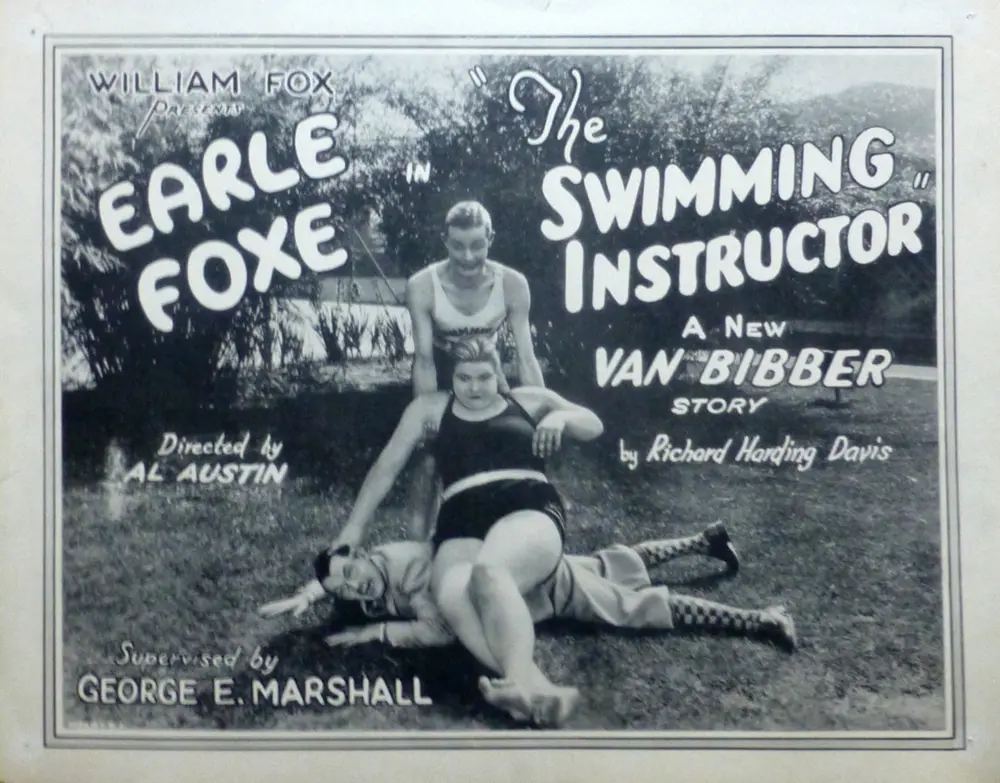
Is The Swimming Instructor, a relic from cinema's nascent years, worth your precious viewing hours today? Short answer: yes, but with significant caveats. This charming, if undeniably dated, silent film offers a fascinating glimpse into the comedic stylings and narrative simplicity of its era.
It's a film best suited for dedicated cinephiles, historians, and those with an appreciation for the foundational elements of storytelling on screen. If you're seeking fast-paced action, complex character arcs, or modern humor, this is definitively not for you. It demands patience and a willingness to engage with a different kind of cinematic language.
This film works because: It perfectly captures the innocent, physical humor that defined early silent comedies, offering a pure, unadulterated slice of cinematic history that is surprisingly endearing.
This film fails because: Its narrative is thin, relying heavily on situational gags that often feel repetitive, and its pacing can be a genuine challenge for contemporary audiences accustomed to more dynamic storytelling.
You should watch it if: You are a student of film history, a silent cinema enthusiast, or someone curious about the origins of screen comedy and character-driven slapstick without dialogue.
The Swimming Instructor, a film that predates the talkie revolution, arrives with a premise as straightforward as a plunge into a pool: a chance encounter, a heroic act, and an unexpected career shift. Van, our unassuming protagonist, stumbles into heroism by saving a woman from drowning. This single act catapults him into the role of a hotel swimming instructor and, subsequently, into a high-stakes race meant to represent his new boss. It's a classic setup for the everyman-turned-hero trope, filtered through the lens of early 20th-century filmmaking.
The film’s charm lies in its simplicity. There’s no grand conspiracy, no deep psychological drama. Instead, we are presented with a series of vignettes centered around Van’s new life, his clumsy attempts at teaching, and the inevitable comedic mishaps that ensue. The humor is broad, physical, and relies heavily on the actors’ expressions and exaggerated movements, a hallmark of the silent era.
The cast, featuring names like Hazel Howell, Jack Donovan, and Earle Foxe, navigate the demands of silent acting with varying degrees of success. Jack Donovan, as Van, carries the film with an earnest, slightly bewildered charm. His wide-eyed reactions to the absurdity around him are often the source of genuine smiles, even if they don't always elicit uproarious laughter from a modern audience.
Donovan’s portrayal is less about nuanced character development and more about physical presence. He embodies the 'accidental hero' archetype effectively, his movements often conveying more than any intertitle could. For example, his initial reluctance to embrace the swimming instructor role, shown through his slumped shoulders and hesitant gestures, is a subtle touch that humanizes the character amidst the broader slapstick.
The supporting cast, particularly Hazel Howell and Lynn Cowan, contribute to the film’s lighthearted tone, often playing the roles of the damsels or the foils to Van’s antics. Their performances, while not groundbreaking, are perfectly adequate for the film’s comedic ambitions. Madalynne Field, as the woman Van rescues, delivers a performance that, while brief, is memorable for its physical comedy, particularly in the drowning scene.
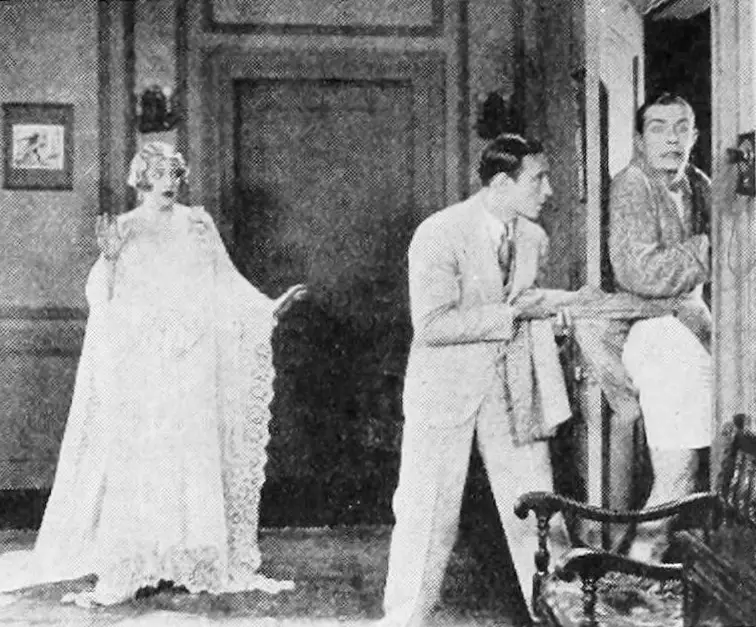
The direction, likely overseen by a collaborative effort given the era, prioritizes clarity and action. Sidney Lanfield and J. Walter Ruben, credited as writers, would have shaped the narrative flow, but the visual execution is where early cinema truly shines or falters. Here, it mostly shines in its straightforwardness. The camera is largely static, capturing scenes in wide shots that allow the physical comedy to unfold without distraction.
Cinematography, while basic by today’s standards, effectively serves the story. There are no elaborate tracking shots or complex lighting schemes. Instead, the focus is on clear visibility and ensuring the audience can follow the action. A notable sequence, the actual swimming race, manages to build a surprising amount of tension through clever editing and close-ups of the swimmers' determined faces, even if the 'action' itself is rudimentary compared to modern sports films.
One unconventional observation: the film’s portrayal of the 'fat woman' Van saves is surprisingly devoid of malice, a refreshing departure from some of the cruder caricatures found in other silent comedies. It’s a simple plot device, not a cruel joke, which speaks to a certain understated decency in its narrative approach.
The pacing of The Swimming Instructor is, to put it mildly, leisurely. This is a film that takes its time, allowing gags to unfold and characters to react without the urgency that modern audiences expect. For some, this deliberate pace will be a test of endurance; for others, it offers a meditative quality, a chance to slow down and appreciate the subtleties of a bygone era.
The tone is consistently light and good-natured. Even when Van faces challenges, there’s an underlying sense that everything will ultimately resolve itself. It’s a feel-good film, designed to provide simple escapism and a few chuckles. There’s no underlying darkness or complex thematic exploration; it’s pure, unadulterated comedic entertainment, a stark contrast to the dramatic weight of something like The Last Laugh from just a few years later.
Watching The Swimming Instructor today is an exercise in historical appreciation. It reminds us how far cinema has come, yet also how some fundamental elements of storytelling remain constant. The film’s reliance on physical comedy, exaggerated reactions, and intertitles to convey dialogue and plot points is a testament to the ingenuity of early filmmakers.
It works. But it’s flawed. The humor, while charming, is not universally hilarious by modern standards. Some gags feel protracted, and the narrative, while clear, lacks the intricate layers we’ve come to expect. Yet, there’s an undeniable purity to it, a directness that bypasses the need for complex dialogue or special effects. It’s cinema in its rawest, most fundamental form.
One could argue that the film’s greatest strength is its ability to transport you back to a time when moving pictures were still a novelty, when the sheer act of seeing a story unfold on screen was magical. It’s a window, not just into a story, but into an entire cultural moment. Consider it alongside other foundational works like A Doll's House (1922) to understand the breadth of silent film storytelling.
The Swimming Instructor is not a forgotten gem waiting to be rediscovered as a groundbreaking work of art. It is, however, a delightful and historically significant artifact that deserves its place in the archives of cinema. It’s a simple, earnest film that provides a clear window into the comedic sensibilities of the 1920s. While it won't be everyone's cup of tea, especially those accustomed to the rapid-fire editing and complex narratives of today, it offers a unique, tranquil viewing experience for the patient and the curious.
For those willing to adjust their expectations and embrace its anachronistic charm, The Swimming Instructor is a worthwhile endeavor. It’s a film that reminds us that even the most unassuming stories can hold a quiet power, a testament to the enduring appeal of the moving image. It’s a film about accidental heroism, simple pleasures, and the unexpected turns life can take. Give it a watch, not for its explosive drama, but for its gentle, unassuming heart. It’s a quaint journey, and sometimes, that’s precisely what one needs.
IMDb —
1919
Community
Log in to comment.