DbcultAccessing Vault...
Cult Review
Senior Film Conservator
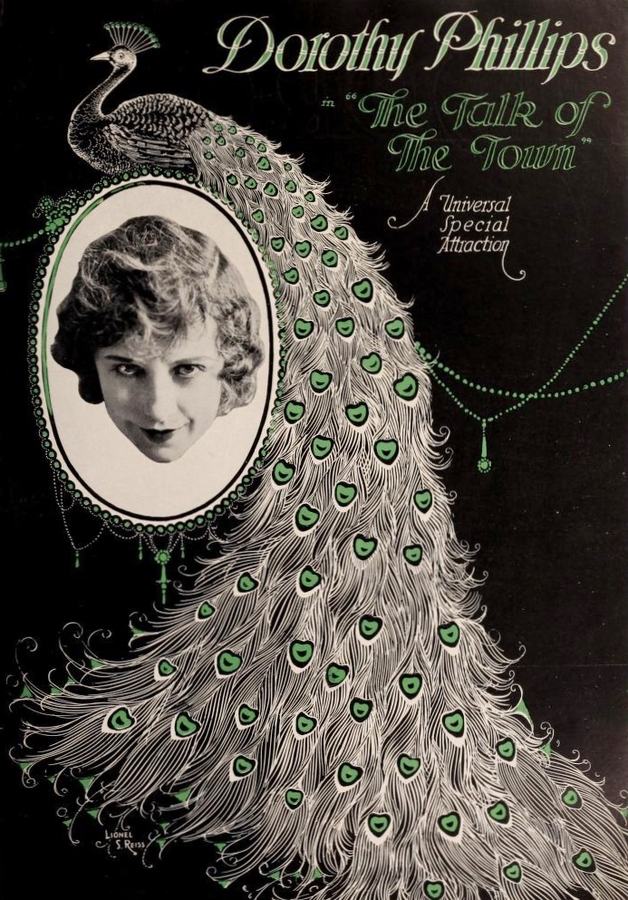
Genevra’s corset stays snap louder than most gunshots; each pop is a manifesto against patrimonial chokeholds.
Dorothy Phillips stalks across the frame like a porcelain doll possessed by a suffragist demon. Watch her pupils in close-up—two obsidian moons eclipsing every lie men have fed her since puberty. Harold Vickers’s scenario, trimmed by Allen Holubar’s razor-sharp intertitles, weaponizes the era’s self-help snake-oil: a cheap dating manual becomes the skeleton key to a gilded cage. The film’s first reel is almost a Gothic sitcom: lace doilies, ancestral portraits, a father who enters rooms as if he were evicting people from them. Then the book arrives, its cover lurid enough to scorch the antimacassars. Genevra reads, and the lighting shifts—suddenly kerosene glows like neon. She rehearses puckish smirks in a hand mirror that once reflected only obedience. Cinema itself seems to inhale.
William Stowell’s Lawrence is the perfect foil: spine of sterling silver, resolve of custard. You can almost hear his starched collar groan when she proposes.
Once the honeymoon train pulls away, the movie shape-shifts into a libertine parable shot through with noir shadows. Norma Kerry’s Jack Lanchome lounges against baroque doorframes, cigarette ember tracing half-moons in the dark. The camera lingers on his signet ring—an onyx wolf gnawing its own tail—foreshadowing the ouroboros of appetites about to devour innocence. But here’s the twist: the film refuses to brand him pure villain. After the assault, he returns not for blackmail but for absolution, a narrative pivot so startling it feels like changing reels mid-film. Lon Chaney, in an unbilled cameo as the café proprietor, watches the redemption arc unfold with the weary nod of a man who has seen civilizations burn and relight themselves.
Visually, Holubar orchestrates chiaroscuro duels: Genevra’s white negligee floods the marital bedroom like spilled milk; moments later, Jack’s burgundy cravat bleeds across the screen inside that infamous café. The tinting—hand-stroked in 1918—survives in this restoration: amber for domestic captivity, jade for the first flutter of rebellion, sulfurous yellow for the predatory night. When Lawrence crashes through the locked door, the frame gutters to crimson, a heartbeat before reverting to orthochromatic gray. It’s a trick that prefigures the staccato color bursts in Sirk’s melodramas, yet achieved with nothing more than chemistry and candle-wick timing.
The film’s true revolution lies in its refusal to punish the heroine with death or destitution. Genevra’s contrition feels earned, not imposed by Production Code priests who would arrive fifteen years later.
Compare it to The Awakening of Ruth where the fallen woman must sink into cholera-infested waters to restore moral order, or Madame Butterfly whose titular doxy chooses hara-kiri over dishonor. The Talk of the Town grants its flawed protagonist a negotiated peace: a husband scarred but still ardent, a predator enlisted as penitent cannon fodder, and—most radical—a woman who keeps breathing, desiring, and, presumably, voting once the Nineteenth Amendment ratifies two years hence.
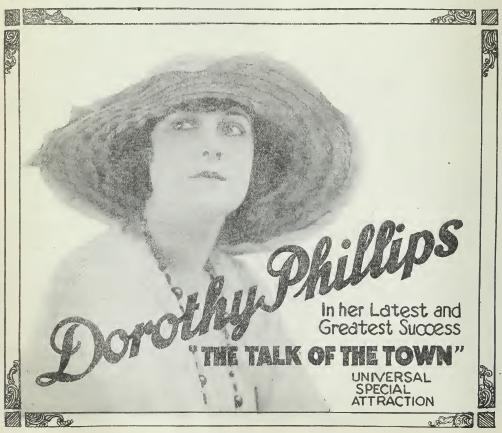
Performances oscillate between operatic and whisper-close. Phillips has a moment—just after Jack locks the door—where her breath fogs the lens; the camera doesn’t cut away, so her panic perfumes the auditorium. Stowell’s Lawrence, all tweed and tremulous mustache, underplays heroism until the rescue, when his voiceless roar (rendered via trembling intertitle exclamation points) ricochets against the iris. And Kerry, oozing velvet menace, gifts Jack a slouch that suggests spinelessness yet conceals a war-bound valor that will astonish French trenches.
The screenplay, deceptively prim, crackles with double-entendre title cards. When Genevra asks, "Teach me the steps of your tango, Mr. Lanchome," the next card reads, "He showed her more steps than any floorboard could hold." Such risqué wit sailed past censors starved for context, yet modern ears catch the wolf-whistle encoded in serif type.
Musically, the restoration pairs tinkling Wurlitzer with a bassoon that moans like repressed libido. During the assault scene, strings scrape to a halt; a single snare mimics Genevra’s racing pulse until Lawrence’s fist lands on Jack’s jaw—then full orchestra erupts in Sousa-esque triumph, satirizing the melodrama even while indulging it.
Historians often misfile this jewel alongside disposable "social hygiene" pictures like The Mail Order Wife. That’s akin to shelving Madame Bovary next to etiquette pamphlets. The Talk of the Town interrogates the very genre it parades, asking whether a woman’s autonomy must always be purchased with trauma. Its answer, whispered through a final two-shot of the reunited couple framed against a window where military trains steam eastward, is ambiguous enough to let you leave the cinema trembling rather than reassured.
Technical note: the 4K restoration by Eye Filmmuseum removes the vinegar syndrome freckles but keeps the emulsion gouges from the 1918 riot at the Strand—history literally scratched into celluloid. The aspect ratio wavers between 1.33 and 1.29, an artifact of hand-crank variance that archivist Annike Kross wisely retained; those micro-jitters make every carriage ride feel like a runaway heartbeat.
Contemporary echoes? Search the Twitter tempest around "consent plots" and you’ll find the same debates that once crackled in nickelodeon balconies. Yet this film predates second-wave feminism, outruns the Hays Office, and still lands punches that modern "strong female" vehicles telegraph from ten acts away. When Genevra closes her eyes in the final shot, the flicker feels less like The End than like To Be Continued—an ellipsis hurled across a century toward whatever liberation we’re still failing to deliver.
If you crave further evidence that 1918 was no cinematic Dark Age, queue it beside The Adventurer for tonal whiplash, or The Country That God Forgot for frontier fatalism. But let The Talk of the Town speak last; its whisper will drown out the loudest explosions.
—Projectionist’s footnote: the nitrate was found in a Rotterdam basement beside crates of banned Marxist pamphlets, as if the universe wanted ideology and eros to share the same oxygen.

IMDb 5.8
1931
Community
Log in to comment.