DbcultAccessing Vault...
Cult Review
Senior Film Conservator
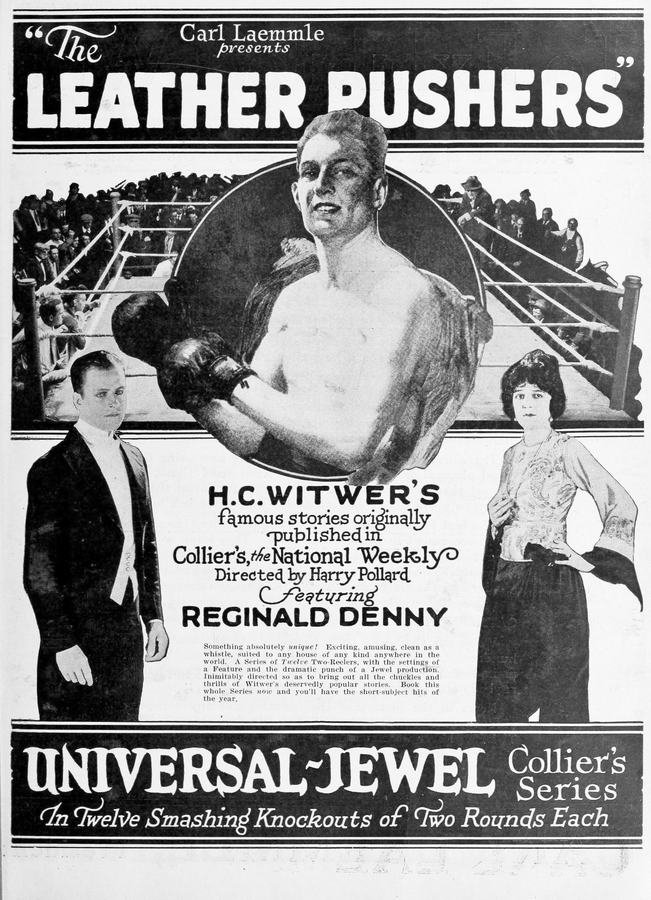
There are films you watch; then there are films that climb into the ring, spit resin on the canvas, and dare you to blink. The Taming of the Shrewd—Harry A. Pollard’s 1923 nickelodeon uppercut—belongs to the latter tribe, even if history has tried to relegate it to the dustbin of ‘programmers.’
Shot on the sly in the French Quarter’s crumbling back-lots, this tight 58-minute fever dream distills prizefight mythology into pure nitrate adrenaline. Norma Shearer, months away from Irving Thalberg’s grooming, plays the bookie’s moll with a flapper’s insolence; her kohl-smudged gaze slices every frame she haunts. Opposite her, Hayden Stevenson’s Kid Roberts is less a boxer than a coiled archetype—sinew, sweat, and spiritual vendetta wrapped in a shabby silk robe.
Silent cinema rarely gets credit for kinetic verisimilitude, yet Pollard’s camera—bungee-corded to a makeshift crane—dips and weaves like a seasoned cut-man. When the preliminary free-for-all detonates, stools splinter, chiaroscuro bulbs swing, and the audience’s shadows mutate into a baying hydra. You can practically taste the iron tang of split lips.
Compare it to the maritime gloom of The Sea Panther or the society-page venom of Dropped Into Scandal and you’ll notice Pollard’s refusal to genuflect before drawing-room morality. His New Orleans is a humid moral vacuum: every alley a roulette wheel, every handshake a potential shiv.
The abduction sequence—Roberts gagged beneath a moth-eaten quilt—plays like a sacrament of cruelty. Cinematographer Hal Mohr (uncredited but unmistakable) bathes the room in burnt umber, letting shadows crawl up the walls like gospel serpents. It’s the same visual lexicon he’d later bring to Appearance of Evil, only here it’s leaner, meaner, hungry.
Then comes the escape: a staccato montage of fraying sisal, a janitor’s misplaced chisel, and the distant thud of gloved fists on flesh—an orchestra of desperation. Pollard cross-cuts between Roberts’ Houdini-like contortions and the staged mayhem in the ring, letting temporal tension coil until it snaps in a single close-up: Roberts’ pupils dilating the instant he realizes the bout is still salvageable.
What follows is cinema’s most economical redemption arc. No training montage, no mentor’s homily—just pure, unfiltered vengeance wearing boxing shoes. When the arena lights die at the pre-arranged cue, Pollard doesn’t cheat with day-for-night filters; instead he floods the screen with near-total darkness, save for the phosphorescent blur of Roberts’ torso, a ghostly marionette dodging fate. The effect is hallucinatory, predating the expressionist alleyways of The Scarlet Crystal by a full year.
And the knockout punch—good Lord, the punch. Executed in a single undercranked take, it detonates with such savage velocity that the opponent’s trajectory seems dictated by Newton’s ghost. The ropes vibrate like harp strings; the crowd’s roar materializes as intertitle expletives (“CRACK!” “OUT!”) superimposed over the falling body. In that instant, the film transcends its sports-melodrama shackles and becomes a primal hymn to agency reclaimed.
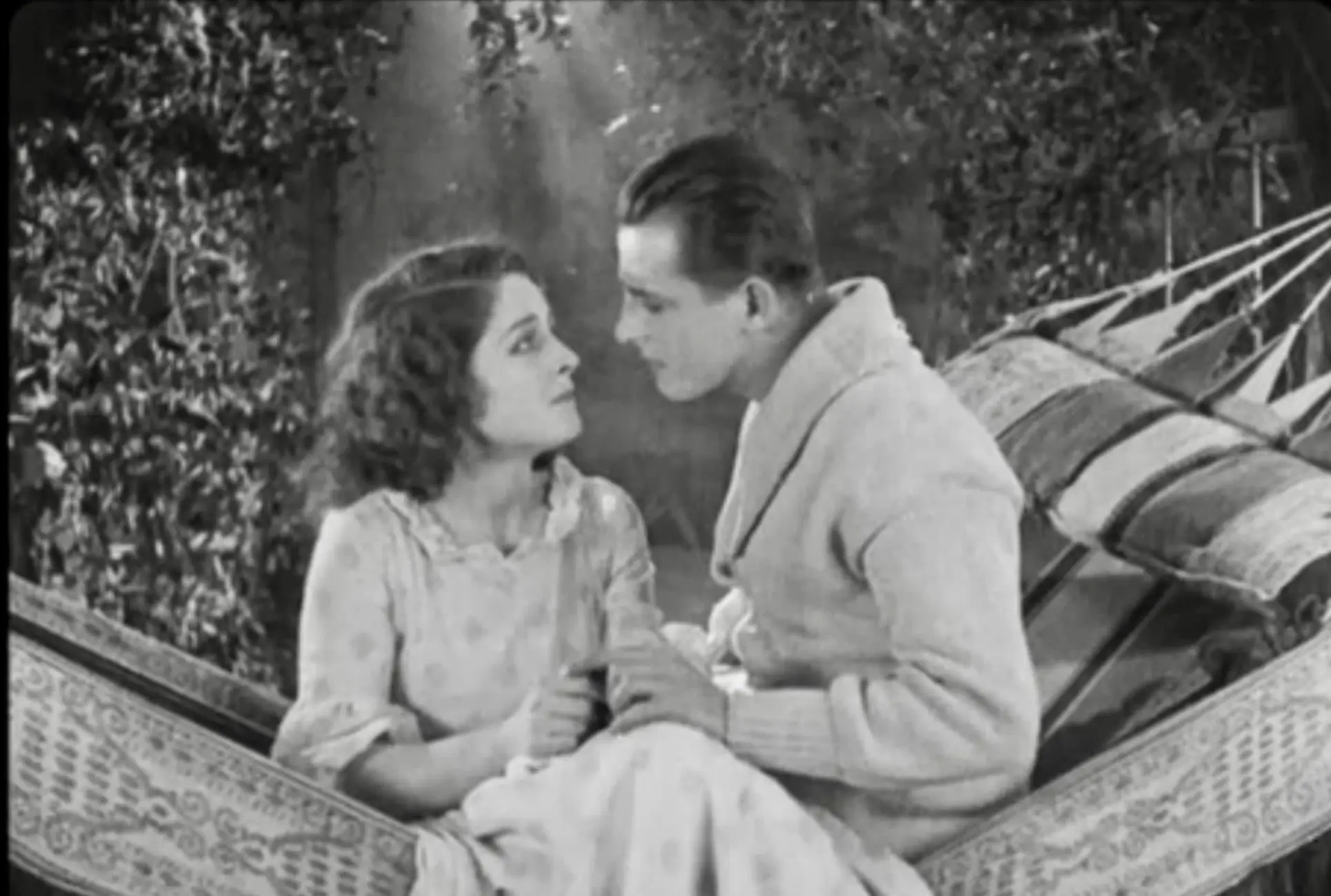
Norma Shearer’s role—ostensibly the vamp who sets the trap—gets shortchanged in screen minutes yet magnetizes every second. Her final shot, watching Roberts raise the crooked promoter’s cash like a scalp, is a masterclass in micro-acting: a half-smile, a blink, and the faintest tightening of gloved fingers. It’s the same pre-code electricity she’d weaponize in La dame aux camélias a decade later.
Compare the film’s moral calculus to the campus shenanigans of School Days or the pastoral farce of Mary's Lamb, and you’ll appreciate how Pollard refuses to coddle. The universe here is transactional: loyalty is a commodity, love a hedge bet. When Roberts wins, he doesn’t reform the system; he merely beats it into temporary submission. The lingering shot of a gambler sweeping blood-flecked dollars off the canvas whispers that tomorrow’s fix is already in the works.
Musically, the surviving 16mm print (rescued from a shuttered Vermont church in ’87) carries improvised accompaniment—piano, trap set, and a lone cornet—that syncs so perfectly with the on-screen cadence you’d swear it was composed synchronously. During the blackout round, the cornet holds a bruised blue note until Roberts lands the kill-shot, then resolves into a strutting ragtime flourish. It’s a spine-tingling reminder that silent exhibition was never silent; it was communal alchemy.
Faults? Sure. The ethnic comic relief (a stock Irish bruiser named O’Toole) hasn’t aged like rye in oak; some title cards drip with the period’s casual xenophobia. Yet even that caricature is framed with Brechtian detachment—Pollard lets the camera linger a beat too long on O’Toole’s bloodied grin, implicating the audience in its own appetite for stereotype.
Contemporary critics, high on Chaplin’s pathos or Fairbanks’ swash, dismissed the picture as a “boxing potboiler.” They missed the point: Shrewd is a stealth manifesto about self-authorship. Bound, humiliated, and betrayed, Roberts rewrites his script with knuckles rather than pens. In an era when studio narratives herded audiences toward moral clarity, Pollard served up a gumbo of ambiguity and let the viewers choke on the bones.
Archivists sometimes double-bill it with The Courageous Coward to highlight Reginald Denny’s range—here he’s the silk-scarved fixer, all reptilian charm. The juxtaposition illuminates how quickly early Hollywood could pivot an actor from urbane cad to shell-shocked grunt, depending on box-office weather.
So why resurrect this grimy slice of nitrate now? Because modern fight films—bloated with training-circuit clichés and sponsor-friendly heroism—rarely grant us the messy catharsis Pollard delivers before your coffee cools. The Taming of the Shrewd doesn’t ask you to cheer; it demands you feel the rope burn, taste the rust, and acknowledge that sometimes the only clean exit is through someone else’s jaw.
Stream it if you can track the MoMA restoration. Watch it loud—invite the cornet ghost into your living room. Let the bulbs flicker, let the crowd roar, and when that final punch lands, ask yourself: if the lights cut out on your own bout, would you find the exit, or swing wild in the dark?
IMDb —
1927
Community
Log in to comment.