DbcultAccessing Vault...
Cult Review
Senior Film Conservator
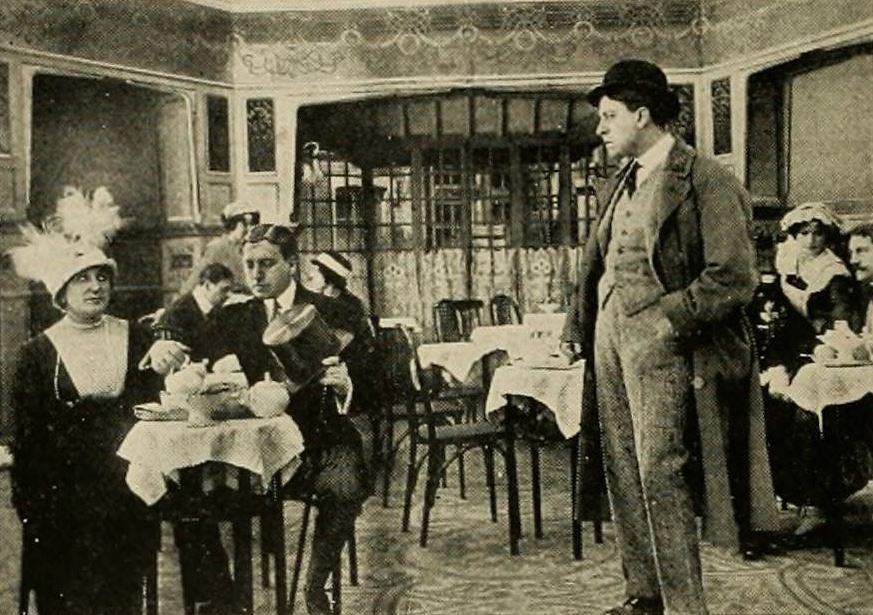
Imagine, if you will, a cathedral-quiet cinema in 1923: velvet drapes breathe with nicotine, the projector’s carbon arc spears dust motes like flecks of gold. Onto that trembling rectangle floods The Tempting of Justice, a film whose very title clangs with biblical resonance yet whispers the secular complexities of a stock-ticker. What unfurls is less a moral fable than a chiaroscuro triptych: privilege’s bacchanal, love’s annunciation, and the judicial Golgotha where blood-right must kneel to civic covenant.
We open on Andre Delvaux, a man who treats life as an endless cabaret—his tailcoat pockets sagging with IOUs, his morals as creased as the morning-after tuxedo shirt. The inciting letter—demanding the princely sum of $20,000—isn’t merely a creditor’s bark; it is the first crack in the gilded façade of American aristocracy after the Great War, a fiscal memento mori delivered by post. Confronted with insolvency, Andre eyes Irene not as Beatrice but as a life-preserver forged in gold leaf. Yet the moment he glimpses her—half-profile haloed by chandeliers—capitalist calculus dissolves into something perilously close to grace.
Cue the second movement: renunciation. Andre casts off Clarice, who lounges in peacock feathers and predatory languor, the living embodiment of The Pit’s voracious laissez-faire appetite. Clarice’s vengeance—anonymously mailing the judge proof of Andre’s debts—recalls Iago’s whispered poison, yet her machinations are rooted in the more pragmatic terror of lost upkeep. The judge’s response is swift: dissolve the engagement, dispatch the prodigal to colonial Africa, a landscape as morally blank as the Australian outback in Caloola, allowing Andre to inscribe his own saga with rifle, spade, and penitent sweat.
The third panel is pure Hitchcock-before-Hitchcock: identity transference, forged handwriting, a burglary staged under the ghost-light of a single candle. Santell’s impersonation evokes Edmond Dantès’ calculated masquerade, only inverted—here the absence of the hero enables the villainy. A monogrammed letter, dropped like a calling card, becomes both clue and curse, dragging the judge toward that most agonizing of crucibles: condemn the phantom-son he believes guilty, or perjure the bench that is his true progeny.
Director Wilfred Noy—British émigré with a background in Gothic chillers—renders each reel as if painting in tenebrist oils. Note the sequence where Irene first perceives Santell (masquerading as Andre) in the hallway: Noy double-exposes the image so that Irene’s silhouette bleeds into the wallpaper’s damask, suggesting her very identity is being absorbed by deception. Shadows stretch like spilled ink; candlelight quivers on the knife-edge of moral collapse. The effect anticipates the Germanic hallucinations of The Bells, yet remains tethered to American melodrama’s beating heart.
Andre—played with mercurial bravado by an actor whose name history has cruelly moth-eaten—navigates a metamorphosis from flaneur to penitent pioneer. His body language in the early scenes is all languid wrists and cigarette flourishes; by the African montage he stands ramrod straight, sun-scorched, a visual palimpsest of colonial grit. The performance invites comparison to Beating Back’s redemptive arc, yet Andre’s salvation is less muscular swagger than moral re-coding.
Irene embodies the transitional 1920s woman: equal parts Gibson-girl grace and flapper candor. In the burglary scene she wields a revolver with trembling authority, her eyes skittering between terror and resolve—a gestural shorthand for the decade’s collision of Victorian damsels and modernity.
And then there is Clarice, a serpentine delight who deserves a throne beside cinema’s great femmes fatales. Every smirk is calibrated, every tear a weaponized pearl. She doesn’t merely wish to retain her sugar-daddy; she seeks to orchestrate the collapse of a juridical dynasty, making her a proto-noir over-reacher hauntingly akin to Leah Kleschna.
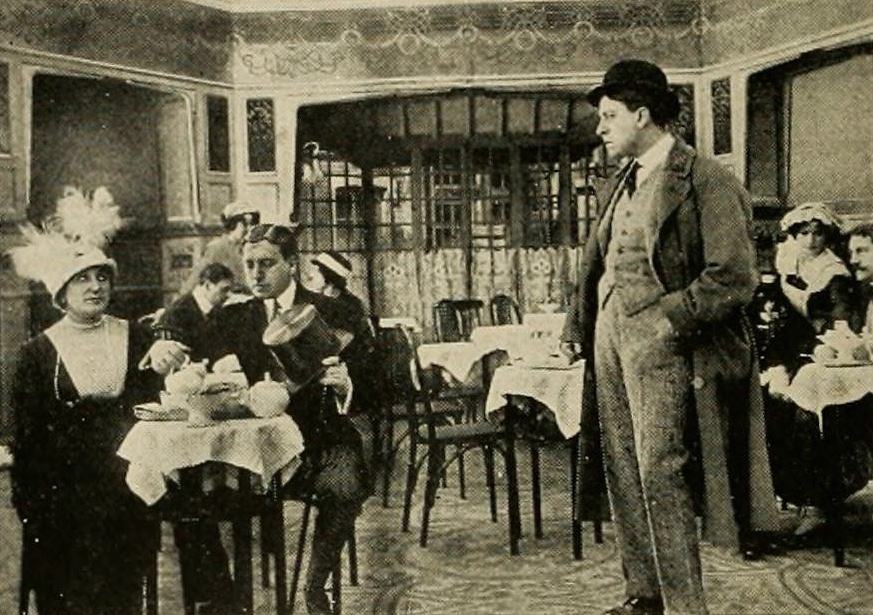
Africa here is less geography than purgatorial forge—a trope Hollywood would recycle ad nauseam. Yet Noy complicates the palette: native workers share the frame, their faces half-lit, suggesting a world beyond the protagonist’s ego. Andre’s letter, arriving like deus-ex-steamer-trunk, is not merely narrative convenience; it is the film’s affirmation that penance must be externalized into labor, contagion, and the specter of mortality before redemption can be internalized back into society.
The film’s ethical fulcrum rests on the judge’s quill. When he orders the arrest, the camera lingers on his hand—trembling, vein-ridged—as if the very act of signing might flay the dermis from his bones. Here the movie transcends potboiler and becomes an American crucifixion narrative akin to Brother Against Brother, where civic duty demands the sacrifice of kin. The courtroom’s final applause—colleagues congratulating the magistrate on his steadfastness—rings with ironical chill: society celebrates the very agony it would never dare shoulder itself.
Notice how every transaction in the film is mediated through writing: promissory notes, forged letters, telegrams, arrest warrants. Women may not hold the purse strings—this is 1923—but they manipulate the texts that circulate capital. Clarice weaponizes epistolary form; Irene’s key (to both house and, metaphorically, vault) becomes a token of agency. The film whispers an early feminist caveat: patriarchy controls liquidity, but narrative can be commandeered by those relegated to the margins.
Fans of Cameo Kirby will recognize the riverboat machismo and debts-of-honor tension, yet Tempting swaps Mississippi bravado for East-coast opulence. Likewise, The Man on the Box toys with disguise and social ridicule, but its comedic aftertaste is absent here; Noy prefers the bitter almond of high-stakes tragedy.
Most prints of The Tempting of Justice were lost in the 1937 Fox vault blaze, making extant copies a cinephile’s holy grail. The restored 4K edition—cobbled from a Czechoslovakian distribution negative discovered in 1998—bears scorch marks along the left edge, scars that eerily echo the film’s own theme of survival through conflagration. The tinting alternates between amber for interiors and viridian for exteriors, a convention that restorationists preserved rather than corrected, allowing viewers to taste the period palate.
Modern screenings often commission new scores. I recommend a minimalist approach—solo cello with sporadic vibraphone—to underscore the moral tinnitus that haunts each character. Anything grander risks drowning the film’s most potent effect: the vacuum where conscience and consequence orbit like binary stars.
Because we still live in an age where lineage, lucre, and likes congeal into a facsimile of identity. Because a judge’s signature still wields the power to unmake blood. Because love, when stripped of transactional veneer, can both bankrupt and redeem us. The Tempting of Justice is not a relic; it is a gauntlet hurled across a century, daring us to sign our own warrant of integrity—knowing full well the hand that signs may also bleed.
—Reviewed by Celluloid Seraph, 2024
IMDb —
1921
Community
Log in to comment.