DbcultAccessing Vault...
Cult Review
Senior Film Conservator
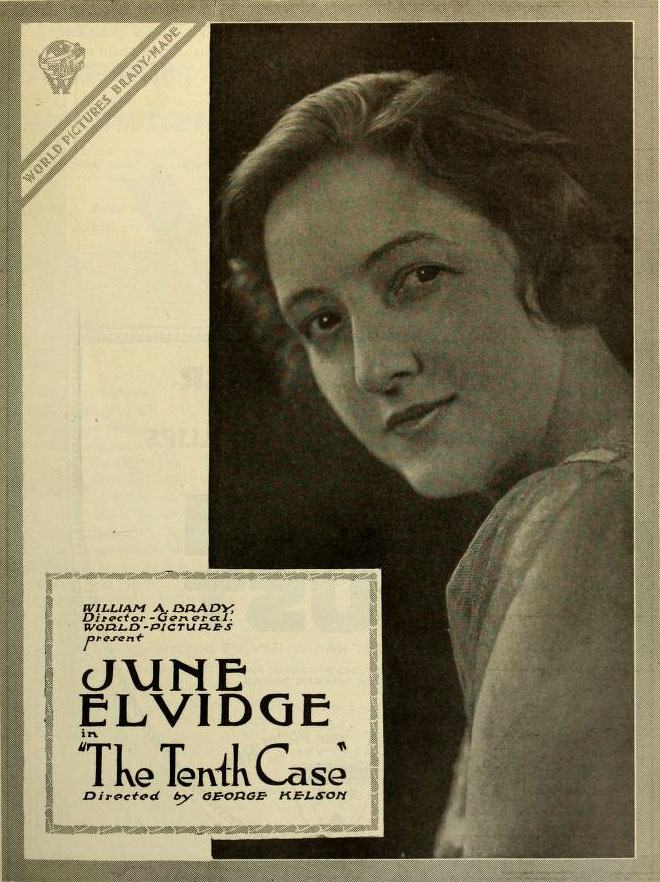
Ah, the silent era! A time when emotions were writ large on the screen, when the subtlety of a glance or the dramatic sweep of a gesture conveyed more than a thousand words ever could. It's within this rich, expressive landscape that we find The Tenth Case, a film that, despite its age, still resonates with themes that are profoundly human and eternally relevant. This isn't merely a quaint relic from a bygone cinematic age; it's a potent exploration of sacrifice, betrayal, the treacherous nature of appearances, and the relentless pursuit of justice.
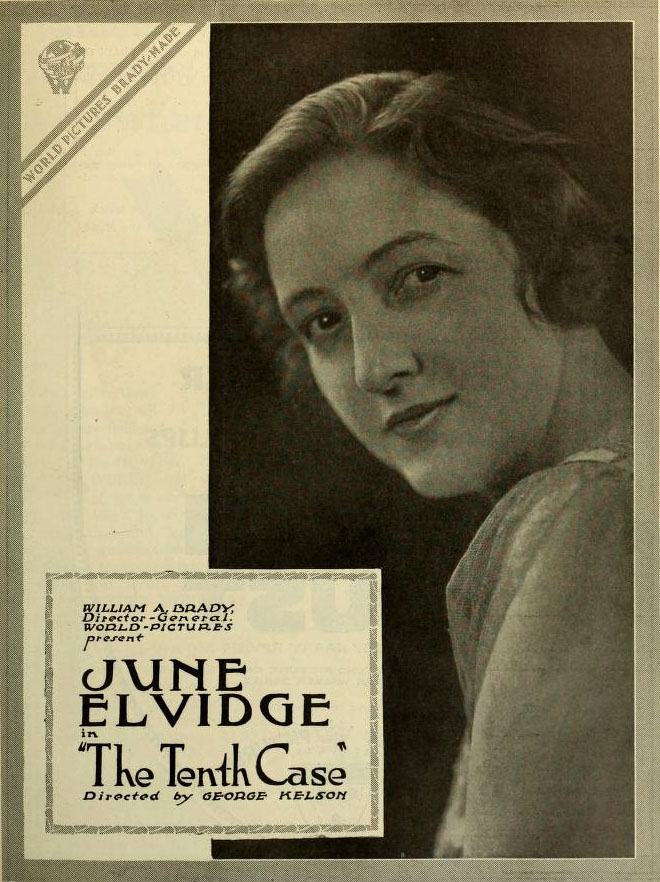
At its core, The Tenth Case is a narrative steeped in the moral complexities of its time, presenting a protagonist, Claudia Peyton, whose journey is fraught with excruciating choices. June Elvidge delivers a performance, even in its silent grandeur, that must have captivated audiences, embodying Claudia's unwavering filial loyalty. We witness her initial life of privilege, a gilded cage maintained by her father, John, portrayed by George MacQuarrie, whose worldly affectations and financial recklessness—specifically, his lavish support of Laura Brandon (Eloise Clement) and disastrous forays into the stock market—threaten to shatter their comfortable existence. The film wastes no time in establishing the dire stakes: destitution looms large, a specter that forces Claudia to make an agonizing decision.
Claudia's heart, we learn, belongs to Sanford King, a young attorney and a loyal family friend, brought to life by John Bowers. Their burgeoning romance, however, is swiftly eclipsed by the cold, hard realities of financial exigency. When the wealthy widower Jerome Landis, played by Eric Mayne, proposes, Claudia initially refuses, her spirit recoiling from a union devoid of genuine affection. Yet, the specter of her father's ruin, his stark declaration that they face pauperdom without immediate financial intervention, compels her to a heartbreaking capitulation. This moment, an emotional pivot point, sees Claudia accepting Landis's proposal, sacrificing her personal happiness on the altar of familial duty. This theme of a woman forced into a marriage for economic survival echoes through cinematic history, finding parallels in films like Help Wanted, where financial desperation dictates personal choices, or even the more romanticized but still economically driven unions seen in period dramas.
The newlywed bliss, however, is disturbingly short-lived. Enter Harry Landis, Jerome's nephew, portrayed by Gladden James, a character whose moral compass is conspicuously absent. His entanglement with Laura Brandon, the very woman who contributed to John Peyton's downfall, sets in motion a sinister chain of events. While Claudia and Jerome embark on their honeymoon, Harry finds himself ensnared in Laura's manipulative 'toils,' a euphemism for a relationship built on exploitation. This web of deceit quickly extends to Jerome, as Harry, emboldened by his illicit liaison, brazenly demands money from his uncle. When Jerome, perhaps wisely, refuses, Harry retaliates with a venomous accusation, blaming Jerome's 'butterfly wife'—Claudia—for his uncle's perceived stinginess, suggesting she married him solely for his fortune. This insidious seed of doubt, planted in Jerome's mind, begins to fester, setting the stage for tragic misunderstandings.
Claudia, blissfully unaware of Harry's true motives or his connection to Laura, and driven by an inherent sense of generosity and perhaps a misdirected sense of obligation given her new wealth, begins to provide Harry with financial assistance from her substantial $25,000 wedding gift. This act of kindness, however, is tragically misinterpreted. Jerome, observing Claudia handing Harry a check, sees not generosity but confirmation of Harry's earlier calumny and perhaps even a deeper, more illicit connection. The irony is palpable; Claudia's efforts to be benevolent only serve to deepen the chasm of suspicion between her and her husband. The subsequent birth of her son, a moment that should have solidified their bond, instead becomes another point of contention as Harry continues to bleed Claudia for money. Her eventual refusal to give him another cent, a desperate attempt to assert control over her finances and perhaps her life, is met with Harry's ominous promise of regret. This foreshadowing hangs heavy in the air, a dark cloud gathering over Claudia's already tumultuous existence.
The conspiracy takes a truly villainous turn when Laura learns of Claudia's ultimatum to Harry. Together, they concoct a diabolical 'frame-up.' The execution of this plan is chilling in its simplicity and devastating in its efficacy. One night, as Claudia's back is turned, Harry furtively slips into her room, concealing himself behind a screen. When Claudia retires, her husband Jerome returns home, only to discover Harry in 'compromising attire.' The scene, though silent, is powerfully suggestive of infidelity, leaving Jerome no room for doubt. The visual language of silent film, relying heavily on dramatic staging and the audience's interpretation, makes this moment particularly impactful. The immediate consequence is devastating: Claudia seeks refuge with her aunt, and divorce proceedings are initiated, her reputation irrevocably stained by the weight of damning circumstantial evidence. The film, at this juncture, delves into themes reminiscent of The Scales of Justice, where the legal system becomes a battleground for truth and perception.
Sanford King, ever the loyal advocate, steps forward to take charge of Claudia's legal interests. His unwavering belief in her innocence stands in stark contrast to the prevailing judgment of society and the court. The courtroom scenes, though perhaps lacking the verbal sparring of modern legal dramas, would have relied on intense close-ups, dramatic gestures, and intertitles to convey the tension and gravity of the proceedings. As the case draws to a close, the judge delivers a statement that seals Claudia's fate: "In nine out of ten cases of circumstantial evidence like this, those concerned are guilty." This pronouncement, delivered with the weight of judicial authority, leaves Claudia and Sanford in despair. The following day, the judge is set to hand down his decision, and the outlook is grim. The narrative here brilliantly highlights the inherent dangers and biases within a justice system reliant on appearances, a theme explored in countless legal dramas, but given a unique poignancy in the silent era's stark portrayal.
Facing almost certain condemnation, Claudia reveals a desperate, high-stakes plan to Sanford. It's a moment of audacious courage, a woman pushed to the brink who refuses to succumb to injustice without a fight. Their nocturnal visit to Judge Wallace's home is a stroke of narrative brilliance, a daring gambit that elevates the film beyond a simple melodrama. While Claudia waits, Sanford surreptitiously slips upstairs, setting the stage for their audacious plan. Claudia's frantic plea to the judge's wife for intercession, and subsequently to the judge himself, falls on deaf ears; the legal process, it seems, is impervious to emotional appeals. This scene underscores the cold, impersonal nature of the law, even as it sets up the dramatic reversal to come.
The climax of this audacious plan unfolds when the judge, having dismissed Claudia, retires to his wife's bedroom. A vase of flowers falls, a seemingly innocuous event that triggers the judge to fire his weapon. And then, from behind the curtains, steps Sanford, coat and collar off, replicating the very scenario that condemned Claudia. The judge's disbelief, his wife's protests of innocence, and his own dawning suspicion are portrayed with masterful silent film acting, each gesture and facial expression conveying profound shock and confusion. Sanford's explanation is the film's defining moment, its titular revelation: "Circumstantial evidence, your honor, may be right in nine cases out of ten, but this, too, is the tenth case." This line, delivered with a quiet power, is a philosophical challenge to the very foundation of judicial certainty. It's a compelling argument for the inherent fallibility of human judgment when based solely on appearances, a concept that resonates deeply with the enduring power of films like The Victory of Virtue, which often hinged on moral vindication against overwhelming odds.
The impact of Sanford's demonstration is immediate and profound. The judge, confronted with his own potential for error, is forced to reconsider. The following day, his decision grants Jerome the divorce, acknowledging the legal reality of the situation, but significantly, grants Claudia custody of her child for half of the year. This partial victory, a testament to her innocence in the eyes of the court, is a bittersweet outcome. Sanford, once again, professes his love for Claudia, but she, burdened by the public stigma, cannot yet contemplate marriage. Her character arc here is particularly poignant, highlighting the lasting damage that false accusations can inflict, even when one's innocence is eventually recognized.
The narrative, however, is not yet complete. In a climactic twist of poetic justice, Harry Landis and Laura Brandon, the architects of Claudia's misery, meet their end in a tragic 'joy-ride.' Their machine, perhaps a metaphor for their reckless lives, becomes unmanageable, plummeting over a cliff. Laura dies instantly, a swift and brutal reckoning for her villainy. Harry, however, is granted a final, agonizing moment to confess his frame-up to the bystanders. This deathbed confession serves as the ultimate vindication for Claudia, a public unveiling of the truth that no court could fully provide. Jerome Landis, witnessing this dramatic unraveling of deceit, finally comprehends the terrible wrong he has inflicted upon Claudia. His subsequent visit to her, a suppliant seeking forgiveness, closes the loop of his character arc, transforming him from a prideful, easily manipulated husband into a man humbled by truth. Claudia, with a grace born of suffering, forgives him, offering a powerful message of compassion and resilience. The film, penned by Robert Hull, masterfully weaves these threads of drama and consequence, ensuring that justice, though delayed, is ultimately served, albeit at a great personal cost.
The performances, particularly from June Elvidge as Claudia, must have been central to the film's emotional impact. Her ability to convey profound sorrow, resolute determination, and ultimately, a quiet strength, without uttering a single word, is the essence of silent film acting. John Bowers, as Sanford, provides the steadfast moral anchor, his loyalty a comforting presence amidst the treachery. Eric Mayne's portrayal of Jerome Landis would have required a nuanced transition from a man of authority to one consumed by suspicion, and finally, to one humbled by remorse. Gladden James and Eloise Clement, as the conniving Harry and Laura, would have needed to exude a palpable villainy, their actions driving the plot's darkest turns. Charles Dungan, as the judge, carries the weight of judicial authority, making his eventual enlightenment all the more impactful.
The Tenth Case, while a product of its time, transcends its historical context through its universal themes. It is a stark reminder of the fragile nature of reputation, the devastating power of gossip and deceit, and the inherent flaws in systems that rely too heavily on superficial evidence. The film’s dramatic climax, the 'tenth case' demonstration, is a powerful cinematic device that challenges the audience, much like the judge, to look beyond the obvious and question the very nature of truth. It's a narrative that, even without spoken dialogue, communicates volumes about human nature, justice, and the enduring hope for vindication.
In an era where films like The Governor might have explored political intrigue, or Drugged Waters delved into social issues, The Tenth Case stands out for its focused exploration of personal injustice and legal drama. It's a testament to the storytelling prowess of the silent film era, proving that compelling narratives and profound emotional resonance do not require spoken words. For those interested in the foundational elements of legal thrillers and character-driven dramas, this film, even if experienced through synopses and stills, offers a rich historical perspective on cinematic narrative development. It reminds us that sometimes, the most profound truths are found not in the obvious nine, but in the challenging, illuminating tenth case.
IMDb 5.7
1915
Community
Log in to comment.