DbcultAccessing Vault...
Cult Review
Senior Film Conservator
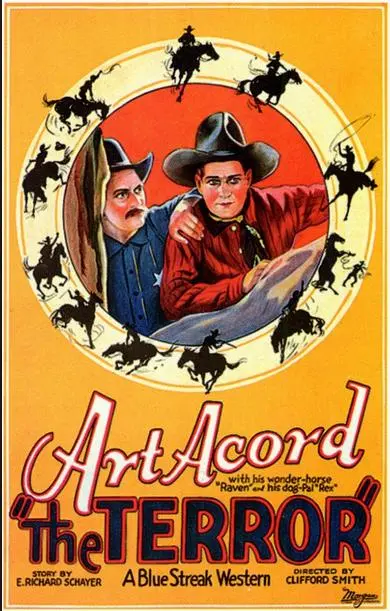
Short answer: Yes, but it requires a keen eye for silent film charm and the willingness to experience a film that predates many modern cinematic techniques.
This film is perfect for aficionados of early Westerns, those interested in the silent film era, and lovers of character-driven narratives. However, it’s not for the casual viewer expecting a polished, contemporary Western. Prepare for a journey through a simpler, less complex storytelling style.
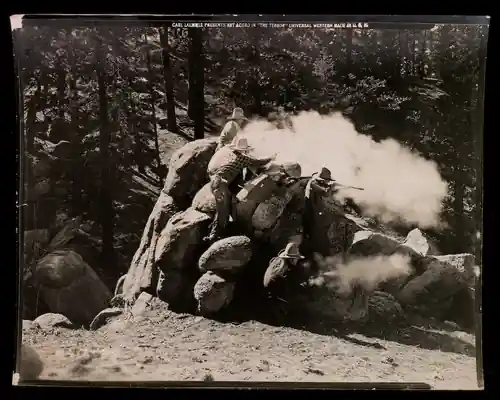
The Terror (1926) works primarily because of its engaging cast and the compelling story that unfolds. The chemistry between the characters, especially the dynamic between Art Downs and Molly, adds depth to the narrative. The film’s ability to balance suspense, romance, and action makes it a compelling watch.
The film’s pacing can feel a bit slow at times, particularly in its quieter scenes. The storytelling, while effective, lacks the nuance and sophistication of modern storytelling techniques. The film’s reliance on exposition over subtext can sometimes feel redundant and less engaging.
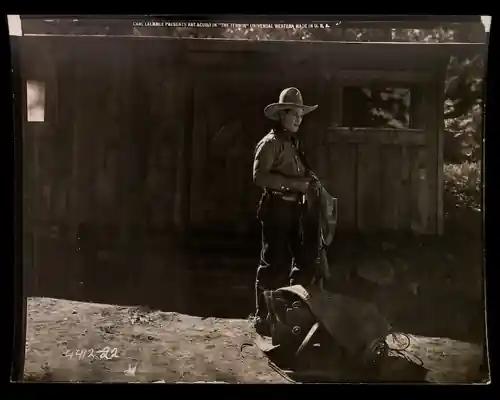
You should watch it if you’re a fan of early Westerns and silent films, or if you’re intrigued by the art of storytelling in its most basic form. It’s also worth considering if you’re looking for a film that offers a slice of history through its visual and narrative techniques.
The performances, especially from Velma Connor as Molly Mortin and Hank Bell as Pop Morton, are nuanced and engaging. Connor’s portrayal of Molly is particularly strong, conveying a mix of vulnerability and strength. The supporting cast, including Raven the Horse and Jess Deffenbach, contribute to the film’s authenticity and charm.
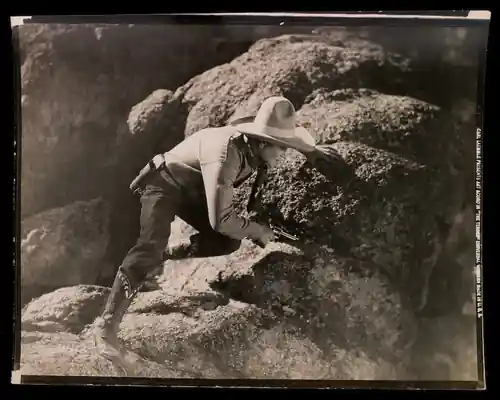
Richard Schayer’s direction is straightforward but effective. The film’s use of intertitles and the way characters are introduced through dialogue and action are hallmarks of the silent film era. The direction balances the film’s narrative and visual storytelling, making it a compelling watch despite the limitations of the era.
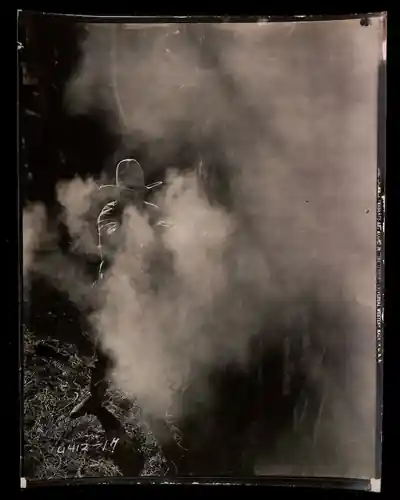
The cinematography in The Terror is remarkable, with its ability to capture the vast landscapes of Texas and Arizona. The film’s use of natural light and the contrast between day and night scenes adds depth and atmosphere. The horseback riding sequences, particularly when Art rescues Molly, are thrilling and well-executed.
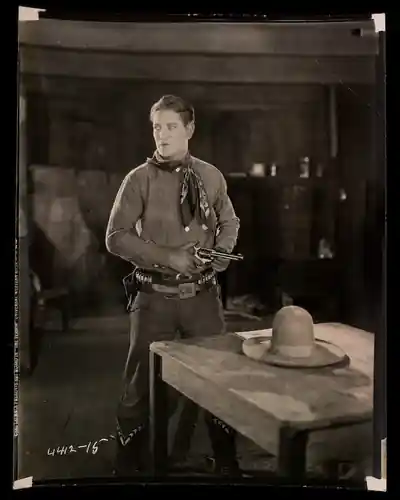
The pacing of the film is deliberate, which can be both a strength and a weakness. While the slow build-up of tension and the gradual unfolding of the narrative work well, the film can sometimes feel drawn out. The film’s climax, however, is a welcome change of pace, with a mix of action and romance that keeps the audience engaged.
The film’s tone is a blend of suspense, romance, and action. The tension builds gradually, and the film’s romantic elements add depth to the narrative. The film’s use of music, although minimal, contributes to the overall atmosphere, creating a sense of foreboding and excitement.
Is The Terror (1926) worth a watch today? Yes, for those interested in the silent film era and classic Westerns, but it’s not for the casual viewer or those expecting modern storytelling techniques. This film offers a unique glimpse into the art of early filmmaking and is a must-watch for fans of the genre.
It works. But it’s flawed. The Terror (1926) is a captivating film that offers a unique glimpse into the silent film era and is a must-watch for fans of early Westerns. Its strengths lie in its engaging cast, compelling story, and captivating cinematography, but its pacing and reliance on the conventions of the era can sometimes feel limiting. Ultimately, it’s a film that requires a keen eye for historical cinema and the willingness to experience a different kind of storytelling.
IMDb 6.8
1933
Community
Log in to comment.