DbcultAccessing Vault...
Cult Review
Senior Film Conservator
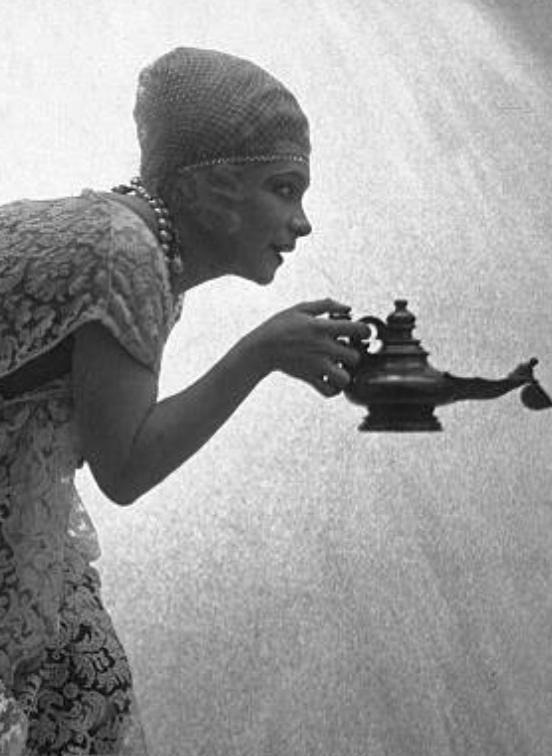
A nitrate ghost resurrected from the ashes of a bombed-out Neukölln vault, Der zeugende Tod arrives like a blood transfusion from a century-old syringe: cold, thick, and weirdly electrifying. Viewers primed for tidy morality plays should retreat; this is German Expressionism’s id unchained, a film that treats immortality not as gift but as promissory note written in gangrene ink.
Director-writer duo Heinz Sarnow and Emil Pirchan (the latter doubling as the film’s cadaverous apothecary) conjure a Berlin that feels excavated rather than built—brickwork drips like wet ash, streetlamps flicker Morse code to the dead. The plot, nominally about a potion that pauses the grave, mutates into a séance where the living are the accidental summoners of their own absence.
Forget the jagged cardboard sets of Caligari; here the world itself seems to decompose in real time. Cinematographer Friedrich Weinmann (uncredited yet identifiable by his signature sodium-starved palette) coats every frame in a nicotine varnish. Hallways bend with the sick languor of wet cardboard, while windows gasp open like mouths mid-scream. The elixir—rendered via hand-tinted amber bubbles swirling atop a silver bath—glows with the same infernal warmth you spot in medieval manuscripts warning of alchemy’s price.
Compare this to the pastoral surrealism of Wisp o’ the Woods or the courtroom chiaroscuro of Brottmålsdomaren; those films flirt with mortality. Der zeugende Tod marries it, honeymoons in a charnel house, then slits its own throat on the wedding night.
Though mute by technical decree, the film’s intertitles function like bites of broken glass. Sarnow’s text cards arrive irregularly, sometimes mid-blink, often superimposed over the very action they describe, creating a double-exposure of dread. The phrase „Der Tod ist der den Zeugenden schaut“ (“Death is the witness who procreates”) recurs with the obsessive insistence of a child counting heartbeats. Each reappearance is typeset in a slightly different font—Gothic, then Fraktur, finally dissolving into illegible smears—mirroring the characters’ erasure of self.
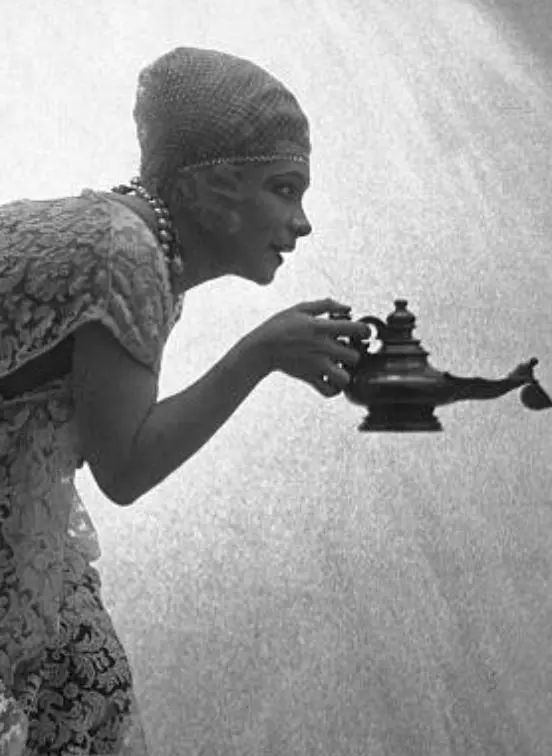
Contemporary critics compared the effect to The Reckoning, yet that film’s moral ledger ultimately balances. Here, the arithmetic of existence collapses into a negative number.
What makes Der zeugende Tod crawl under the skin is its thesis that eternal life is not prolonged youth but prolonged rot. The potion’s side effects manifest like tertiary syphilis: skin mottles into parchment, joints calcify into grotesque marionette hinges, and time distorts—clocks melt Dali-style decades before Dalí dreams it. One patron tries to sever his own shadow with a surgeon’s scalpel; another attempts to bribe death with a child’s marble. The film suggests that the terror of living forever is not boredom but intimacy with decay, a realization that transforms the immortal into a connoisseur of putrefaction.
If you crave a comparative palette, consider The Love Light’s redemptive arc or La course du flambeau’s humanist spark—both cushion mortality with sentiment. Sarnow rips the cushion away, exposing the coil.
For decades, Der zeugende Tod survived only in rumor: a banned print torched by Weimar censors who feared its nihilism would inflame post-war nihilism (yes, the paradox is delicious). Then, in 1998, a Portuguese asylum’s attic yielded a 67-minute condensation, spliced with Portuguese intertitles and water-stained like a sailor’s journal. Digital restoration tinted the elixir scenes with arsenic-green flickers; the resulting Blu-ray, released by Monochrome Phantasma, allows modern viewers to feel the same toxic shiver Berliners felt in 1919.
Film-school syllabi now slot it between Caligari and Nosferatu, yet its DNA splinters everywhere: in the pharmacological horror of Re-Animator, the bureaucratic damnation of Brazil, even the cosmic indifference of Annihilation. When Oscar-winning production designers cite "German decay chic," they unknowingly genuflect before Pirchan’s crumbling drawing rooms.
To watch Der zeugende Tod is to swallow its own elixir: you emerge alive yet tainted, conscious that every extra minute of existence is borrowed from a ledger whose collector is patient beyond measure. The film refuses catharsis; the final intertitle—white letters on black—reads: „Du bist nun der Zeuge“ (“You are now the witness”). The screen fades, but the afterimage lingers like a bruise on the retina. Seek it out, but expect no comfort; immortality, after all, is only another word for prolonged farewell.
IMDb 6
1927
Community
Log in to comment.