DbcultAccessing Vault...
5/10
Senior Film Conservator
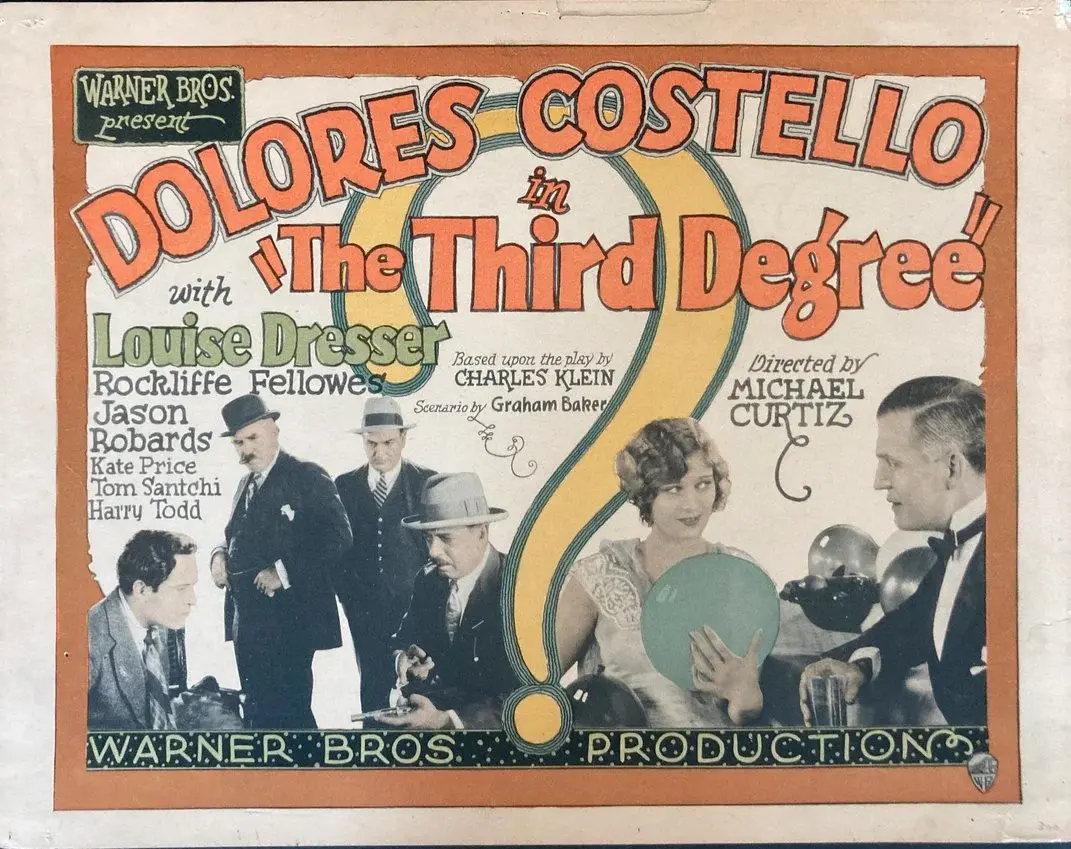
A definitive 5/10 rating for a film that redefined the boundaries of cult cinema. The Third Degree remains a cornerstone of transgressive art.
Is 'The Third Degree' worth watching today? Short answer: absolutely, if you appreciate the raw emotional power of silent cinema. This film is a compelling watch for enthusiasts of early Hollywood melodrama and those fascinated by the evolution of cinematic storytelling, particularly its exploration of moral ambiguity and familial bonds. However, it might not be for viewers accustomed to modern pacing or those who struggle with the conventions of silent acting, which can feel overtly theatrical to contemporary eyes.
This film works because of its unflinching emotional intensity, anchored by a powerhouse performance from Louise Dresser. It dares to explore complex moral questions within a melodramatic framework, offering a surprisingly nuanced look at sacrifice and guilt for its era. The narrative twists, while dramatic, feel earned within the heightened reality of the story, keeping the audience engaged through its 90-minute runtime.
This film fails because some of its melodramatic excesses occasionally tip into the overblown, particularly in certain supporting character reactions that lack the subtlety of its leads. The pacing, while generally effective, has moments where the narrative propulsion slows, and the sheer number of coincidences stretches credulity even for a silent film. Certain character motivations, especially those of Jeffries Sr., feel somewhat underdeveloped, serving primarily as convenient plot devices rather than fully realized characters.
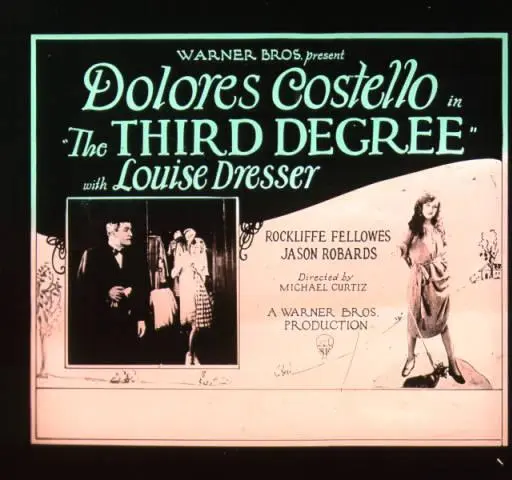
You should watch it if you are a fan of silent cinema, appreciate robust performances from early Hollywood stars, or enjoy a compelling, character-driven melodrama that tackles themes of betrayal, atonement, and the enduring strength of family. It's a valuable historical artifact that still delivers a profound emotional punch.
Michael Curtiz's 1926 silent drama, The Third Degree, unfurls a narrative steeped in the kind of operatic tragedy and moral complexity that defined the era's best melodramas. At its core is the catastrophic ripple effect of a singular, selfish act: Alicia's desertion of her child and husband for a new love. This isn't merely a plot point; it's the genesis of a generational curse, a shadow that clings to her daughter, Annie, for fifteen years.
The film masterfully sets up a domino effect of consequences. Annie, now a spirited trapeze artist, finds herself entangled in a class-crossed romance with Howard Jeffries, whose wealthy parents embody the rigid social hierarchies of the time. The narrative's true stroke of dramatic irony arrives when Howard's father, desperate to sever the relationship, unwittingly hires Underwood – the very man who destroyed Alicia's first family – to sabotage the young couple. This convergence of past and present, villain and victim, is where the film truly begins to hum with tension.
The plot accelerates into a whirlwind of manipulation, misunderstanding, and ultimately, murder. Underwood, a character whose villainy is both charming and utterly ruthless, pushes Alicia to her breaking point. His death, an act of desperate self-preservation by Alicia, plunges the story into its most gripping phase: the titular 'third degree' interrogation. This sequence is a harrowing depiction of coercive justice, where the truth is less important than a convenient confession. Howard, innocent yet cornered, becomes its victim.
What elevates the plot beyond mere sensationalism is its exploration of sacrifice. Annie, recognizing her mother's desperate situation, attempts to take the blame, a profoundly moving act of filial devotion. Alicia's subsequent confession, driven by a mother's love and a lifetime of guilt, provides the emotional crescendo. This isn't just a story about crime and punishment; it's a profound meditation on how past choices haunt the present, and how love, in its purest form, can compel the most extraordinary acts of selflessness. It’s a messy, beautiful, devastating piece of storytelling.
The emotional weight of The Third Degree rests squarely on the shoulders of its cast, and they deliver performances that transcend the inherent theatricality of silent cinema. Louise Dresser as Alicia is nothing short of magnificent. Her portrayal of a woman consumed by regret, yet capable of fierce love, is the film's beating heart. From her youthful, impulsive desertion to her haunted older self, Dresser conveys Alicia's internal torment with remarkable clarity. Her confession scene, devoid of dialogue, is a masterclass in silent acting, her eyes conveying volumes of pain, fear, and finally, a liberating surrender to truth. It is a performance that rivals any of the era, truly.
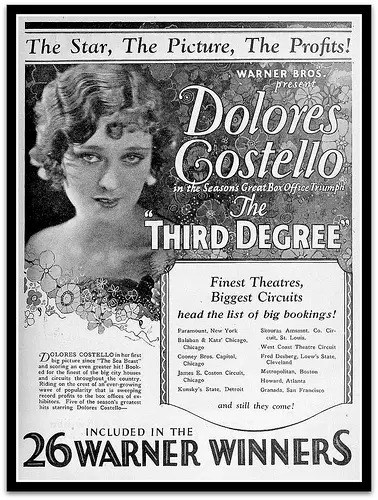
A young Myrna Loy, in one of her earlier roles as Annie, showcases a nascent star power that hints at her future versatility. While not yet the sophisticated comedic presence she would become in films like The Thin Man, Loy imbues Annie with a compelling blend of innocence, strength, and unwavering loyalty. Her scenes of distress and her desperate attempt to claim guilt for her mother are genuinely affecting, demonstrating an emotional range that elevates her beyond a mere ingenue. It’s fascinating to see the seeds of her iconic career being sown here, long before her definitive roles.
Jason Robards Sr. as Howard Jeffries effectively portrays the naive, honorable young man caught in a nightmare. His confusion and despair during the 'third degree' sequence are palpable, making his false confession a believable, if tragic, outcome of psychological pressure. Rockliffe Fellowes as Underwood is equally compelling, crafting a villain who is both charmingly insidious and utterly despicable. He commands the screen with a predatory grace, making his eventual demise feel both earned and dramatically impactful. The ensemble's commitment to these larger-than-life characters ensures that the film's melodrama never feels cheap, but rather, deeply felt.
Michael Curtiz, a director known for his prolific career and later iconic works like Casablanca, demonstrates a keen understanding of visual storytelling in The Third Degree. His direction here is robust, ensuring the film's often complex emotional beats land with precision. Curtiz navigates the narrative's numerous twists and turns with a confident hand, maintaining a palpable sense of tension throughout. He understands the power of the close-up, frequently employing it to magnify the raw emotions etched on his actors' faces, particularly during moments of crisis and confession.
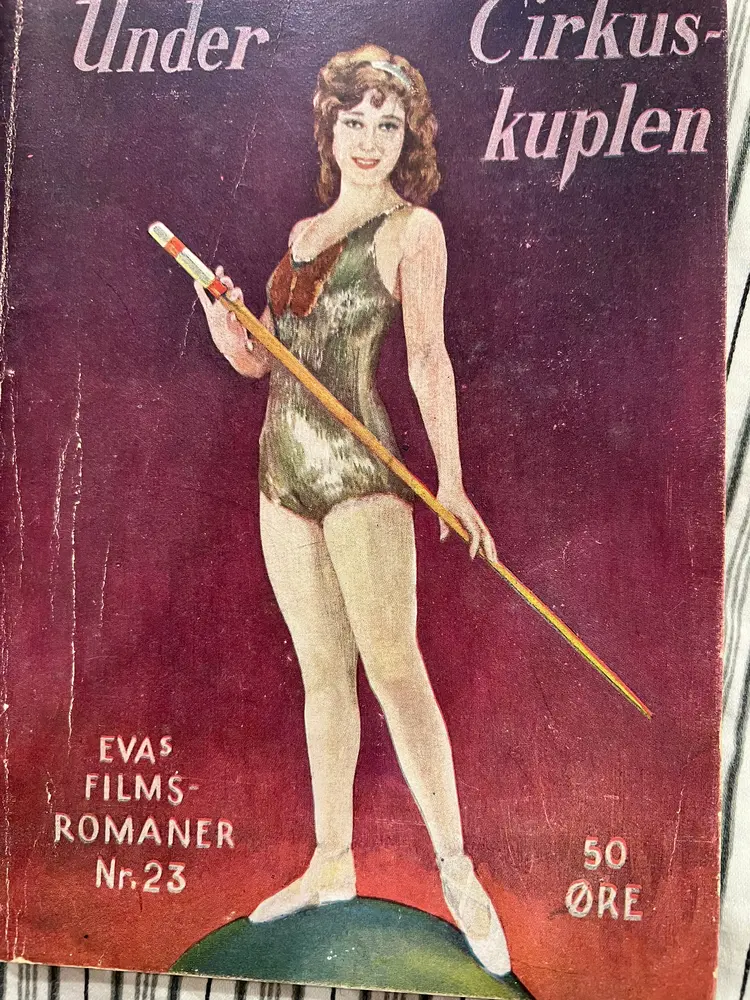
The cinematography, while not groundbreaking for its era, is highly effective in establishing mood and atmosphere. The opening circus scenes are vibrant and dynamic, contrasting sharply with the more somber, claustrophobic settings of the Jeffries' mansion and the police station. The use of shadows and stark lighting during the 'third degree' sequence amplifies the psychological torment endured by Howard, creating an almost proto-noir aesthetic that feels ahead of its time. This visual contrast between the spectacle of the circus and the grim reality of the courtroom underscores the film's thematic exploration of illusion versus truth.
Pacing is another strong suit. Despite its melodramatic premise, the film rarely drags. Curtiz maintains a brisk momentum, particularly in the latter half, where the narrative hurtles towards its dramatic conclusion. The editing builds suspense effectively, cutting between the various characters and their unfolding dilemmas to create a sense of urgency. While some transitions might feel abrupt to a modern audience, they largely serve to propel the story forward, keeping viewers invested in the fate of its characters. The film's tone oscillates between high drama and genuine pathos, a testament to Curtiz's ability to balance spectacle with sincere emotion.
Is 'The Third Degree' still relevant in modern cinema? Absolutely, for several compelling reasons.
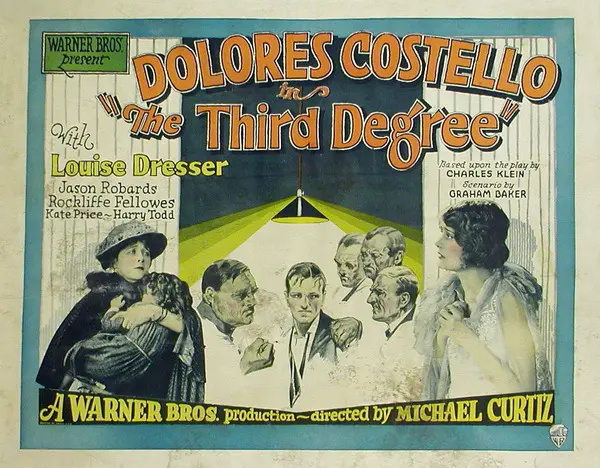
It offers a fascinating glimpse into the evolution of cinematic storytelling. Its themes of guilt, sacrifice, and the search for redemption are timeless. The performances, especially Louise Dresser's, remain powerful and resonant. It demonstrates how effective silent films could be in conveying complex human emotions without spoken dialogue. For film historians and enthusiasts, it's a valuable piece of cinematic history. For casual viewers, it's a surprisingly engaging drama. However, its silent film conventions may be a barrier for some. It demands a willingness to engage with a different mode of storytelling. The melodrama, while effective, might feel excessive to those accustomed to more subtle contemporary narratives. Yet, its core human drama transcends these stylistic differences, offering a rich viewing experience.
The film's exploration of injustice and the psychological pressure of interrogation, though presented through the lens of early Hollywood, still echoes in contemporary thrillers and legal dramas. The idea of a 'third degree' — intense, coercive questioning — remains a potent and often debated aspect of justice systems even today. Moreover, the raw emotionality, the sheer scale of the human drama, is something that modern cinema can sometimes shy away from, preferring cynicism or realism over overt sentiment. The Third Degree embraces its emotionality, and in doing so, finds a universal resonance.
At its heart, The Third Degree is a profound meditation on the enduring weight of guilt and the arduous journey towards redemption. Alicia's initial act of desertion isn't just a plot device; it's a moral transgression that casts a long, inescapable shadow over her life and, cruelly, over her daughter's. The film meticulously tracks the psychological toll of this guilt, evident in Alicia's haunted eyes and her eventual, desperate actions. It's a powerful argument that some choices, no matter how distant, are never truly left behind.
The narrative also delves deeply into the theme of sacrifice, particularly in the context of familial love. Annie's willingness to confess to a crime she didn't commit, purely to protect her mother, is a poignant testament to the unconditional nature of a child's love. This act is mirrored, in a more complex way, by Alicia's ultimate decision to confess, sacrificing her freedom for her daughter's future. These acts of selflessness, born out of profound love and regret, elevate the film beyond simple melodrama into something more akin to Greek tragedy, where fate and character intertwine with devastating consequences. It works. But it’s flawed.
Forgiveness, both self-forgiveness and the forgiveness from others, is another crucial undercurrent. While not explicitly stated, the film's resolution suggests a path towards healing, a recognition that even the most egregious errors can be atoned for, and that love can bridge the widest chasms of betrayal. The society depicted is unforgiving, exemplified by the rigid Jeffries Sr. and the brutal justice system, yet within the family unit, a different kind of justice, one rooted in empathy and understanding, ultimately prevails. It's an unconventional observation for a film of its time, daring to suggest that moral absolution can come from within, and from love, rather than solely from external judgment.
While The Third Degree certainly bears the hallmarks of its silent era origins, including moments of heightened theatricality, it is far more than a mere historical curiosity. It is a potent, emotionally charged drama that dissects the enduring consequences of human choices with remarkable insight. Louise Dresser's performance alone is worth the price of admission, a masterclass in conveying profound emotion without a single spoken word. Curtiz’s direction ensures the narrative, though complex, maintains a compelling grip, guiding us through a labyrinth of betrayal, sacrifice, and an ultimate, hard-won redemption. This film stands as a testament to the power of early cinema to tackle weighty themes and deliver genuine pathos. It’s a compelling, often heartbreaking experience that proves silent films can still speak volumes to a modern audience. Don't let its age deter you; this is a film that demands to be seen, appreciated, and remembered for its raw, humanistic power.
IMDb 7
1923
Community
Log in to comment.