DbcultAccessing Vault...
6/10
Senior Film Conservator
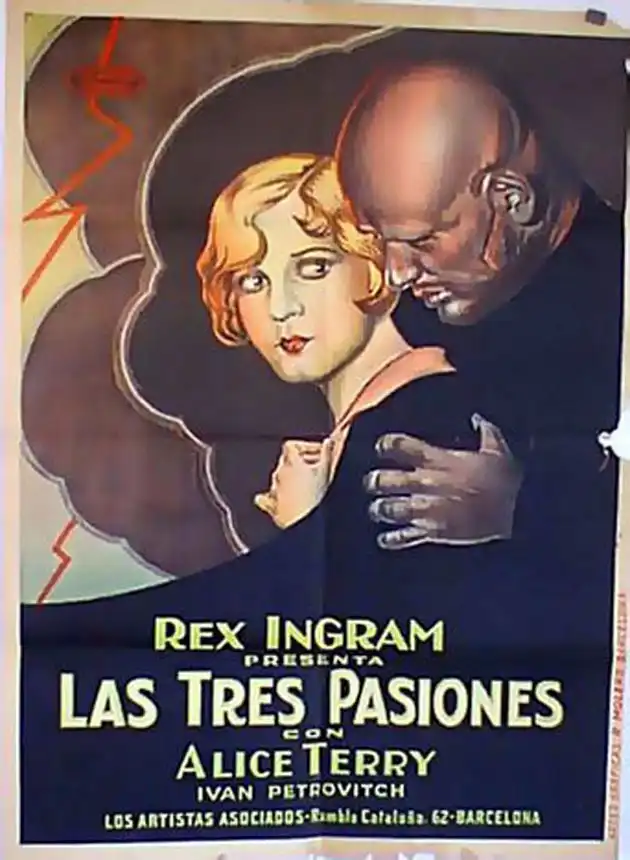
A definitive 6/10 rating for a film that redefined the boundaries of cult cinema. The Three Passions remains a cornerstone of transgressive art.
If you are coming to The Three Passions (1928) expecting a propulsive narrative about labor rights or a searing romance, you will likely find yourself checking the clock by the second act. However, if you are the type of viewer who can be sustained by pure pictorial beauty—the kind of high-contrast, deep-focus cinematography that defined the late silent era—then Rex Ingram’s penultimate silent film is essential viewing. It is a film that looks like a million dollars and moves like a glacier.

Is it worth watching today? Only for the specialists. It is for those who appreciate the evolution of visual storytelling and the specific, moody aesthetic of the Victorine Studios in Nice. It is decidedly not for anyone who lacks patience for the broad, moralizing allegories that were already starting to feel a bit dusty by the late 1920s. If you enjoyed the atmospheric weight of The Triumph of the Rat, you’ll find a similar commitment to style here, though Ingram’s eye is arguably more sophisticated.
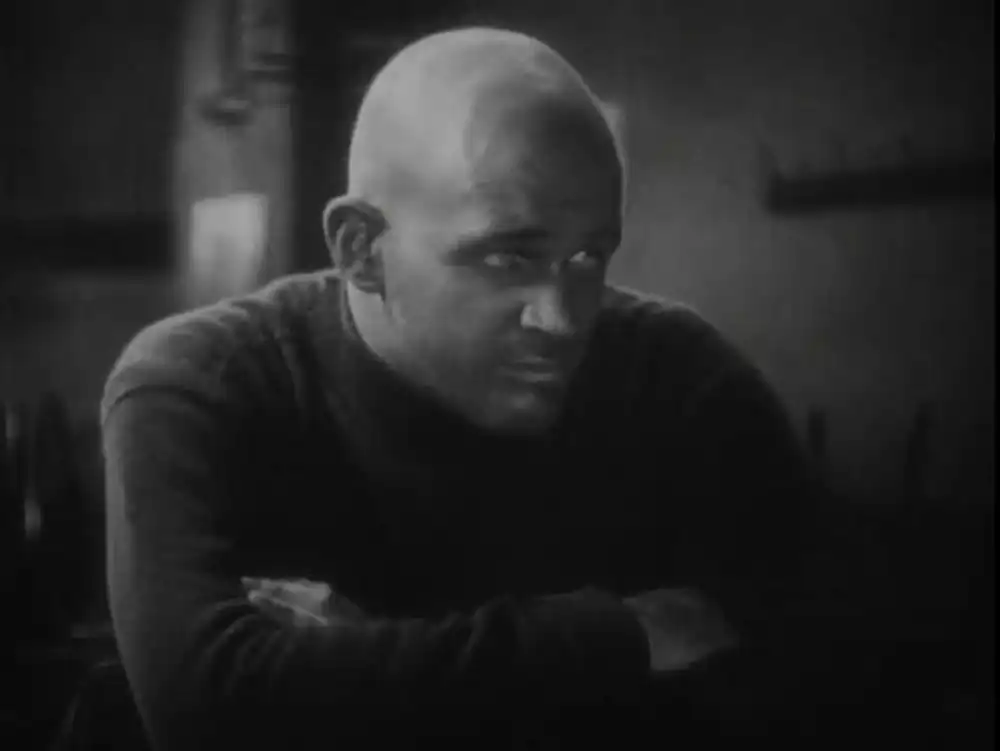
The film’s greatest strength lies in its industrial sequences. Ingram captures the Burlington shipyards not as mere sets, but as cathedral-like spaces of steel and steam. There is a specific shot early on where the camera looks up at the hull of a massive vessel under construction; the scale is genuinely intimidating. The way smoke drifts through the shafts of light in these scenes isn't accidental; it’s a masterclass in atmospheric lighting that makes the later drawing-room scenes feel somewhat sterile by comparison.

One detail that only someone sitting through the film would notice is the recurring motif of hands. Ingram focuses on the contrast between the soft, manicured hands of the aristocracy and the grease-stained, calloused hands of the workers. It’s a bit on the nose, but visually, the texture of the grime on the actors' skin in the close-ups is remarkably tactile for a film of this vintage. It gives the labor conflict a physical weight that the dialogue-heavy intertitles sometimes fail to convey.

The central performances are a mixed bag. Alice Terry, Ingram’s wife and frequent collaborator, plays Lady Victoria with her usual luminous grace. She is undeniably beautiful on camera, but she suffers from the "Ingram Pose." The director was notorious for treating his actors like statues in a gallery, and Terry often looks as though she’s been told not to move a single facial muscle for fear of breaking the lighting scheme. She captures the boredom of the upper class perfectly, but when the drama requires emotional urgency, she remains a bit too composed.

Iván Petrovich, as the conflicted Philip, fares slightly better, though he is saddled with a character who is difficult to root for. His transition from an Oxford student to a holy man in the docks, and finally to a strike-breaking industrialist, feels disjointed. The pacing drags significantly during the middle section at the seaman’s mission. We spend far too much time watching Philip look pensively at the sea or standing in doorways, waiting for the plot to catch up with his internal monologue.
The film attempts to juggle three themes—Money, Religion, and Love—but they never quite fuse into a coherent whole. The industrial strike plot is the most interesting, yet it is frequently interrupted by the tepid romance between Philip and Victoria. The scenes of the strikers gathering are filmed with a real sense of menace; the crowd movements are choreographed with a precision that suggests Ingram was looking closely at the work of Soviet montage directors, even if he didn't adopt their rapid-fire editing style.
However, the resolution of the labor dispute feels unearned and overly simplistic. After building up the tension of a potential riot, the film pivots back to a domestic drama that feels small in comparison to the massive ships being built in the background. It’s a common flaw in late silent dramas: the visual ambition of the director outstrips the depth of the source material.
The Three Passions is a gorgeous artifact of a dying era. Within a year of its release, the talkies would arrive and sweep away this kind of deliberate, pictorial filmmaking. It lacks the raw energy of The Untamed or the narrative cohesion of the era’s best dramas, but it remains a stunning example of Rex Ingram’s visual prowess.
Watch it if you want to see how beautiful a black-and-white film can look when the director cares more about the shadow of a crane than the logic of the plot. Skip it if you want a story that keeps you on the edge of your seat. It is a film to be looked at, rather than lived in.
IMDb —
1919
Community
Log in to comment.