DbcultAccessing Vault...
5.8/10
Senior Film Conservator
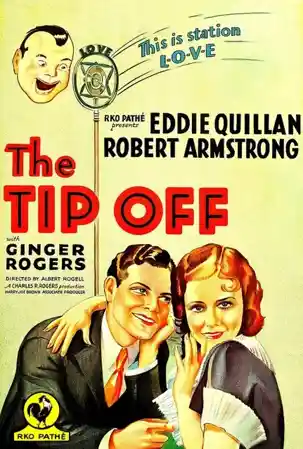
A definitive 5.8/10 rating for a film that redefined the boundaries of cult cinema. The Tip-Off remains a cornerstone of transgressive art.
If you like movies where people talk like they have a train to catch in five minutes, you should probably watch The Tip-Off today. It’s perfect for anyone who enjoys that specific 1930s brand of fast-talking chaos where nobody seems to have a volume knob.
If you hate movies where the main character is a bit of a screaming frantic mess, you might want to skip this one. It’s not a masterpiece, but it’s got a lot of heart and some really weird scenes that stuck with me.
Eddie Quillan plays Tommy, a radio repair guy who is basically a human pogo stick. He has these massive, wide eyes and he moves so fast I got tired just watching him. 🏃♂️
The story starts when he goes to fix a radio for a girl named Baby Face, played by a very young Ginger Rogers. She isn't doing the dancing thing yet, but she’s got this tough, blonde energy that makes her stand out immediately.
Tommy doesn't realize she’s the girlfriend of a pretty scary gangster. He just thinks she’s cute, which is usually how these things go in movies from 1931.
The movie really gets going when Tommy meets Kayo (Robert Armstrong). Kayo is a middleweight boxer who decides to take Tommy under his wing for no real reason other than Tommy looks like a lost puppy.
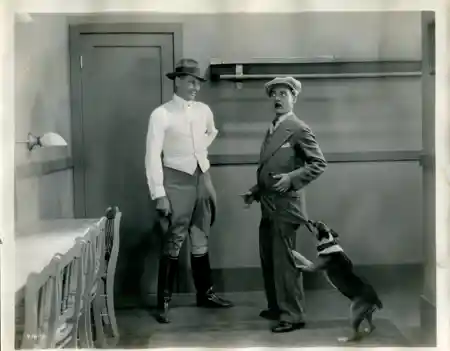
I honestly liked the friendship between the boxer and the radio guy more than the actual romance stuff. Robert Armstrong is great here—he’s got this relaxed, heavy-set charm that balances out Eddie Quillan’s constant vibrating energy.
There is a scene in a gym where Tommy tries to act tough and it’s genuinely funny because he’s so small. You can tell they were just having fun with the physical comedy.
The pacing is a bit weird, though. It feels like two different movies smashed together—one is a goofy comedy about a guy who can't stay out of trouble, and the other is a gangster flick with guns and threats.
I noticed the sets look a bit flimsy, especially in the apartment scenes. One door slams and you can almost see the whole wall shake, which I find charming in these old flicks.
The gangster, played by Ralf Harolde, is doing that typical "tough guy" sneer. He’s fine, but he’s not nearly as interesting as the dynamic between the two leads.
It reminds me a little bit of the messy energy in Bad Sister, where the plot feels secondary to just watching the actors bounce off each other. It also has that same "early talkie" feel where people stand really close to the furniture so the microphones can hear them.
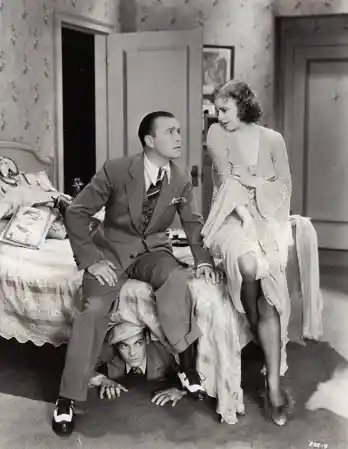
One reaction shot of Eddie Quillan looking at a gun lingers for way too long. It starts to feel like he's staring into my soul rather than at the weapon. 👁️
There is also a lot of shoving. I don't know why, but people in 1931 movies love to shove each other when they are excited or mad.
I think the movie gets much better once it stops trying to be a drama and just lets the characters be idiots. The climax at the end is a big jumble of people running around and it’s honestly pretty satisfying in a dumb-fun kind of way.
It’s not as polished as something like Let Us Be Gay, but it has more grit. It feels more like a real street-level story, even with the goofy jokes.
If you’re looking for a deep message about the human condition, you are in the wrong place. But if you want to see a boxer and a radio guy hide from the mob in a frantic 70-minute blur, give it a shot. 🥊
The ending feels a little rushed, like they ran out of film or the actors had a lunch date they couldn't miss. It just sort of... stops.
But hey, I’d rather a movie be too short than have it drag on for three hours. It’s a solid way to spend an hour on a rainy afternoon.
IMDb 6.9
1926
Community
Log in to comment.