DbcultAccessing Vault...
6.9/10
Senior Film Conservator
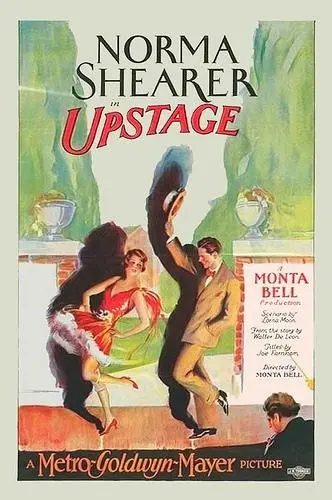
A definitive 6.9/10 rating for a film that redefined the boundaries of cult cinema. Upstage remains a cornerstone of transgressive art.
Is Upstage (1926) worth watching today? Short answer: yes, but only if you are prepared for a surprisingly cynical deconstruction of the 'Star is Born' narrative that usually dominates this era. This film is for the cinephile who enjoys watching a character's ego dismantled piece by piece, but it is certainly not for those who require a sympathetic protagonist or a high-speed plot. It is a slow, methodical look at the delusion of grandeur.
This film works because it refuses to indulge in the typical sentimentalism of the 1920s, opting instead for a gritty, almost modern look at professional inadequacy. This film fails because the middle act becomes bogged down in the repetitive mechanics of the vaudeville stage, which can feel alienating to a modern viewer. You should watch it if you want to see Norma Shearer deliver a nuanced performance that predates her 'Queen of MGM' persona, showing a raw, unpolished vulnerability.
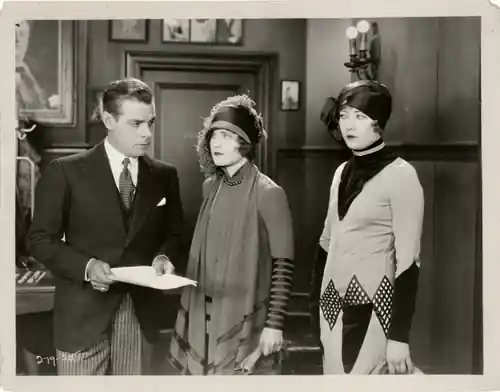
Upstage is not your typical silent melodrama. While many films of the period, such as Annie-for-Spite, deal with social climbing through virtue, Upstage deals with the harsh reality of the entertainment industry. Dolly Haven, played with a sharp edge by Norma Shearer, is a character we are meant to pity, but not necessarily like. This is a bold choice for 1926. Most heroines of the time were paragons of innocence; Dolly is a paragon of vanity.
The film captures the specific atmosphere of the vaudeville circuit—the dust, the dim lights of the dressing rooms, and the fleeting nature of applause. When Dolly joins Johnny’s act, she doesn't see a partnership; she sees a pedestal. The cinematography uses tight framing during these stage sequences to emphasize Dolly’s self-absorption. She is literally and figuratively blocking out the talent that keeps her afloat. It is a masterclass in visual storytelling through character positioning.
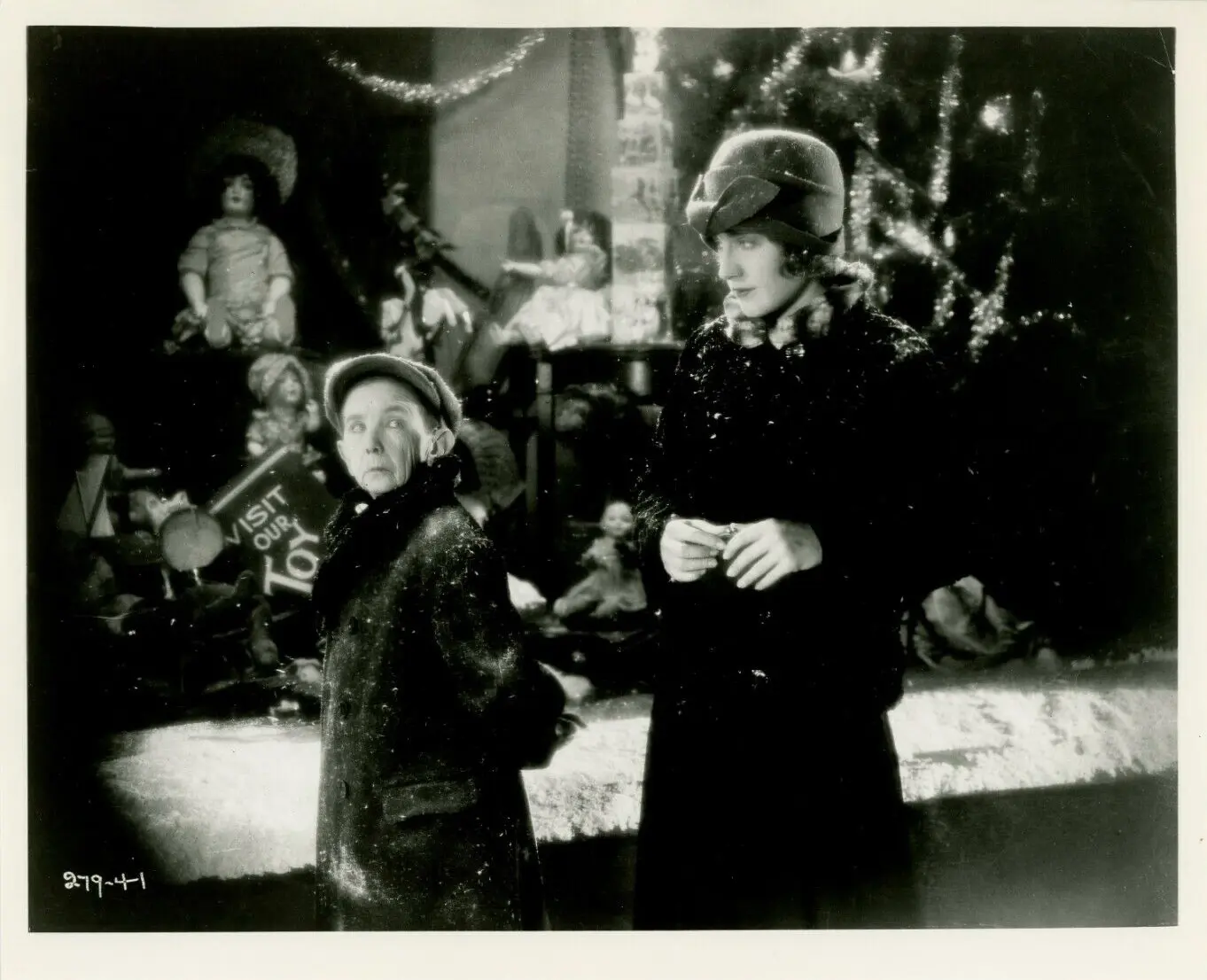
Shearer’s performance is the engine that drives the film. Unlike the broad gestures found in Mystic Faces, Shearer uses her eyes and her posture to convey a terrifying level of self-assurance. There is a specific scene where she looks at herself in a mirror after a successful show; the way she tilts her chin and dismisses her partner with a glance is more effective than any title card could ever be. It is a performance rooted in the psychology of the performer.
Oscar Shaw, as Johnny, provides the necessary groundedness to balance Shearer’s flight of fancy. He represents the 'workhorse' of the industry—the person with the actual skill who is often overshadowed by the person with the 'look.' Their chemistry is intentionally lopsided, reflecting the imbalance of their professional relationship. This isn't a romance; it's a cautionary tale about the parasitic nature of celebrity.
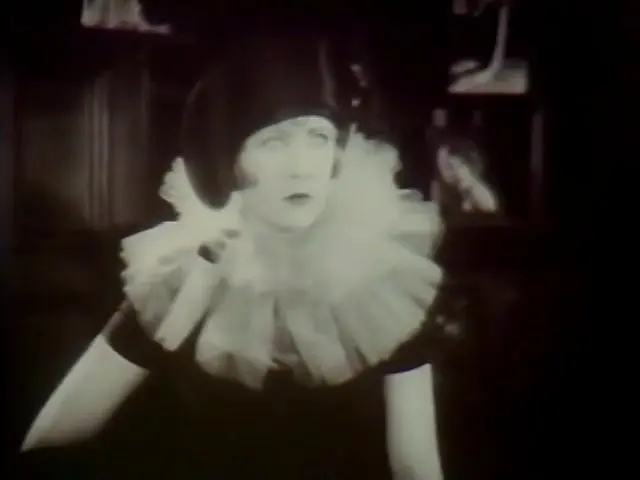
Director Monta Bell brings a sophisticated touch to the production. He avoids the slapstick elements often found in films like Felix Goes West or the broad comedy of His Own Medicine. Instead, Bell focuses on the quiet moments of realization. The scene where the leading man finally tells Dolly that she isn't what he thought she was is handled with a cold, clinical efficiency. The camera stays on Dolly’s face as her world collapses, refusing to cut away and grant her—or the audience—any mercy.
The pacing is perhaps the film’s greatest hurdle. In an attempt to build the 'authentic' vaudeville experience, Bell includes long stretches of stage performance. While historically interesting, these moments can feel like padding. However, they serve a thematic purpose: they show the audience exactly how mediocre Dolly’s contribution actually is. We are forced to watch the act as the 'audience' within the film sees it, making the final revelation of her lack of talent even more biting.
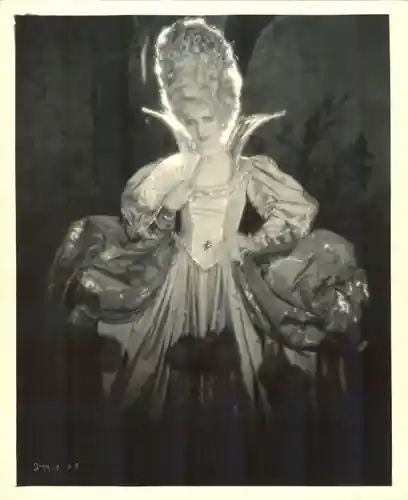
Visually, Upstage is a product of its time but with a sharp eye for detail. The use of shadows in the backstage areas creates a sense of claustrophobia. This isn't the glamorous Hollywood of later decades; this is the grind. The costumes, while flashy for the stage, look frayed and cheap under the scrutiny of the camera, much like Dolly’s ambitions. It’s a subtle bit of production design that adds layers to the narrative.
The editing by Joseph Farnham is particularly effective during the climax. The cross-cutting between Dolly’s failed performance and the indifferent reactions of the talent scouts is brutal. It mirrors the coldness of the industry. Unlike the more optimistic tone of Pals First, Upstage offers no easy redemption. It suggests that talent cannot be willed into existence; it is either there or it isn't. Talent is rare. Most people are just 'the girl who holds the knives.'
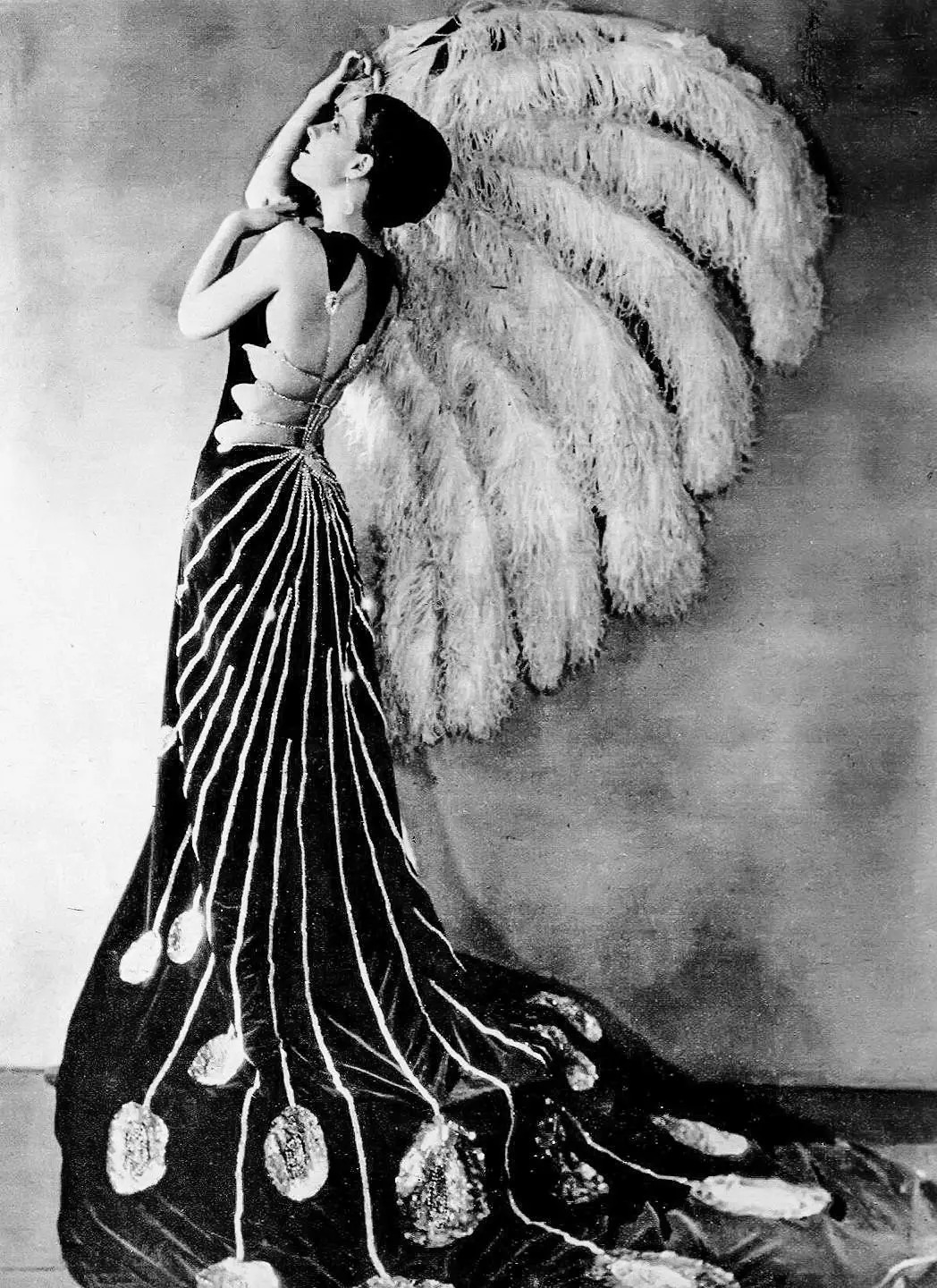
Upstage remains a fascinating watch because its core theme—the gap between how we see ourselves and how the world sees us—is universal. While the vaudeville setting is a relic of the past, the 'influencer' culture of today makes Dolly’s journey feel incredibly contemporary. It is a film about the danger of believing your own hype. If you can move past the slower pacing of the 1920s, you will find a story that is surprisingly sharp and unforgiving.
Pros:
- A complex, non-traditional female lead.
- Authentic 1920s backstage atmosphere.
- Sharp, cynical writing that avoids melodrama.
- Excellent use of visual metaphors for ego.
Cons:
- Pacing issues in the second act.
- Some supporting characters are underdeveloped.
- The silent film format may be a barrier for casual viewers.
Upstage is a cold, hard look at the reality of the stage. It doesn't care about your feelings, and it doesn't care about Dolly’s dreams. It works. But it’s flawed. It is a film that demands your attention and then punishes your expectations. In a sea of silent films that focus on heroism and heart, Upstage stands out for its honesty about the lack of both. It is a essential viewing for anyone studying the transition of Norma Shearer into a major star, and a sobering reminder that looks can only take you so far. It’s a tragedy of the mediocre, and in that, it finds its true power.
IMDb 3.7
1910
Community
Log in to comment.