DbcultAccessing Vault...
Cult Review
Senior Film Conservator
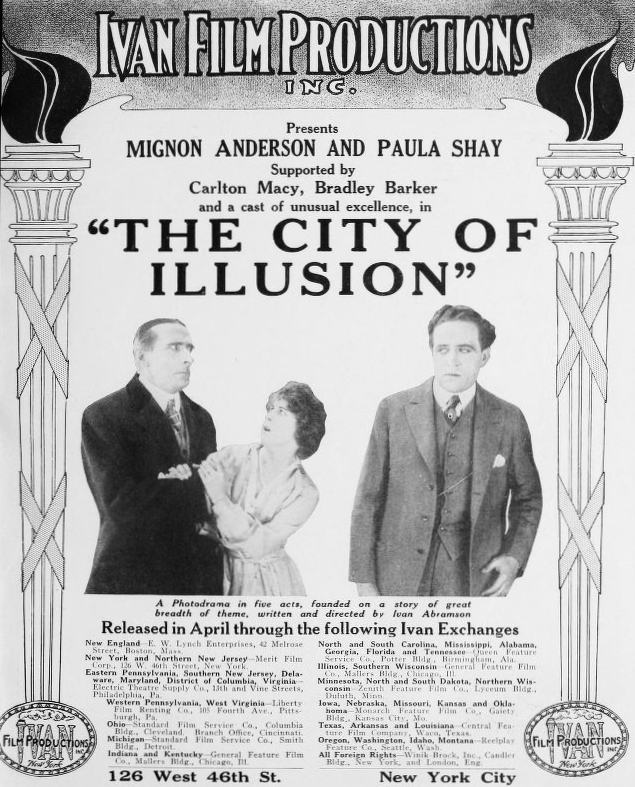
The cinematic output of 1916 remains a fascinating crucible of narrative experimentation, and Ivan Abramson’s The City of Illusion stands as a quintessential artifact of this era’s burgeoning psychological complexity. Unlike the more straightforward moralities found in contemporaries like The Heart of Maryland, Abramson’s work delves into the murky waters of social climbing and the performative nature of female agency in the early 20th century. The film is less a melodrama and more a cautionary cartography of the soul, mapping the treacherous distance between rural stability and the predatory glitz of the burgeoning metropolis.
Claire, portrayed with a hauntingly nervous energy by Mignon Anderson, is a character trapped between two distinct American mythologies. Her life on Paul’s plantation is depicted through a lens of stagnant beauty—a gilded cage where the air is thick with the scent of magnolias and tradition. This setting serves as a stark contrast to the kinetic, almost violent magnetism of New York City. While films like The Heart of the Blue Ridge often romanticize the pastoral, Abramson views the agrarian lifestyle as a vacuum of ambition. Claire’s desire for the city is not merely a whim; it is a visceral rejection of a prescribed identity.
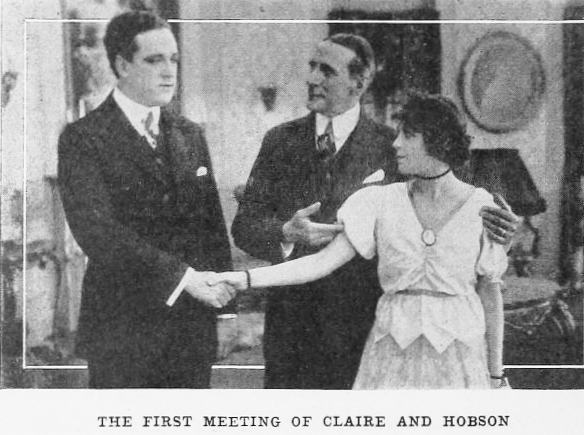
The introduction of Douglas, the New York lawyer, acts as the catalyst for the film's primary conflict. Willard Case imbues Douglas with a slick, transactional charm that immediately signals his role as the 'illusion' of the title. He represents the sophistication that Claire craves, but he also embodies the systemic deception inherent in the urban elite. When Claire decides to lie about an affair to gain her freedom, the film enters a provocative moral gray area. This is not the virtuous suffering seen in The Christian; this is a calculated, desperate subversion of the truth.
Abramson’s direction excels in the way it visualizes the collapse of Claire’s fantasy. The transition from the wide-open spaces of the South to the claustrophobic interiors of New York offices and high-society parlors mirrors the tightening noose around the protagonist’s neck. The cinematography, while limited by the technology of 1916, uses lighting to emphasize the shadows cast by the skyscrapers—shadows that seem to swallow Claire’s identity the moment she steps off the train. In this regard, the film shares a thematic DNA with The Dollar and the Law, where the pursuit of prosperity is inextricably linked to moral compromise.
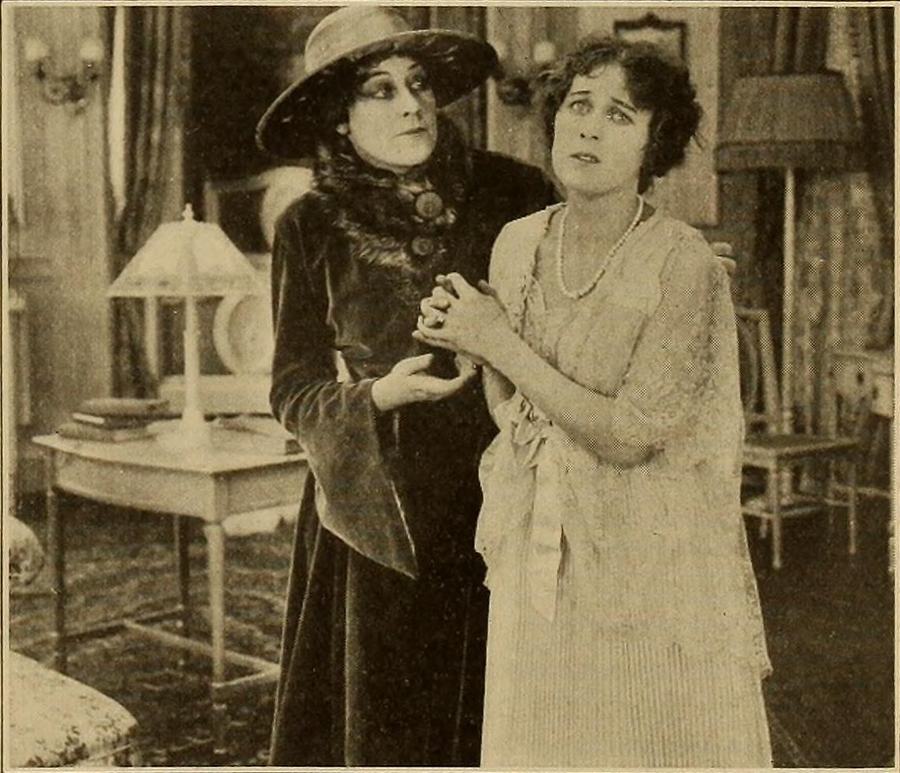
The revelation of Douglas’s marriage and his political aspirations as a District Attorney adds a layer of sharp irony to the proceedings. Here is a man tasked with upholding the law, yet his entire personal life is built upon a foundation of convenient omissions. The film’s critique of the legal and political class is biting, echoing the cynical undertones of The Curious Conduct of Judge Legarde. Claire’s lie, intended to set her free, instead binds her to a man whose very career depends on the public perception of a morality he does not possess.
Mignon Anderson’s performance is a masterclass in silent-era pathos. She navigates the transition from a bored socialite to a frantic outcast with a fluidity that prevents the character from becoming a mere caricature of the 'fallen woman.' Her Claire is a tragic figure because her motivations are so modern—the desire for self-actualization in a world that only offers her roles as a wife or a scandal. The supporting cast, including Mathilde Brundage and Carleton Macy, provide a solid bedrock of traditionalism against which Claire’s rebellion founders.
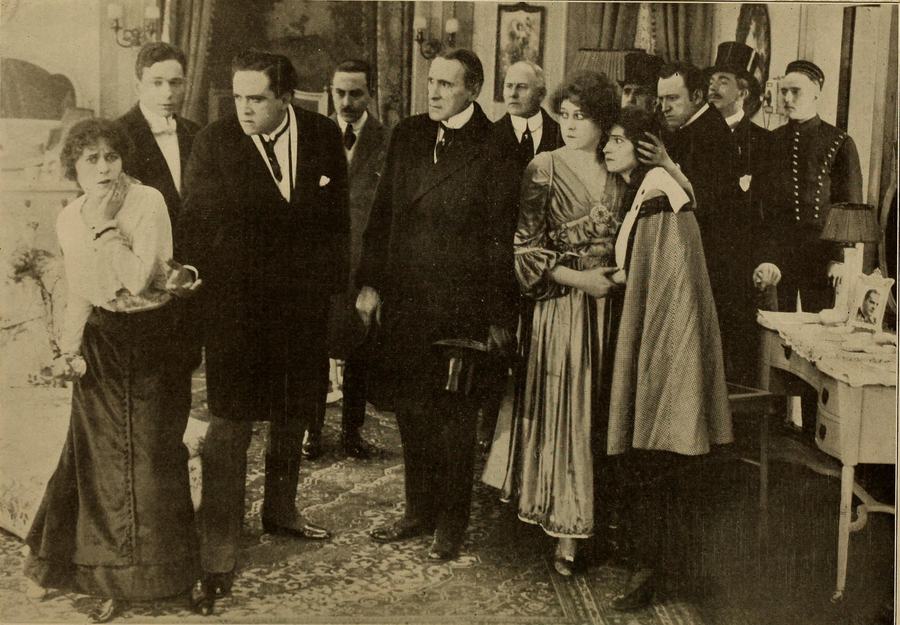
Special mention must be made of the screenplay by Ivan Abramson. The narrative structure, which balances the slow-burn tension of the Southern chapters with the rapid-fire disillusionment of the New York sequences, shows a sophisticated understanding of pacing. It avoids the episodic nature of many contemporary films, such as Diplomacy, opting instead for a cohesive thematic arc that feels inevitable and crushing.
When we look at The City of Illusion alongside Alone with the Devil, we see a recurring preoccupation with the corruptive influence of secret desires. However, where other films might focus on the supernatural or the overtly villainous, Abramson finds the 'devil' in the mundane social aspirations of his characters. The film’s exploration of the 'fallen woman' trope is significantly more nuanced than in Fruits of Desire, as Claire is the architect of her own downfall, yet the audience is forced to empathize with the systemic lack of options that drove her to such a desperate lie.
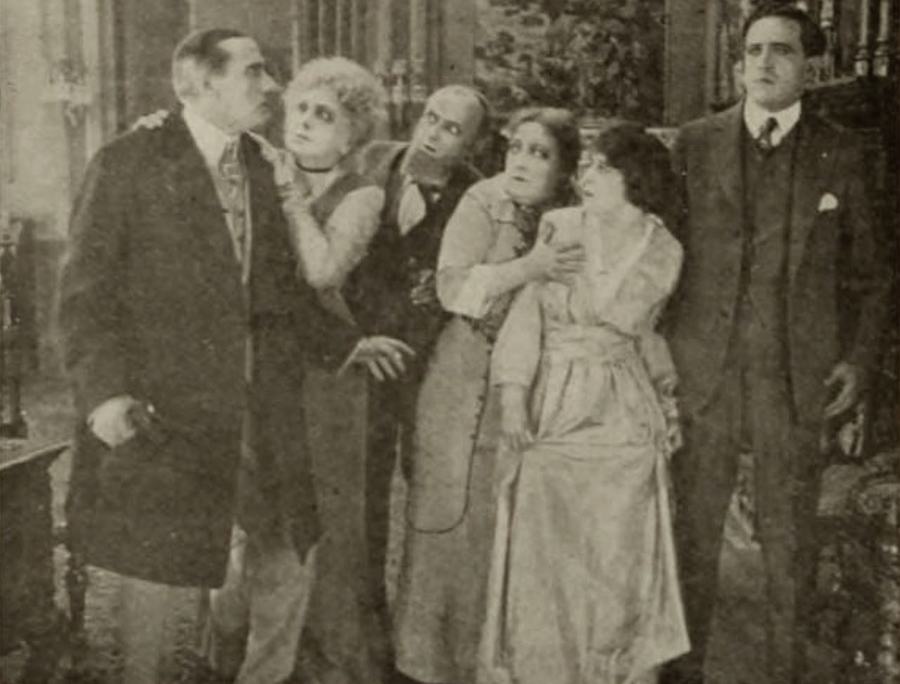
Furthermore, the film’s depiction of the legal profession serves as an interesting counterpoint to Anton the Terrible. While the latter focuses on the brutality of power, The City of Illusion focuses on its duplicity. Douglas is not a monster; he is a pragmatist, which in Abramson’s world, is perhaps more dangerous. His betrayal of Claire is not personal; it is a professional necessity, illustrating the cold, mechanical nature of the city she so desperately wanted to inhabit.
The set design in the New York sequences is particularly noteworthy. The offices are grand but sterile, echoing the emotional void that Claire finds herself in. This visual language is similar to the atmospheric dread found in The House of Fear, though here the 'ghosts' are the shattered dreams of the protagonist. The film’s ability to use domestic spaces as sites of psychological warfare is a testament to Abramson’s skill as a storyteller.
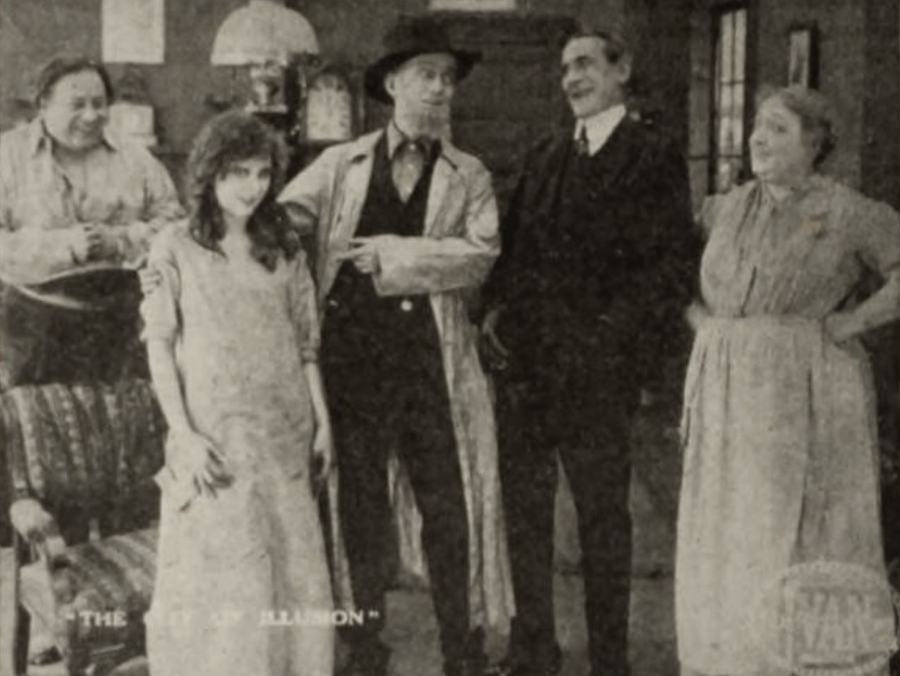
In the broader context of silent cinema, this film feels like a precursor to the gritty realism that would later define the 1920s. It lacks the sentimentality often found in The Strength of Donald McKenzie or the theatrical artifice of Children of the Stage; or, When Love Speaks. Instead, it offers a stark, unflinching look at the consequences of trying to outrun one’s social station through deceit. It is a film about the 'cost' of things—the cost of a divorce, the cost of a reputation, and the ultimate cost of a dream that was built on a foundation of sand.
As we deconstruct the final acts of the film, where the 'complications' mentioned in the plot summary manifest as a total collapse of Claire’s social standing, we are left with a profound sense of melancholy. The film does not offer easy redemptions. It doesn't provide the moral closure of Schuldig or the lighthearted resolution of A Woman Wills. Instead, it leaves Claire—and the audience—in a state of permanent exile. She can never return to the South, and she can never truly belong in the North.
The legacy of The City of Illusion is its refusal to simplify the human condition. It acknowledges that Claire is both a victim and a perpetrator, a dreamer and a liar. In the silent flicker of the screen, we see the blueprint for the modern psychological thriller, a genre that thrives on the very ambiguities Abramson explored over a century ago. For those interested in the evolution of narrative film, this is an essential viewing experience, providing a bridge between the Victorian moralities of the past and the existential anxieties of the future. It remains a poignant reminder that the cities we build in our minds are often far more beautiful, and far more dangerous, than the ones built of brick and mortar.
Ultimately, the film serves as a mirror to the viewer’s own ambitions. Like the characters in Das Modell, Claire is obsessed with an image of herself that she cannot possibly sustain. The tragedy is not that she failed to achieve her dream, but that the dream itself was a fabrication, a phantom born of boredom and nurtured by the very illusions the city was all too happy to provide. Abramson’s masterpiece remains a chilling, beautiful, and deeply human exploration of the lies we tell ourselves to survive, and the truths that eventually tear those lies apart.
IMDb 3.2
1934
Community
Log in to comment.