DbcultAccessing Vault...
1.2/10
Senior Film Conservator
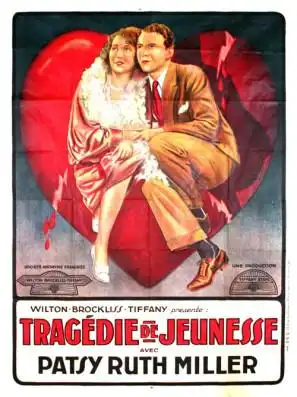
A definitive 1.2/10 rating for a film that redefined the boundaries of cult cinema. The Tragedy of Youth remains a cornerstone of transgressive art.
If you are looking for a fast-paced thriller or a deep psychological character study, The Tragedy of Youth (1928) will likely feel like a dusty museum piece. However, for those interested in how the 1920s viewed its own 'lost' generation, it is absolutely worth a look today. It is a film for fans of silent-era social dramas and anyone fascinated by the 'flapper' archetype. Those who dislike heavy-handed moralizing or the slower, more deliberate pantomime of late silent cinema will probably find it tedious.
The film centers on Paula, played with a surprising amount of modern restraint by Patsy Ruth Miller. Unlike many of her contemporaries who leaned into wild-eyed theatricality, Miller uses subtle shifts in posture to convey Paula’s isolation. The early scenes in the family home are the most effective. Director George Archainbaud uses wide shots to emphasize the physical distance between Paula and her parents, played by Harvey Clark and Claire McDowell. They aren't villains; they are simply distracted. The lighting in these domestic scenes is flat and uninviting, making the eventual transition to the high-contrast, shadow-drenched party scenes feel like a relief, even if the narrative tells us those parties are 'sinful.'
The writing team, including Olga Printzlau and Frederic Hatton, doesn't pull many punches regarding the parents' culpability. There is a specific, awkward moment during a dinner scene where Paula tries to share a thought, only to be silenced by her father’s preoccupation with a newspaper. It’s a small, quiet beat, but it feels more authentic than the louder, more dramatic confrontations that follow later in the film.
Warner Baxter brings a steady, if somewhat stiff, presence to the screen. He represents the 'right' kind of man, a stark contrast to the oily, fast-talking types Paula encounters in the city. But the real energy comes from the supporting cast. It is impossible to ignore the appearance of Stepin Fetchit here. His performance is a jarring reminder of the era's racial caricatures, and while his screen time is limited, his inclusion serves as a stark historical marker of the industry's attitudes at the time.
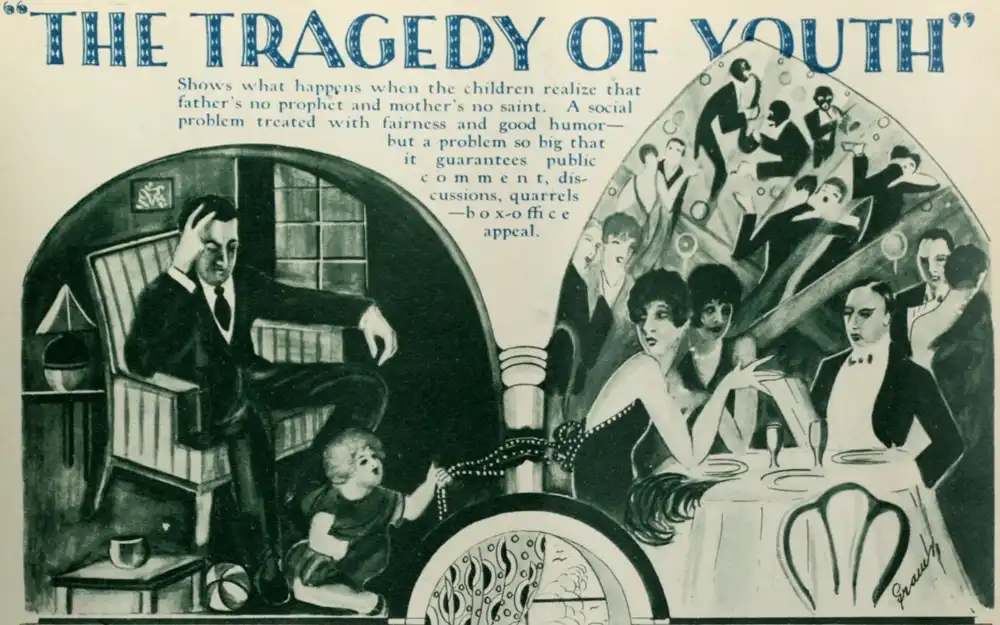
In contrast to the gritty realism of The Untamed, this film feels more polished and studio-bound. The sets are opulent, particularly the 'den of iniquity' where the climax takes place. The cinematography during the party sequence is notably more frantic; the camera doesn't move much, but the editing rhythm picks up, cutting between spinning dancers and overflowing glasses to create a sense of sensory overload that mirrors Paula’s own disorientation.
Where the film struggles is in its middle act. After the initial domestic conflict is established, the narrative loops through several repetitive scenes of Paula being 'tempted.' We see her at a club, then back home, then at another club, each time with slightly more desperation. It drags. You find yourself waiting for the inevitable 'fall from grace' just so the plot can move forward. The title suggests a grand tragedy, but the actual stakes often feel more like a Victorian melodrama updated with bobbed hair and short skirts.
There is also a strange tonal inconsistency in the way the 'youth' are portrayed. In some scenes, they are vibrant and full of life; in others, they are depicted as almost ghoulish, with over-applied makeup and frantic, jerky movements. It’s clear the filmmakers were caught between wanting to exploit the era's hedonism for entertainment and needing to condemn it for the censors.
One detail only a careful viewer might catch is the recurring motif of mirrors. Paula is frequently framed next to or reflected in glass, suggesting a fractured identity or a concern with surface over substance. It’s a sophisticated visual touch for a film that otherwise relies on fairly standard intertitles to explain its themes. The costume design is also top-tier; Miller’s wardrobe transitions from modest, high-collared dresses to shimmering, sleeveless gowns that catch the studio lights, visually charting her descent into the 'wild' life.
The Tragedy of Youth isn't a masterpiece, but it is a compelling document of its time. It captures the genuine anxiety of a society that felt it was losing its children to the phonograph and the automobile. While the ending is a bit too tidy—offering a resolution that feels more like a concession to the moral standards of 1928 than a natural conclusion to the characters' journeys—the journey itself is visually rich. If you can move past the dated social politics, you’ll find a film that is surprisingly honest about the loneliness of being young in a world that doesn't have time for you.
IMDb —
1927
Community
Log in to comment.