DbcultAccessing Vault...
7/10
Senior Film Conservator
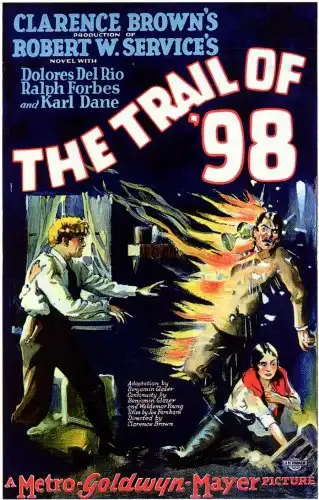
A definitive 7/10 rating for a film that redefined the boundaries of cult cinema. The Trail of '98 remains a cornerstone of transgressive art.
For silent film enthusiasts, historians of American expansion, or anyone with a deep appreciation for ambitious, large-scale spectacles of the era, The Trail of '98 is absolutely worth seeking out. It's a fascinating, if flawed, document of early Hollywood's ability to tackle epic narratives. However, for a casual modern viewer accustomed to faster pacing and spoken dialogue, it will likely prove a challenging watch. Those expecting a tightly plotted adventure or a character-driven drama with contemporary sensibilities should probably look elsewhere. This is a film that demands patience and an understanding of its historical context to truly appreciate.
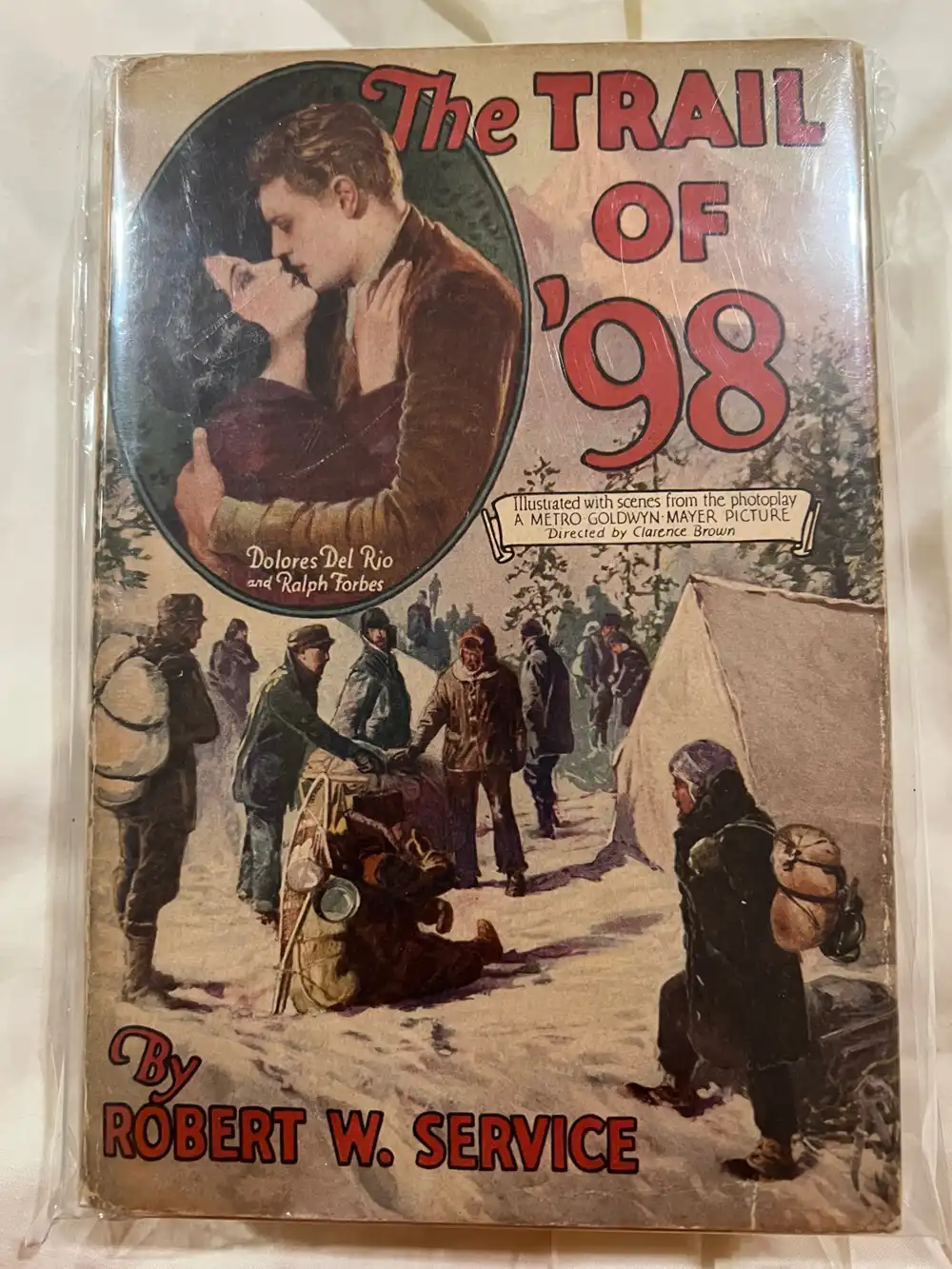
Clarence Brown's 1928 adaptation of Robert W. Service's poem and novel, The Trail of '98, is an ambitious undertaking, even by the standards of late silent cinema. It attempts to capture the sprawling, often brutal reality of the Klondike Gold Rush, focusing less on individual triumphs and more on the collective struggle against an indifferent, hostile landscape. The film's strength lies in its relentless depiction of the journey itself, particularly the iconic, grueling trek over the Chilkoot Pass. Brown, a director known for his visual flair, uses every tool at his disposal to convey the sheer scale of human migration and suffering.
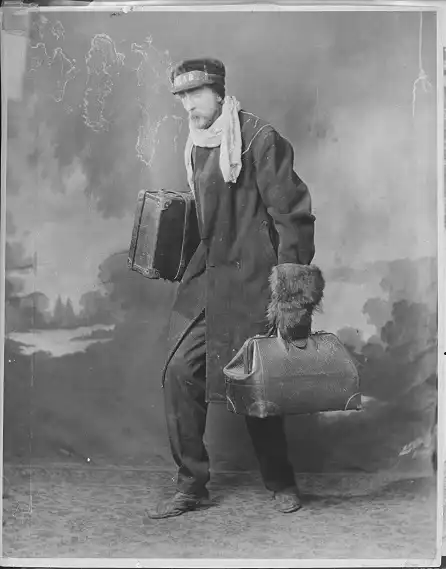
One of the most striking aspects, and an observation only genuinely possible after watching, is the sheer, unyielding visual weight of the climbing sequences. The shots of hundreds, if not thousands, of extras inching their way up the impossibly steep, snow-covered incline of the Chilkoot Pass are genuinely breathtaking. It's not just a few people; it's a constant, ant-like procession stretching into the distance, each individual burdened by their massive packs. The camera holds on these wide shots, allowing the viewer to absorb the monumental effort and the almost Sisyphean task before them. There's a particular moment where the camera pans across a line of exhausted prospectors, their bodies hunched, their faces obscured by caps and beards, and the sense of collective misery is palpable, almost overwhelming. This isn't just set dressing; it feels like an authentic, if dramatized, recreation of a historical event.
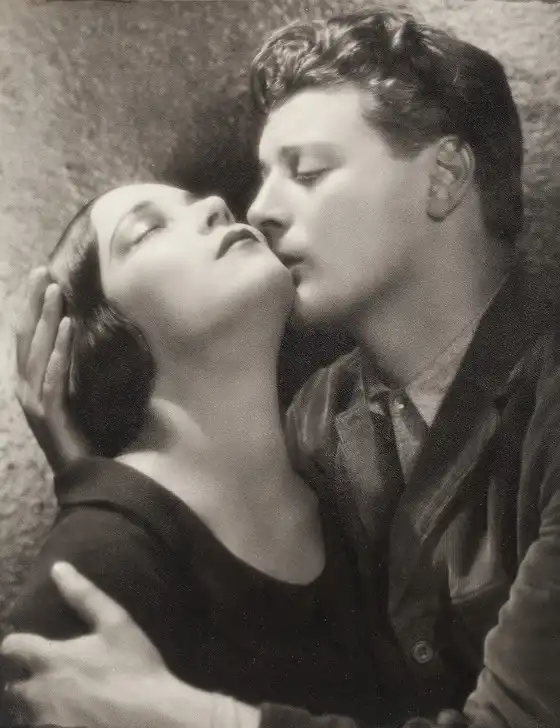
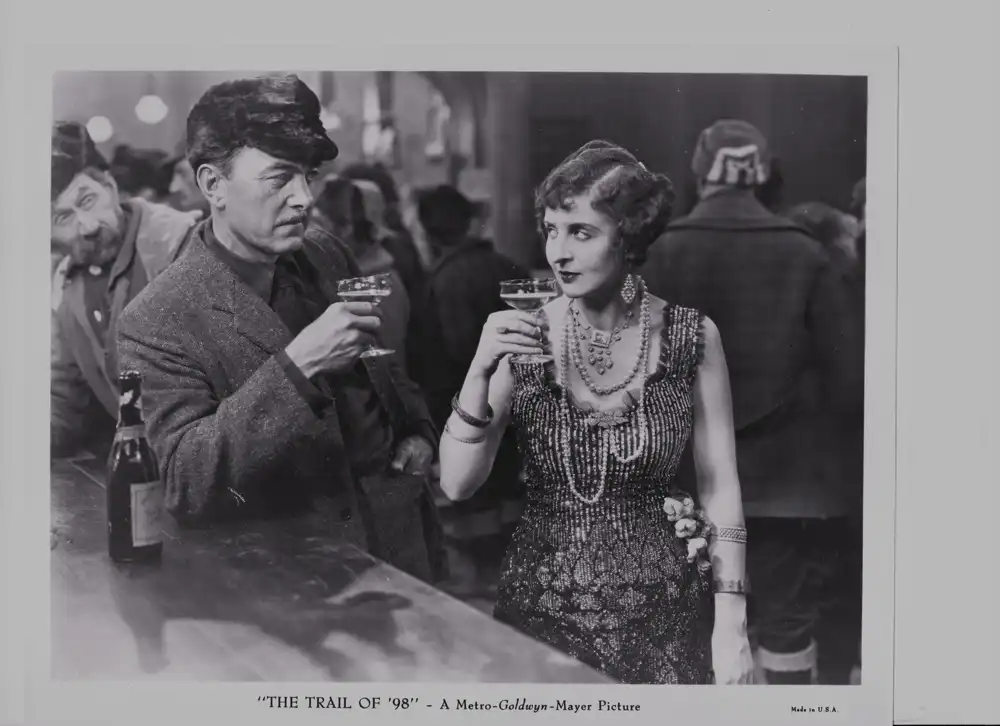
The cast, a mix of established silent stars and character actors, delivers performances typical of the era, leaning towards broader gestures to convey emotion without spoken words. Dolores Del Río, as the dance hall girl Berna, is arguably the film's most magnetic presence. She brings a vulnerability and a simmering defiance to her role, often conveying more with a single glance or a slight tilt of her head than some of the more overtly dramatic turns. Her initial scenes, where she's introduced as a figure of glamour and desire, quickly give way to a woman hardened by circumstance, a transition she handles with convincing subtlety for a silent performance.
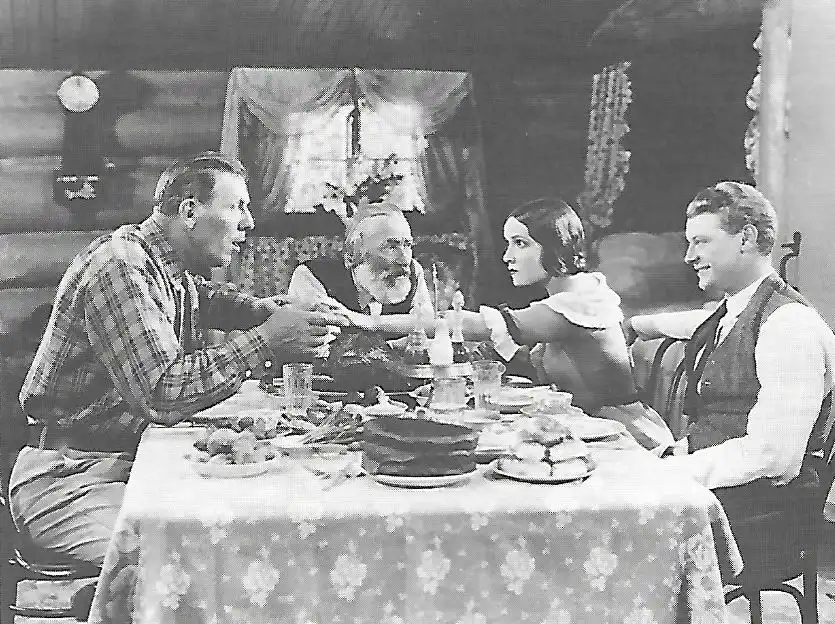
On the male side, Harry Carey as Jack McDougall, the seasoned prospector, grounds the narrative with his stoic presence. His performance is less about grand theatrics and more about weary resilience, a quiet strength that resonates. Russell Simpson, playing the villainous Salvation Slim, is a more overtly theatrical figure, his sneering expressions and menacing physicality leaving little doubt about his intentions. While effective for the period, some of his more exaggerated moments might elicit unintended chuckles from a modern audience. Tully Marshall, as the aging fortune hunter, shows a nuanced desperation that feels genuinely earned, particularly in scenes where the harsh reality of the trail begins to break his spirit.
The pacing of The Trail of '98 is its most significant hurdle for contemporary viewers. True to its epic scope, the film often luxuriates in its visual storytelling, allowing long takes and extensive sequences to unfold. The journey over the Chilkoot Pass, while visually impressive, takes up a considerable chunk of the runtime. While this deliberate pace effectively conveys the arduous nature of the expedition, it can feel protracted. There are moments, particularly in the later sequences set in Dawson City, where the narrative meanders, jumping between various characters and subplots without always maintaining a clear, driving momentum. A particularly noticeable instance is a series of reaction shots during a saloon brawl that extends just a beat too long, breaking the tension rather than building it.
The film shifts tones somewhat awkwardly at times. It begins as a grand adventure, then plunges into grim survival, before settling into a more conventional melodrama with elements of romance and revenge in Dawson. This tonal inconsistency, while perhaps reflecting the chaos of the gold rush itself, can make the viewing experience feel disjointed. The shifts between the sweeping landscape shots and the more intimate, often claustrophobic, interior scenes in the saloons or cabins are not always smoothly transitioned, occasionally jarring the viewer out of the narrative.
Despite its age, the visual ambition of The Trail of '98 remains striking. Clarence Brown, along with cinematographers Frank Cotner and John F. Seitz, captures the vastness and brutality of the Alaskan landscape with impressive scale. The use of real locations, combined with what were undoubtedly elaborate sets and miniatures, creates a convincing world. The film makes excellent use of light and shadow, particularly in the snowy expanses, to emphasize the cold and isolation. The production design for Dawson City, complete with bustling saloons, crowded streets, and makeshift structures, feels remarkably authentic, conveying the chaotic energy of a boomtown.
There's a particular sequence involving a blizzard where the practical effects are genuinely effective, with snow whipping across the screen and characters struggling against the elements. The film also employs some surprisingly effective split-screen effects and matte paintings to extend the sense of scale. While some of these techniques may look dated to a modern eye, their ambition and execution for the period are commendable. The costume design, too, contributes significantly, with the layers of furs, heavy woolens, and worn-out gear visually communicating the characters' long journey and the harsh environment.
The Trail of '98 is a monumental silent film, a testament to the ambition of early Hollywood. It's an experience more than just a movie, a chance to witness an epic vision of human endurance against the unforgiving wilderness. While its deliberate pacing and some of its melodramatic flourishes will test the patience of modern audiences, its visual scope and commitment to depicting the sheer scale of the Klondike Gold Rush remain genuinely impressive. It's not a film for everyone, but for those willing to meet it on its own terms, there are moments of profound visual power and a deep appreciation to be found for a bygone era of filmmaking. Consider it an essential, if arduous, trek for serious film buffs and history enthusiasts.
IMDb 5.4
1917
Community
Log in to comment.