DbcultAccessing Vault...
7.3/10
Senior Film Conservator
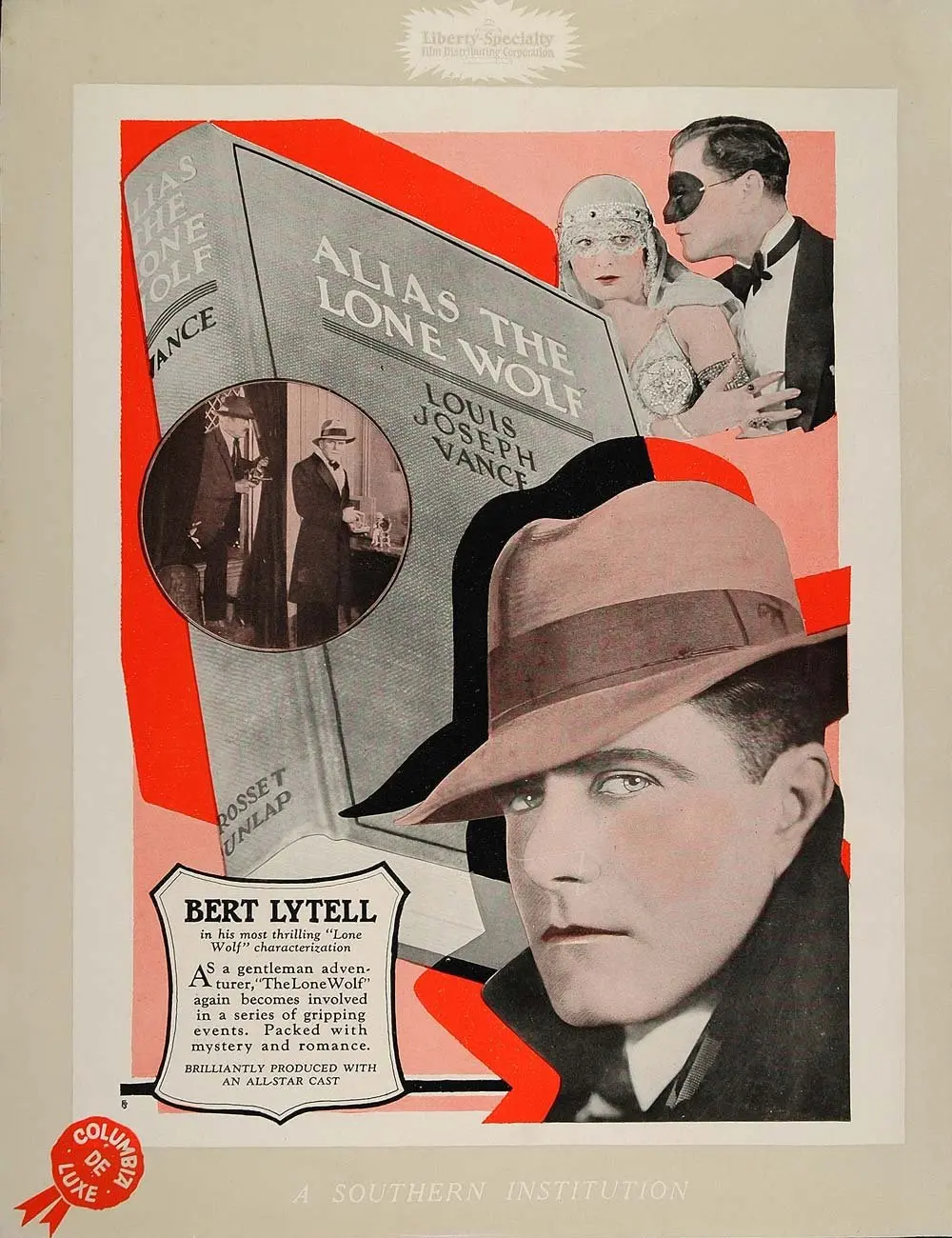
A definitive 7.3/10 rating for a film that redefined the boundaries of cult cinema. Alias the Lone Wolf remains a cornerstone of transgressive art.
Is Alias the Lone Wolf a relic of the past or a silent thriller that still commands attention? Short answer: yes, but only if you have the patience for the deliberate pacing of 1920s pulp storytelling. This isn't just a museum piece; it is a fascinating look at the evolution of the 'Gentleman Thief' trope that would later dominate cinema through characters like Simon Templar or even James Bond.
This film is for the cinephile who enjoys the clockwork precision of early crime fiction and the specific aesthetic of late-silent-era production. It is NOT for those who require the frenetic editing of modern action or a plot that avoids the coincidences common to early 20th-century literature. It occupies a middle ground between high-stakes drama and theatrical melodrama.
1) This film works because Bert Lytell manages to inject Michael Lanyard with a sense of weary professionalism that elevates the material above standard pulp fare.
2) This film fails because the final act revelation regarding Lanyard's true identity feels like a concession to the moral codes of the era, stripping the character of his most interesting ambiguities.
3) You should watch it if you want to see how the foundation for modern heist movies was laid, specifically in the way it handles the 'fake authority' trope.
Yes, Alias the Lone Wolf is worth watching for anyone interested in the history of the crime thriller. It provides a blueprint for the 'thief-taker' genre. The film manages to sustain tension through its shipboard sequences and delivers a satisfying, if predictable, conclusion. It is a solid example of how silent cinema used physical performance to convey complex double-crosses without the need for heavy dialogue.
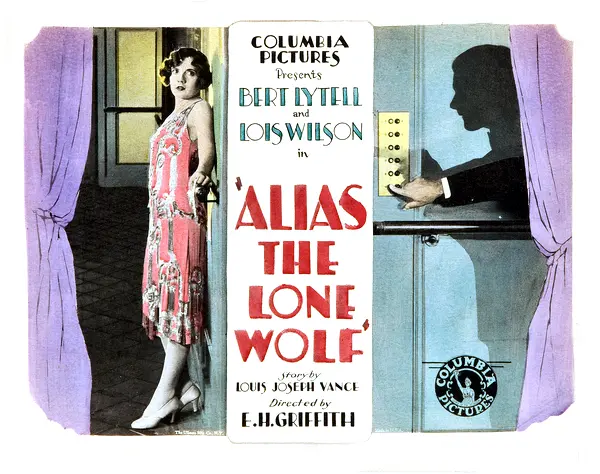
Director Edward H. Griffith understands the inherent drama of a confined space. The early scenes aboard the ship are handled with a calculated sense of dread. We see Eve, played with a mix of vulnerability and stubbornness by Lois Wilson, moving through a space that feels increasingly small. The way Griffith frames the other passengers—the thieves lurking in the shadows of the deck—creates a palpable sense of paranoia. It reminds me of the atmospheric tension found in The Night Cry, where the environment itself feels like an antagonist.
The smuggling plot is treated with a surprising amount of procedural detail. We aren't just told she's smuggling jewels; we see the weight of the decision. When Lanyard enters the fray, the dynamic shifts. Lytell doesn't play the Lone Wolf as a superhero. He plays him as a man who is always three steps ahead because he has already made every mistake his enemies are currently making. This world-weariness is the film's greatest asset.
However, the film occasionally stumbles when it leaves the ship. The transition to the New York nightclub scene feels jarring. While the set design is lavish for 1927, the pacing slows down as the film indulges in the social rituals of the era. This is where the pulp elements take a backseat to romance, and the film loses some of its edge. It’s a common flaw in films of this period, much like the uneven narrative flow in Waifs.
Lytell's performance is a masterclass in silent-era restraint. In an age where many actors were still relying on the exaggerated gestures of the stage, Lytell uses his eyes and his posture to convey Lanyard's internal state. There is a specific moment when he is confronted by the gang in the nightclub; his reaction isn't one of panic, but of calculated annoyance. He treats the thieves like a professional treats an amateur. It is a refreshing take on the character.
Lois Wilson, as Eve, provides a necessary foil. She isn't just a damsel in distress; she is a woman who has made a conscious, illegal choice. The chemistry between Wilson and Lytell is built on a shared secret. They are both outsiders. This makes their eventual union feel earned, even if the script forces a 'Secret Service' twist that feels unnecessary. I personally find the 'reformed thief' angle much more compelling than the 'undercover agent' trope. The twist feels safe. It’s a bit of a letdown. It works. But it’s flawed.
The supporting cast, including Ned Sparks and William V. Mong, fill out the world of the underworld with a gritty realism. Mong, in particular, has a face that seems built for the shadows of a silent crime drama. These actors understand the assignment: they are there to provide the friction that makes Lanyard's smoothness shine. They succeed in making the threat feel real, even when the plot dips into melodrama.
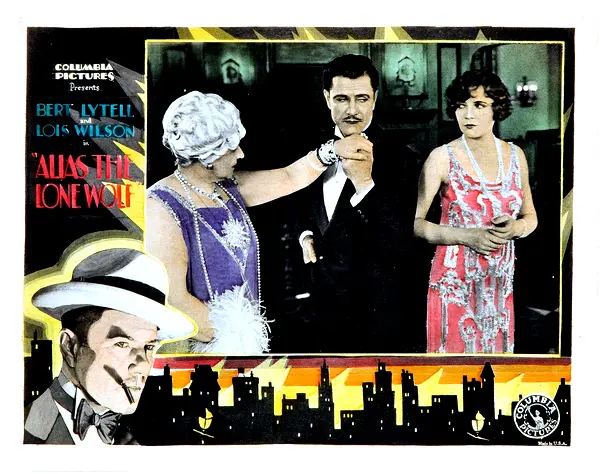
The visual language of Alias the Lone Wolf is sophisticated for its time. Griffith utilizes shadows and light to define character motivations. The nightclub sequence, despite its pacing issues, is a marvel of lighting. The contrast between the bright dance floor and the dark corners where the 'customs officer' deception takes place mirrors the duality of Lanyard himself. It’s far more evocative than the straightforward presentation in The Hick.
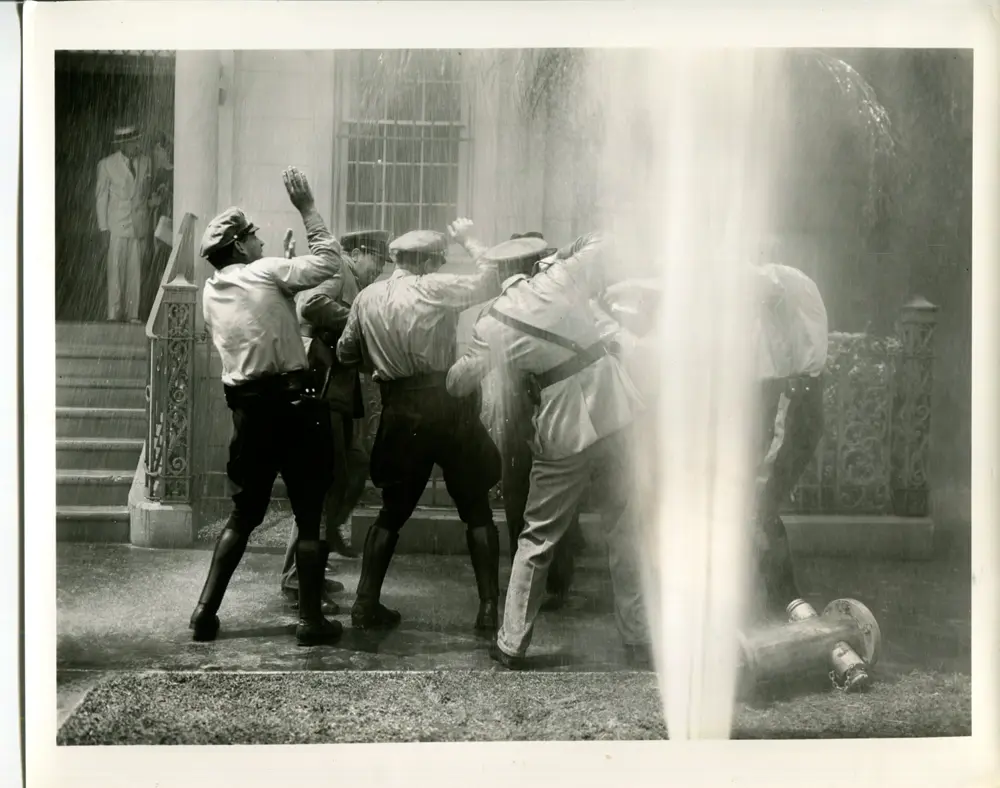
The use of close-ups is particularly effective during the climax. When Lanyard is overpowered, the camera lingers on his struggle, making the physical toll of his actions clear. This isn't a clean, bloodless fight. You feel the desperation. The editing during the final arrest sequence is punchy and direct, a precursor to the noir style that would emerge a decade later. It’s a shame the film doesn't lean into this darkness more often.
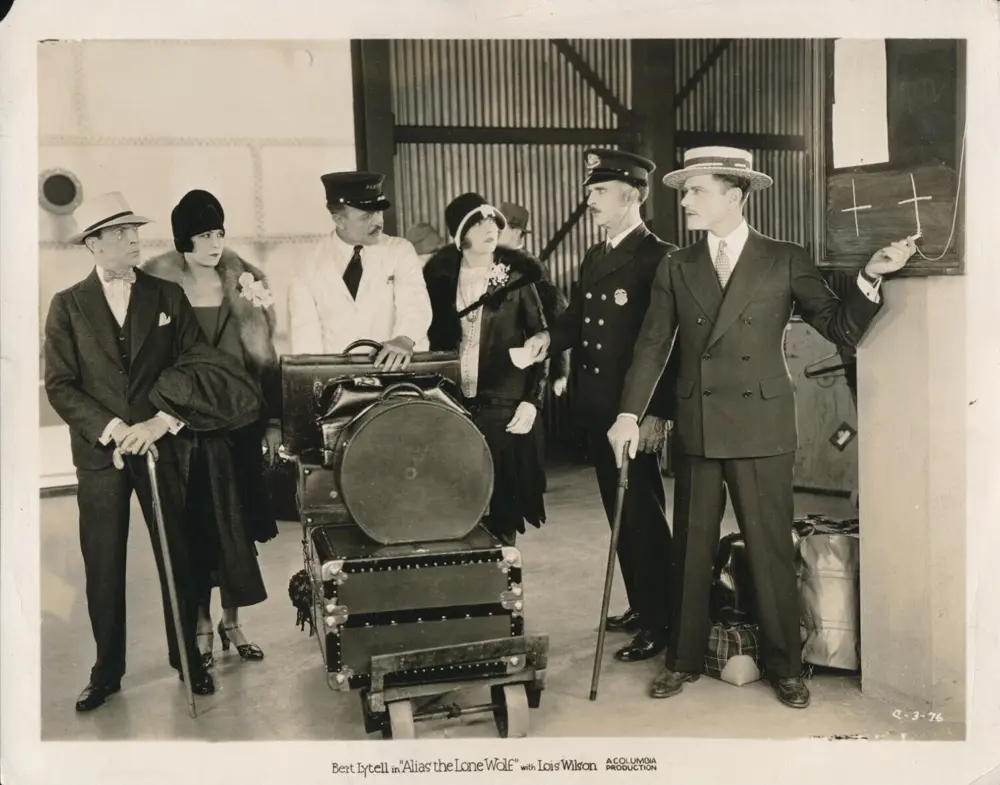
One surprising observation is how the film treats the concept of law and order. The customs officials are initially presented as an obstacle to be avoided, creating a temporary alignment between the audience and the smugglers. This moral ambiguity is what makes the early acts so engaging. When the film eventually aligns itself with the 'Secret Service,' it feels like it’s checking a box to satisfy the censors of the time. It’s a cynical move that robs the film of its more daring implications.
Alias the Lone Wolf is a sturdy, professional piece of filmmaking that serves as a testament to the enduring appeal of the Michael Lanyard character. While it lacks the raw emotional power of Shame or the visual whimsy of Beauty and the Beast, it excels as a genre exercise. It is a film that knows exactly what it wants to be: a sophisticated, slightly dangerous adventure with a romantic heart.
"Lytell doesn't just play a thief; he plays a man who has mastered the art of being invisible in plain sight."
Ultimately, the film succeeds because of its leading man. Lytell anchors the narrative, ensuring that even when the plot becomes absurd, the character remains grounded. If you can forgive the somewhat dated moralizing of the finale, you will find a thriller that is surprisingly modern in its execution. It is a definitive chapter in the Lone Wolf saga and a worthy addition to the library of any silent film enthusiast. It’s not perfect, but it’s essential for understanding where the modern heist movie came from. It is efficient. It is stylish. It is a ghost of a genre that still haunts our screens today.
IMDb —
1917
Community
Log in to comment.