DbcultAccessing Vault...
Cult Review
Senior Film Conservator
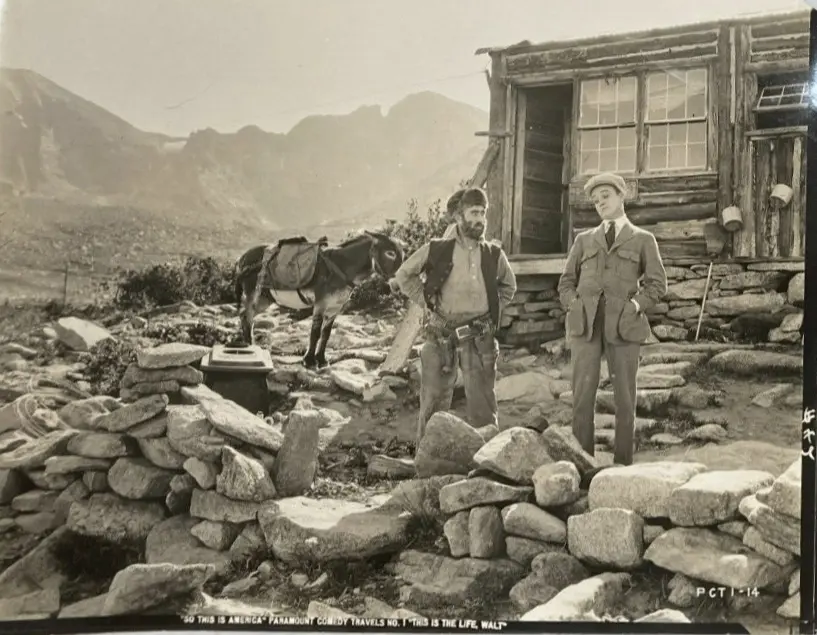
Should you invest your time in this 1916 relic? Short answer: Only if you possess a deep-seated fascination with the architectural foundations of American social cinema.
This film is specifically for the archival hunter and the student of silent-era sociology. It is not for anyone seeking modern narrative pacing or even the high-octane visual spectacle found in later silent epics.
1) This film works because it prioritizes a raw, unvarnished look at social stratification that was rarely seen in the mid-1910s.
2) This film fails because its heavy-handed moralizing often distracts from the genuine human drama it attempts to cultivate.
3) You should watch it if you want to understand how the 'social problem film' was born before the medium had even perfected the close-up.
The film opens with a sequence that feels surprisingly modern in its cynicism. We see the arrival of the hopeful, yet the camera lingers on the soot and the shadows of the tenements. It lacks the polish of Pampered Youth, but it gains a certain honesty from its relative lack of artifice.
The acting is typical of the period—broad and gestural. However, there is a specific scene involving a breadline where the lead actor drops the pantomime for a moment of genuine, quiet exhaustion. It is in these small cracks that the film finds its power.
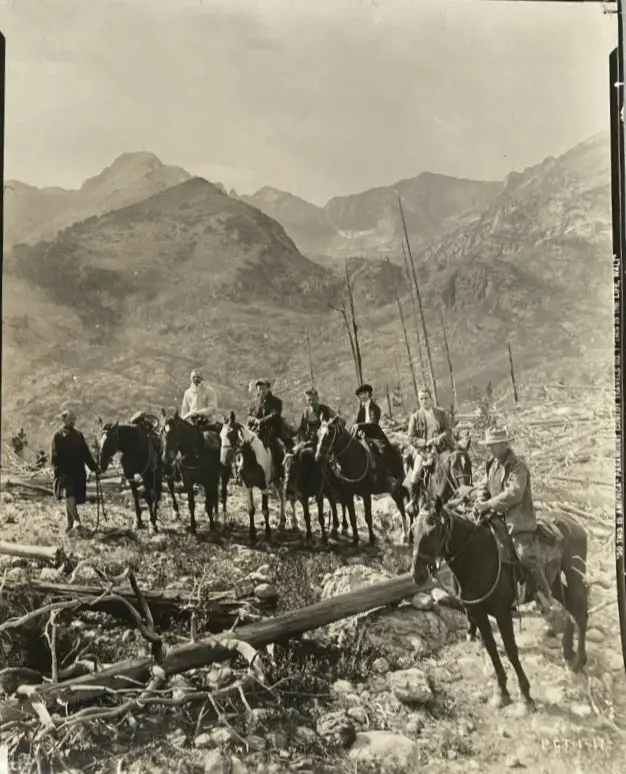
Compared to the more adventurous spirit of The Last Frontier, 'So This Is America' feels claustrophobic. This is intentional. The director wants you to feel the squeeze of the city.
John G. Adolfi’s direction is functional, bordering on the utilitarian. He doesn't have the poetic flair seen in Le lys du Mont Saint-Michel, but he understands how to use deep focus to show the scale of a factory floor.
The cinematography is static, yet the composition of the frame often tells a secondary story. Notice how the wealthy characters are always placed in the upper third of the frame, literally looking down on the protagonists. It is subtle, for 1916.
The pacing is the film's greatest enemy. It crawls. Where a film like The Fighting Brothers uses movement to sustain interest, this film relies on long title cards that over-explain the emotional stakes.
The story isn't just about poverty; it’s about the death of an ideal. This is a bold stance for a film made during a period of intense American nationalism. It dares to ask if the country is living up to its own marketing.
There is a recurring motif of a tattered flag in the background of some of the poorest interior sets. It’s a punchy, almost aggressive visual choice. It’s not subtle. But it works.
One might compare this to the psychological depth of Isterzannye dushi. While the Russian influence is different, both films share a fascination with the breaking point of the human spirit under pressure.
Pros:
Cons:
When placed alongside The Exiles, 'So This Is America' feels much more grounded in the immediate struggle of the present. While other films of the era were exploring the frontier or ancient history, this was looking at the street corner.
It lacks the technical ingenuity of Ultus, the Man from the Dead, which focused on thrills and spills. Instead, it asks the audience to sit in discomfort. It is a difficult watch, but an important one for the lineage of the medium.
In the context of other 1916 releases like Nimrod Ambrose, it stands out for its lack of whimsy. It is a serious film for a serious time, even if its techniques now feel primitive.
'So This Is America' is a fascinating, if flawed, artifact. It isn't a masterpiece. It is a blueprint. It shows a medium beginning to realize it can do more than just entertain—it can accuse.
The film’s insistence on showing the grime beneath the gold leaf of the Gilded Age makes it a necessary watch for anyone trying to trace the history of the American political film. It is rough. It is slow. But it is honest in its own way.
"A stark, uncompromising look at the fractures in the early 20th-century American Dream, proving that cinema has always been a tool for social rebellion."
Final thought: If you can handle the silence and the stiltedness, you will find a film that is surprisingly loud in its convictions. It’s not an easy journey, but for the right viewer, it’s a rewarding one.
IMDb —
1920
Community
Log in to comment.