DbcultAccessing Vault...
6.7/10
Senior Film Conservator
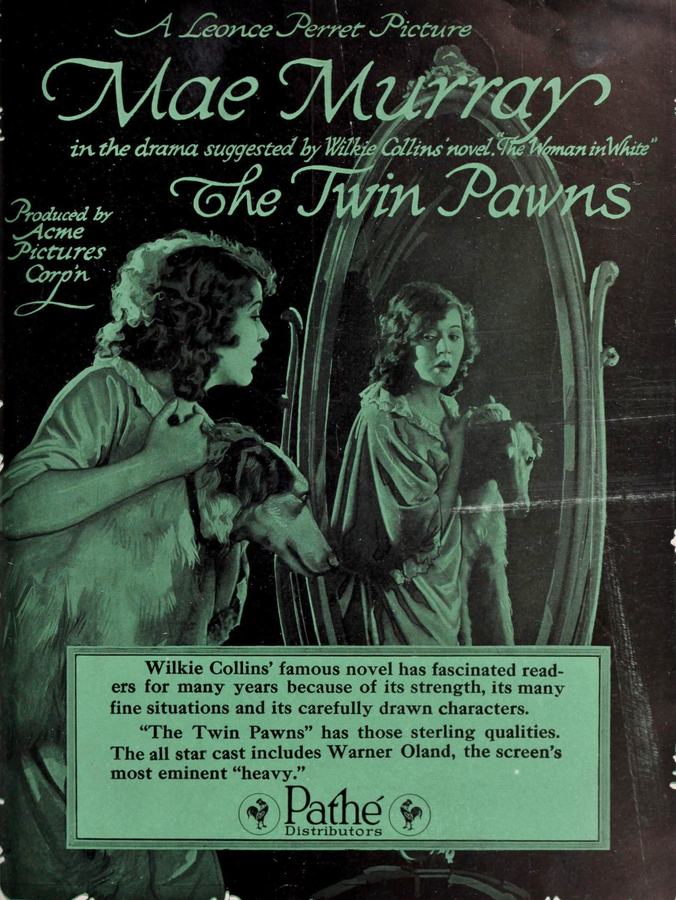
A definitive 6.7/10 rating for a film that redefined the boundaries of cult cinema. The Twin Pawns remains a cornerstone of transgressive art.
Stepping back into the annals of silent cinema often feels like unearthing a forgotten language, a gestural symphony that communicates profound narratives without a single uttered word. Léonce Perret’s The Twin Pawns, a film that masterfully navigates the treacherous waters of identity, class, and manipulation, stands as a testament to the era’s storytelling prowess. Drawing from the intricate narrative tapestries of Wilkie Collins, this cinematic endeavor, penned by Collins himself and Perret, plunges viewers into a world where familial bonds are severed, and lives are tragically reconfigured by the machinations of a truly villainous figure. It’s a melodrama of the highest order, but one executed with such a keen eye for human frailty and resilience that it transcends mere sensationalism.
At its core, The Twin Pawns presents a stark dichotomy: the opulent existence of Violet White and the impoverished plight of her identical twin, Daisy. Separated at birth, these two sisters represent the extreme poles of societal fortune. Violet, portrayed with a delicate blend of innocence and entitled naiveté by the incomparable Mae Murray, revels in the doting affection of her indulgent father, Harry. Her world is one of unbridled luxury, a stark contrast to Daisy’s grim reality. Daisy, also brought to life with a heartbreaking vulnerability by Murray, endures a life of deprivation, ill-clad and underfed, a fragile blossom struggling to survive in the desolate landscape of the slums. Murray’s dual performance is nothing short of breathtaking, a nuanced exploration of two distinct personalities bound by shared DNA but shaped by vastly different environments. Her ability to convey Violet’s pampered spirit and Daisy’s resilient despair, often within moments of each other, is a masterclass in silent film acting, reminding one of the emotional depth achieved in The White Sister, where Lillian Gish similarly conveyed profound suffering and grace.
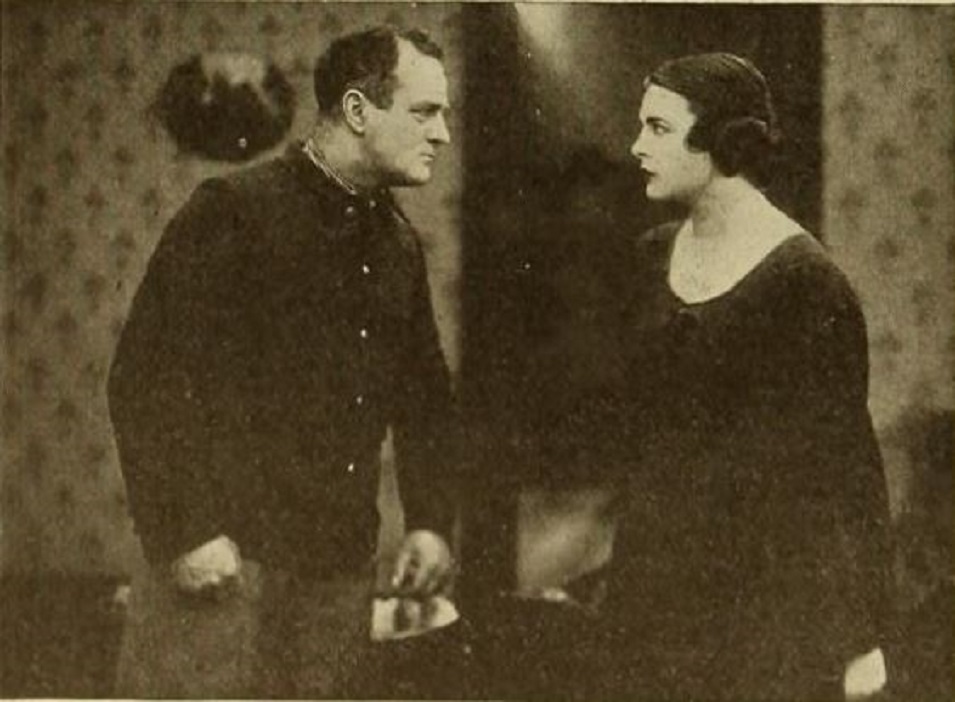
The true architect of this tragic saga is John Bent, a character brought to chilling life by Warner Oland. Oland, a veteran of the screen, imbues Bent with a reptilian cunning and a cold, calculating intellect that makes him a truly formidable antagonist. Bent is not merely a villain; he is a manipulator of the highest caliber, a puppeteer pulling the strings of destiny for his own nefarious gain. He possesses crucial papers that confirm Daisy’s true lineage, her rightful claim as Harry White’s daughter. By shrewdly concealing this truth, Bent gains leverage, transforming the unsuspecting twins into mere "pawns" in his intricate game of power and wealth. His schemes are elaborate, a testament to the darker side of human ambition. The way he exploits the societal vulnerabilities of the era, particularly the lack of agency for women and the stark class divides, makes his actions even more reprehensible. One can draw parallels to the insidious manipulation found in films like A Mother's Secret, where secrets similarly shatter lives, but Bent's grander scale of deception here feels particularly audacious.
The narrative’s descent into deeper shadows commences when Bent, having forced Violet into an unwanted marriage, capitalizes on her untimely death. With a chilling audacity, he orchestrates Daisy’s substitution for her deceased twin, a switch that hinges entirely on their identical appearance and the carefully managed ignorance of those around them. This pivotal plot point, a hallmark of Wilkie Collins’s suspenseful narratives, is handled with an exquisite tension by Perret. The audience is privy to Bent’s machinations, creating a palpable sense of dramatic irony as we watch Daisy unwittingly step into a life that was never hers, a life fraught with danger and the constant threat of exposure. Warner Oland’s portrayal of Bent during these sequences is particularly compelling; his subtle glances and controlled demeanor betray a mind constantly calculating, ever watchful for any crack in his meticulously constructed façade.
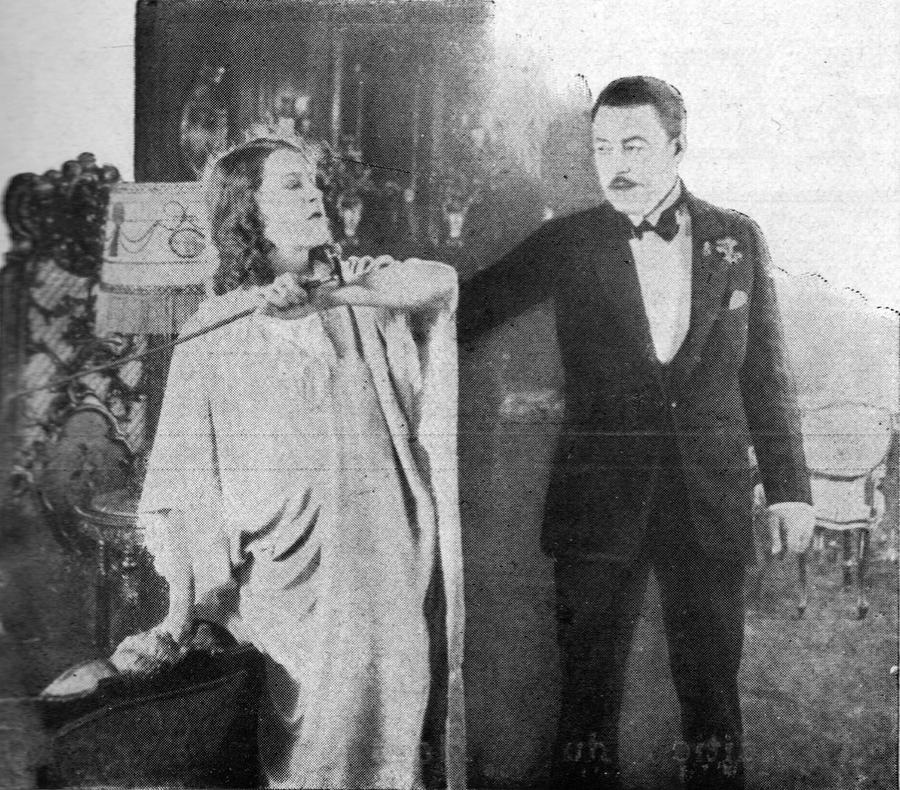
Bent’s cruelty escalates further when he disposes of Daisy by declaring her insane, subsequently confining her to an asylum. This act, a horrifyingly common tactic of the time to silence inconvenient women, is rendered with a visceral impact. It’s here that the film truly explores the themes of identity stripped away, of agency denied. Daisy, already a victim of circumstance, becomes a victim of a system that can be easily exploited by the powerful. Her imprisonment, a fate worse than death for a free spirit, seems to seal Bent’s victory. The narrative builds to a crescendo of despair, leaving the audience to question if any justice can truly prevail against such calculated malevolence. This sense of encroaching doom and the desperate struggle against an unseen enemy resonates with the tension found in other period thrillers, like the more overtly adventurous The Explorer, though here the battle is fought on a more psychological and social plane.
However, no good melodrama is complete without a hero, and The Twin Pawns delivers in the form of Bob Anderson, played by Jack W. Johnston. Anderson, deeply in love with Daisy, refuses to accept her disappearance or the convenient declaration of her insanity. His unwavering devotion and relentless pursuit of the truth serve as the narrative’s moral compass and its ultimate engine for justice. Johnston portrays Anderson with a steadfast determination, a quiet strength that contrasts sharply with Bent’s flamboyant villainy. His journey to uncover Bent’s deceit and rescue Daisy is the very essence of the knight challenging the black knight, a classic trope given fresh life through the silent film medium. The audience is invested in his quest, rooting for the triumph of genuine affection over cold-hearted manipulation. His role is reminiscent of the determined heroes in serials like Beatrice Fairfax Episode 8: At the Ainsley Ball, where tenacity in the face of overwhelming odds is key.
Léonce Perret’s direction is a masterclass in silent film artistry. He employs visual storytelling with remarkable precision, using close-ups to convey emotional intensity, long shots to establish the vast social chasm between the twins’ worlds, and dynamic editing to build suspense. The pacing is deliberate, allowing the intricate plot to unfold naturally, yet never dragging. The intertitles, crucial in silent films, are crafted with a poetic flair, enhancing the narrative without over-explaining. The set design, though perhaps not as lavish as in epics like Salome, effectively differentiates Violet’s privileged surroundings from Daisy’s squalid existence, visually reinforcing the film’s central conflict of class. The use of light and shadow, a common technique in the era, is particularly effective in highlighting the moral ambiguity and the lurking danger that permeates Bent’s world.
The film’s lineage, stemming from Wilkie Collins, is evident in its elaborate plot structure and its exploration of themes like mistaken identity, secret documents, and the vulnerability of women in a patriarchal society. Collins, known for his intricate mysteries and social commentaries, finds a sympathetic interpreter in Perret, who translates the literary suspense into compelling visual drama. The adaptation is seamless, retaining the intellectual thrill of Collins’s work while imbuing it with the emotional immediacy of cinema. This faithfulness to its source material, while also innovating for the screen, is a delicate balance that Perret achieves with finesse, much like the successful adaptations of literary works seen in films such as Madeleine.
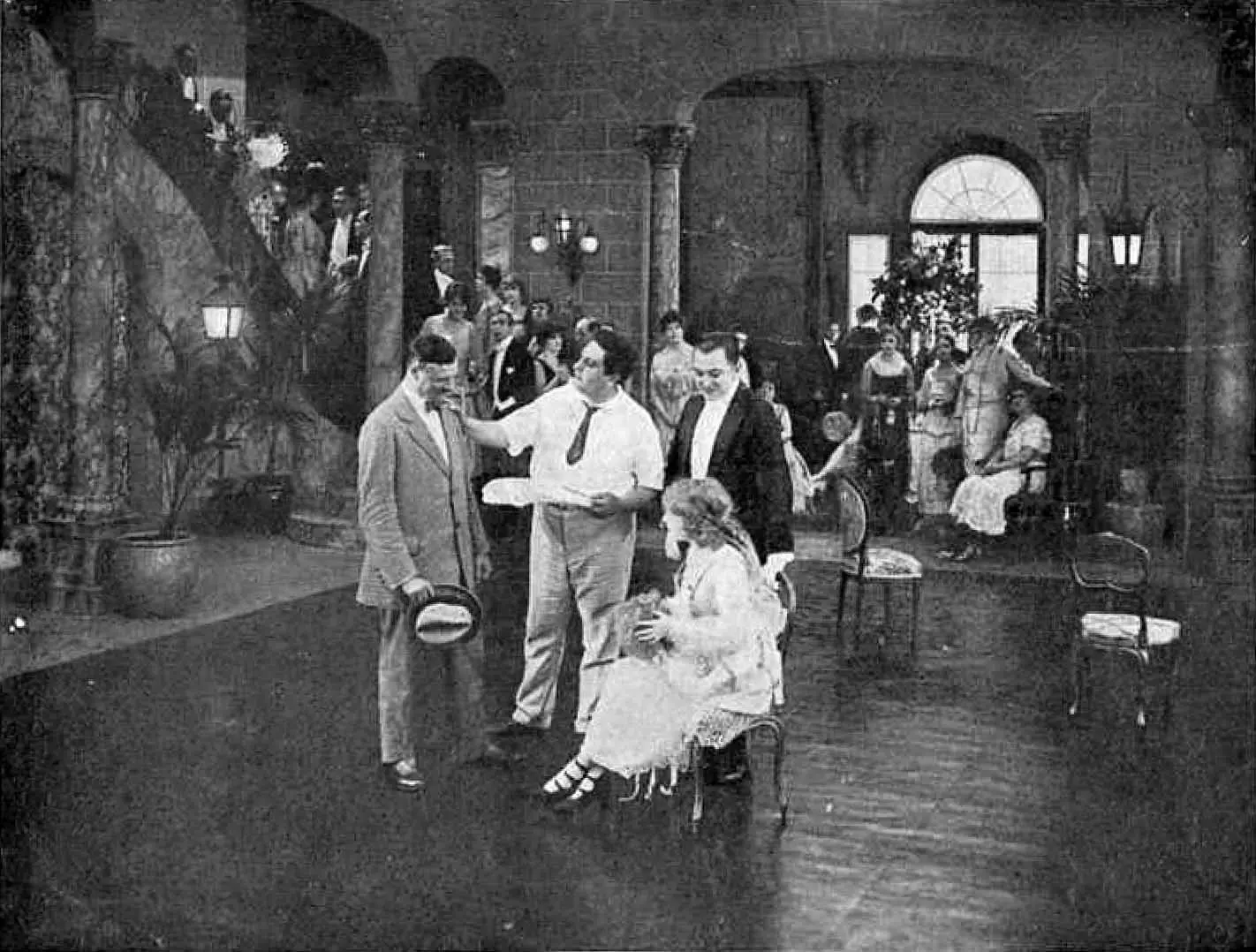
The ensemble cast, under Perret’s meticulous guidance, delivers performances that elevate the material beyond mere melodrama. Mae Murray, as mentioned, is the film’s luminous centerpiece. Her ability to switch between the two distinct personalities of Violet and Daisy with such conviction is truly remarkable. She doesn’t just change costumes; she transforms her entire demeanor, her posture, her gaze, making it utterly believable that two different women occupy the screen. Henry G. Sell, as Harry White, Violet’s indulgent father, conveys a poignant innocence, making his eventual unwitting participation in Bent’s schemes all the more tragic. His blind spot for his beloved daughter's true nature, and later for the deception, underscores the insidious nature of Bent’s manipulation. Jack W. Johnston’s Bob Anderson is the embodiment of steadfast heroism, a character whose moral rectitude shines brightly against the encroaching darkness. His portrayal grounds the fantastical elements of the plot in a relatable human emotion: unwavering love.
Warner Oland, however, is the film's undeniable black heart. His performance as John Bent is a masterclass in controlled villainy. He is not a mustache-twirling caricature but a chillingly plausible antagonist whose quiet menace is far more terrifying than any overt display of evil. Oland’s Bent is a man who understands human weaknesses and exploits them with surgical precision. His eyes, often narrowed in contemplation, betray the machinations of a mind constantly at work, calculating his next move. The film truly shines in the scenes where Bent believes he has secured his victory, only for the audience to anticipate the inevitable unraveling of his plans. This nuanced portrayal of villainy is a highlight, standing out even against the more overt antagonists of films like Oh, Johnny!, where the conflict is often more overtly physical.
Beyond its thrilling plot, The Twin Pawns delves into profound themes that remain resonant today. The exploration of nature vs. nurture, as seen in the divergent paths of Violet and Daisy, is particularly compelling. Are we products of our birthright or our environment? The film suggests a complex interplay, where inherent qualities meet the molding force of circumstance. The stark social commentary on class disparity is also unmistakable. Daisy’s suffering is not just personal; it is a reflection of the systemic injustices faced by the indigent. The film implicitly critiques a society where wealth grants power and anonymity, while poverty renders one vulnerable and easily discarded. This social critique, woven into the fabric of a compelling narrative, elevates The Twin Pawns beyond mere entertainment, placing it in conversation with other socially conscious films of the era, such as Patria nueva, which also explored societal injustices.
The film’s ultimate resolution, with Bob Anderson’s heroic intervention leading to the "checkmate" of John Bent, offers a satisfying, albeit hard-won, triumph of good over evil. It’s a classic narrative arc, but one that feels earned through the trials and tribulations faced by Daisy. The emotional catharsis derived from Bent’s downfall is palpable, a testament to the audience’s deep investment in Daisy’s fate. The Twin Pawns, therefore, is not merely a historical curiosity but a vibrant piece of cinematic art that continues to engage and provoke thought. Its intricate plot, powerful performances, and masterful direction ensure its place as a significant contribution to the silent film era, a complex tapestry of human drama that reminds us of the enduring power of storytelling, irrespective of sound. It showcases how silent films, through their unique visual language and the expressive capabilities of their actors, could convey intricate emotions and complex narratives with a depth that rivals, and sometimes even surpasses, their talking counterparts. It truly is a film that deserves to be rediscovered, a hidden gem that reveals the rich narrative possibilities of early cinema.
The film’s influence, while perhaps not as widely recognized as some of the more overtly celebrated silent epics, lies in its meticulous construction of suspense and its exploration of psychological manipulation. It demonstrates how effective a tightly plotted narrative can be when combined with compelling characterizations. For those interested in the evolution of cinematic storytelling, particularly the development of the thriller and the melodrama, The Twin Pawns offers invaluable insights. It’s a film that demands attention, not just for its historical significance, but for its sheer entertainment value and its ability to draw you into a world of deceit, despair, and ultimately, redemption. Its intricate plot and strong performances leave a lasting impression, a testament to the enduring craft of its creators and the timeless appeal of a well-told story.
In conclusion, The Twin Pawns is a powerful and poignant example of silent film at its dramatic best. It’s a narrative rich with emotional depth, moral complexity, and the kind of gripping suspense that keeps an audience enthralled from start to finish. Mae Murray’s dual role is a tour de force, Warner Oland’s villain is chillingly effective, and Léonce Perret’s direction is a masterclass in visual storytelling. This film is a compelling argument for the enduring artistic merit of silent cinema and a must-see for anyone who appreciates a meticulously crafted tale of human struggle and triumph against overwhelming odds. It stands as a powerful reminder that the most profound stories often need no words to resonate deeply within the human heart.
IMDb 7
1925
Community
Log in to comment.