DbcultAccessing Vault...
7.7/10
Senior Film Conservator
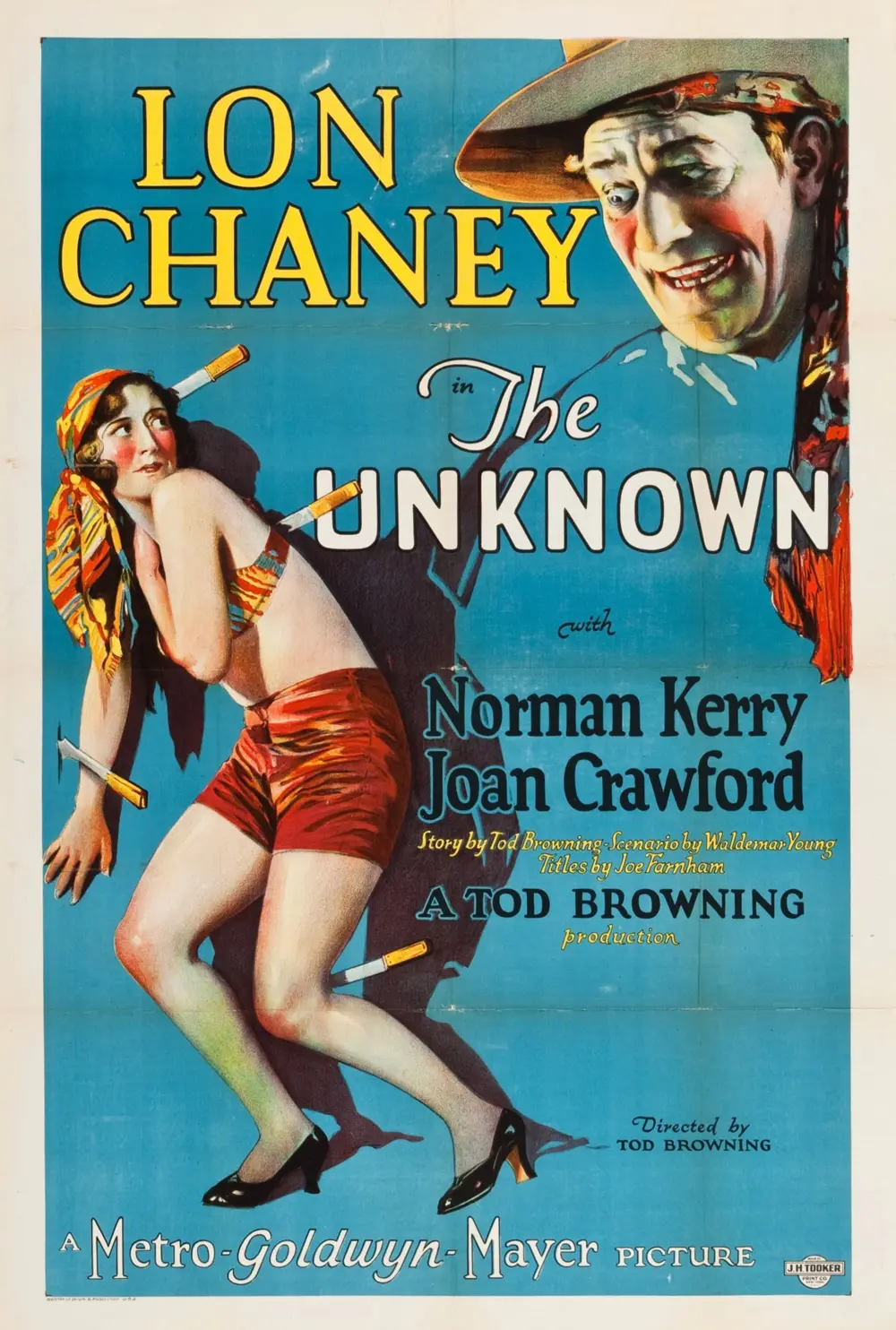
A definitive 7.7/10 rating for a film that redefined the boundaries of cult cinema. The Unknown remains a cornerstone of transgressive art.
Does The Unknown still hold the power to shock a modern audience after nearly a century? Short answer: Yes, but only if you are prepared for a psychological descent into the darkest corners of unrequited obsession.
This film is for the viewer who craves the macabre and appreciates the physical extremity of silent cinema; it is not for those who require a sympathetic protagonist or a comforting moral resolution.
1) This film works because Lon Chaney’s physical commitment is so absolute that you forget you are watching a performance and start believing you are witnessing a genuine human transformation.
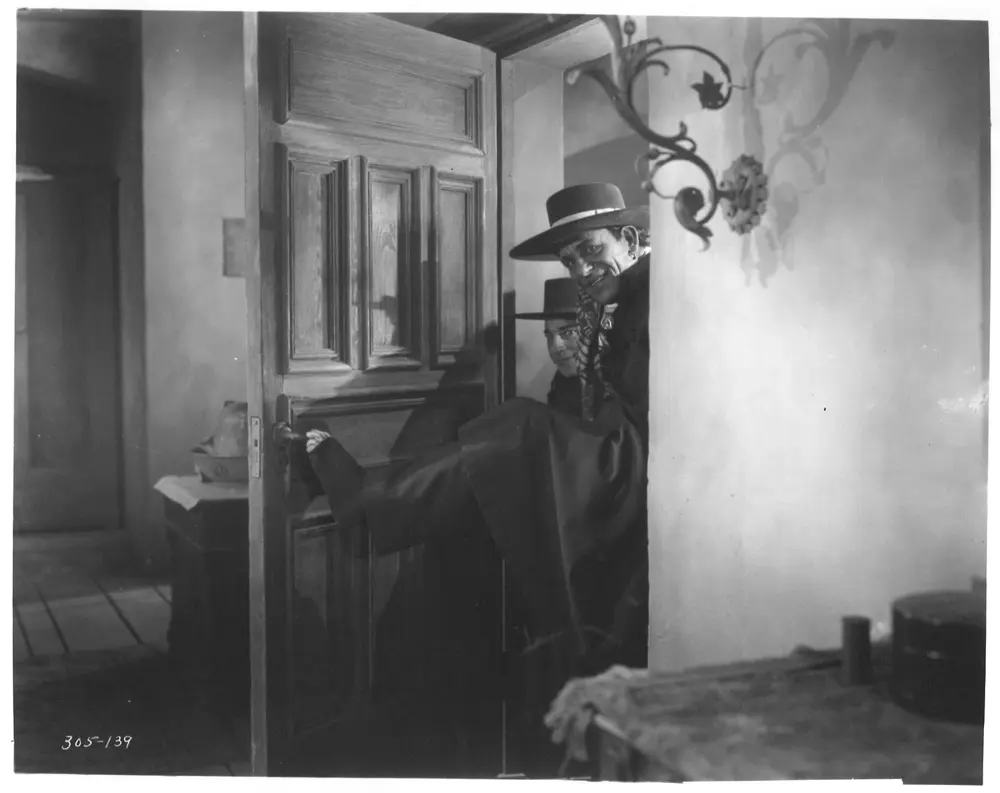
2) This film fails because the secondary circus performers are often relegated to caricature, lacking the psychological depth afforded to the central trio.
3) You should watch it if you want to see the exact point where silent-era melodrama evolved into the visceral body horror that would later define directors like David Cronenberg.
Lon Chaney was known as the 'Man of a Thousand Faces,' but in The Unknown, his most impressive tool isn't a mask—it’s his torso and his toes. To play Alonzo, Chaney had his arms bound tightly to his body, a feat of endurance that reportedly caused him significant physical pain during the shoot. This wasn't just for show; it informs the way he moves, a constricted, serpentine slither that makes him feel like a predator in hiding.
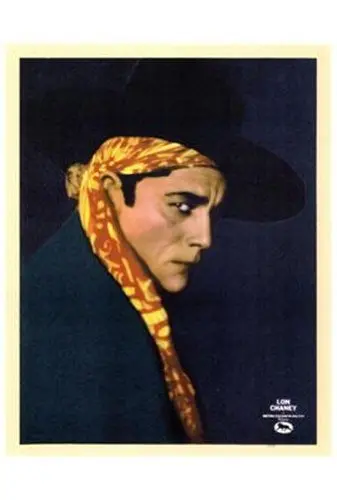
Take, for instance, the scene where he smokes a cigarette and drinks wine using only his feet. It’s not just a circus trick. The way his eyes dart toward Nanon while his toes deftly handle the glass is chilling. It shows a man who has mastered his deception so thoroughly that the lie has become his reality. Unlike the theatricality found in David Garrick, Chaney’s acting here is internal, focused, and terrifyingly still.
There is a brutal honesty in his performance. When he realizes that Nanon’s fear of hands is his only way 'in,' his expression isn't one of sympathy, but of calculated triumph. He is a man who sees a woman's trauma as a bridge to her bed. It is a performance that feels uncomfortably modern in its depiction of toxic entitlement.
A very young Joan Crawford provides the perfect foil to Chaney’s darkness. Her portrayal of Nanon is a study in nervous energy. She is a woman literally repulsed by the tactile world of men. While some might compare her early work here to the more traditional heroine roles in Joan of Arc, Crawford in The Unknown is far more primal. Her fear isn't a plot device; it's a palpable, vibrating dread.
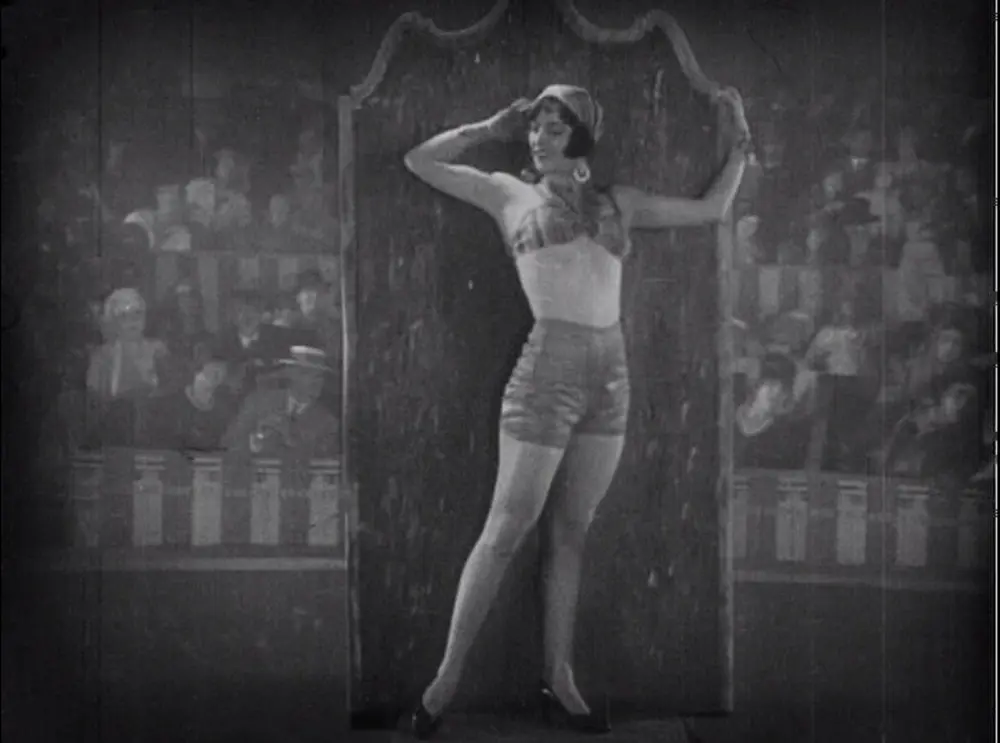
The chemistry between the two is perverse. Nanon feels safe with Alonzo because she believes he is incapable of grasping her. She leans against his shoulder, finding comfort in his 'armlessness,' unaware that his actual arms are pinned against his chest, itching to hold her. It is one of the most suspenseful dynamics in silent cinema. Every hug is a potential exposure of his secret.
When Nanon eventually encounters Malabar the Strongman, played by Norman Kerry, the contrast is stark. Malabar represents the 'hands' she fears—strength, grip, and physical dominance. The film sets up a fascinating triangle where the 'safe' man is actually a murderer and the 'scary' man is actually quite gentle. It subverts the expectations found in films like The Price of Fame, where heroes and villains are more clearly delineated.
Director Tod Browning had a lifelong obsession with the 'fringes' of society, having run away to join a circus in his youth. This lived experience shines through in the gritty, unglamorous depiction of the carnival. This isn't the sparkling spectacle of Legend of Hollywood; it’s a place of dust, sweat, and simmering resentment. The circus is a cage where everyone is hiding something.
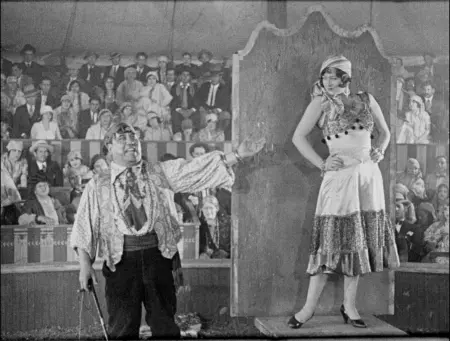
Browning’s direction is lean. He doesn't waste time on flowery intertitles. He lets the camera linger on the grotesque details: the double thumb, the surgical knives, the strained muscles of the strongman. The pacing is relentless. Once Alonzo decides to go through with the amputation, the film moves with the cold logic of a nightmare.
The cinematography by Merritt B. Gerstad uses high-contrast shadows to emphasize Alonzo’s dual nature. In the scenes where Alonzo is alone with his confidant Cojo, the lighting is harsh, revealing the physical strain of his deception. In public, he is draped in the soft, deceptive light of the performer. It’s a visual representation of a fractured psyche.
The film’s climax is often discussed for its irony, but I would argue it is one of the most nihilistic endings in Hollywood history. Alonzo’s decision to cut off his arms is the ultimate act of 'incel' logic—he believes that by mutilating himself, he has 'purchased' Nanon's love. He doesn't see her as a person, but as a prize for his suffering.
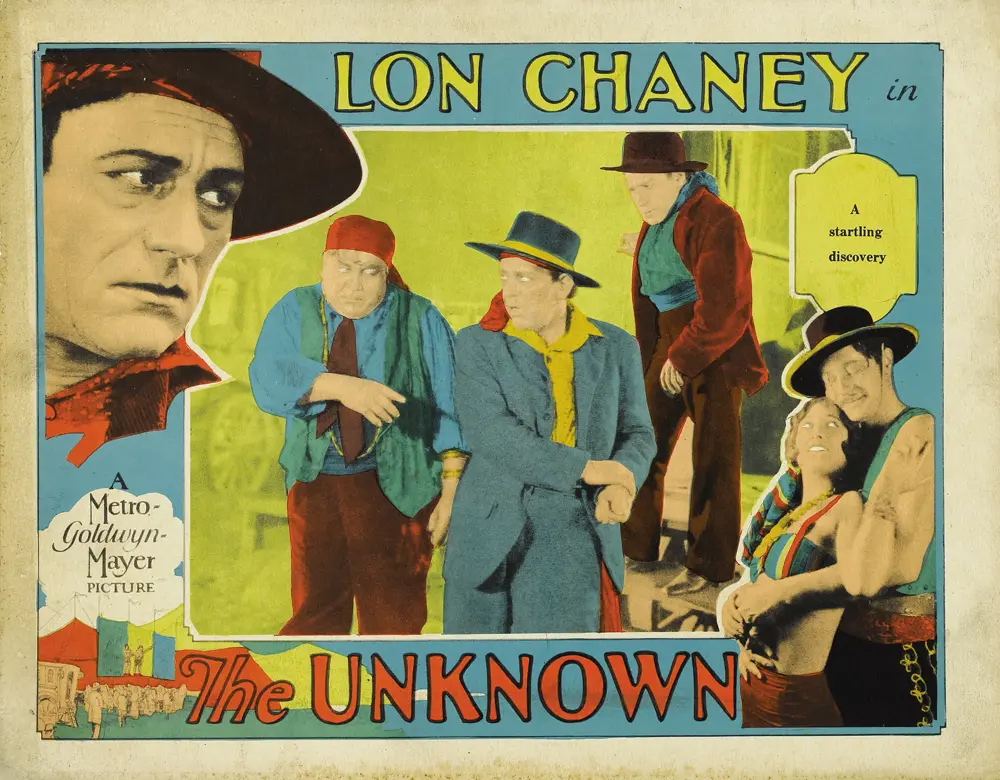
The moment he returns, armless, only to find that Nanon has conquered her phobia and fallen for Malabar’s hands, is devastating. It is a punch to the gut. The film doesn't offer him pity. It mocks him. The final sequence involving the two horses and the treadmill is a chaotic, mechanical hellscape that perfectly mirrors Alonzo's internal collapse.
Some critics suggest this ending is too reliant on coincidence. I disagree. It is the only logical conclusion for a man who tried to build a relationship on a foundation of lies and self-destruction. It works. But it’s flawed in its suddenness. The transition from the surgery to the return feels a bit rushed, almost as if the film couldn't wait to get to its cruel punchline.
Yes, you should watch it. The film remains a shocking example of early horror cinema. It features a career-defining performance by Lon Chaney. It is brief, intense, and emotionally devastating. Modern viewers will find its themes of body dysmorphia and toxic obsession surprisingly contemporary. It avoids the creaky tropes of its era to deliver something genuinely disturbing.
Pros:
Cons:
The Unknown is a cold, hard look at the price of obsession. It lacks the warmth of The Affairs of Anatol and the comedic lightness of Hands Up, but that is exactly why it survives. It is a singular vision of a man who literally disarms himself in a futile attempt to possess another human being. It is ugly, it is painful, and it is essential cinema. He cut off his arms for nothing. And that is the most terrifying thing about it.
IMDb 6
1926
Community
Log in to comment.