DbcultAccessing Vault...
Cult Review
Senior Film Conservator
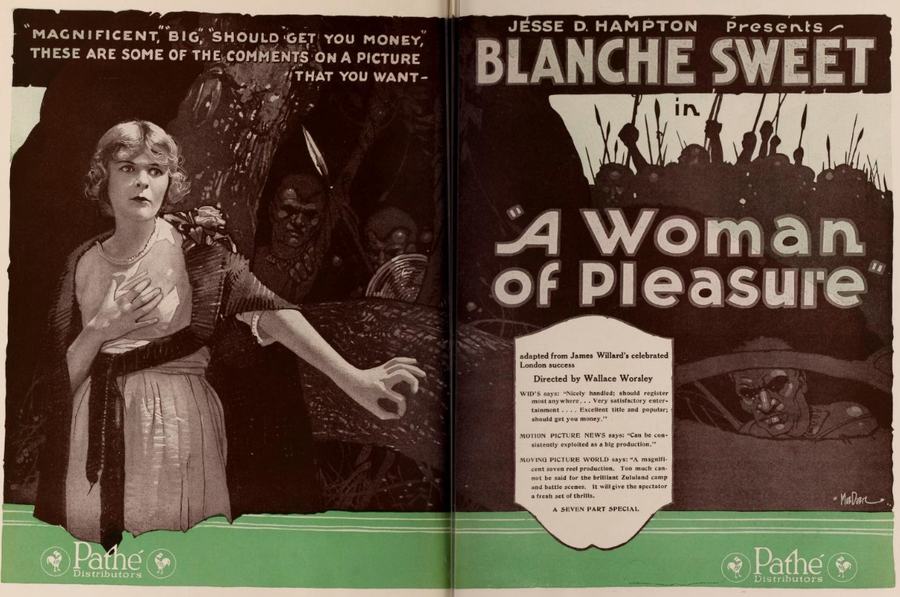
Stepping back into the annals of early cinema, one encounters films that, despite their age and the rudimentary technology of their time, resonate with surprisingly modern themes and emotional depth. Such is the case with A Woman of Pleasure, a 1919 silent drama that, beneath its melodramatic surface, probes the weighty questions of moral compromise, societal expectation, and the brutal realities of power. Directed by George Elwood Jenks, this film, featuring the luminous Blanche Sweet, offers a fascinating glimpse into the storytelling sensibilities of a bygone era, while simultaneously presenting a narrative that, in its core dilemmas, feels remarkably timeless.
At the heart of this compelling narrative is Alice Dane, portrayed with captivating intensity by Blanche Sweet. Alice is not merely a damsel in distress; she is a woman cornered by life's cruelties. Her father's infirmity and her own impoverished status force her hand, leading her to witness a truly heinous act committed by the nefarious Sir John Turnbull. This pivotal moment, the callous disposal of a rival over a cliff, sets in motion a chain of events that will irrevocably alter Alice's destiny. Turnbull, a character etched in the darkest shades of villainy, offers Alice a proposition that is as pragmatic as it is morally repugnant: marriage and financial security in exchange for her silence. The legal loophole, that a wife cannot testify against her husband, becomes his shield, and Alice's desperate circumstances become his leverage.
Sweet's portrayal of Alice is a masterclass in silent acting. Without a single spoken word, she conveys the internal struggle, the reluctant acceptance, and the subsequent degradation of a woman trapped in a loveless and humiliating union. Her eyes, her posture, the subtle shifts in her facial expressions speak volumes, painting a portrait of a soul in quiet agony. One cannot help but draw parallels to other strong female protagonists of the era who navigated treacherous social landscapes, perhaps even a proto-feminist spirit glimpsed in films like The Greater Woman, which also explored women's agency and resilience against oppressive forces. Alice's initial motivation isn't malice or greed, but a stark need for survival and the desire to provide for her ailing father, coupled with a longing for a life that offers more than constant struggle. This humanizing element prevents her from becoming a mere plot device, instead establishing her as a complex figure whose choices, however regrettable, are understandable within her dire context.
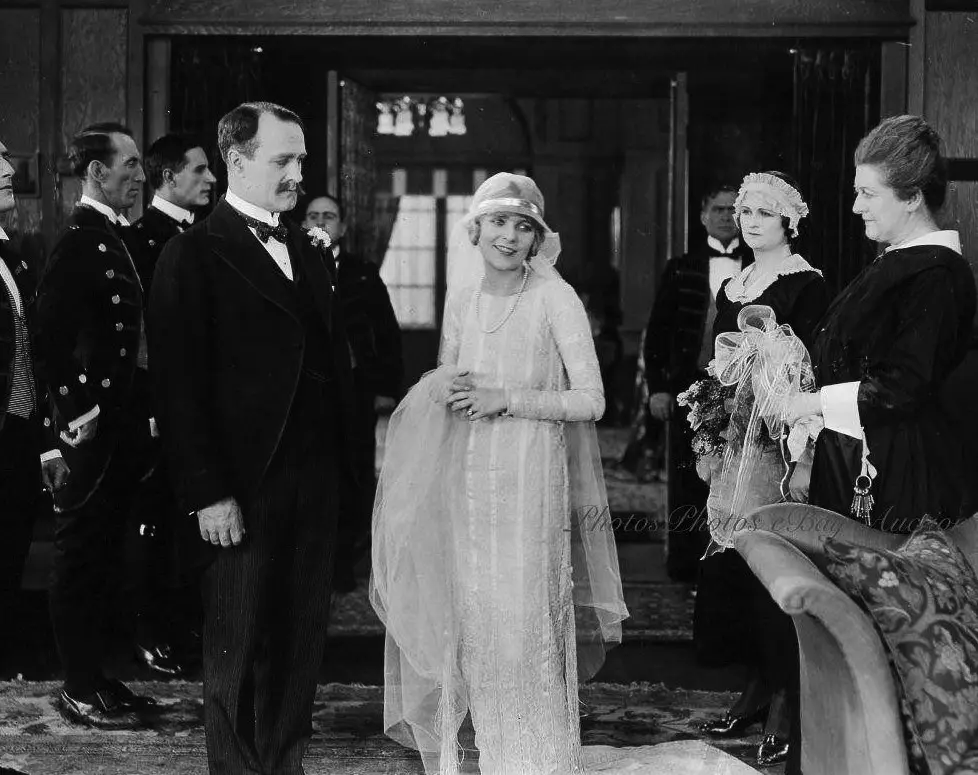
Milton Ross embodies Sir John Turnbull with a chilling precision. Turnbull is not a caricature of evil; he is a man of calculated cruelty, driven by self-preservation and an insatiable lust for power. His manipulation of Alice, his casual disregard for human life, and his ultimate hubris paint a vivid picture of a truly detestable antagonist. The film doesn't shy away from depicting his moral bankruptcy, making him a compelling, if reprehensible, force in the narrative. His character serves as a stark reminder of the corrosive effects of unchecked power, a theme explored in various forms across cinematic history, from the more nuanced villainy in films like The Lash of Power to the more overt malevolence seen in adventure serials. Turnbull's presence casts a long, suffocating shadow over Alice's existence, making her eventual liberation all the more poignant.
The narrative takes a dramatic turn as the action shifts from the constrained drawing rooms of England to the sprawling, untamed landscapes of South Africa. This geographical relocation is more than just a change of backdrop; it signifies a profound escalation of the stakes. Bobby Ralston, the superintendent of Turnbull's mines, brings news of a Zulu uprising, a development that endangers Turnbull's colonial interests. The film, in its depiction of the Zulu people and the conflict, reflects the prevailing attitudes and narrative conventions of the early 20th century. While modern viewers will undoubtedly find aspects of this portrayal problematic through a contemporary lens, it's crucial to contextualize it within the historical framework of its production. The Zulus are presented as a formidable, if somewhat generalized, force, serving primarily as catalysts for the escalating drama and as an external threat that pushes the main characters to their limits. This kind of exotic setting and conflict was a popular trope in early cinema, much like the adventurous spirit seen in films such as The Dawn Maker, though A Woman of Pleasure uses it to highlight the moral decay of its antagonist.
It is in this crucible of colonial tension that Turnbull's depravity reaches its zenith. His cold-blooded murder of a Zulu emissary, who approaches under a flag of truce, is a moment of shocking brutality. This act not only seals his fate but also directly imperils Alice, who is taken hostage by the enraged Zulus. The film masterfully builds suspense around Alice's impending doom, with the threat of being burned at the stake hanging heavy over the narrative. This sequence, though potentially sensationalized, effectively underscores the precariousness of life in this setting and the grave consequences of Turnbull's actions. The visual storytelling here, relying on expressive acting and stark imagery, is particularly potent, conveying fear and desperation without the need for dialogue.
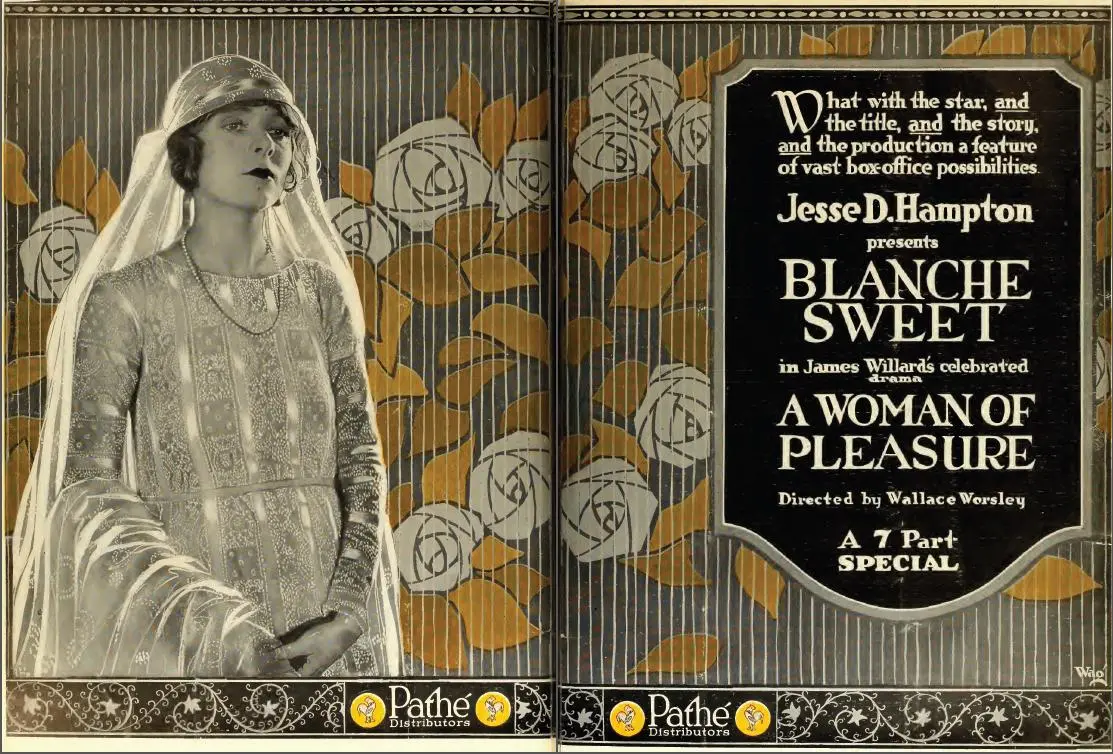
Wilfred Lucas, as Bobby Ralston, embodies the archetypal hero: steadfast, courageous, and deeply moral. His love for Alice, a quiet undercurrent throughout the film, is brought to the forefront when Turnbull, in a final act of psychological torture, dares him to offer himself as the killer. This moment is a powerful test of character, a true 'courage of the common place' as explored in other films like The Courage of the Common Place. Ralston's immediate, selfless acceptance of this impossible choice elevates him to a truly heroic stature. His willingness to sacrifice himself for the woman he loves, even knowing he is innocent, speaks volumes about his integrity and the purity of his affection. The subsequent realization by the Zulus that Ralston is not the guilty party adds a layer of dramatic irony, highlighting Turnbull's manipulative nature even in the face of death.
The ensuing Zulu attack is depicted with a frantic energy, characteristic of action sequences in silent cinema. The escape of Alice and Ralston in an observation balloon provides a thrilling, almost fantastical, moment of respite, a visual spectacle that would have captivated audiences of the time. This escape sequence, while perhaps stretching credulity, serves its purpose in further cementing the bond between Alice and Ralston, and in providing a temporary reprieve from the relentless danger. It's a testament to the ingenuity of early filmmakers to create dynamic and exciting set pieces with limited resources, relying heavily on practical effects and the sheer visual impact of the moving image.
The arrival of reinforcements shifts the tide of battle, bringing the Zulu uprising to an end. However, the film reserves a final, satisfying twist for Sir John Turnbull. In a moment of poetic justice, Cetygoola, the Zulu chief, whose emissary Turnbull so cruelly murdered, emerges from hiding to exact his revenge, killing Turnbull. This resolution, while perhaps convenient, provides a powerful sense of closure. It ensures that Turnbull's villainy does not go unpunished, and that justice, albeit delivered outside the conventional legal system, is ultimately served. This kind of direct, visceral justice was a common narrative device, satisfying audience desires for clear moral outcomes, much like the clear-cut good versus evil often depicted in Westerns such as Lone Star or even more intricate moral tales like The Mark of Cain.
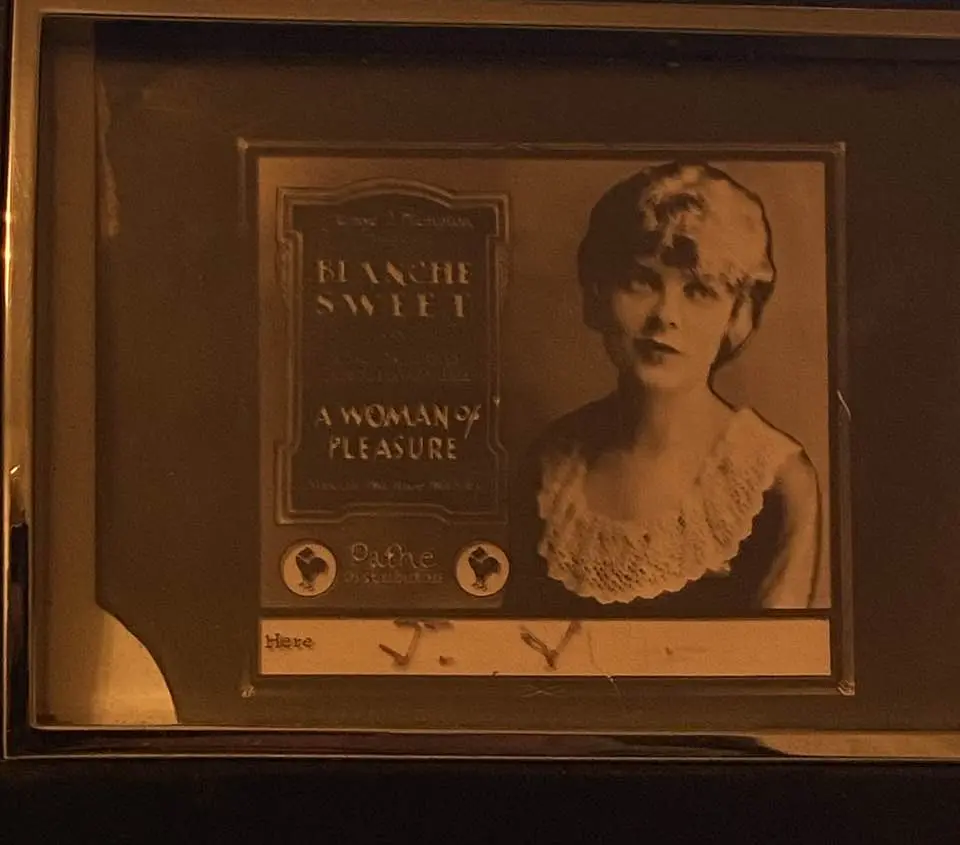
With Turnbull vanquished, the path is cleared for Alice and Ralston. Their freedom to marry symbolizes not just a romantic union, but a triumph of integrity and genuine affection over coercion and deceit. It signifies Alice's redemption from her initial, morally compromised choice, and Ralston's reward for his unwavering courage. The ending, while conventional for its time, feels earned, providing a sense of catharsis after the intense emotional and physical trials the characters have endured. It's a testament to the film's ability to weave together a tale of personal struggle with grand adventure, culminating in a resolution that satisfies both the heart and the moral compass.
A Woman of Pleasure, despite its age, remains a compelling watch for enthusiasts of silent cinema and anyone interested in the evolution of dramatic storytelling. Blanche Sweet's performance is a standout, showcasing her remarkable ability to convey complex emotions without dialogue, cementing her status as one of the era's true stars. The film's ambitious scope, moving from intimate moral dilemmas to grand adventure, demonstrates the burgeoning potential of cinema as a storytelling medium. While some aspects of its cultural representation may feel dated, its core themes of sacrifice, the corrupting influence of power, and the enduring strength of love continue to resonate.
The film serves as a valuable historical document, offering insights into the social anxieties and narrative preferences of 1919. It reminds us that even in the absence of sound, early filmmakers were adept at crafting narratives that could thrill, provoke, and move audiences. The visual language of silent film, often dismissed as simplistic, is here demonstrated to be rich and expressive, relying on exaggerated gestures, poignant close-ups, and dynamic staging to communicate its intricate plot and emotional nuances. Comparing it to other films of the period, such as Neptune's Daughter, one can see the varied approaches to spectacle and narrative, yet A Woman of Pleasure stands out for its darker, more morally ambiguous undercurrents. It’s a film that, like many rediscovered gems of the silent era, rewards careful viewing, offering layers of meaning and a testament to the enduring power of cinematic narrative. It’s a pleasure, indeed, to rediscover such a nuanced piece of cinematic history.
The contributions of writer George Elwood Jenks are evident in the well-structured plot that deftly navigates multiple dramatic shifts and character arcs. The pacing, while deliberate, never feels sluggish, ensuring that the audience remains invested in Alice's perilous journey. The supporting cast, including Wilfred Lucas and Milton Ross, deliver performances that complement Sweet's central role, creating a cohesive and believable world within the confines of the silent screen. This synthesis of strong writing, compelling performances, and ambitious direction makes A Woman of Pleasure more than just a historical curiosity; it's a testament to the foundational artistry of early Hollywood, a film that, despite its century-old vintage, still finds ways to engage and provoke thought. It stands as a powerful example of how compelling drama can transcend technological limitations, relying instead on the universal language of human emotion and conflict.
In a cinematic landscape often dominated by grand spectacles like The Battle of Gettysburg, A Woman of Pleasure carves out its niche by balancing epic adventure with deeply personal moral stakes. It's a film that asks us to consider the price of survival, the nature of evil, and the redemptive power of love and sacrifice. It's a journey worth taking for any cinephile eager to explore the foundational narratives that shaped the art form we cherish today. The film’s intricate plot, while rooted in a specific historical context, touches upon universal human experiences that continue to resonate, making it a valuable piece of cinematic heritage that deserves to be seen and appreciated by new generations of viewers. The visual storytelling, characteristic of the silent era, compels the audience to engage more deeply with the characters' non-verbal cues, making for a uniquely immersive experience that modern cinema, with its reliance on dialogue, often struggles to replicate.
The enduring impact of films like A Woman of Pleasure lies not just in their historical significance but in their capacity to tell a compelling story. It's a narrative that, despite its age, feels remarkably relevant in its exploration of power dynamics and personal integrity. The journey of Alice Dane, from a woman trapped by circumstance to one who finds her freedom and true love, is a powerful testament to the human spirit's resilience. It reminds us that even in the most challenging of times, acts of courage and selflessness can pave the way for a brighter future. This film, with its intricate plot and strong characterizations, stands as a beacon of early cinematic achievement, offering a rich tapestry of drama, adventure, and timeless human struggle.
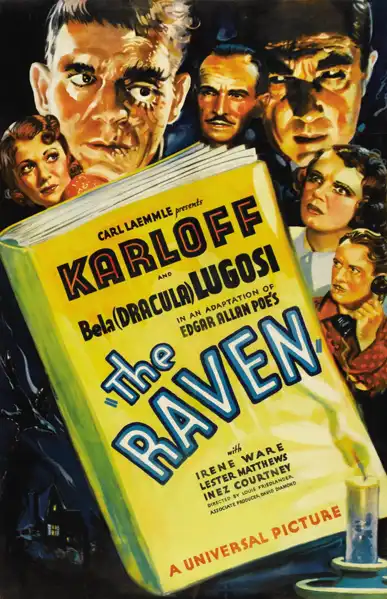
IMDb 6.8
1935
Community
Log in to comment.