DbcultAccessing Vault...
Cult Review
Senior Film Conservator
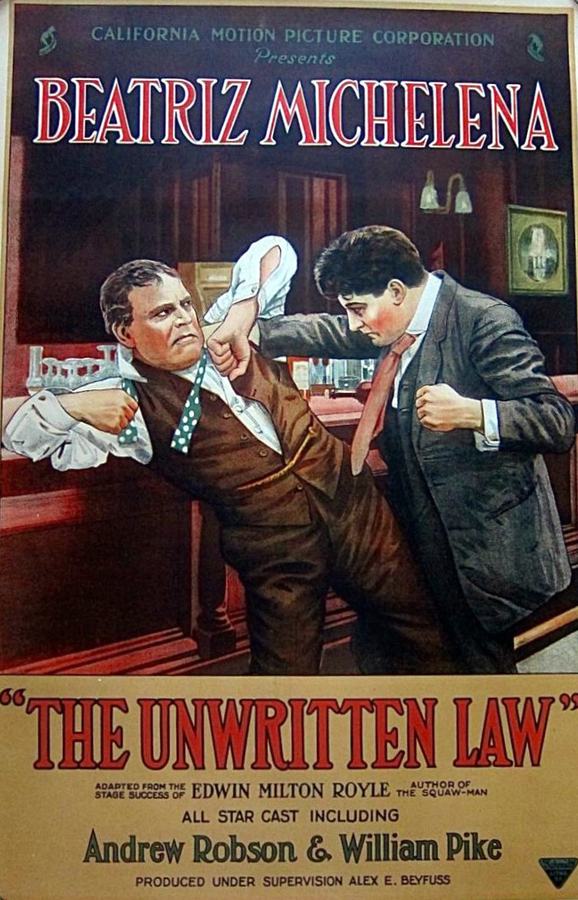
The Unwritten Law, a 1918 silent film, is a masterpiece of cinematic storytelling, weaving a complex narrative that delves into the intricacies of the human condition. The film's protagonist, John Wilson, played by Clarence Arper, is a man of great promise, having been elected as the State's District Attorney. However, his life takes a drastic turn when he loses the gubernatorial election, and he succumbs to the allure of alcohol, abandoning his responsibilities as a husband and father.
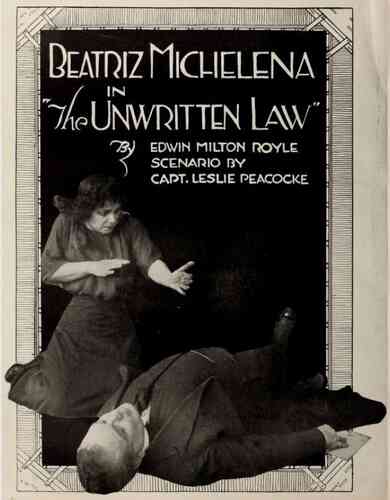
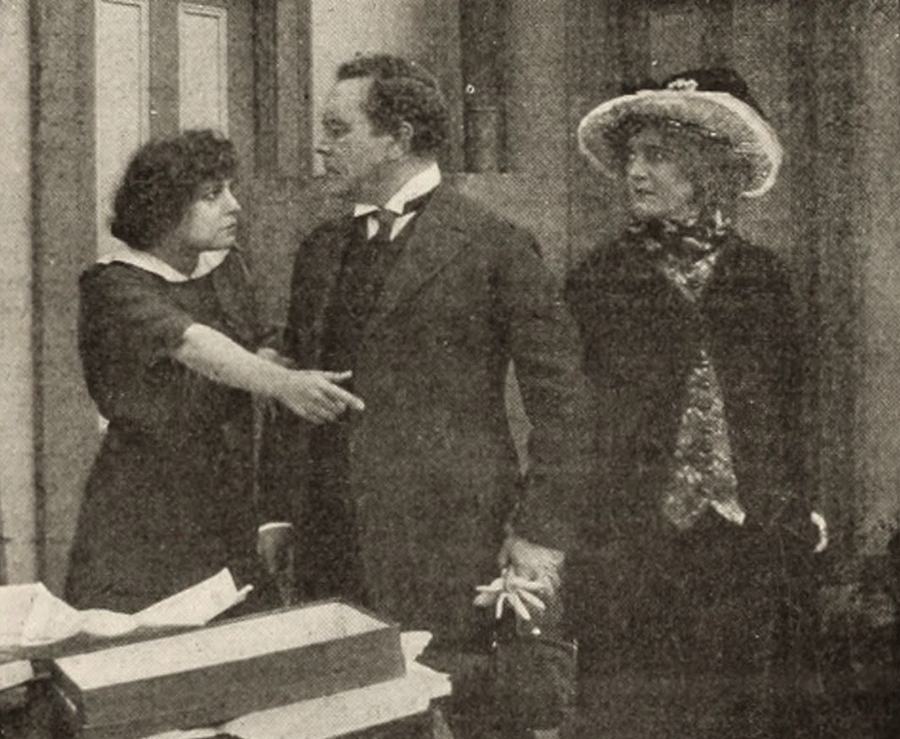
Kate, John's wife, played by Beatriz Michelena, is the epitome of devotion and love, standing by her husband despite his flaws. Her character serves as a beacon of hope, illuminating the darkness that surrounds her family. As John's addiction worsens, Kate takes on the role of breadwinner, supporting their family through her millinery business. Her determination and resilience are a testament to the strength of a woman's spirit, and her love for John and their child, Baby Sue, is the driving force behind her actions.
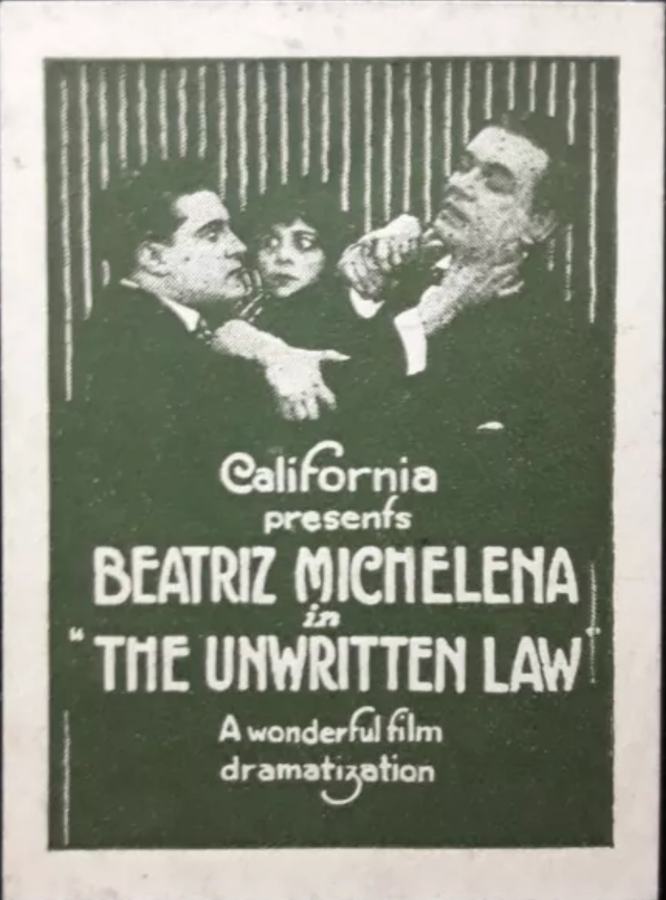
The character of Larry McCarthy, played by Andrew Robson, is a masterful portrayal of a man consumed by his own desires. His infatuation with Kate is palpable, and his willingness to manipulate and deceive those around him to achieve his goals is a stark reminder of the dangers of unchecked ambition. The chemistry between Larry and Kate is undeniable, and their complicated relationship serves as a catalyst for the events that unfold.
The film's use of lighting and shadows is a deliberate choice, adding depth and nuance to the narrative. The dark, muted tones that dominate the scenes of John's addiction and Larry's pursuit of Kate serve as a visual representation of the darkness that has consumed their lives. In contrast, the scenes of Kate's millinery business and her time with Baby Sue are bathed in a warm, yellow glow, symbolizing hope and resilience.
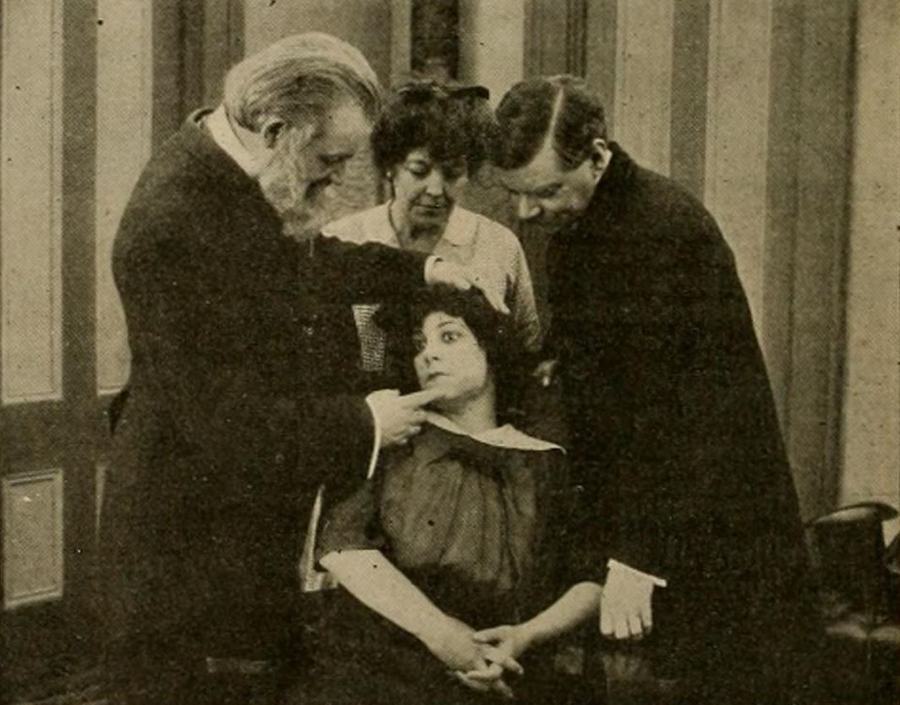
The themes of love, loss, and redemption are intricately woven throughout the film, creating a rich tapestry of human emotion. The story of John and Kate is a poignant reminder of the devastating consequences of addiction and the importance of forgiveness and redemption. The character of Larry McCarthy serves as a foil to John, highlighting the dangers of unchecked ambition and the devastating consequences of deceit and manipulation.
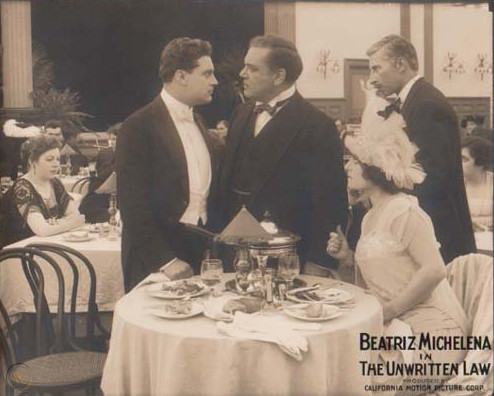
The film's exploration of the human condition is both haunting and thought-provoking. The use of symbolism and metaphor adds depth and complexity to the narrative, inviting the viewer to ponder the intricacies of the human experience. The Unwritten Law is a film that lingers in the mind long after the credits have rolled, its themes and characters continuing to resonate with the viewer.
In comparison to other films of the era, such as Sapho and The Book of Nature, The Unwritten Law stands out for its nuanced exploration of the human condition. The film's use of cinematic techniques, such as lighting and shadows, adds a layer of depth and complexity to the narrative, setting it apart from other films of the time.
The Unwritten Law is a masterpiece of silent cinema, a film that continues to captivate audiences with its poignant story and complex characters. The film's exploration of the human condition is both haunting and thought-provoking, inviting the viewer to ponder the intricacies of the human experience. As a work of cinematic art, The Unwritten Law is a testament to the power of film to evoke emotion, spark reflection, and inspire contemplation.
IMDb 5.3
1926
Community
Log in to comment.