DbcultAccessing Vault...
Cult Review
Senior Film Conservator
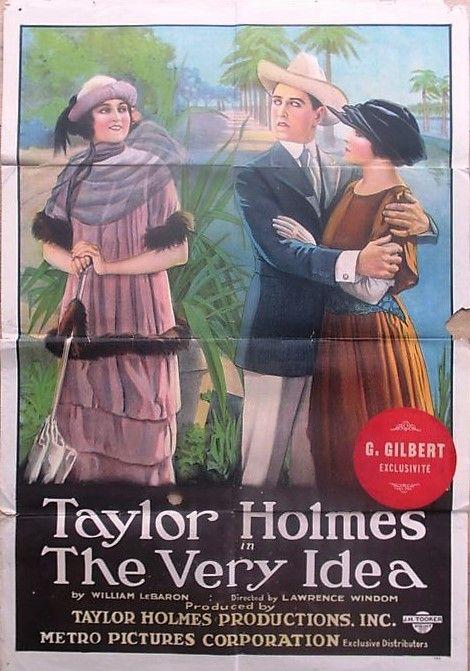
The Very Idea, a 1929 film, presents a fascinating narrative that intertwines the lives of Gilbert and Edith Goodhue, a wealthy couple yearning for a child, with the controversial concept of eugenics, as introduced by Edith's brother Alan, who proposes an unorthodox solution to their childlessness. This suggestion sets off a chain of events that not only tests the couple's relationship but also raises essential questions about the human experience, love, and the desire for family.
As the story unfolds, Gilbert and Edith find themselves in Palm Beach, where Gilbert's attempts to secure a child for his wife lead him to vamp a dancer with a baby, prompting Edith's jealousy and misunderstanding. However, upon Gilbert's explanation of his motives, the couple rekindles their love with renewed fervor, symbolized by the yellow hues of the Florida sunshine, which serve as a metaphor for hope, renewal, and the promise of a brighter future.
Upon their return home, the couple is met with the news that their maid, Nora, has given birth to a baby boy, but her reluctance to part with him sparks a series of embarrassing situations, as they struggle to find the right words to share with their friends, who are eagerly awaiting the arrival of the Goodhues' baby. Edith's ingenious solution, attributing their forthcoming baby to the magical effects of the Florida sunshine, not only resolves the immediate crisis but also highlights the complexities of social expectations, relationships, and the human need for connection.
The film's exploration of eugenics, though a product of its time, offers a thought-provoking commentary on the societal pressures and desires that drive individuals to seek unconventional solutions to their problems. The character of Alan, Edith's brother, serves as a catalyst for this discussion, his interest in eugenics reflecting the era's fascination with the concept of 'bettering' humanity through science. This theme is juxtaposed with the more personal, emotional journey of Gilbert and Edith, creating a rich tapestry that invites reflection on the interplay between societal norms, personal desires, and the human experience.
The cinematography of The Very Idea is noteworthy, with the use of dark orange tones in certain scenes, which adds a sense of warmth and intimacy to the narrative, while the sea blue hues of the Palm Beach settings evoke a sense of tranquility and hope. These visual elements, combined with the performances of the cast, including Betty Ross Clarke and Virginia Valli, bring depth and nuance to the story, making it a compelling watch for audiences interested in the cinematic explorations of the human condition.
In comparison to other films of the era, such as The Lipton Cup: Introducing Sir Thomas Lipton, In the Good Old Days, and My Lady's Garter, The Very Idea stands out for its unique blend of drama, romance, and social commentary. While films like The Love Expert and Builders of Castles also explore themes of love and relationships, The Very Idea's focus on eugenics and the complexities of human desire sets it apart, offering a fresh perspective on the universal quest for connection and family.
Furthermore, the film's narrative can be seen as a precursor to more contemporary discussions on surrogacy, adoption, and the ethical considerations surrounding these topics. This aspect of The Very Idea adds a layer of timelessness to its story, making it more than just a product of its time, but a work that continues to resonate with modern audiences grappling with similar issues. The character development, particularly the portrayal of Edith and Gilbert's relationship, is also noteworthy, as it explores the intricacies of marriage, the challenges of communication, and the enduring power of love in the face of adversity.
The supporting cast, including Taylor Holmes, Edward Martindel, and George Cooper, deliver performances that complement the lead actors, adding depth and complexity to the narrative. The chemistry between the actors is palpable, making the characters' interactions feel authentic and engaging. The script, penned by William LeBaron and Stanner E.V. Taylor, is equally impressive, balancing the film's comedic moments with its more serious themes, creating a narrative that is both entertaining and thought-provoking.
In conclusion, The Very Idea is a film that masterfully weaves together themes of love, family, and the human condition, set against the backdrop of a bygone era. Its exploration of eugenics, though a product of its time, serves as a powerful commentary on the societal pressures and desires that drive individuals to seek unconventional solutions to their problems. With its talented cast, nuanced script, and captivating cinematography, The Very Idea is a must-see for anyone interested in the cinematic explorations of the human experience, and its relevance extends far beyond its release date, making it a timeless classic that continues to resonate with audiences today.
IMDb 4.4
1930
Community
Log in to comment.