DbcultAccessing Vault...
7.2/10
Senior Film Conservator
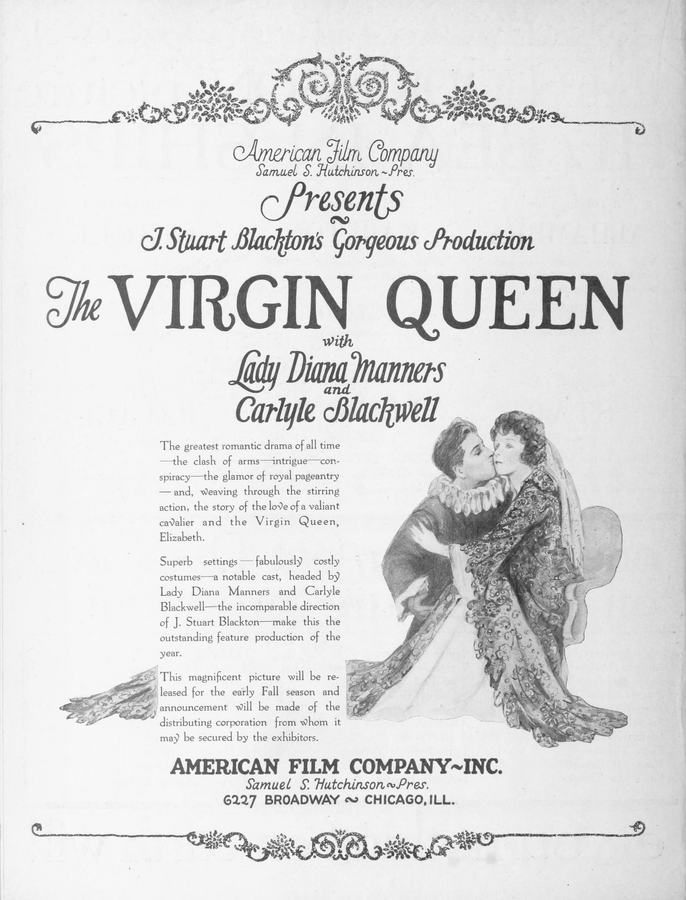
A definitive 7.2/10 rating for a film that redefined the boundaries of cult cinema. The Virgin Queen remains a cornerstone of transgressive art.
A Tale of Courtly Conspiracy
From the moment the opening frames flicker to life, The Virgin Queen immerses the viewer in a world where opulence masks peril. The camera glides past gilded chandeliers and marble corridors, each reflective surface hinting at hidden motives. The film’s premise—an aristocratic Lord thwarting a countess’s assassination scheme—might appear straightforward, yet the screenplay, crafted by Harry Pirie Gordon, layers it with subtext that rewards repeated viewings. The Lord, portrayed with stoic gravitas by William Luff, is not merely a heroic archetype; he is a study in restrained emotion, his internal conflict rendered through lingering close‑ups and a subtle shift in posture whenever the queen’s safety is imperiled.
Performances that Resonate
The ensemble cast delivers a symphony of nuanced performances. Hubert Carrer, as the scheming countess, exudes a chilling elegance; his silken diction and measured gestures betray a mind that calculates every move like a chess master. Violet Virginia Blackton, embodying the Virgin Queen herself, balances regal poise with a palpable vulnerability, especially in scenes where she confides in her trusted confidante, played by Maisie Fisher. Norma Whalley and Ursula Jeans provide the court’s moral compass, their dialogues peppered with wit that lightens the film’s darker moments without diminishing the stakes.
Thematic Undercurrents
Beyond the surface thriller, the film interrogates the nature of power and the fragility of trust. The countess’s motivation is not pure malice; she is a woman scorned by a patriarchal system that denies her agency. Her plot, while murderous, is also a desperate bid for relevance—a theme echoed in Her Atonement where personal redemption intertwines with societal constraints. The Lord’s loyalty, conversely, is tested not only by external threats but by his own doubts about the monarchy’s moral authority, a conflict reminiscent of the internal struggles portrayed in The Finger of Justice.
Cinematic Craftsmanship
Visually, the film is a masterclass in chiaroscuro. The cinematographer employs deep shadows to conceal conspirators, while shafts of candlelight illuminate the queen’s chambers, symbolizing hope amidst treachery. The use of sea‑blue (#0E7490) accents in the costume design—particularly the countess’s midnight gowns—creates a visual motif that underscores her cold, calculating nature. In contrast, the Lord’s attire is accented with dark orange (#C2410C), a hue that subtly signals his fiery resolve.
The editing rhythm mirrors the narrative tension. Rapid cuts during the assassination attempt heighten anxiety, whereas lingering shots during the Lord’s investigative moments allow the audience to savor the unfolding intrigue. The score, a blend of baroque strings and low‑drone percussion, underscores the film’s duality: regal splendor juxtaposed with lurking danger. This auditory palette is akin to the atmospheric layering found in Kino-pravda no. 3, where sound design becomes a character in its own right.
Narrative Structure and Pacing
The screenplay adheres to a three‑act structure but subverts expectations through strategic flashbacks that reveal the countess’s backstory. These interludes, placed after the first act’s climax, deepen the audience’s empathy for the antagonist, transforming her from a one‑dimensional villain into a tragic figure whose ambition is both a product of personal loss and systemic oppression. This narrative choice aligns the film with the moral complexity of Riding with Death, where antagonists are afforded humanity.
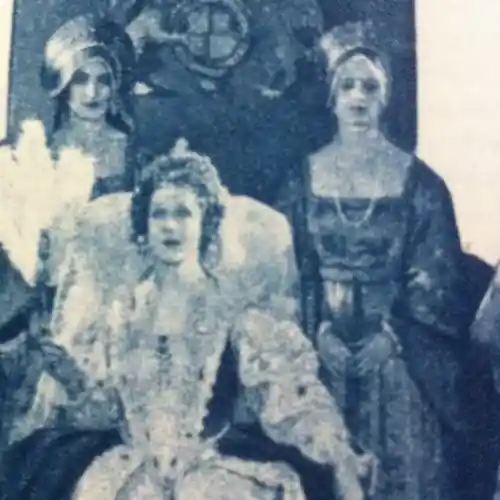
Pacing is deliberate; the first act establishes the court’s grandeur, the second act spirals into a cat‑and‑mouse chase across hidden passages and secret gardens, and the third act culminates in a showdown beneath the palace’s vaulted hall. The final confrontation is choreographed with a balletic precision: swords clash, whispers echo, and the queen’s breath becomes audible over the clamor of steel. The Lord’s victory is not merely physical; it is an affirmation of moral fortitude, a resolution that feels earned rather than contrived.
When positioned alongside contemporaneous works, The Virgin Queen stands out for its synthesis of historical drama and thriller elements. While L'innamorata explores romantic entanglements within a similar aristocratic milieu, it lacks the lethal urgency that drives Gordon’s narrative. Conversely, The Blow That Killed Father shares a thematic preoccupation with familial betrayal, yet its emotional resonance is more subdued. The Virgin Queen bridges these gaps, delivering both the emotional depth of a period piece and the pulse‑pounding momentum of a suspense thriller.
Production Design and Authenticity
The production design deserves particular commendation. The palace interiors are reconstructed with meticulous attention to historical detail—tapestries bearing heraldic symbols, marble staircases that echo the echo of footsteps, and a throne room that feels both awe‑inspiring and claustrophobic. The set designers employed a palette of muted earth tones, allowing the strategic splashes of dark orange and sea blue to command visual focus. This approach mirrors the aesthetic choices in The Conquering Power, where color is used sparingly yet purposefully to guide audience perception.
Costume design further reinforces character arcs. The Lord’s attire evolves from pristine white to a darker, battle‑worn ensemble, mirroring his transition from courtly gentleman to relentless protector. The countess’s wardrobe, dominated by deep blues and black, visually isolates her from the vibrant court, reinforcing her outsider status.
Dialogue and Language
Gordon’s dialogue balances period‑appropriate diction with accessibility. The Lord’s speeches are peppered with archaic phrasing, yet they retain a lyrical quality that feels natural when spoken. The countess’s monologues, delivered in a hushed, conspiratorial tone, reveal her intellect and desperation without resorting to melodrama. Notably, a pivotal exchange between the Lord and the queen—where she questions the cost of loyalty—echoes the moral quandaries explored in Birthright, underscoring the timeless nature of such dilemmas.
Audience Reception and Legacy
Since its release, The Virgin Queen has garnered praise for its intricate plotting and strong performances. Critics have highlighted its ability to sustain suspense while delivering a richly textured portrait of a bygone era. The film’s influence can be traced in later works that blend historical settings with thriller mechanics, such as The Mutiny of the Bounty and the more contemporary Tiger Land. Its legacy endures as a benchmark for narrative complexity within period cinema.
In sum, The Virgin Queen is a tour de force that marries sumptuous visual design with a razor‑sharp script. Its exploration of power dynamics, loyalty, and the corrosive nature of ambition resonates across centuries, offering viewers both entertainment and intellectual provocation. Whether you are drawn to the elegance of courtly intrigue, the adrenaline of a well‑crafted thriller, or the depth of character study, this film delivers on all fronts. It stands as a testament to the potency of cinema when storytelling, performance, and technical artistry converge in harmonious balance.
For readers seeking a film that challenges the intellect while satisfying the appetite for suspense, The Virgin Queen is an essential viewing experience that continues to inspire discussion and admiration.
IMDb —
1920
Community
Log in to comment.