DbcultAccessing Vault...
5.6/10
Senior Film Conservator
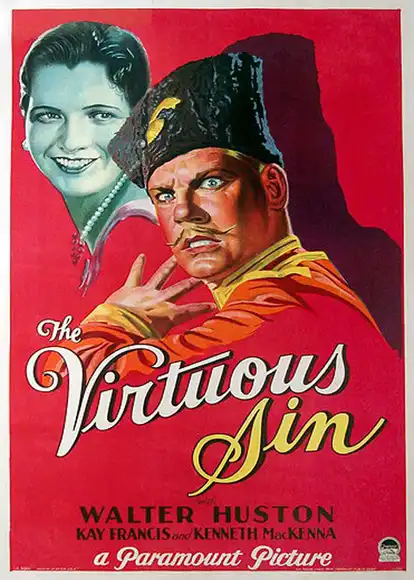
A definitive 5.6/10 rating for a film that redefined the boundaries of cult cinema. The Virtuous Sin remains a cornerstone of transgressive art.
Alright, so if you're into those old, earnest dramas from the early sound era, The Virtuous Sin (1930) might just be your jam. It's got that classic melodrama feel, a big moral dilemma, and some acting that really *goes for it*.
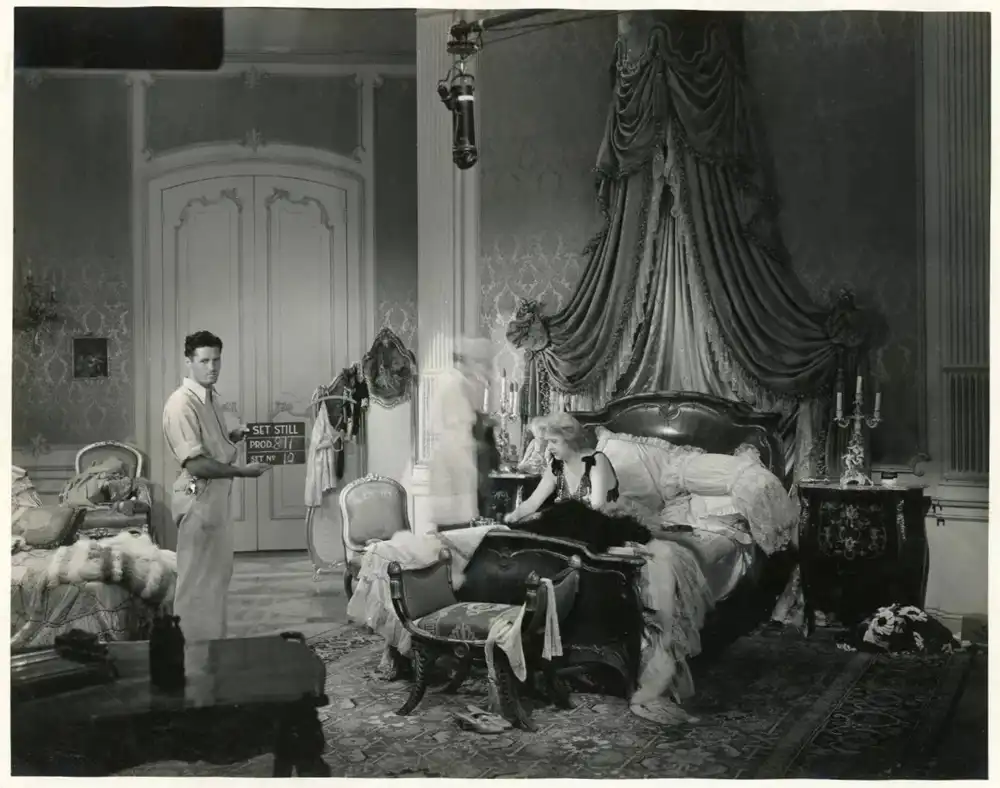
If you're looking for something subtle or fast-paced like today's flicks, you'll probably find it a bit much. But for folks who appreciate the dramatic flair of early talkies, this one offers a lot to chew on. 🍿
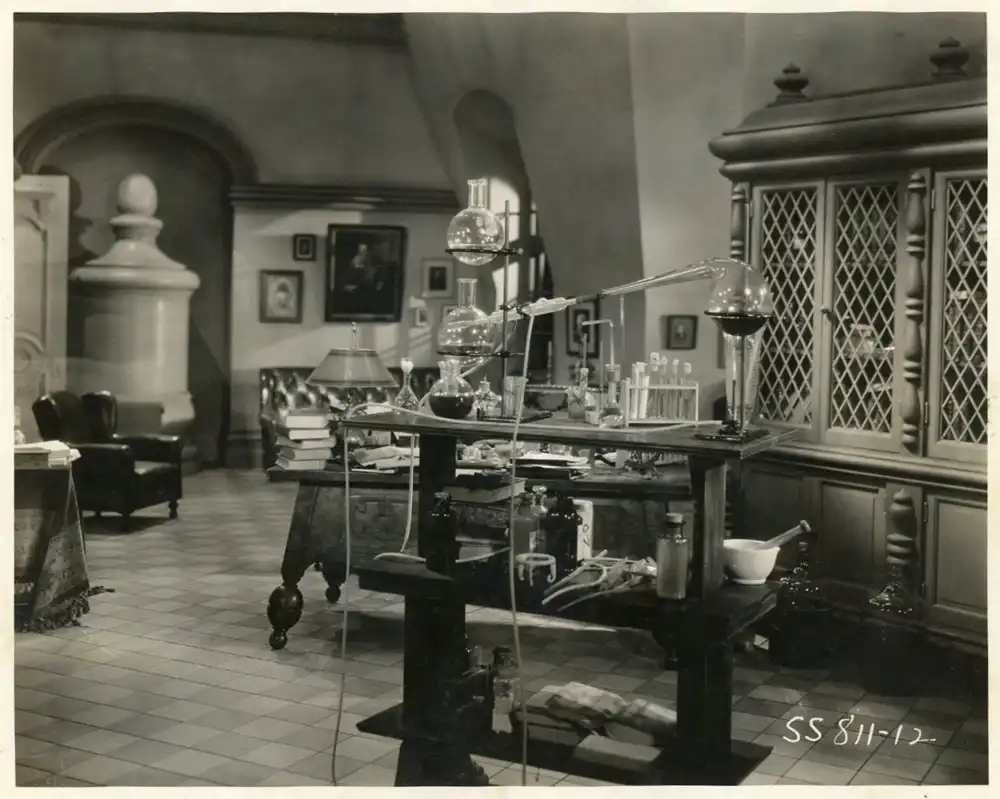
The setup is pretty stark: World War I, Russia. Victor Sablin (Kenneth MacKenna) is a medical student, kind of sensitive, definitely not cut out for the army. He gets drafted, and it's clear from his first scene in uniform that he’s utterly miserable. He looks lost, almost shrinking.
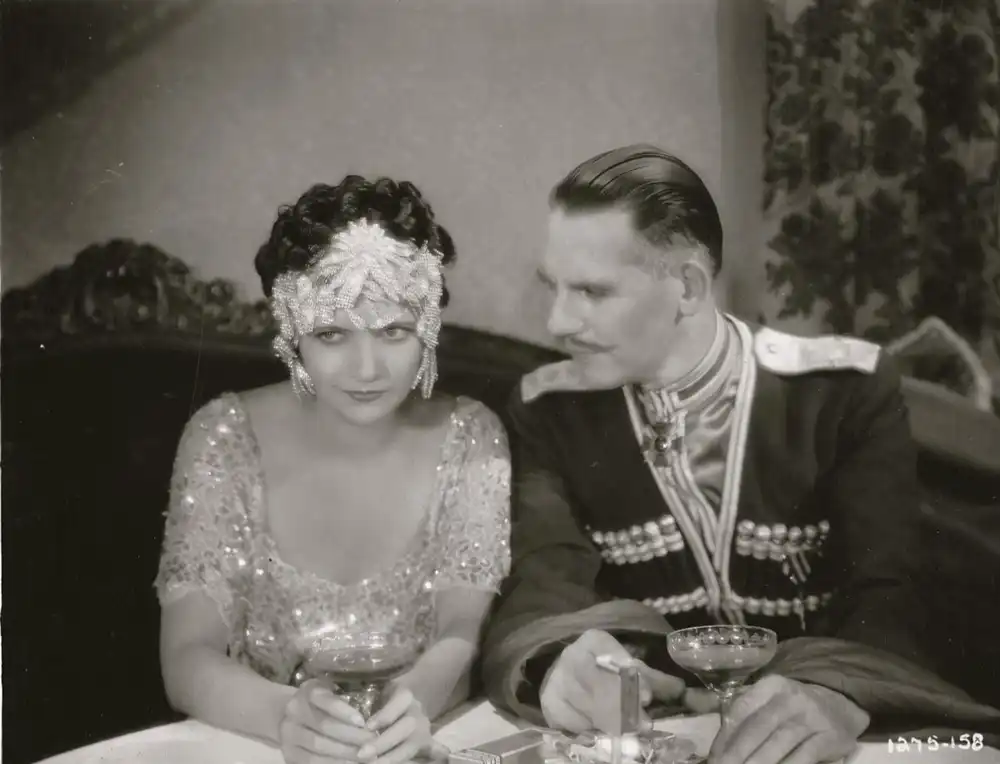
His wife, Marya (Kay Francis), is basically his rock. She’s strong, but you can see the worry eating at her. She knows her husband won't survive the front, not with his gentle spirit.
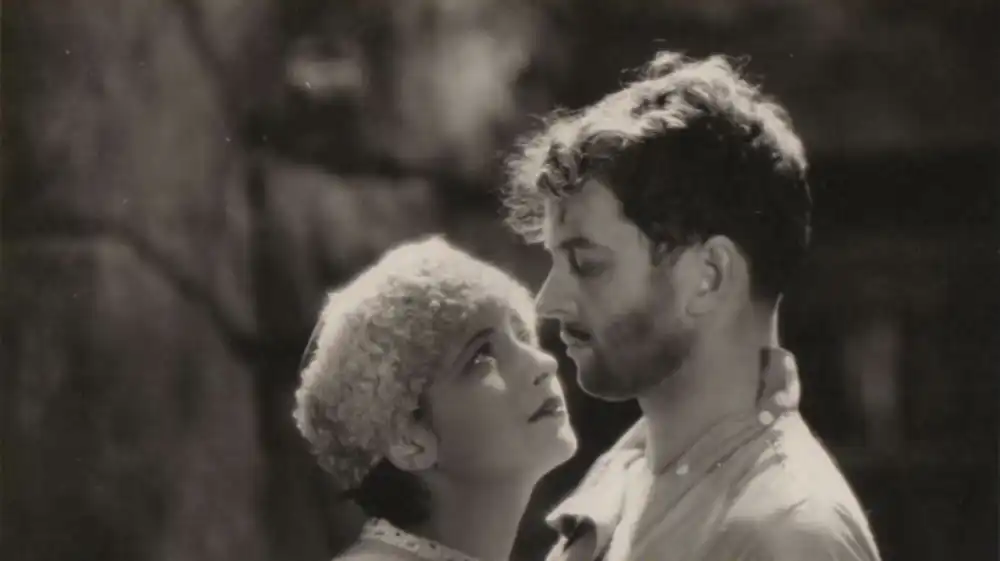
When Victor starts having... let's just say, *difficulties* with military discipline, Marya gets desperate. She needs to save him from himself, from the war.
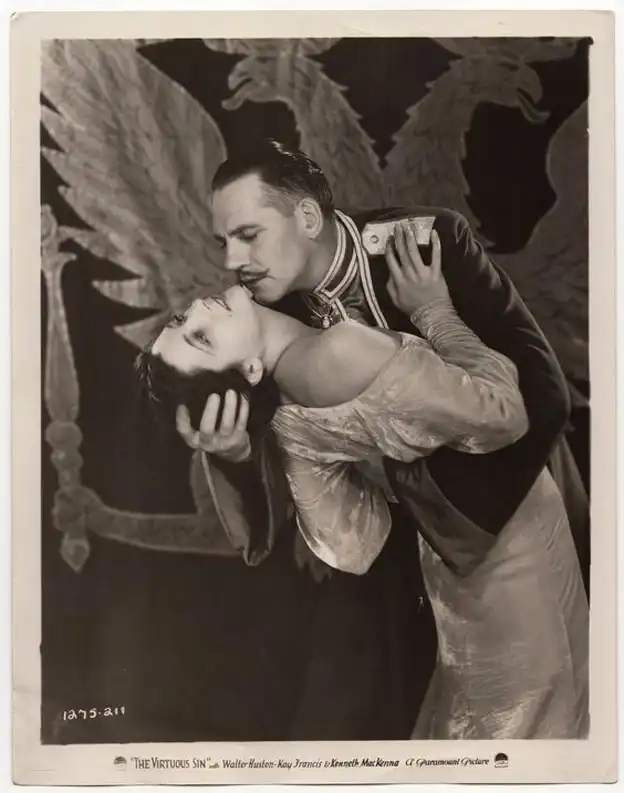
This is where the "sin" part comes in. She makes a deal, a very risky one, with a General named Gregori Platoff (Walter Huston). He’s this gruff, powerful guy, and his presence just fills the screen. You just *know* he's going to be trouble, but also maybe a solution. 🤔
The film plays out this arrangement. It’s a classic pre-Code move, where a woman makes a questionable choice for a good reason. It doesn't shy away from the implications, which is kinda cool for a movie this old.
The pacing of The Virtuous Sin feels pretty deliberate. It takes its time setting up the stakes, letting you really feel Marya's desperation. Some viewers might find it slow, but I thought it built the tension nicely.
You can sometimes spot the stage influence in the acting styles, especially with some of the minor characters. They project a lot, which was common then. But the leads, especially Francis and Huston, manage to ground it.
The ending isn't neat and tidy in the way modern movies often are. It leaves you thinking about the compromises people make for love, and whether those compromises truly pay off. It doesn't give you all the answers, which I actually appreciate. It’s less about a happy ending and more about the weight of choices. 🤔
It's not a perfect movie, sure. Some parts feel a little *too* dramatic, even for 1930. But it’s got a real heart to it, and the performances by Kay Francis and Walter Huston are really worth seeing. They carry the whole thing.
IMDb —
1921
Community
Log in to comment.