DbcultAccessing Vault...
6/10
Senior Film Conservator
A definitive 6/10 rating for a film that redefined the boundaries of cult cinema. The Vocation of André Carel remains a cornerstone of transgressive art.
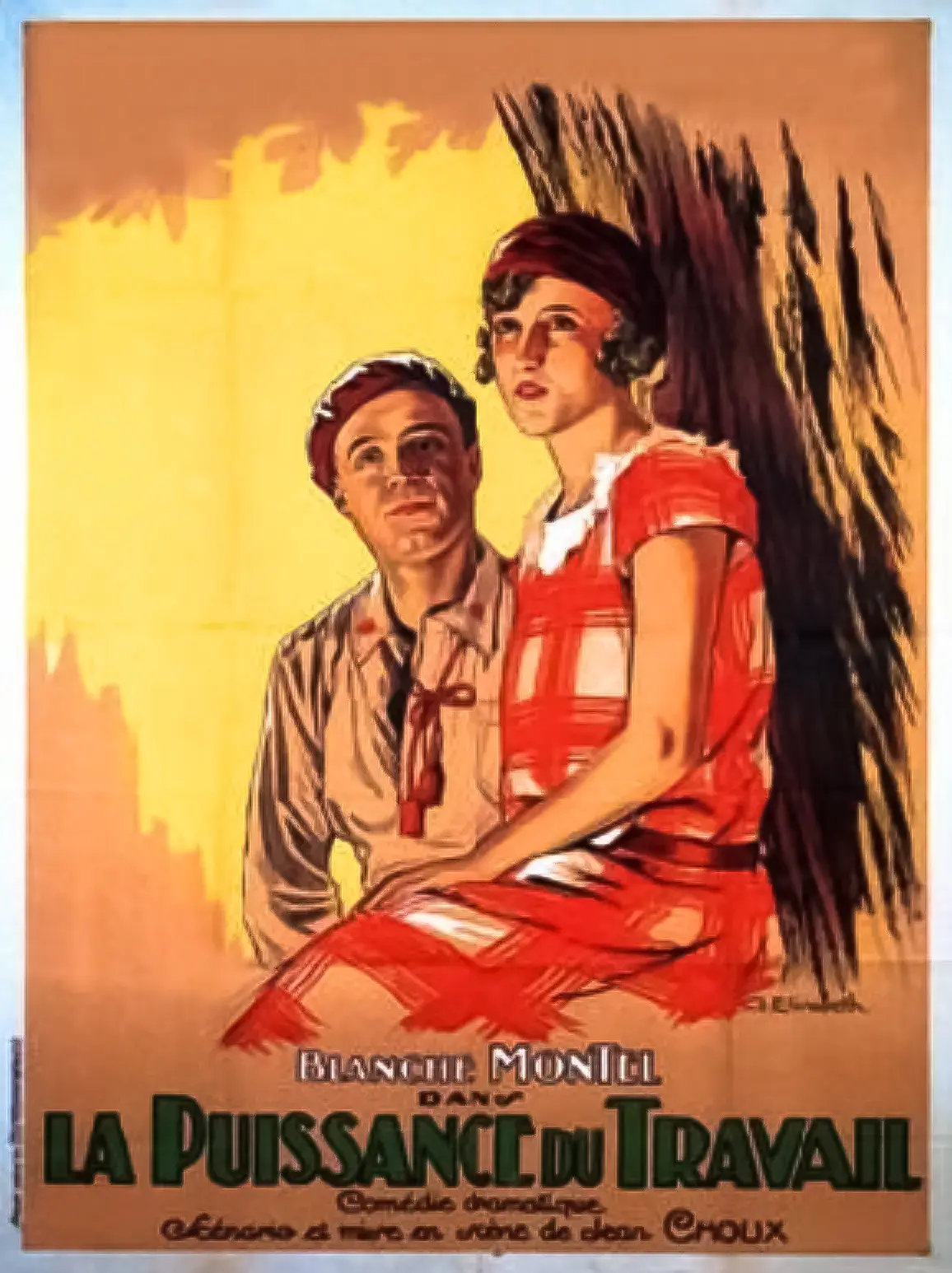
The Vocation of André Carel, directed by Jean Choux, is a cinematic endeavor that warrants meticulous consideration, as it presents a rich tapestry of themes and characterizations, deftly woven into the fabric of a leisurely paced narrative.
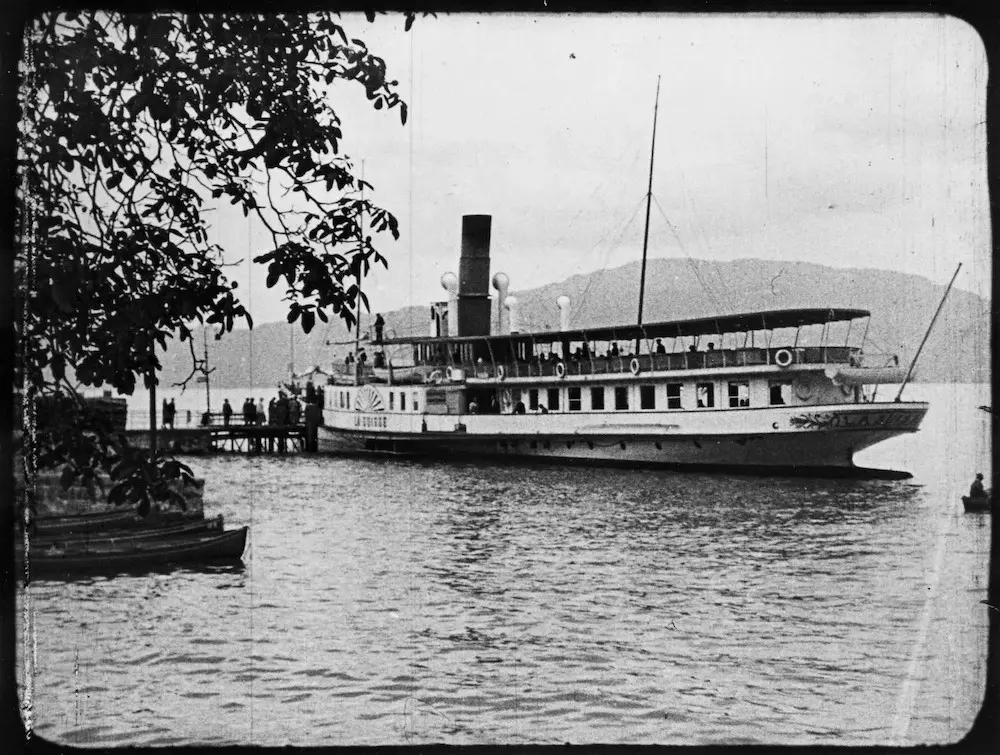
Set against the stunning backdrop of Lake Geneva, the film's protagonist, André Carel, played by Fabien Reignier, finds himself ensconced in the rarefied world of Evian's fashionable spa crowd. This milieu, replete with the aristocracy and upper echelons of society, serves as a catalyst for André's introspection, as he grapples with the notion of his vocation, or calling.
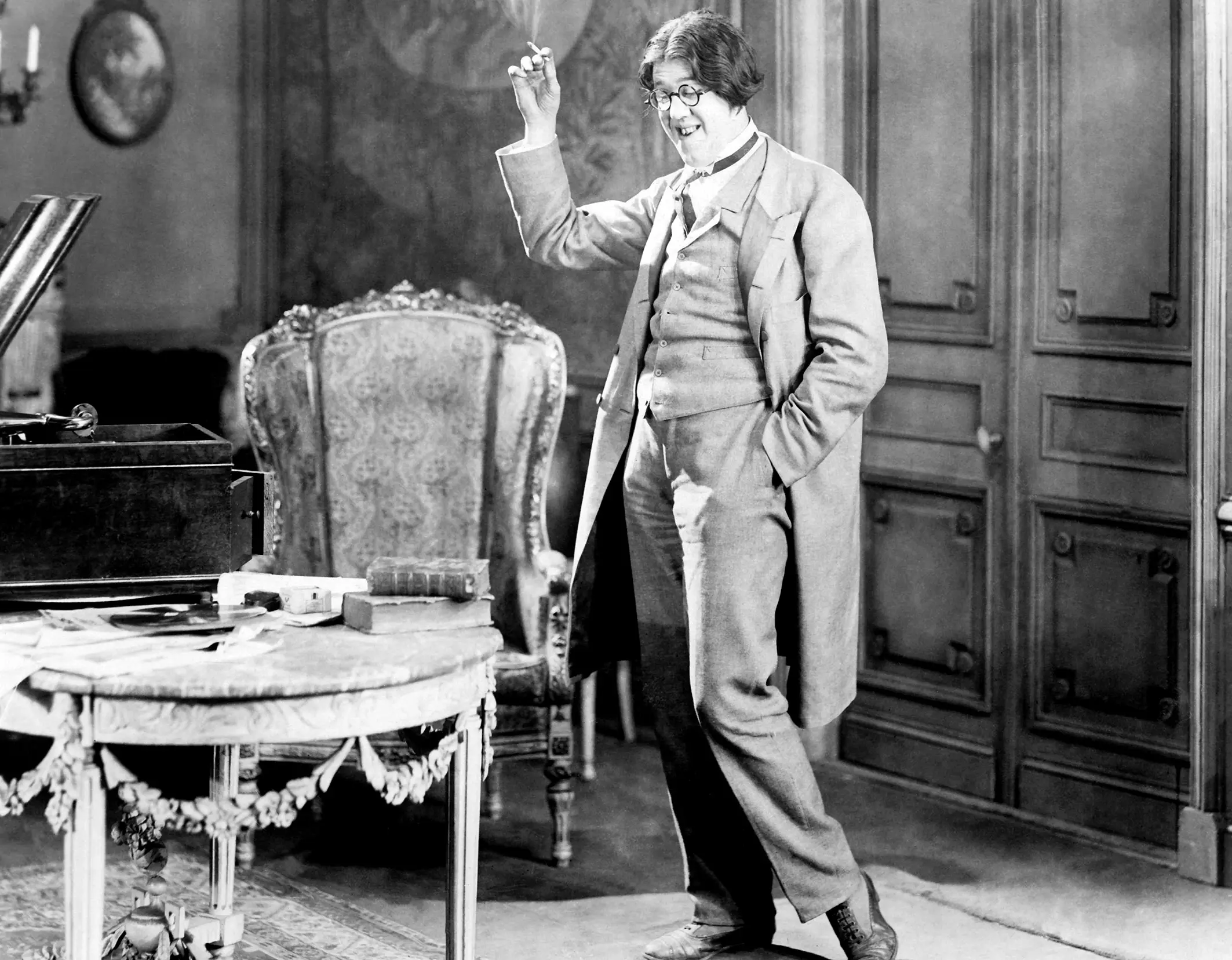
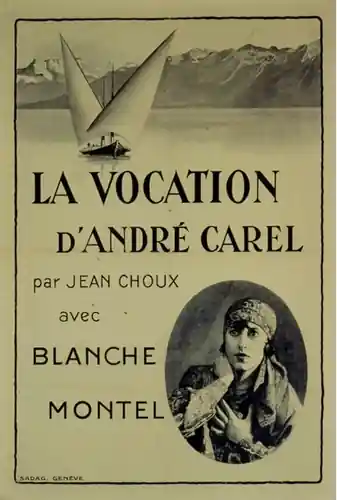
André's journey is characterized by a sense of listlessness, as he navigates the complexities of his existence, torn between the obligations of his social standing and his own desires. This internal conflict is exacerbated by his interactions with the enigmatic and charismatic individuals that populate his world, including the captivating Blanche Montel, who plays a pivotal role in André's trajectory.
The film's exploration of identity and ambition is reminiscent of Aura o las violetas, which similarly probes the intricacies of human relationships and the search for meaning. However, The Vocation of André Carel distinguishes itself through its masterful use of setting, leveraging the picturesque landscape of Evian to create a sense of atmosphere and mood.
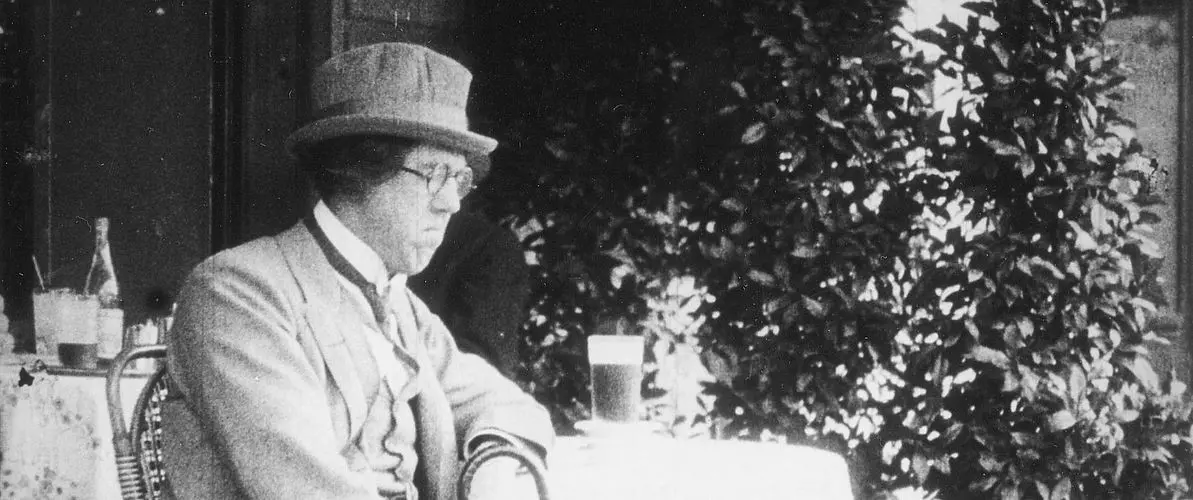
One of the most striking aspects of the film is its cast, which boasts an impressive array of talent, including Ami Chantre, Maurice Destain, and Michel Simon. Each actor brings a level of nuance and depth to their respective roles, contributing to a richly textured narrative that rewards close attention.
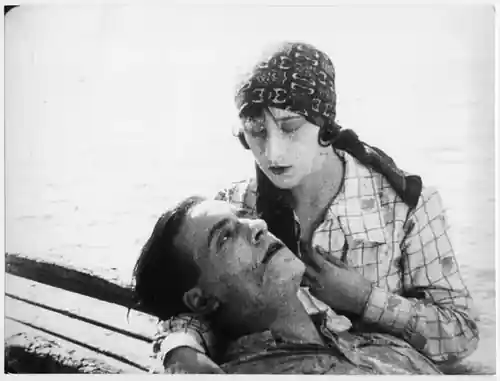
In terms of thematic resonance, The Vocation of André Carel invites comparison with The Kiss, which also explores the complexities of human relationships and the search for connection. However, the film's focus on the inner workings of its protagonist's mind, as well as its thoughtful pacing, set it apart from more conventional dramas of its era.
A notable example of the film's thematic depth can be seen in its portrayal of André's relationships with women. His interactions with Blanche Montel's character, in particular, serve as a catalyst for his growth and self-discovery, highlighting the importance of female influence in his life.
The film's cinematography is equally noteworthy, capturing the breathtaking beauty of Evian's landscapes and the opulence of its high society. This attention to visual detail serves to underscore the film's themes, creating a sense of immersion and authenticity that draws the viewer into André's world.
Furthermore, The Vocation of André Carel can be seen as a precursor to later films that explore similar themes, such as You Find It Everywhere and Der König ihres Herzens. These films, while distinct in their own right, share a common concern with the human condition and the search for meaning in a rapidly changing world.
In conclusion, The Vocation of André Carel is a film that rewards close attention and reflection. Its thoughtful pacing, richly textured narrative, and stunning cinematography make it a must-see for anyone interested in exploring the complexities of the human experience.
Ultimately, the film's exploration of identity, ambition, and the human condition serves as a powerful reminder of the enduring relevance of cinema as a medium for storytelling and self-discovery. As a cinematic artifact, The Vocation of André Carel continues to captivate audiences with its timeless themes and nuanced characterizations, solidifying its place as a classic of French cinema.
IMDb 5.4
1914
Community
Log in to comment.