DbcultAccessing Vault...
6.1/10
Senior Film Conservator
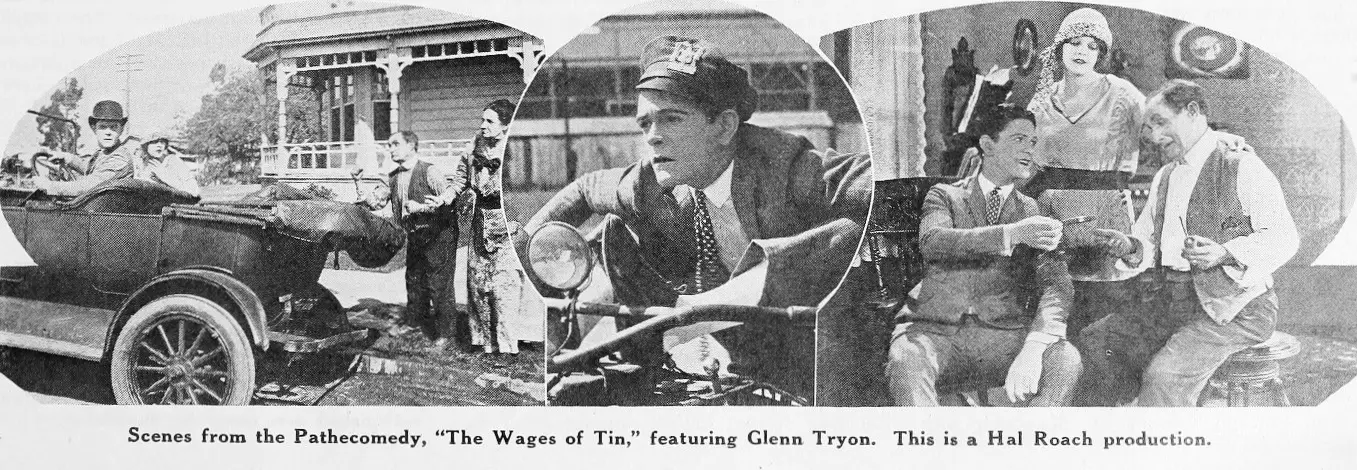
A definitive 6.1/10 rating for a film that redefined the boundaries of cult cinema. The Wages of Tin remains a cornerstone of transgressive art.
Is 'The Wages of Tin' worth watching today? Short answer: absolutely, but with significant caveats. This 1920s silent comedy is a fascinating historical artifact best suited for cinephiles, historians of early cinema, and enthusiasts of slapstick, yet it will likely test the patience of casual viewers expecting modern narrative conventions or rapid-fire humor. It’s a window into a bygone era, not a thrill ride for everyone.
For those who appreciate the foundational elements of screen comedy and the unique charm of the silent era, 'The Wages of Tin' offers genuine moments of delight and a surprisingly robust character study. However, if your cinematic palate leans towards contemporary pacing and sophisticated plotlines, this particular Ford might stall before you reach your destination.
This film works because of its relentless commitment to a singular, simple premise, allowing its physical comedy to shine through exaggerated performances and a palpable sense of early 20th-century urban chaos. It brilliantly captures the nascent, often perilous, relationship between man and machine during the dawn of the automobile age, making the car itself a character of comedic menace.
This film fails because its humor, while historically significant, can feel repetitive and drawn-out to a modern audience accustomed to quicker cuts and more intricate plot developments. The gags, while ingenious for their time, often lack the escalating tension or narrative complexity that later comedies would master, sometimes relying too heavily on the sheer novelty of car-related mishaps.
You should watch it if you have an interest in the evolution of comedy, the history of silent film, or a curiosity about how the automobile transformed society and became a comedic prop. It's also a must-see for anyone studying the works of early Hollywood character actors and their masterful use of physical expression, particularly in the realm of physical comedy.
At its core, 'The Wages of Tin' is a straightforward tale: boy meets girl, boy wants to impress girl, boy gets car, chaos ensues. This seemingly simplistic premise, however, becomes a rich canvas for exploring the anxieties and excitements of a society grappling with new technology. The rental Ford isn't just a prop; it's a symbol of aspiration, a potential harbinger of romance, and ultimately, an instrument of utter humiliation.
The film’s central character, portrayed with a delightful blend of earnestness and wide-eyed panic, sees the automobile as his ticket to social standing. He's not just learning to drive; he's attempting to navigate the complex, unspoken rules of modern courtship, where a shiny vehicle could mean the difference between rejection and adoration. The irony, of course, is that his very attempt to appear sophisticated only exposes his profound lack of control, both over the machine and, implicitly, over his own destiny.
The plot, thin as it might appear on paper, is robust in its execution of escalating gags. From the initial fumbling with the controls to a series of near-misses and increasingly spectacular collisions, the film builds a sustained comedic rhythm. It’s a masterclass in how to extract maximum humor from a single, evolving predicament, showcasing the universal struggle against forces beyond our immediate comprehension or control.
Silent film comedy, particularly of this era, relied heavily on visual storytelling, and 'The Wages of Tin' is no exception. While the director's name isn't widely known today, the craftsmanship in staging the chaotic car sequences is evident. The camera is often static, allowing the action to unfold within the frame, much like a theatrical stage. This deliberate framing emphasizes the physical comedy and the reactions of the characters.
Consider the sequence where the car first lurches forward unpredictably. The cinematographer, with a simple wide shot, captures the entire scene: the driver's panicked contortions, the surprised pedestrians scattering, and the car's almost sentient defiance. There are no fancy camera movements or rapid cuts; the humor is in the clarity and sustained absurdity of the moment. This approach demands a certain patience from the viewer, but it rewards with a genuine appreciation for the timing and physical prowess of the performers.
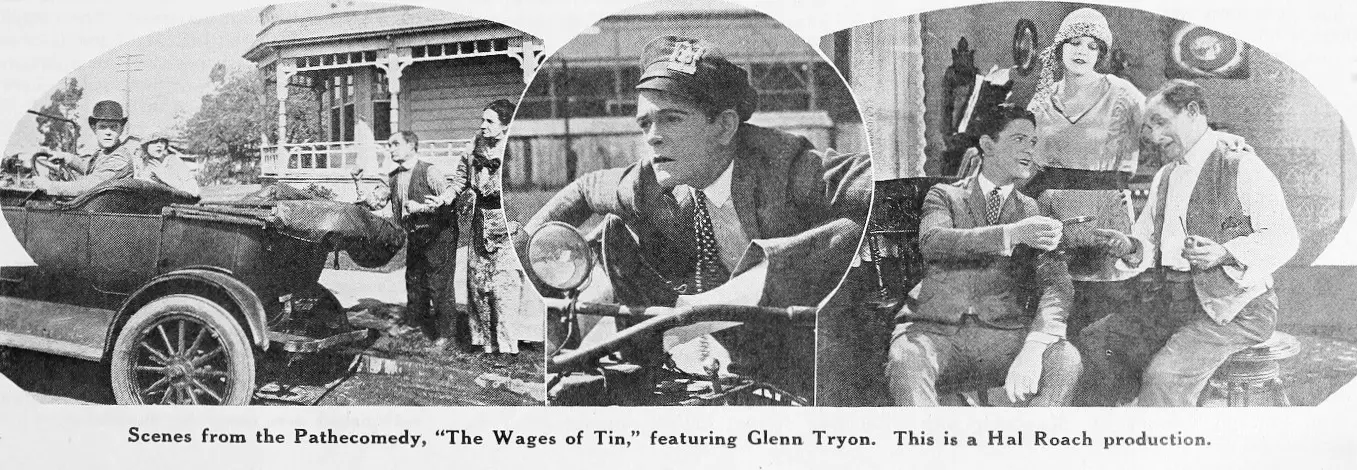
The film’s visual language is also surprisingly effective in portraying the nascent urban landscape. The streets are bustling, but not yet choked with traffic, providing ample space for the Ford's destructive ballet. This inadvertently makes 'The Wages of Tin' a fascinating historical document, offering glimpses of early 20th-century city life, its architecture, and its emerging car culture. It’s a snapshot of a world on the cusp of a technological revolution, where the automobile was still a curious, often dangerous, novelty rather than a ubiquitous utility.
In silent film, the actors are the storytellers, conveying emotion and intent through exaggerated facial expressions and precise physical movements. Noah Young, as the hapless protagonist, carries the film with his expressive face, shifting seamlessly from hopeful romantic to bewildered victim. His wide-eyed terror and increasingly frantic attempts to control the vehicle are genuinely funny, even a century later. He embodies the universal struggle against an uncooperative world.
The supporting cast, while often playing secondary roles, contributes significantly to the comedic atmosphere. Blanche Mehaffey, as the object of affection, brings a charm and subtle judgment that grounds the protagonist's fantastical efforts. Her reactions to his automotive blunders are often priceless, a mix of amusement, concern, and eventual exasperation.
Other notable performers like George Rowe and 'Tonnage' Martin Wolfkeil, often relegated to playing bystanders or other drivers, excel in their small but impactful roles. Wolfkeil, with his imposing stature, provides a fantastic visual contrast to the diminutive protagonist, making any interaction with him inherently comedic. Their reactions – the double-takes, the startled leaps, the exasperated shrugs – fill the visual space with additional layers of humor, painting a broader picture of a community reacting to an unfolding disaster. The ensemble work, even in a film focused on one character’s plight, is commendable and essential to its success.
One of the most significant challenges for modern viewers encountering 'The Wages of Tin' will be its pacing. Silent comedies, particularly short subjects like this one, often allowed gags to breathe, sometimes to the point of feeling drawn out by today's standards. A single comedic premise, such as a car driving erratically, might be explored through several variations before moving on. This isn't a flaw in the film's design, but rather a characteristic of its era.
The tone is consistently lighthearted, even when the protagonist's situation seems dire. There’s a charming innocence to the humor, devoid of the cynicism or darker undertones that would permeate later comedies. It's an optimistic, albeit chaotic, world where even significant property damage is ultimately played for laughs, with little lasting consequence beyond a bruised ego.
Comparing it to other films of the period, such as the more overtly dramatic Blind Love or the broad physical comedy of Paddy O'Hara, 'The Wages of Tin' finds its sweet spot in the realm of situational slapstick. While it lacks the intricate chase sequences of a Chaplin or Keaton, it makes up for it with a singular focus on the man-vs-machine dynamic. Its simplicity is both its greatest strength and, for some, its most noticeable limitation. It works. But it’s flawed.
Yes, 'The Wages of Tin' is worth watching today, especially for those interested in film history or early comedy. It offers a unique glimpse into the silent era's humor and social context. The film's simple narrative and reliance on physical gags provide a foundational understanding of comedic storytelling. It's a valuable piece of cinematic heritage.
Pros:
- Historical Significance: Provides an authentic look at early 20th-century life and the nascent car culture.
- Effective Physical Comedy: Noah Young's performance and the well-staged vehicular mishaps are genuinely funny.
- Charming Simplicity: The straightforward plot allows for clear, accessible humor.
- Window into Acting Styles: Showcases the expressive, exaggerated acting techniques prevalent in the silent era.
- Unconventional Observation: The film serves as an unintended, yet valuable, social commentary on the societal impact and initial anxieties surrounding new technology like the automobile. It’s a more profound document than its runtime suggests.
Cons:
- Pacing Challenges: Modern audiences may find the gags repetitive and the overall rhythm slow.
- Limited Narrative Depth: The plot is intentionally thin, focusing almost entirely on the central comedic premise.
- Dated Humor: While historically significant, some gags might not land with the same impact today.
- Lack of Character Development: Characters are largely archetypes, serving the comedic purpose rather than undergoing significant arcs.
'The Wages of Tin' is more than just a relic; it’s a vibrant, if quaint, piece of cinematic history that still manages to elicit chuckles and provide valuable insights into a bygone era. While its comedic rhythm might feel alien to those weaned on rapid-fire modern humor, its charm lies in its earnest simplicity and the sheer physical commitment of its performers. It’s a testament to the enduring power of slapstick and the universal appeal of watching someone spectacularly fail while trying to impress a love interest.
I argue that its perceived slowness, often a point of criticism for silent films, is actually part of its appeal. It forces the viewer to slow down, to observe, and to truly appreciate the nuanced physical performance and the meticulously staged chaos. This film isn't just a comedy; it's a time capsule, offering a window into the foundational elements of screen humor and the social dynamics of early motorization.
Ultimately, 'The Wages of Tin' earns its place as a recommended watch for the discerning viewer. It’s a delightful journey back to the roots of cinematic comedy, proving that even a simple story about a man, a girl, and a very uncooperative Ford can resonate a century later. Approach it with an open mind and a historical sensibility, and you'll find much to enjoy in this charmingly chaotic silent gem.
IMDb —
1928
Community
Log in to comment.