DbcultAccessing Vault...
Cult Review
Senior Film Conservator
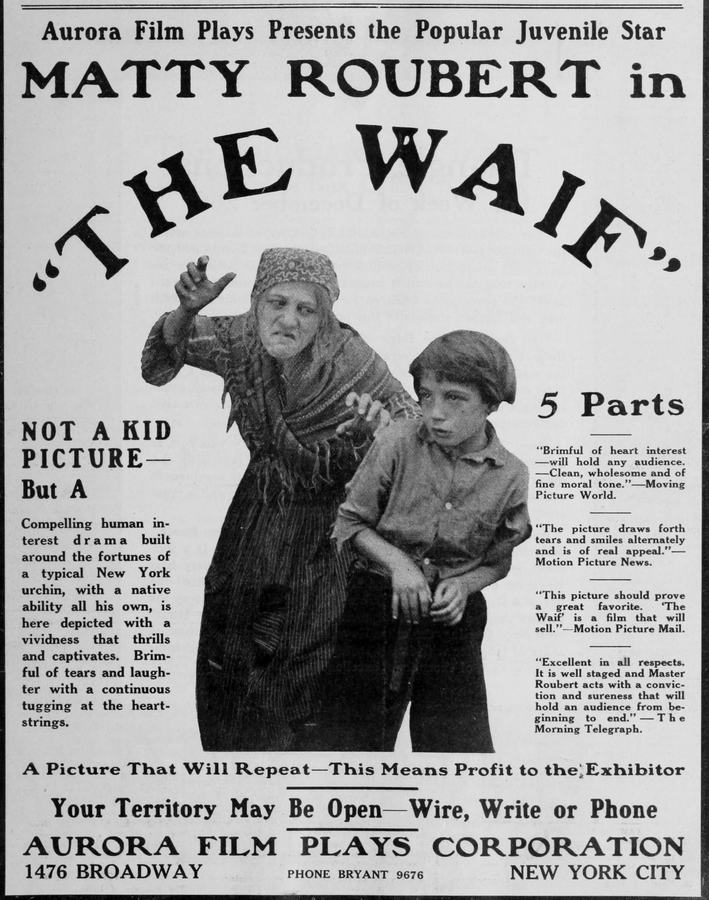
Stepping back into the cinematic nascent years of 1915, one encounters a fascinating tapestry of storytelling, where the nascent language of film was still finding its voice, yet already capable of profound emotional resonance. Among the myriad productions from this transformative era, William L. Roubert’s 'The Waif' emerges as a compelling, albeit perhaps understated, testament to the period's burgeoning dramatic capabilities. This silent film, featuring the poignant performance of Bessie Shaklein, delves into themes that remain startlingly relevant: the stark realities of urban poverty, the indomitable human spirit, and the relentless pursuit of truth against a backdrop of societal indifference. It’s a narrative that, despite its century-old vintage, speaks with an arresting clarity about the struggles of the marginalized and the enduring power of hope. Roubert, who also penned the script, crafts a world both cruel and capable of surprising kindness, a duality that defines the journey of our protagonist.
At the core of 'The Waif' lies the deeply affecting odyssey of Eliza, portrayed with heartbreaking vulnerability by Bessie Shaklein. Orphaned and utterly alone, Eliza is thrust into the unforgiving maw of an early 20th-century metropolis, a sprawling landscape of both grand aspirations and grinding destitution. Her days are a relentless struggle, a precarious dance on the precipice of survival, marked by the indignity of menial labor and the gnawing fear of homelessness. Shaklein imbues Eliza with a quiet dignity, a resilience that shines through her tattered garments and weary eyes. Her performance transcends the limitations of the silent medium, conveying a spectrum of emotion – from profound despair to flickering hope – with remarkable subtlety. The city itself, a character in its own right, looms large, its towering buildings casting long shadows over Eliza’s humble existence, a visual metaphor for the societal forces that conspire against her.
The narrative gains momentum with the introduction of Mr. Silas Croft, a character brought to life with chilling effectiveness by William Heidloff. Croft, initially appearing as a benevolent benefactor, preys upon Eliza’s vulnerability, drawing her into a sinister web of deceit. His machinations are not merely for personal gain but are rooted in a long-held secret, a cruel act of abandonment and identity theft perpetrated years prior. This element of hidden lineage and exposed villainy was a popular trope in early cinema, often serving as a dramatic engine for melodramatic plots. One might draw thematic parallels to films like A Celebrated Case, where questions of true parentage and long-lost heirs form the crux of the drama, though 'The Waif' grounds its narrative more deeply in the social realities of its setting.
The ensemble cast, though operating within the dramatic conventions of the era, contributes significantly to the film's emotional weight. Jennie Gilbert, as the dedicated social worker Miss Eleanor Vance, provides a crucial counterpoint to Croft’s villainy. Vance is not merely a plot device but a symbol of burgeoning social consciousness, tirelessly working to alleviate suffering and uncover injustice. Her unwavering commitment to the forgotten members of society drives a significant portion of the film's investigative plot, linking Eliza's personal tragedy to a larger societal failing. This portrayal of a proactive female character, dedicated to social reform, was a progressive element for its time, reflecting evolving attitudes towards charity and systemic problems.
Matty Roubert’s portrayal of Leo, the kind-hearted street musician, offers a much-needed ray of sunshine in Eliza’s bleak existence. His affection for her is genuine, seeing past her destitution to the inherent worth and spirit within. Their burgeoning relationship, depicted with a tender innocence characteristic of silent film romances, provides an anchor for Eliza, a source of strength that empowers her to confront her adversities. The dynamic between Eliza and Leo is reminiscent of the hopeful connections found in other urban dramas of the period, where genuine human connection often served as the ultimate salvation from the harsh realities of city life. The contrast between Leo's honest poverty and Croft's deceptive wealth underscores one of the film's central moral arguments.

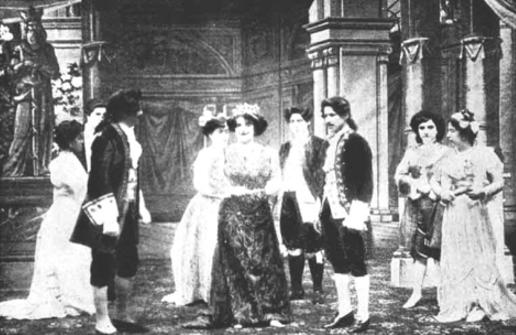
William L. Roubert's direction, while firmly rooted in the melodramatic conventions of 1915, demonstrates a keen understanding of visual storytelling. Without the aid of spoken dialogue, Roubert relies heavily on expressive acting, symbolic imagery, and carefully composed frames to convey narrative and emotion. The pacing, though deliberate by modern standards, effectively builds suspense and elicits empathy. He masterfully uses the contrast between the opulent interiors of the wealthy and the squalid conditions of the poor to highlight societal disparities, a common yet potent visual language of the era. This stark visual dichotomy is not merely decorative; it serves to underscore the injustice Eliza faces and the systemic nature of her struggles. The use of intertitles is judicious, providing necessary exposition without disrupting the flow of the visual narrative, allowing the actors' performances to carry the emotional weight.
The film's climax, a dramatic confrontation where Eliza's true identity is revealed and Croft’s villainy exposed, is staged with a theatrical flourish typical of early cinema. While some might find the resolution somewhat convenient, it provides the emotional catharsis that audiences of the time craved. The triumph of virtue over vice, often achieved through deus ex machina elements, was a hallmark of the period's moralistic storytelling. Yet, even within these conventions, 'The Waif' manages to feel earned, primarily due to Shaklein's convincing portrayal of Eliza's enduring spirit.
'The Waif' is more than just a tale of personal hardship; it functions as a social commentary, albeit one wrapped in the accessible package of melodrama. It shines a light on the vulnerability of the unprivileged, particularly young women, in an era before comprehensive social safety nets. The film implicitly critiques the indifference of a society that allows such profound suffering to exist. Eliza's journey from destitution to discovery is a powerful affirmation of identity and the inherent human right to a life free from exploitation. This thematic thread resonates with other films exploring urban struggle, such as Alone in New York, which also depicted the challenges of navigating a sprawling, often indifferent, city.
The film also touches upon the insidious nature of greed and deception, exemplified by Croft's character. His willingness to manipulate and exploit for personal gain underscores a timeless struggle between ethical conduct and ruthless ambition. The eventual triumph of truth and justice, while perhaps idealistic, offers a comforting moral compass for audiences grappling with the rapid social changes of the early 20th century. In this regard, it shares a certain moralistic backbone with adventure tales like The Sea Wolf, where protagonists must overcome formidable adversaries and moral dilemmas to achieve a rightful outcome, albeit in vastly different settings.
For contemporary viewers, 'The Waif' offers a valuable window into the cinematic techniques and narrative priorities of a bygone era. It reminds us of the power of visual storytelling even in its nascent forms, and the enduring appeal of universal themes. Bessie Shaklein’s performance, in particular, stands as a quiet triumph, demonstrating how deeply an actor could connect with an audience without uttering a single word. Her Eliza is not merely a victim but a survivor, a testament to the strength found in vulnerability.
While its style and pacing might feel antiquated to some, 'The Waif' rewards patient viewing with its genuine emotional core and its thoughtful exploration of social issues. It serves as an important artifact in the history of cinema, showcasing the foundational elements of dramatic storytelling that would evolve into the complex narratives we see today. The film, like its protagonist, might have been overlooked by the grand narratives of cinematic history, but its quiet strength and heartfelt message ensure its continued resonance for those willing to seek it out. It's a reminder that even in the earliest days of film, the capacity for profound human drama was already firmly established, paving the way for countless stories of struggle, resilience, and eventual triumph. Its place in the pantheon of early American cinema, though perhaps not as celebrated as some contemporaries, is nonetheless significant for its earnest portrayal of the human condition. The film underscores how the early silent era, often dismissed as rudimentary, was in fact a fertile ground for exploring complex social dynamics and individual journeys. The contributions of actors like Harry Weise and Morgan Philthorpe, though in supporting roles, add texture to this cinematic tapestry, creating a believable world for Eliza's struggles and eventual vindication. The enduring power of 'The Waif' lies not in groundbreaking technical innovation, but in its unwavering focus on the human heart, a focus that transcends the limitations of its time and continues to speak to audiences about the universal search for belonging and justice.
IMDb 2.1
1909
Community
Log in to comment.