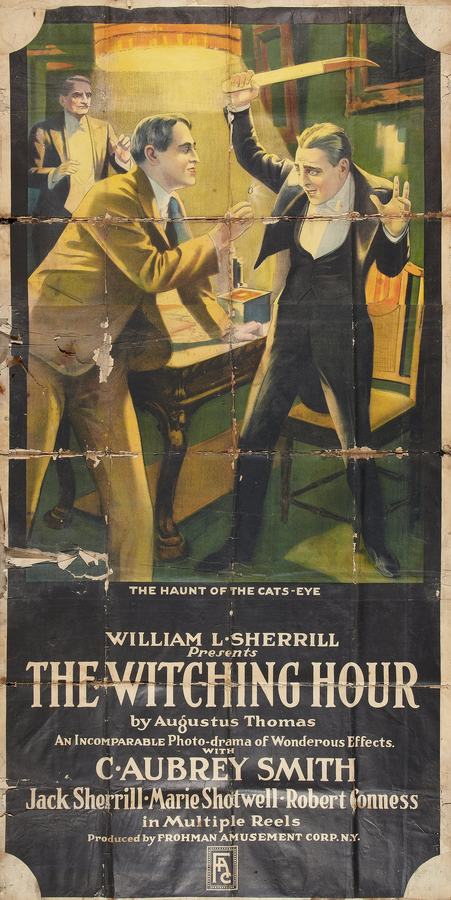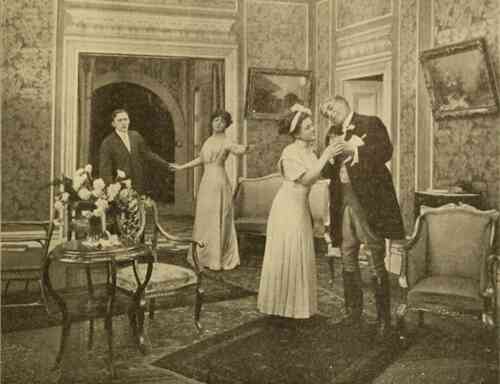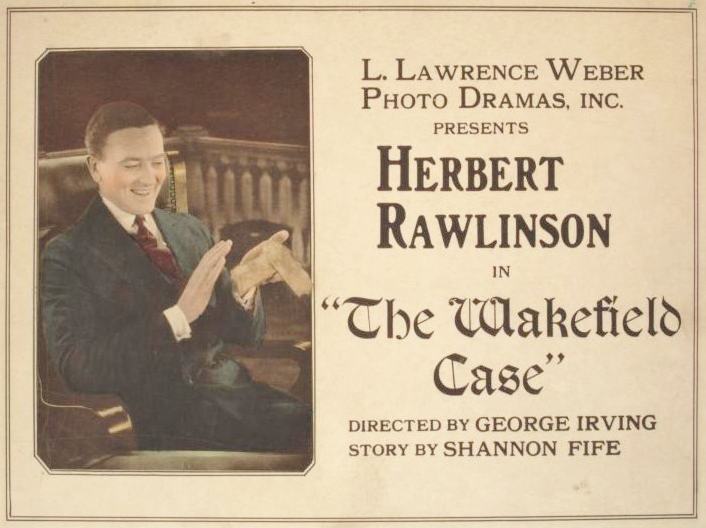
A playwright, Wakefield, Jr., turns detective when his father is killed after nearly capturing two brothers in possession of four rubies belonging to the British Museum.
The first time I watched The Wakefield Case I half-expected the celluloid itself to bleed—such is the lurid mythology that clings to this 1921 phantom. Seven reels of nitrate survive only because a projectionist in Duluth pocketed the print instead of torching it during the talkie purge; the scars are visible—emulsio...
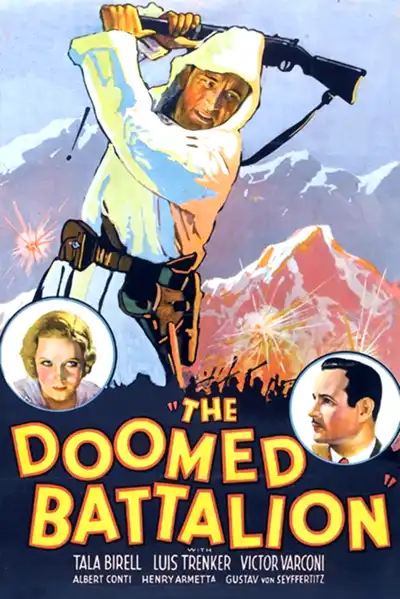
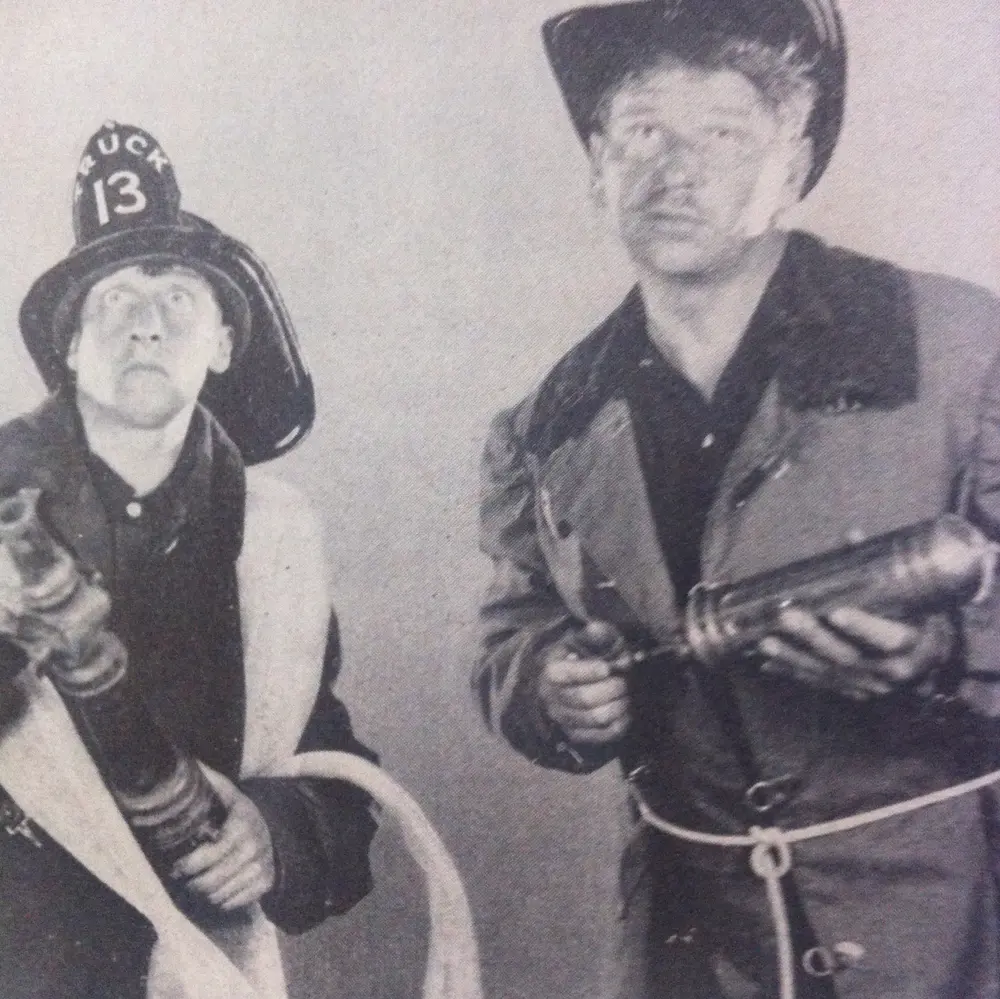
Comparing the cinematic DNA and archive impact of two defining moments in cult history.
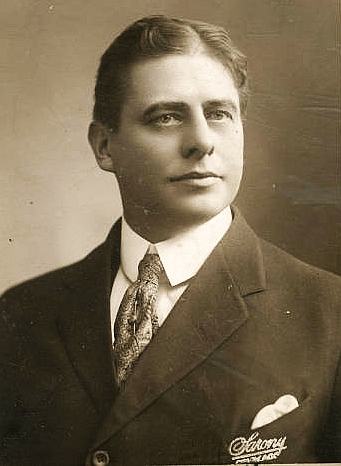
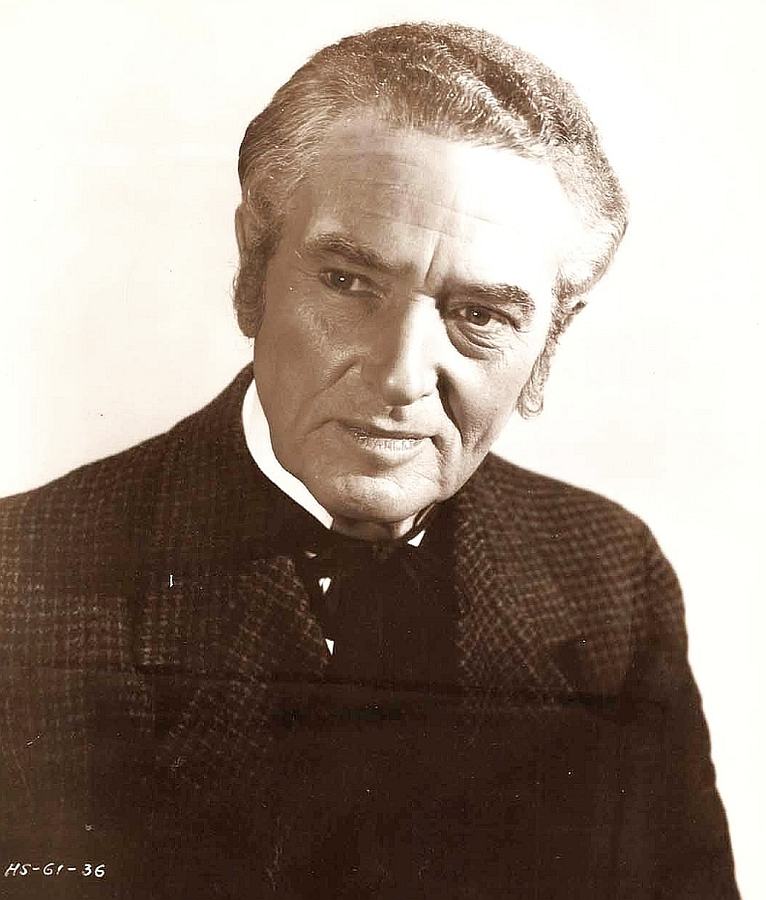
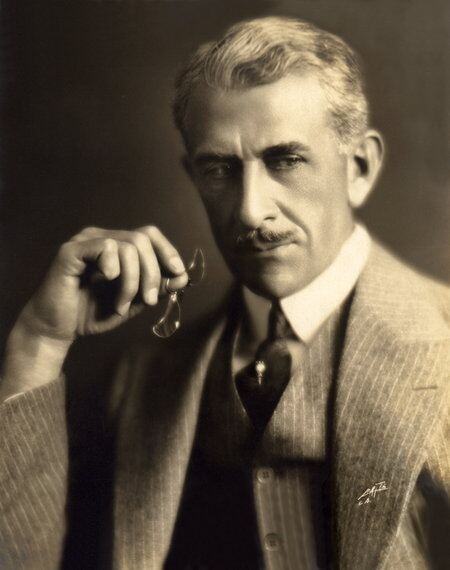
George Irving
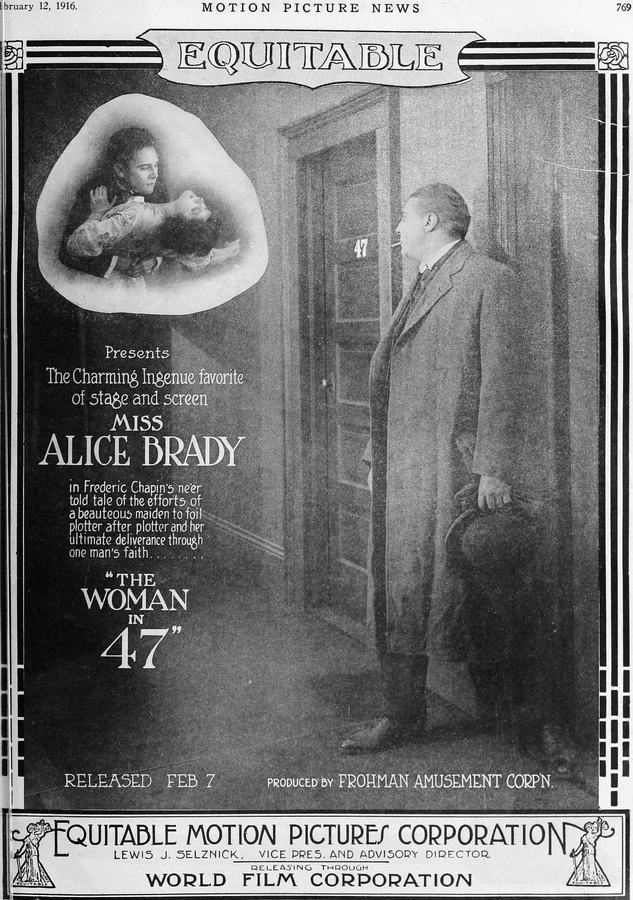
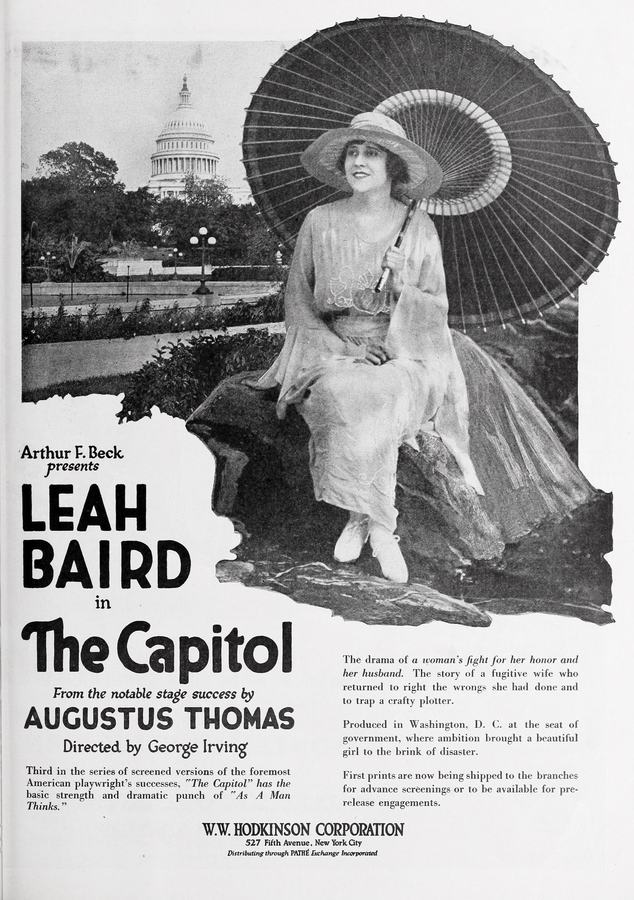
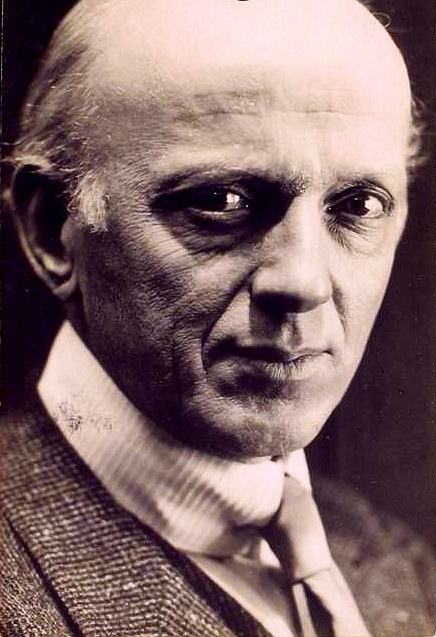
George Irving
Community
Log in to comment.
" The first time I watched The Wakefield Case I half-expected the celluloid itself to bleed—such is the lurid mythology that clings to this 1921 phantom. Seven reels of nitrate survive only because a projectionist in Duluth pocketed the print instead of torching it during the talkie purge; the scars are visible—emulsion boils like eczema, the tinting has oxidized to gangrene green—but the wounds somehow intensify the fever. What emerges is a fin-de-siècle anxiety transplanted into jazz-age cloth..."
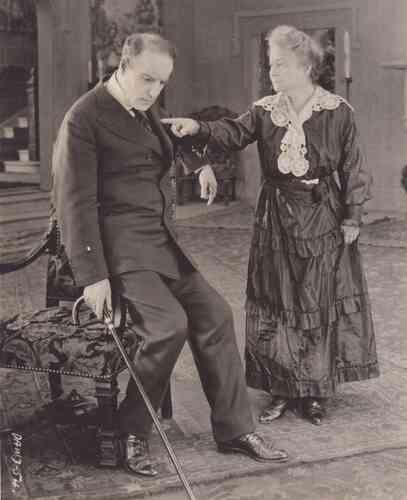
Florence Billings
Shannon Fife, Lillian Case Russell
United States
Deep dive into the cult classic
Discover similar cinematic experiences
A Directorial Spotlight on George Irving