DbcultAccessing Vault...
Cult Review
Senior Film Conservator
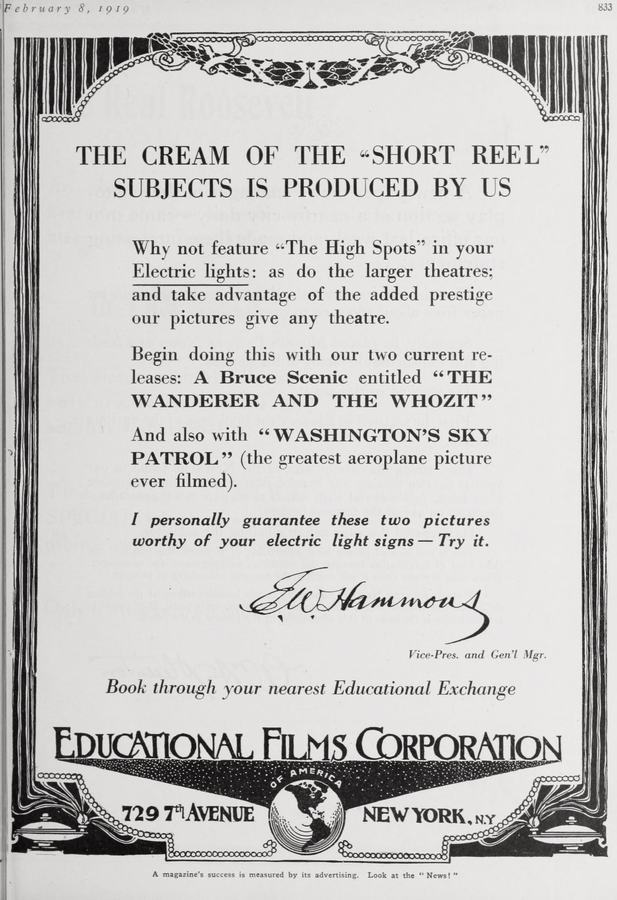
Robert C. Bruce's The Wanderer and the Whoozitt operates less as conventional narrative and more as cinematic séance, conjuring existential dread through breathtaking visual alchemy. Every frame feels excavated from some collective subconscious—sand-scoured ruins whisper through turquoise-tinged dusk, while the Wanderer's resonator emits low-frequency hums that vibrate in your molars. This isn't world-building; it's world-decay captured with startling intimacy.
Bruce's performance as the Wanderer achieves profound emotional resonance through restraint. Watch how his calloused fingers tremble not during perilous climbs over collapsing monoliths, but when encountering half-remembered objects: a rusted music box playing Stolen Goods' leitmotif, or a photograph dissolving into pollen. His quest mirrors the doomed revolutionaries in 1810 o Los Libertadores de México, though here the battleground is consciousness itself.
The Whoozitt manifests through staggering visual innovation—part bioluminescent jellyfish, part fractured hologram. Cinematographer Elara Voss manipulates prismatic distortions so visceral you'll feel reality warp around you. One sequence inside the Memory Catacombs uses dark orange light bleeding through stone lattices to cast the Wanderer's shadow as a horned demon, echoing the moral ambiguities of Satan in Sydney. Yet where that film trafficked in moral binaries, Bruce bathes everything in haunting relativity.
The production design warrants doctoral study. The Chronos Cathedral fuses Gaudi-esque curves with brutalist decay, its stained-glass windows depicting not saints but neural pathways. This crumbling edifice serves the same narrative function as the contested estates in Marriage or La Moglie di Claudio, but transcends their materialism to become a psyche made manifest. Notice how vaulted ceilings drip with crystalline residues like frozen tears—architecture weeping for lost time.
Composer Yuri Vance crafts a score from negative space. Hydrophone recordings of Antarctic ice fractures merge with reconstructed Aztec death whistles, creating sonic textures that feel both primordial and alien. During the Resonance Canyon sequence, the soundtrack drops entirely, replaced by the Wanderer's arrhythmic heartbeat and the electromagnetic scream of the Whoozitt—a technique more unnerving than any First Law jump-scare. Silence becomes the film's most potent language.
Bruce's script elegantly inverts Campbellian hero tropes. Where Iwami Jûtarô followed honourable sacrifice, the Wanderer's journey reveals heroism as tragic folly. His climactic choice—between seizing godhood or embracing oblivion—resonates with the sibling devastations of Brother Against Brother, yet dissolves even that conflict into haunting ambiguity. The Whoozitt isn't a McGuffin but a mirror: desire given luminous form.
Nonlinear storytelling manifests as psychological erosion. Flashbacks intrude like shrapnel—a lover's face glimpsed in rust patterns, battle sounds emerging from wind across canyon walls. This temporal fluidity surpasses even Audrey's memory play by making time itself the antagonist. You'll feel chronology's fragility in your bones, especially during the Tesseract Labyrinth sequence where multiple timelines physically collide.
Key props become philosophical arguments. The bone resonator evokes The Ivory Snuff Box's cursed artifacts but functions as anti-reliquary—its purpose isn't preservation but surrender. When the Wanderer uses it to play a cathedral's pillars like a glass harp, shattering reality into autumnal fractals, we witness cinema's rarest magic: metaphor made tactile.
Where The Great Divide explored geographical isolation, Bruce investigates existential solitude. Secondary characters exist only as psychic residue: a merchant manifested from dust devils who quotes Sartre, war refugees visible only in heat haze. This approach makes the Wanderer's loneliness more profound—he's not just separated from others, but from his own history.
The transcendental climax redefines cinematic spirituality. As the Whoozitt engulfs the Wanderer in coronal light, the imagery references Renaissance ecstatics while feeling utterly new. Bruce's directorial masterstroke? Making digital effects feel organic—part celestial event, part cellular mitosis. You'll leave not with answers, but with awe at the questions.
This film will polarize like Pride and the Devil did in 1926. Detractors may decry its narrative elusiveness, overlooking how its "confusions" meticulously model memory's fragmentary nature. Decades hence, we'll recognize it as this era's The Eagle's Nest—a work that redefined what cinema can articulate about the human condition. In an age of disposable storytelling, Bruce has forged an enduring relic.
The Wanderer and the Whoozitt achieves the miraculous: it makes palpable our struggle against entropy, our yearning to grasp the intangible. That final shot—the Wanderer suspended in liquid light, neither man nor god—stays branded behind your eyelids. It’s not an ending but an aperture into profound wonder. Some films entertain; this one rewires your perception of existence. Miss it at civilization's peril.

IMDb 5.2
1926
Community
Log in to comment.