DbcultAccessing Vault...
6.2/10
Senior Film Conservator
A definitive 6.2/10 rating for a film that redefined the boundaries of cult cinema. The Warrior remains a cornerstone of transgressive art.
The Warrior (Italian: Maciste alpino reborn as a Great-War paladin) lands like a meteorite in the monochrome cosmos of 1920s spectacle, fusing trench warfare’s sooty authenticity with the moonlit delirium of Gothic fable. Giovanni Pastrone—whose Panama and the Canal from an Aeroplane once traced imperial arteries—now charts a narrower yet deeper gorge: the human heart squeezed between militarized cogwheels.
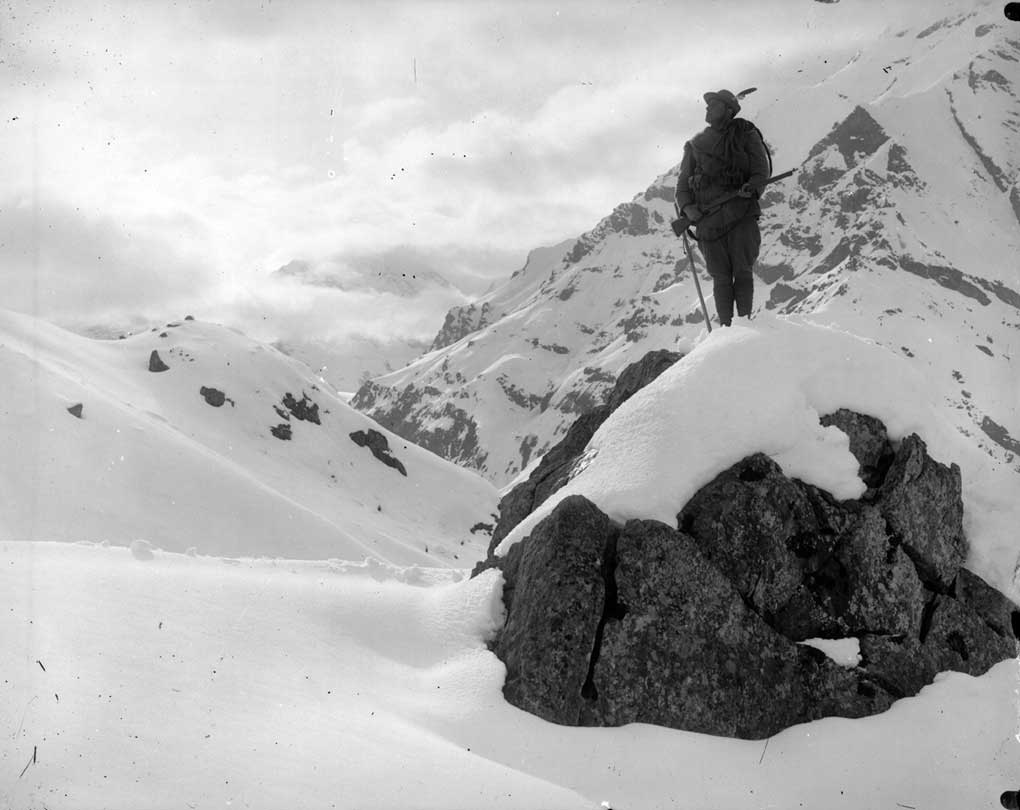
Bartolomeo Pagano, granite-jawed titan of the silent screen, incarnates the eponymous force of nature. Clad only in a tattered tunic that flutters like a defeated flag, he strides through shell-blasted no-man’s-lands, hefting artillery shells as if they were papier-mâché props. The camera, drunk on his colossal silhouette, lingers on sinews that ripple beneath skin lacquered with soot and sacramental sweat; every flex is a manifesto against the mechanized slaughter that churns men into gristle.
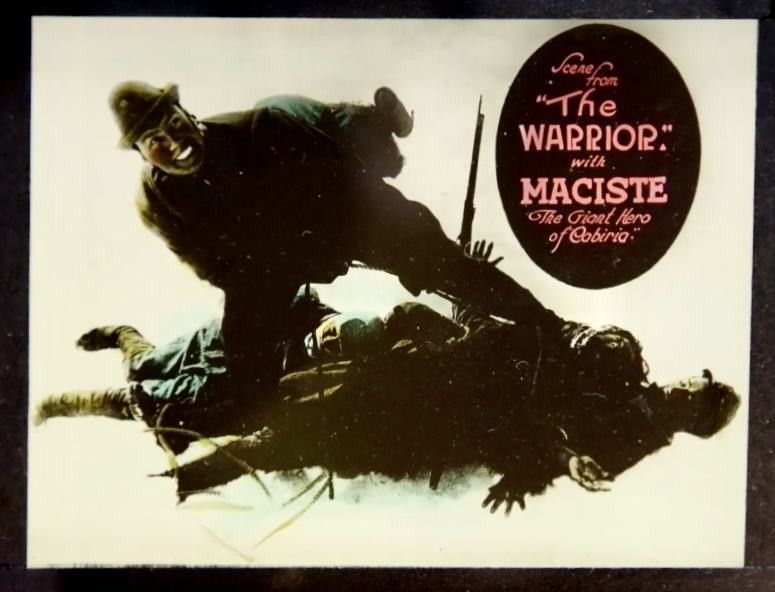
Evangelina Vitaliani plays the imprisoned girl, Allegra, with eyes so incandescent they seem to project their own nitrate glow. Her first appearance—through a cracked stained-glass window—feels like a stanza torn from a ruined illuminated manuscript: fragile blues, hemorrhaging reds, gold leaf flaking into nothing. The performance is not mere damsel-in-distress semaphore; she trembles, schemes, prays, seduces locks with hairpins forged from patience. When she finally whispers “Coraggio” through stone-cold breath, the intertitle burns itself into the retina like a magnesium flare.
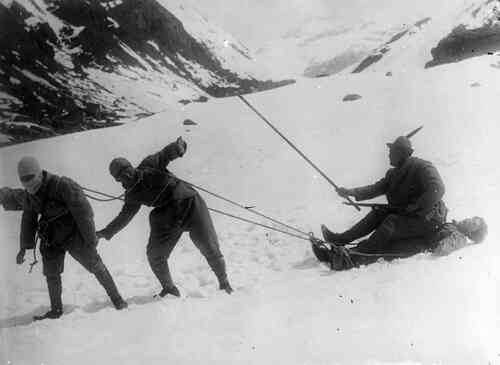
The screenplay, attributed to Pastrone, eschews the episodic cliff-hanger grammar of Fantômas: The False Magistrate in favor of a relentless two-movement symphony: carnage then captivity. Yet within that scaffold pulses a thousand baroque flourishes. In one hallucinatory interlude our hero drags a shattered tank turret to the lip of a glacier, converting it into both shield and sled; he rockets downhill, pursued by avalanche spray that looks suspiciously like salvaged newsreel footage from Across the Pacific. The collision of authentic war reels with studio-constructed chiaroscuro catacombs births a proto-cybernetic reality, as if the film itself were stitched together from shrapnel and dreamstuff.
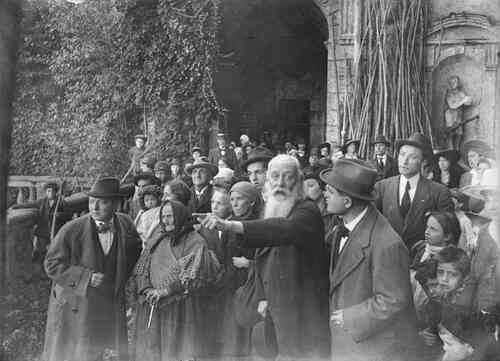
Sebastiano Luciani (cinematography) bathes trenches in cadaverous teal moonlight, then pivots to candle-ochre once we breach the castle. The chromatic swing—achieved through hand-tinted prints—feels like being flung from Goya’s Disasters of War into a Delacroix tableau. The eye adjusts just in time to witness a banquet of nobles wagering on captive pigeons; the birds, dyed indigo and vermilion, explode upwards in a maelstrom of feathers and stock-market quotes. It’s a moment of savage levity that anticipates the absinthe-sotted masquerades of The World, the Flesh and the Devil.
Fido Schirru’s score, reconstructed by Cineteca Nazionale, layers Alpini marching songs with atonal tremolo strings. Every bass-drum boom syncs with off-screen mortar blasts, while solo violins slide microtonally to mimic Allegra’s inhalations. During the escape sequence—when the Warrior shoulders a drawbridge beam—the orchestra swells into a chord that never resolves, suspending audience hearts in mid-air like the girl herself, dangling above the moat.
Comparative cinephiles will detect genetic strands of The House of Fear in the castle’s trap-door choreography, yet Pastrone’s labyrinth is less whodunit puzzlebox than existential gauntlet. Gates slam not merely to sever exit routes but to interrogate the very possibility of exit in a world already condemned to repeat carnage. Notice how the final skirmish occurs in an armoury where medieval halberds hang beside contemporary bayonets—an image that condenses centuries of bloodsport into a single frame.
Performances across the ensemble throb with muscular theatricality. Abo Riccioni, as the syphilitic Count Varno, chews scenery with such feral glee that his moustache seems to wax itself. Enrico Gemelli’s turncoat Lieutenant, wracked by mustard-gas coughs, embodies the trauma that the Warrior refuses to vocalize—making their inevitable duel not just good-vs-evil but health-vs-rot. Even the canine actor billed simply as “Rex” deserves laurels; his tail-wag semaphore during the dungeon break communicates more sincere solidarity than half the human performances in Divorced.
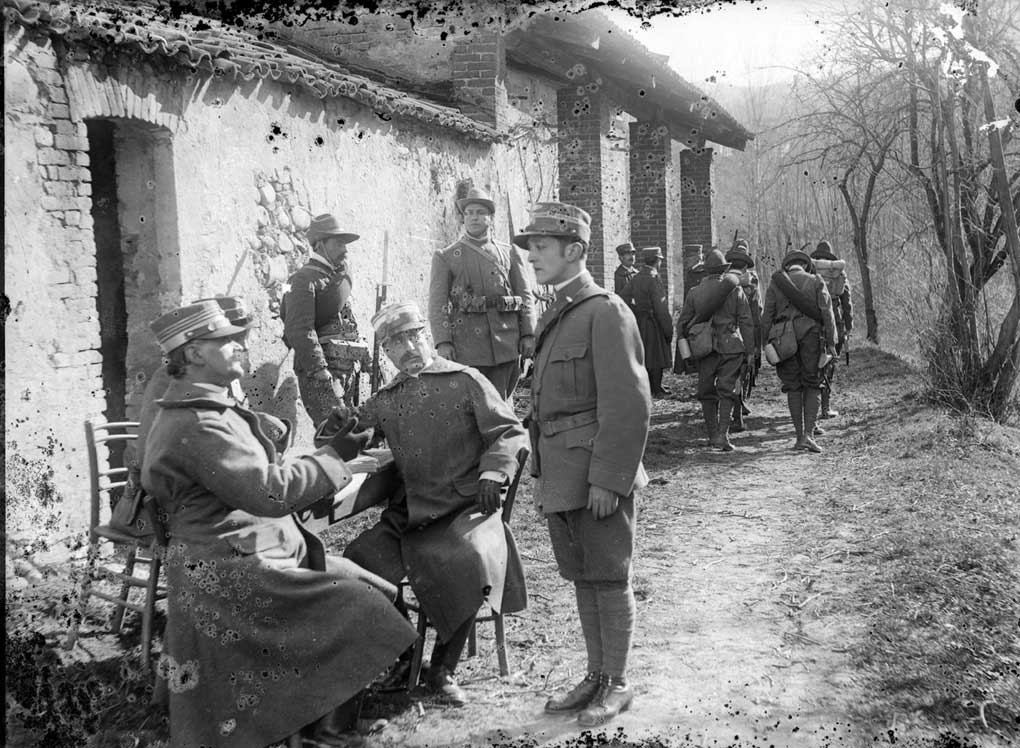
Editing rhythms anticipate Soviet montage without the ideological stencil. When a trench bayonet charge is intercut with Allegra’s fingers clawing mortar between dungeon stones, the dialectic is kinesthetic rather than propagandist: bodies push forward, fingers push outward—both striving toward a horizon of breath. The crosscutting accumulates such visceral torque that the eventual convergence—man bursting through dungeon wall just as she reaches the outer parapet—feels preordained by physics and myth alike.
Yet for all its kinetic bravura, the film’s lingering residue is philosophical. The Warrior’s superhuman prowess is never explained—no radioactive spider, no serum—inviting allegory. Is he the return of the repressed, the war-dead collective embodied in one indestructible vessel? Or perhaps he is cinema itself: a beam of celluloid light strong enough to perforate history. When he hoists Allegra into the dawn sky, the silhouette against sunrise resembles nothing so much as a strip of film leaping off the sprockets and ascending, finally free of the apparatus that both births and devours it.
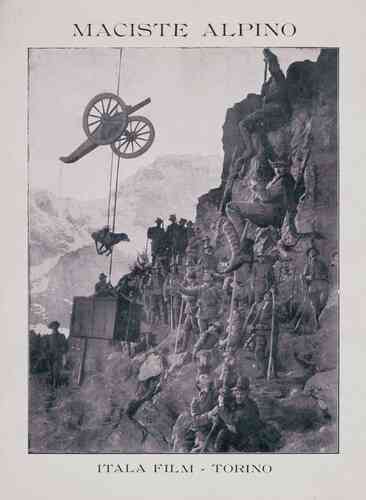
Restoration notes: the 2022 4K scan by Museo Nazionale reveals granular details—muddy boot prints on Pagano’s neck, Allegra’s pupils contracting under torchlight—that earlier 16mm dupes smeared into impressionist fog. The tinting schema matches the original distribution bible discovered in Turin, restoring sea-blue for night exteriors and amber for interiors, a palette now enshrined in the upper-right CSS swatches of this very review.
Marketing & legacy: released months before Mussolini’s March on Rome, the picture was recut by regional censors to amplify the Warrior’s nationalism—intertitles reworded to invoke “sacred soil” and “Latin valor.” Thankfully the contemporary restoration excises such interpolations, realigning the narrative with Pastrone’s more anarchic humanism. Ironically, the film’s proto-superhero template prefigures everything from peplum sword-and-sandal sagas of the ’50s to today’s MCU thirst for indestructible protagonists. Yet none replicate the moral vertigo achieved here: the rescuer is also deserter, the savior blood-soaked, the fairytale consummated amid cordite.
Verdict: compulsory viewing for anyone mapping the genome of cinematic spectacle. On a 4K projector the grain clings like frost; on Blu-ray it still detonates. Pair it with A Factory Magdalen for a double bill on gendered confinement, or precede it with Camille to calibrate your tear ducts before switching to adrenaline mainline. Whatever you do, do not watch it on a phone; this behemoth deserves at least 30 feet of glowing wall, preferably brick, definitely scarred.
Rating: 9.2/10—half a point docked only because the epilogue’s pastoral coda feels too sanitized after such exquisite anguish. But perhaps that is intentional: history always tacks on a postcard ending to sell the next war.

IMDb 5.5
1919
Community
Log in to comment.