DbcultAccessing Vault...
6.9/10
Senior Film Conservator
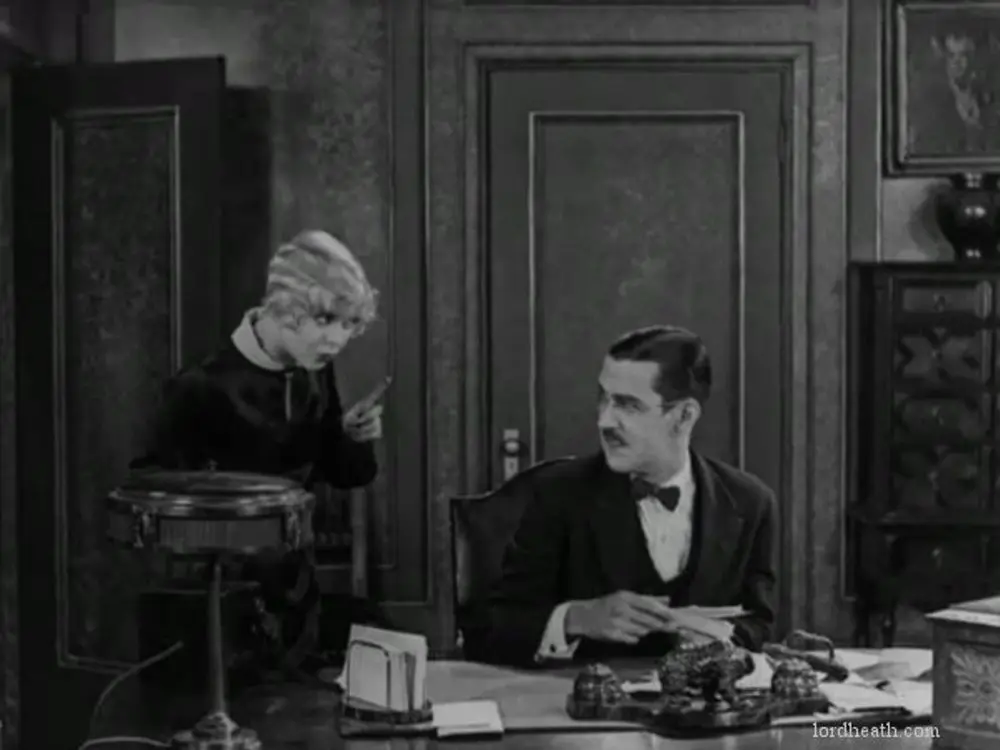
A definitive 6.9/10 rating for a film that redefined the boundaries of cult cinema. The Way of All Pants remains a cornerstone of transgressive art.
Is 'The Way of All Pants' worth watching today? Short answer: yes, but with significant caveats. This 1927 silent-era gem is an essential watch for cinephiles, historians of comedy, and those who deeply appreciate the intricate art of physical humor. However, its age and specific comedic rhythm, while brilliant for its time, may deter casual viewers accustomed to modern pacing and more diverse comedic palettes.
It’s a film that demands a certain appreciation for its context, a willingness to engage with a different kind of storytelling. If you’re looking for a quick, universal laugh, you might find it a challenging watch. But if you’re eager to witness a master of silent comedy at work, navigating a truly absurd premise, then you’re in for a treat.
This film works because of Charley Chase's unparalleled ability to embody exasperated normalcy amidst utter chaos. His comedic timing and physical dexterity elevate a simple, repetitive gag into a surprisingly nuanced exploration of social embarrassment. The escalating absurdity of the plot, coupled with Chase's increasingly desperate attempts to maintain dignity, creates a relentless comedic engine that, for the most part, still purrs.
This film fails because its central premise, while initially hilarious, can wear thin for modern audiences. The humor is almost entirely derived from a single, prolonged predicament, and while inventively executed, it lacks the broader thematic or character development often found in more complex silent features. Some of the supporting performances also feel more like caricatures than fully realized foils, serving primarily to advance Chase's predicament.
You should watch it if you are a dedicated fan of silent cinema, a student of physical comedy, or simply curious to see how a seemingly simple premise can be stretched to its absolute comedic limit by a true professional. It’s a masterclass in how to build a gag, layer by layer, until it reaches a crescendo of delightful pandemonium. If you prefer your humor subtle, dialogue-driven, or less reliant on visual farce, you might find its charms more academic than entertaining.
The plot of 'The Way of All Pants' is disarmingly simple, almost deceptively so. A man, tasked with delivering a pair of trousers, finds himself in the unenviable position of having lost his own. This single, catastrophic event ignites a chain reaction of public humiliation and frantic improvisation. H.M. Walker's writing, or perhaps the collaborative comedic genius of the era, understands that the real humor isn't just in the loss, but in the elaborate, often futile, attempts to conceal it.
The film's pacing is relentless, a rapid-fire succession of near-misses and disastrous encounters. There's little time to breathe as our hero lurches from one desperate cover-up to the next. From the moment the trousers vanish, the narrative becomes a tightly wound spring, each subsequent gag ratcheting up the tension and the stakes. It’s a beautifully choreographed panic attack.
Consider the scene where Chase, attempting to navigate a crowded street, spots a conveniently discarded barrel. His attempt to use it as a makeshift garment, only to find it has a missing bottom or to be chased by its rightful owner, is classic silent era ingenuity. The film doesn't linger; it introduces the predicament, explores a quick solution, amplifies its failure, and then moves on to the next, more absurd obstacle. This energetic rhythm keeps the audience engaged, even when the core joke remains constant.
The film’s genius lies in its commitment to the bit. It doesn't shy away from the awkwardness; it amplifies it. The world around Chase seems oblivious or, worse, deliberately complicit in his torment. This creates a fascinating dynamic where the protagonist is both victim and unwitting conductor of his own public symphony of embarrassment. It's a narrative structure that, despite its simplicity, proves remarkably robust for comedic effect.
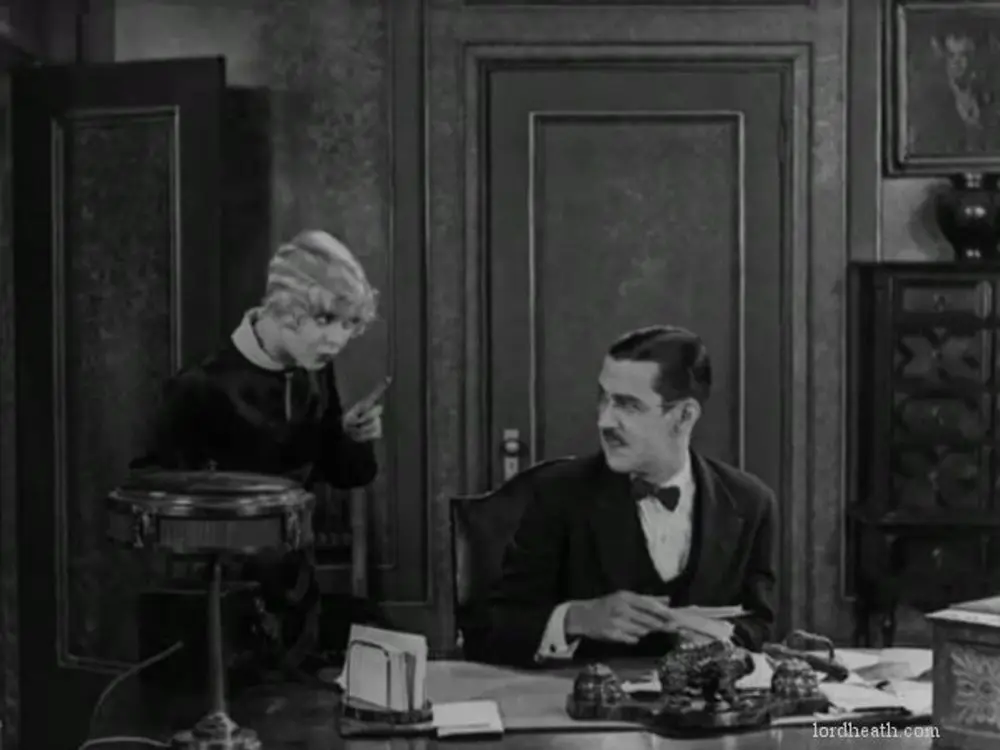
Charley Chase, a name perhaps less universally recognized than Keaton or Chaplin, but no less significant in the pantheon of silent comedy, is the absolute heart and soul of 'The Way of All Pants.' His performance here is a masterclass in understated exasperation and relatable everyman panic. Unlike Buster Keaton's stoic resilience or Charlie Chaplin's wistful tramp, Chase's character is defined by a desperate, almost neurotic, pursuit of social normalcy.
His facial expressions alone are worth the price of admission. The subtle twitch of an eyebrow, the wide-eyed terror when he realizes his predicament, the forced smile he adopts when trying to bluff his way through a public encounter – these are the tools of a comedic genius. He doesn't just fall; he reacts to falling, and then reacts to the reaction of others to his fall. It's multi-layered physical comedy.
One particularly memorable sequence involves Chase attempting to use a strategically placed newspaper to cover himself, only for a sudden gust of wind to expose him to a disapproving matron and a group of giggling children. His look of mortified resignation, followed by a frantic, almost balletic scramble for cover, is both hilarious and deeply human. He’s not a clown; he’s a man caught in a nightmare, and his reactions are entirely believable within that heightened reality.
The supporting cast, including the likes of Milla Davenport and Elmo Billings, serve primarily as foils to Chase's plight. They are the unwitting public, the stern authority figures, the curious bystanders who amplify his discomfort. While not deeply developed characters, their reactions are essential to establishing the social stakes of Chase's trousers-less odyssey. Buddy the Dog, often a scene-stealer in other silent shorts, here acts as a chaotic element, sometimes helping, sometimes hindering, but always adding to the general pandemonium. It’s a testament to Chase’s presence that he never gets lost amidst the bustling ensemble.
While H.M. Walker is credited with the writing, the directorial hand behind 'The Way of All Pants' (often a collaborative effort in the silent era, sometimes involving the lead actor) demonstrates a keen understanding of visual comedy. The film’s direction is straightforward but effective, prioritizing clarity of action and comedic timing above all else. There are no fancy camera tricks or elaborate set pieces; the focus is squarely on the unfolding chaos and Chase's reactions.
The cinematography, typical of the era, is functional and bright. It uses wide shots to establish the environment and allow the physical comedy to play out, ensuring the audience can see every frantic movement and every close call. However, it’s in the judicious use of close-ups that the film truly shines. These moments, often focusing on Chase's face, amplify his embarrassment, his desperation, and his fleeting moments of triumph before the next disaster strikes. This allows for a deeper connection with the character's internal struggle, despite the external farce.
The framing of scenes is crucial. Directors meticulously block out the action to ensure maximum comedic impact. For example, a scene where Chase attempts to blend into a crowd, only to be singled out by a sudden gap in the throng, is expertly composed. The camera holds steady, allowing the comedic movement within the frame to tell the story. This precision, even in apparent chaos, is a hallmark of well-executed silent comedy.
The editing is sharp and purposeful, cutting quickly between cause and effect, problem and attempted solution. This contributes significantly to the film's brisk pace and ensures that the gags land with maximum punch. There’s a particular rhythm to silent film editing, and 'The Way of All Pants' executes it flawlessly, maintaining a propulsive energy that rarely sags.
The tone of 'The Way of All Pants' is pure, unadulterated farce. It revels in absurdity and the inherent awkwardness of its premise. There's a lighthearted, almost mischievous quality to the humor, even as it puts its protagonist through the wringer. It’s a film that wants you to laugh at the discomfort, but also empathize with the man experiencing it.
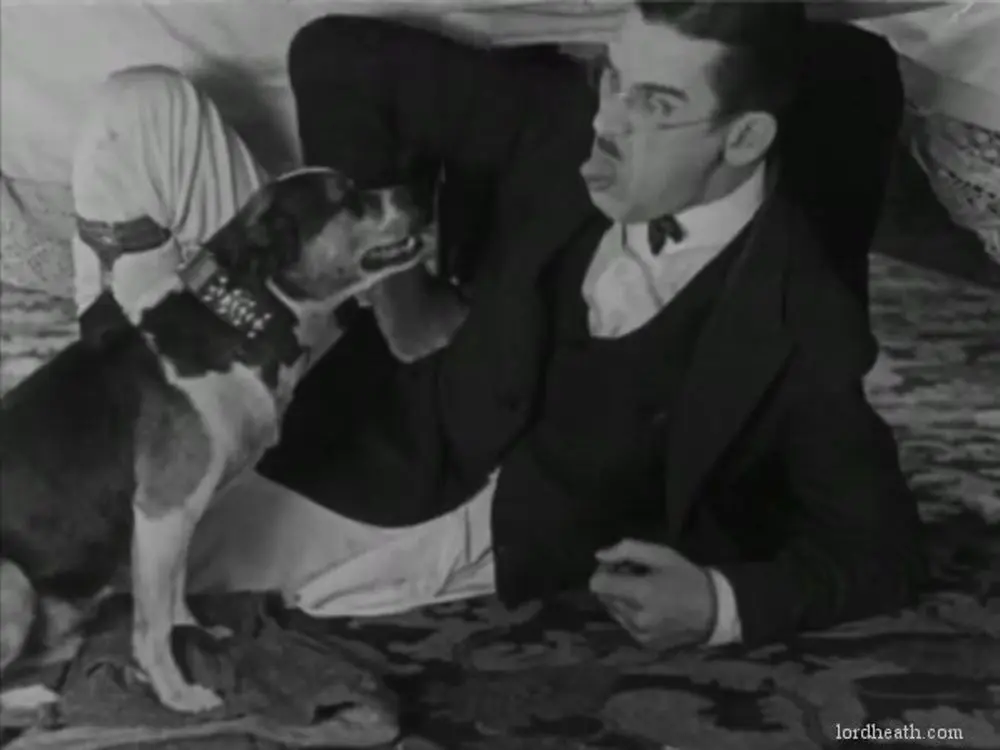
However, its timelessness is debatable. While the core concept of public embarrassment remains universally relatable, some of the specific comedic beats and the sheer reliance on a single, prolonged gag might not resonate as strongly with contemporary audiences. Modern comedy often demands more narrative complexity, sharper dialogue, or a quicker succession of varied jokes. This film, by contrast, is a deep dive into one very specific well of humor.
This isn't just slapstick; it's a profound, if accidental, commentary on societal norms and the fragility of dignity. The film inadvertently becomes a bizarre ballet of public decency, each near-miss a pirouette of social anxiety. It's a surprising observation, given its simple premise, but the film's relentless focus on the social consequences of its hero's predicament elevates it beyond mere pratfalls. It works. But it’s flawed. While brilliant in its era, some gags simply don't land with the same punch today, feeling more like historical artifacts than laugh-out-loud moments.
Comparing it to other silent comedies, one might find it less ambitious than a feature like The Prince and the Pauper in terms of narrative scope, but equally impactful in its comedic execution as a short. It stands as a testament to the era's ability to extract maximum humor from minimal setup. It’s a charming artifact, but one that requires a specific lens to truly appreciate its full comedic power today.
Yes, 'The Way of All Pants' is worth watching, especially if you have an interest in film history or the evolution of comedic performance. It offers a clear window into the genius of Charley Chase.
It’s a foundational piece for understanding physical comedy and how silent films built narratives around visual gags. The film’s energy is infectious.
However, be prepared for a singular focus. The humor largely revolves around the central predicament of lost trousers. If you prefer varied comedic styles or modern pacing, it might feel repetitive.
For those who appreciate the art form, it’s an absolute must-see. For casual viewers, it’s a curious historical watch.
Pros:
- Charley Chase's exceptional physical comedy: A masterclass in reacting to impossible situations.
- Relentless, escalating pacing: Keeps the energy high from start to finish.
- Clever visual gags and improvisational humor: Inventive solutions to a singular problem.
- Historical significance: A great example of silent-era slapstick.
Cons:
- Repetitive central gag: Can wear thin for some modern viewers.
- Limited narrative depth: Focuses almost entirely on the one predicament.
- Dated sensibilities: Some humor may not translate perfectly today.
- Minimal character development beyond Chase: Supporting cast serves mostly as plot devices.
'The Way of All Pants' is not merely a relic; it's a vibrant, often hilarious demonstration of silent comedy at its most focused. Charley Chase delivers a performance that perfectly encapsulates the everyman caught in an absurd nightmare, and the film’s relentless pacing ensures that the laughs, or at least the smiles of appreciation, keep coming. It is a film that rewards patience and an understanding of its historical context.
While it may not achieve the philosophical depths of Chaplin or the architectural precision of Keaton, it carves its own niche through sheer, unadulterated comedic commitment. It's a delightful, if somewhat one-note, experience that stands as a testament to the enduring power of physical humor. Seek it out if you’re ready for a charming, chaotic trip back in time to witness a true comedic craftsman at work.
IMDb 6.8
1930
Community
Log in to comment.