DbcultAccessing Vault...
6.6/10
Senior Film Conservator
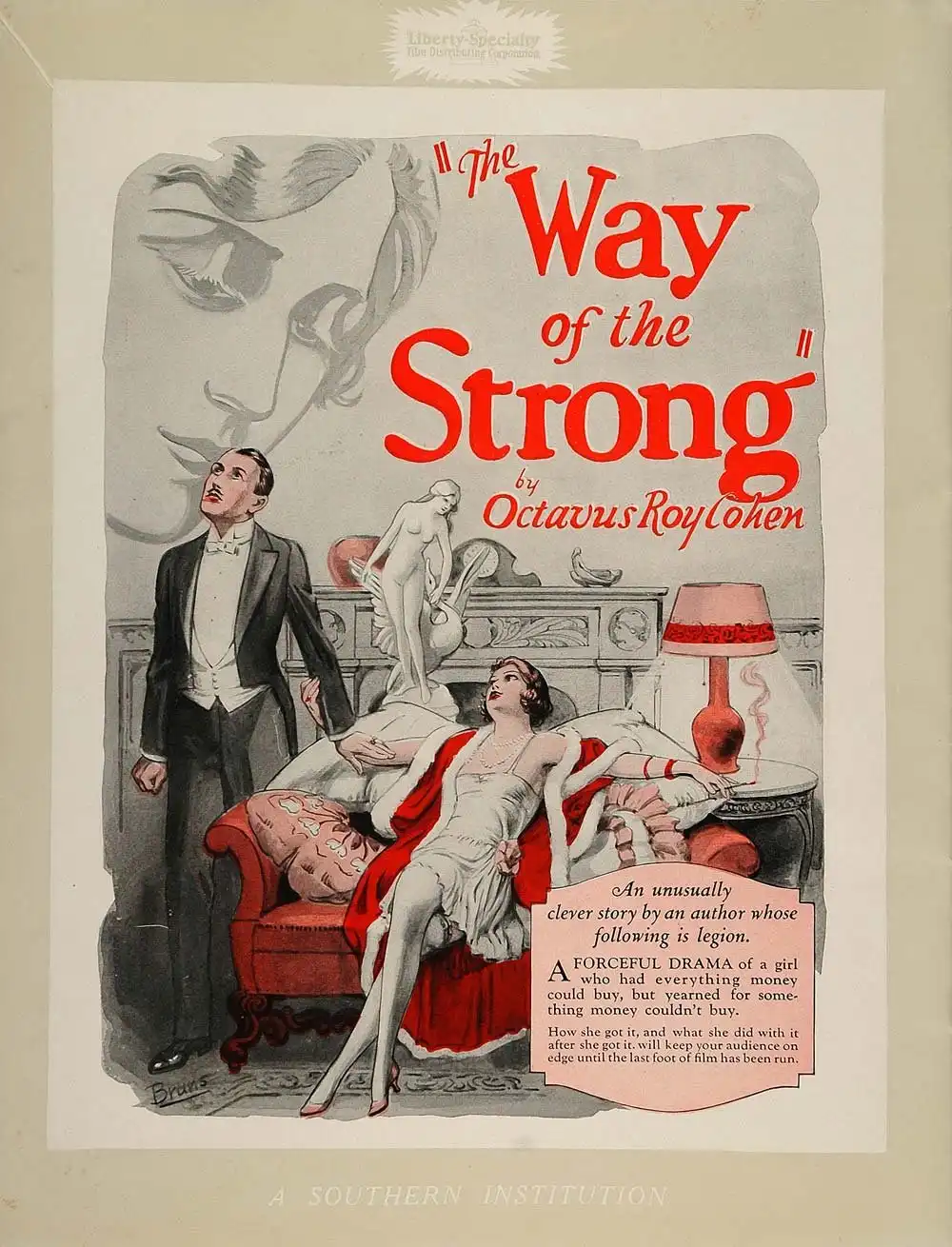
A definitive 6.6/10 rating for a film that redefined the boundaries of cult cinema. The Way of the Strong remains a cornerstone of transgressive art.
Is The Way of the Strong worth digging up today? Probably not for everyone, no. But if you’re into that raw, early gangster vibe, the kind of film that feels like it was shot quickly with real intent, there’s something here. You’ll probably hate it if you need modern pacing or perfectly nuanced performances. This is a film for those who appreciate the quirks and rough edges of cinema finding its feet.
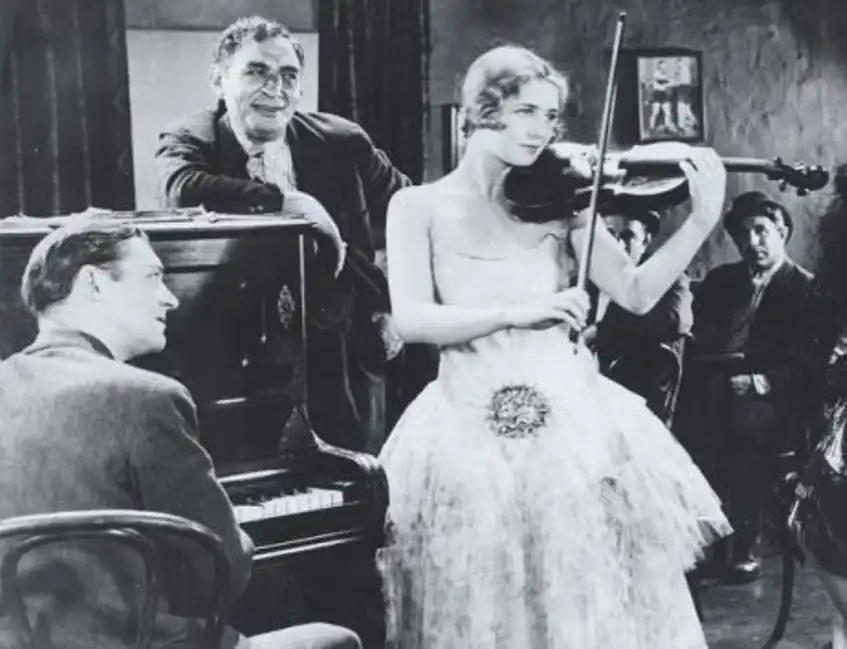
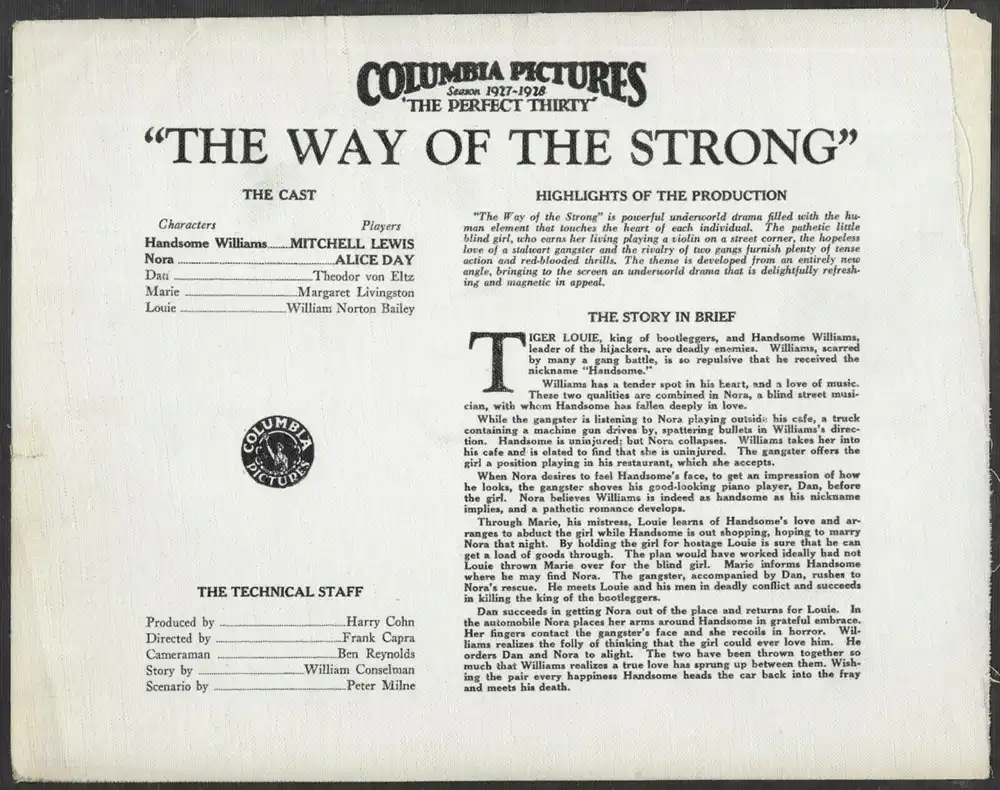
The setup is classic: Theodore von Eltz plays Williams, a bootlegger who isn't exactly a saint but has a certain code. He finds Nora (Margaret Livingston) truly down on her luck, almost collapsing, and takes her in. It’s a gesture that feels more like a plot device than genuine kindness sometimes, but it gets the story moving. Livingston, who you might remember from Sunrise: A Song of Two Humans, has this captivating intensity even in these smaller, less defined roles. Her eyes really do a lot of the heavy lifting.
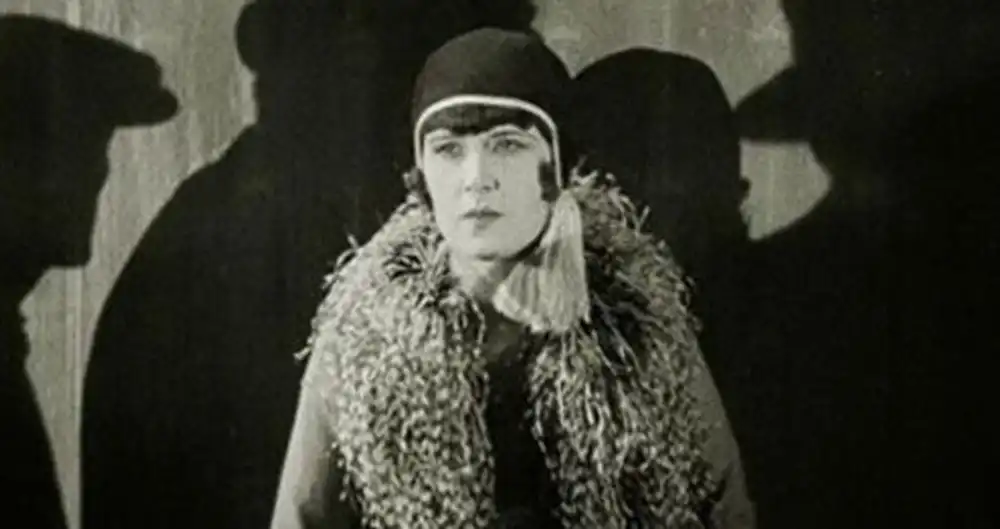
The film quickly drops us into the brewing gang war between Williams and Robert Wilber’s Tiger Louie. And Louie… well, he’s a piece of work. Wilber plays him with this almost cartoonish menace. Every scowl, every clenched fist, feels like he’s trying to chew through the intertitles. It’s not subtle. It’s 1928, though, so you expect a bit of that theatricality.
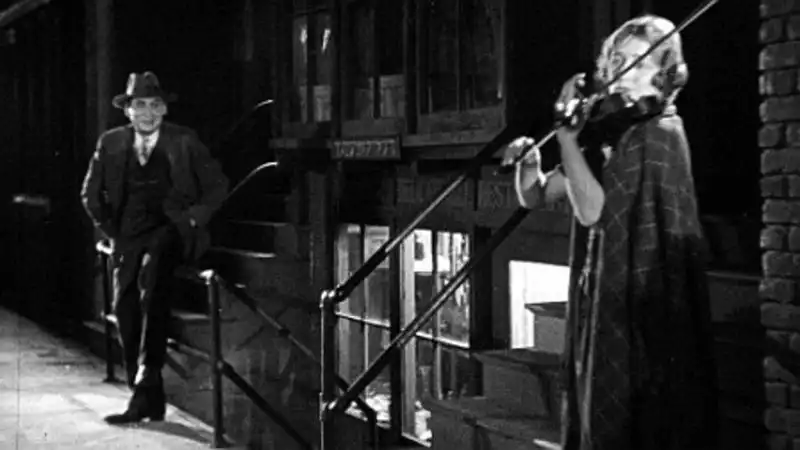
What’s genuinely interesting is how unglamorous this underworld feels. The sets are sparse, often just a few tables and some bottles. The 'gang' often looks like three guys who just wandered in from the street, not some organized crime syndicate. It lends a strange authenticity, almost like a documentary of a very local, very small-time operation.
There’s a scene early on where Nora is trying to pour a drink, and her hands are visibly shaking. It’s a small detail, but it sells her desperation better than any dramatic gesture could. Then Williams puts his hand over hers, steadying her. It’s a moment that almost works. It’s just long enough to land, but then the camera lingers a beat too long on Williams' face, almost asking, 'Did you get that? Did you see the *meaning*?'
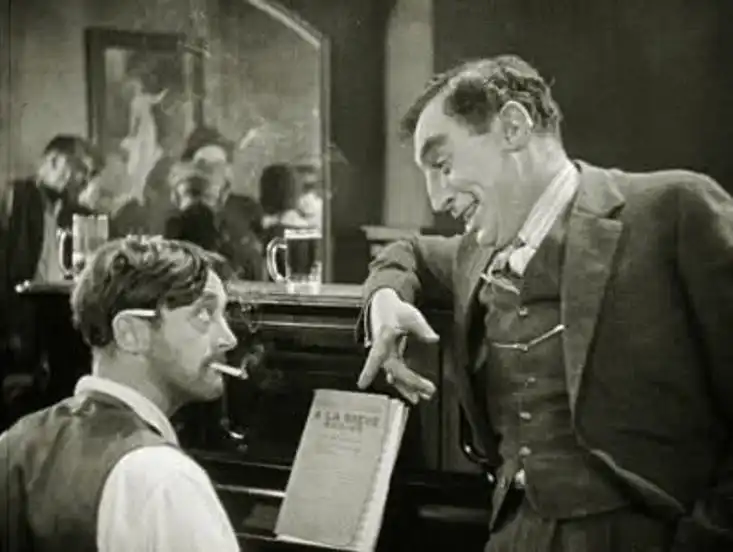
Pacing is all over the place. Some sequences fly by, all quick cuts and frantic action, especially during the inevitable skirmishes. Others, particularly scenes meant to build emotional tension, just sit there. There's a moment where Nora is trying to decide what to do, and the shot holds on her for what feels like an eternity. You see her go through about five different expressions, each one a little too deliberate, like she’s cycling through a pre-approved list of emotions.
The fight scenes themselves are… spirited. You can tell they’re trying. Lots of flailing, some surprisingly effective falls. One guy gets hit with a chair, and it looks like it actually connects. Then a few seconds later, he’s up and running, no worse for wear. Suspension of disbelief is key here, obviously.
And the costumes! Williams always has this perfectly pressed suit, even when he's just woken up or been in a brawl. Nora’s wardrobe, on the other hand, shifts from utterly bedraggled to surprisingly chic with very little transition. One minute she’s wearing something that looks like she slept in it for a week, the next she’s in a sleek dress, ready for a night out. It's a quick visual shorthand for her improving fortunes, but it's jarring.
There's a character, one of Williams' henchmen, played by Willie Fung. He’s often in the background, making these wide-eyed, almost comical expressions. He’s not given much to do, but every time the camera catches him, he’s *reacting*. Sometimes it’s a little too much, but you can’t say he’s not trying. It’s the kind of performance that would be cut from a modern film but feels perfectly at home in this era.
The final showdown is exactly what you expect, which is both a strength and a weakness. It’s chaotic, full of close calls and dramatic rescues. But it also feels like it's ticking off a list: hero saves damsel, villain gets his comeuppance. There’s a particular shot of Tiger Louie falling that just looks… staged. You can practically see the mat he’s aiming for.
What The Way of the Strong really offers is a snapshot. It’s a raw, unpolished look at a genre in its infancy. It’s not always graceful, often clumsy, but it has a pulse. You can feel the filmmakers figuring things out as they go, trying to tell a compelling story with the tools they had. It's a reminder that even the roughest diamonds from the silent era can still catch the light in unexpected ways, even if that light sometimes reveals a few too many smudges.
IMDb 5.1
1927
Community
Log in to comment.