DbcultAccessing Vault...
6/10
Senior Film Conservator
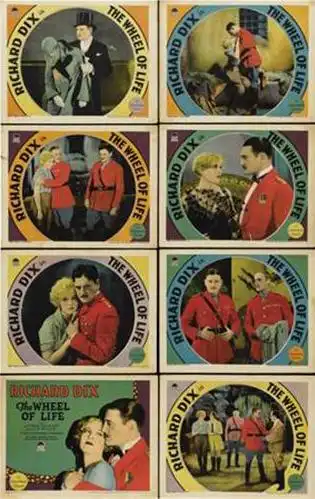
A definitive 6/10 rating for a film that redefined the boundaries of cult cinema. The Wheel of Life remains a cornerstone of transgressive art.
If you're looking for a quiet evening with classic melodrama, The Wheel of Life might just be your ticket. It's definitely one for the silent film enthusiasts, or anyone curious about how romances played out on screen just as sound was taking over. If you need explosions or witty banter, you’ll probably find yourself checking your watch. 🕰️
The story kicks off rather dramatically, with Captain Yeullat (Richard Dix) pulling a young woman from the murky Thames. This whole sequence feels very of its time. The urgency is there, but it’s more in the actors' expressions than any quick cuts. And then she just... vanishes. Like a ghost. Bit of a trope, but it works for the setup.
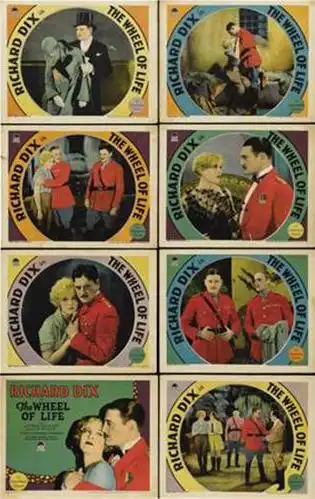
Later, we're whisked away to India. The shift in scenery is pretty stark. The film tries hard to give you that exotic feel, but some of those "Indian" sets look like they were thrown together with whatever fabric was on hand. It's charming in its effort, I suppose. Here, Yeullat finds his mystery woman again, only now she's Mrs. Dangan (Esther Ralston), wife of Colonel Dangan (Nigel De Brulier).
The slow burn of their forbidden love is really the core here. Richard Dix has this way of looking at Esther Ralston that just says everything without a single word. You see the conflict in his eyes. Ralston, too, brings a nice touch of quiet desperation. Her character, she carries a lot on her shoulders, you can tell.
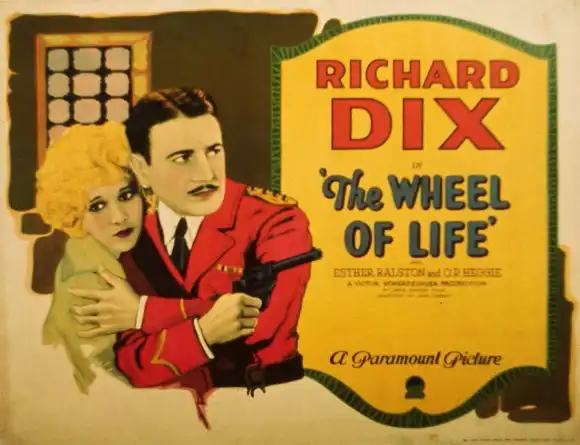
Colonel Dangan, he's not a bad guy, which makes the whole situation even more tangled. He's just... oblivious, maybe a bit stiff-upper-lip British. Nigel De Brulier plays him with a certain dignity that makes you almost feel bad for him, even as the romance blossoms right under his nose. The film doesn't really paint anyone as a villain, just people caught in a difficult spot.
There's this one scene, a dinner party I think, where Yeullat and Mrs. Dangan exchange a glance across the table. It’s so quick, but loaded. The way the camera holds on it for just a beat too long, you just know something's up. That’s where the silent film really shines, in those unspoken moments.
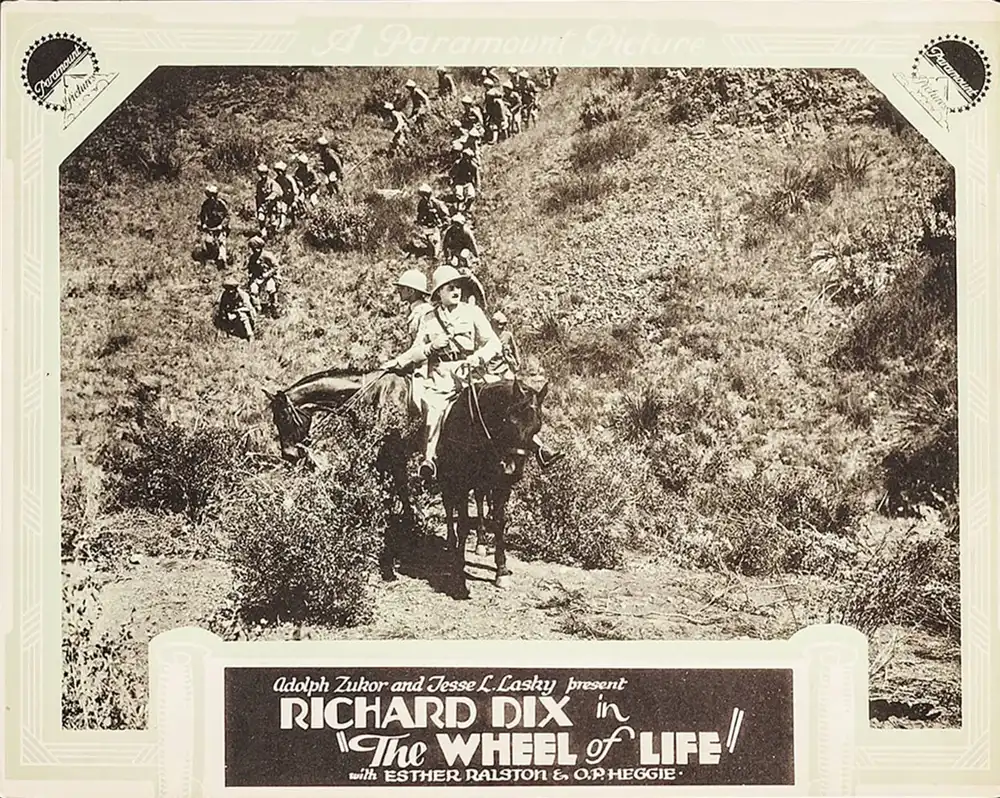
The pacing feels... deliberate. It takes its time, letting scenes breathe. Sometimes a little too much time. You get these long takes of people thinking, or looking out windows. It’s not boring, not exactly, but it’s a different kind of rhythm than we're used to.
Arthur Hoyt pops up as a minor character, a bit of comic relief here and there, which is always nice. He doesn't have much to do, but his presence is a welcome break from the heavy drama.
The ending, it ties things up. It feels earned, in a way, after all the emotional back-and-forth. Not a huge shocker, but satisfying for the genre. It’s a good example of late-era silent filmmaking, right before the talkies changed everything. You can feel that era closing. The movie’s score, if you find a good one, really helps bring the whole thing to life.
IMDb —
1924
Community
Log in to comment.