DbcultAccessing Vault...
6.6/10
Senior Film Conservator
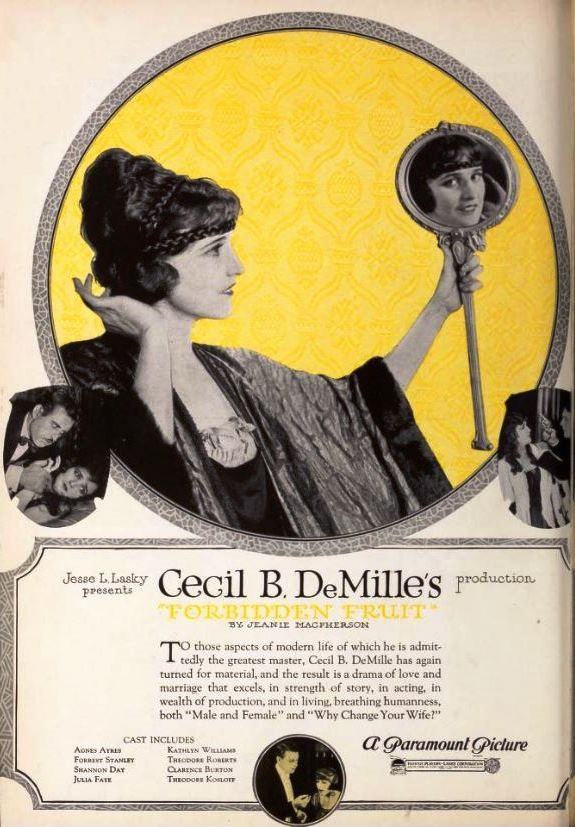
A definitive 6.6/10 rating for a film that redefined the boundaries of cult cinema. Forbidden Fruit remains a cornerstone of transgressive art.
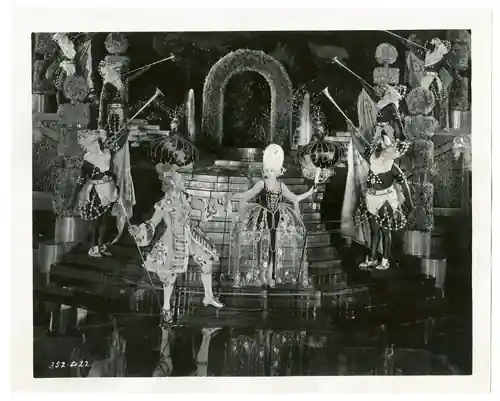
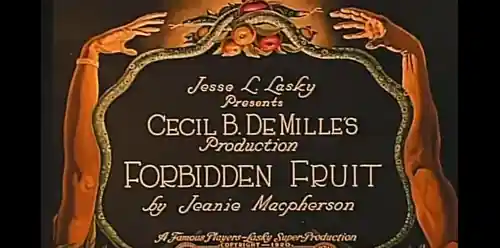
Strip away the organ chords and title cards of Forbidden Fruit and you still feel the celluloid hiss: Cecil B. DeMille, cinema’s great sensual theologian, translating wayward Eve into Jazz Age couture. The film survives only in fragmented 35 mm cans, yet each scorched frame radiates a lurid halo—gilded boudoirs, a seamstress’s blistered fingertips, a midnight murder that feels suspiciously like wish-fulfilment. It’s rags-to-riches by way of homicide, stitched with the same kinky needle that would later pierce The Governor's Lady and Vendetta.
While Lloyd and Griffith chased pastoral Americana, DeMille bathed sets in phosphorescent sea-blue spotlights—an early experiment in colored gels that prefigures Technicolor excess. Mary’s tenement hovers in slate greys; Mallory’s ballroom erupts in molten tangerine. The palette alone stages class warfare.
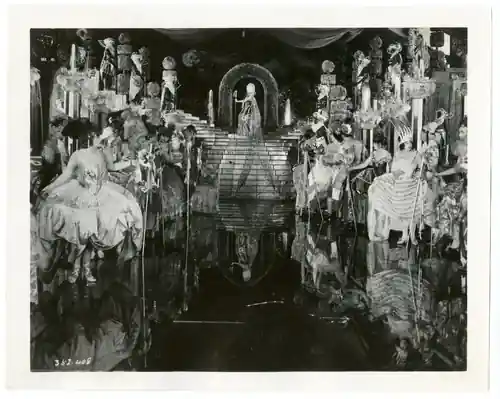
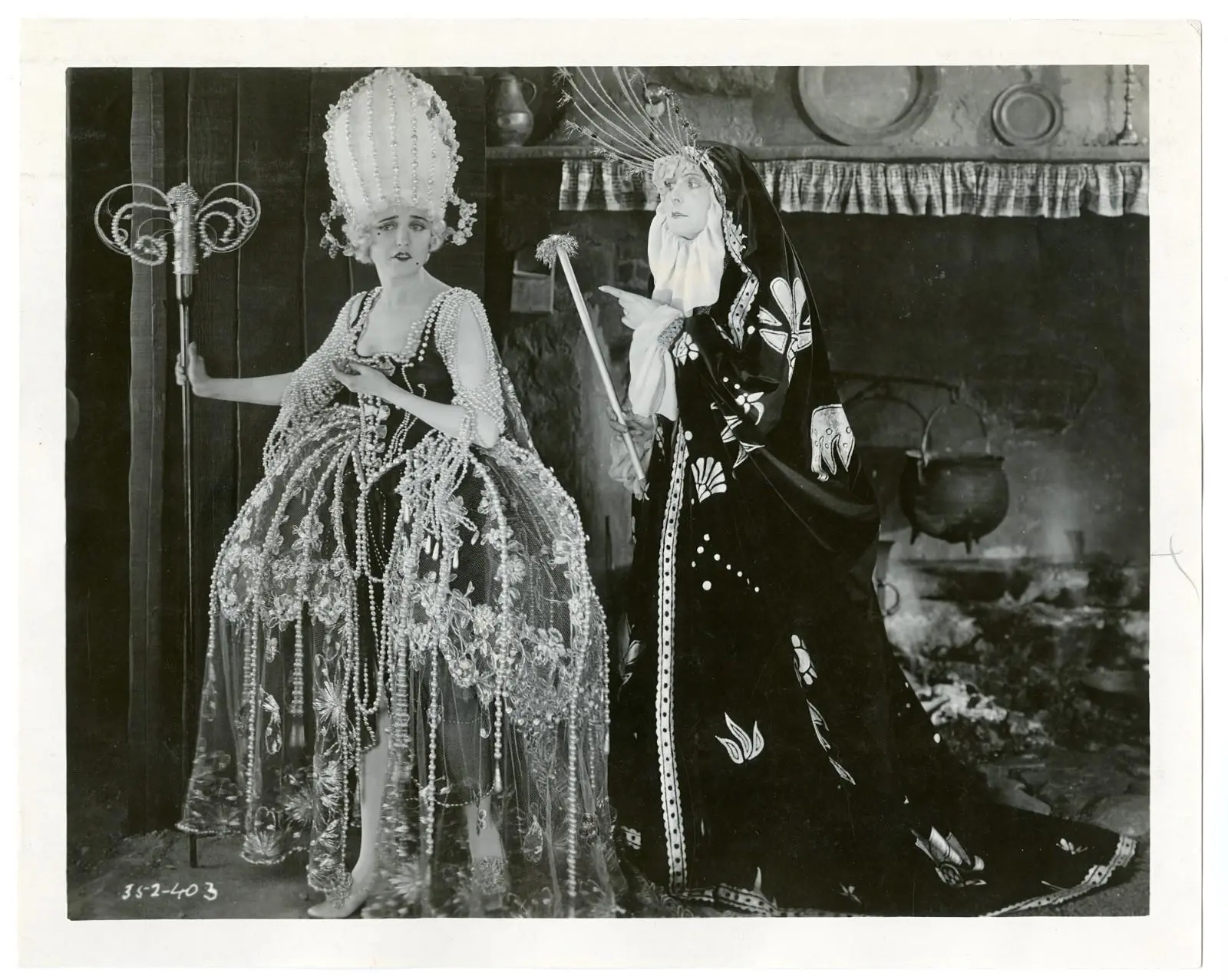
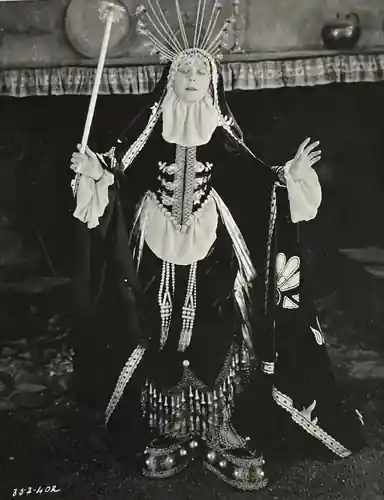
Costume designer Natacha Rambova (then Mrs. Valentino) drapes Shannon Day in diaphanous lamé that clings like gossip. Each hemline, each strategically placed bead, whispers sin more fluently than intertitles ever could. When Mary peels off her work-a-day apron, the cut is surgical: from proletariat drab to scopophilic dream. DeMille lingers on the zipper—no accident. The erogenous zone of the era was technology itself.
William Boyd’s Steve Maddock enters with Brylcreem confidence, a racetrack dandy whose thirst for bourbon is matched only by contempt for the dollar. DeMille sketches marital decay in two brisk scenes: Steve tips a bellboy with money meant for rent; Mary darns his trousers while he ogling a cabaret flyer. No lectures, just spatial irony—their marriage is a negative space we glimpse through crossed wires of glances.
Enter Mallory, played by the granite-profiled Bertram Johns. He is less a character than a market force, capitalism in white silk waistcoat. His hobby is collecting: rare violins, first editions, women who taste of sweatshops. The transactional proposal—accompany me for jewels—is filmed in a single dolly shot that glides from Mallory’s eyes to Mary’s cracked hands, a visual equation of flesh and capital.
DeMille doesn’t judge; he monetizes sin and then photographs the interest.
Scholars still tussle over whether Forbidden Fruit is proto-feminist parable or patriarchal revenge fantasy. Jeanie Macpherson’s scenario grants Mary volition: she negotiates the escort contract, eyes glittering with survivalist calculus. Yet the final ascendency—marriage to the millionaire—feels less liberation than vertical mobility through widowhood. Compare The Stubbornness of Geraldine where the heroine rejects riches; DeMille’s ending is more ambivalent, a gold-leaf cage whose door swings open only via patricide-by-proxy.
Clarence Burton’s henchman dispatches Steve in a fog-choked dock, the knife thrust rendered by a shadow on brick—an Eisensteinian primer before Eisenstein. DeMille cuts to Mary’s face: relief flickers, then self-disgust, then pragmatic forward motion. Three emotions in twelve frames, a masterclass in micro-acting that silent cinema rarely gets credit for.
Censors of 1921 demanded a moral appendix: Mary must mourn her husband, must utter platitudes about justice. DeMille obliged with a perfunctory insert, then book-ended it with Mary slipping a diamond ring the size of Manhattan onto her newly manicured finger. Audiences left humming the bling, not the moral.
Original 1921 engagements featured a forbidden waltz motif, a syrupy confection that Paramount piped into every orchestra pit. Modern restorations commissioned by MoMA (2017) replaced it with a discordant string quartet that slides into tango whenever Mallory stalks the frame. The tension between old sentiment and new dissonance mirrors the film’s own fractured moral compass.
Place Forbidden Fruit beside High Stakes (also 1921) and you see two futures for American cinema: one toward psychosexual spectacle, the other toward procedural noir. DeMille’s camera revels in surfaces—gossamer, marble, skin—whereas High Stakes burrows into poker-faced fatalism. Both star William Boyd, but the actor’s swagger here is unburdened by later cowboy earnestness.
Across the Atlantic, Gefangene Seele flirts with German expressionist shadows; DeMille counters with opulence as horror. Gold leaf becomes uncanny when stacked to the ceiling.
No pristine 4K exists. The best circulating print is a 2K scan from George Eastman House, riddled with nitrate boils yet retaining creamy grayscale. Streaming: intermittent on Paramount+ Vintage, but prepare for takedowns—rights limbo. Blu-ray? Only in DeMille Silent Epics box (out of print, eBay north of $120). Arthouse rep houses occasionally run it with live Wurlitzer; catch that for full-body chills.
Forbidden Fruit is less a relic than a prophecy: celebrity as currency, transactional sexuality, the disposable spouse. DeMille doesn’t moralize; he monetizes—then photographs the interest. Ninety-three minutes of tangerine glow and you’ll exit wondering if the apple was ever the problem, or if the real sin lies in the price tag dangling from the stem.
Seek it not for historical duty; seek it to watch American myth-making learn to walk in high heels—and to listen, past the hiss of nitrate, to the first faint clack of a nation bargaining its soul at the boutique of dreams.
IMDb 6.4
1915
Community
Log in to comment.