DbcultAccessing Vault...
Cult Review
Senior Film Conservator
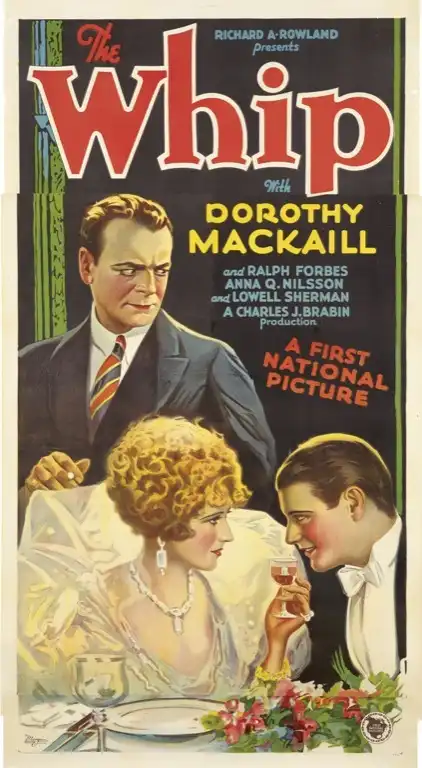
If you are looking for something to watch tonight and you don't mind reading some title cards, this is a pretty good pick for a lazy Sunday. It is for people who like those old-fashioned stories where the bad guys are really bad and the hero is just a bit too nice for his own good.
If you hate slow-moving plots or movies where horses are the main characters, you should probably just skip this one. It is definitely better than A Great Coup, mostly because the drama feels a bit more personal here.
The whole thing starts with Lord Brancaster, played by Ralph Forbes, who seems like a decent guy until he gets into an accident. He loses his memory, which is a trope we see all the time now, but back in 1928, it probably felt a bit fresher.
The way he wanders around looking confused is actually kind of sweet. You can tell he is trying his best to remember his life, but his brain just isn't cooperating.
Then you have the villains. Oh man, these people are shady.
Lowell Sherman plays one of the guys trying to cheat him, and he has this way of looking at the camera that just screams "I am up to no good." He looks like he spends three hours a day just grooming his mustache.
The movie really gets going when it involves the horse, the Whip. I don't know much about horse racing, but the stakes feel high because the horse is basically the only thing Brancaster has left that makes sense to him.
There is this one scene where they are training the horse, and the lighting is just... weirdly beautiful. It looks like a painting that stayed out in the sun too long.
Dorothy Mackaill is in this too, and she brings a lot of energy to her scenes. Sometimes the silent film acting gets a bit too big, you know? Like they are trying to reach the back of a theater, but she keeps it somewhat grounded.
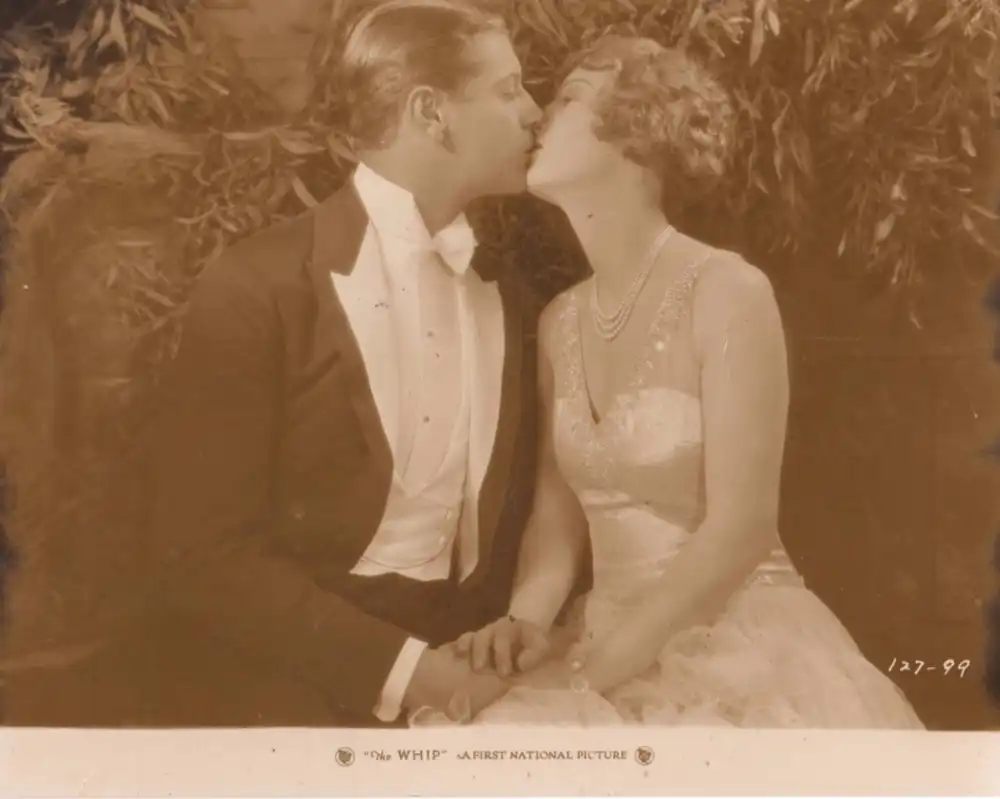
The plot about the estate is a bit dry. I found myself waiting for them to get back to the stables every time they started talking about legal papers and rightful heirs.
It reminds me a bit of The Stealers in how much it relies on people just being generally terrible to each other for money. Humans haven't changed much in a hundred years, I guess.
The train crash scene is the part everyone talks about. For 1928, it’s actually pretty impressive how they staged it.
I noticed one extra in the background of the Ascot scene who looked like they were completely lost. They were just staring at the sky while everyone else was cheering for the race.
The pacing is a little bit wonky. It feels like the first half drags its feet, and then the last twenty minutes happen at a breakneck speed.
I wish they spent more time on the amnesia part. It gets resolved in a way that feels a bit too convenient, like the movie realized it was running out of film and needed to wrap things up.
Still, there is a lot of heart in it. It’s much more engaging than Fleetwing, which also had horses but felt a bit more generic to me.
One thing that stuck out was the fashion. The hats in this movie are absolutely wild.
I found myself getting distracted by the sheer size of some of the headwear the women were wearing during the race scenes. How did they even see the horses?
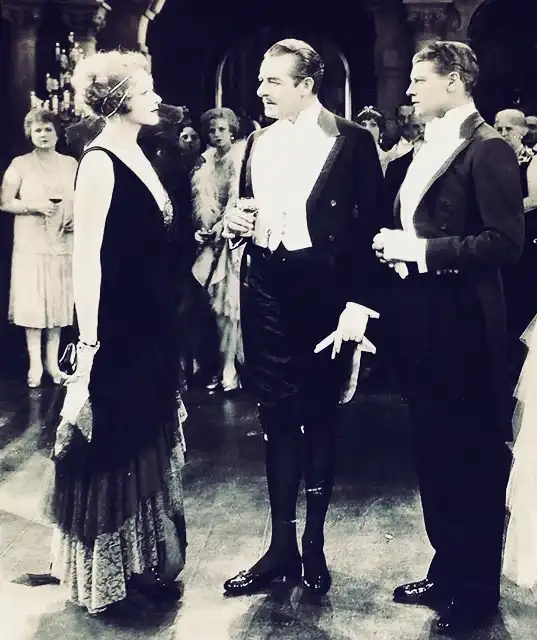
The villainous attempts to stop the horse from running are almost comical. They try everything short of putting a banana peel on the track.
It has that earnestness that you only find in these old silents. They aren't trying to be ironic or cool; they just want to tell a story about a guy and his horse.
If you've seen The Far Cry, you know how these melodramas can sometimes go off the rails. This one stays on the tracks, mostly.
I think I liked the scenes in the stable the best. There is a quietness to them that feels more real than the big dramatic confrontations in the parlors.
The film quality on the version I saw was a bit grainy, but it added to the vibe. It felt like watching a ghost story where everyone is wearing very fancy clothes.
Ralph Forbes has this very specific way of blinking when he's trying to remember something. It’s like he’s trying to restart his brain with his eyelids.
It’s not a masterpiece, and it won't change your life. But it’s a good example of why people used to go to the movies just to see a good triumph over a very mustache-twirling evil.
The ending is exactly what you expect it to be. But sometimes, that is exactly what you want from a movie about a horse named the Whip. 🐎
I forgot to mention the music—the score I heard was a bit repetitive, but it really hammered home the "danger" whenever the bad guys showed up. It’s like the piano player was personally offended by the villains.
Anyway, give it a shot if you're bored. It’s better than most of the stuff they pump out these days that tries too hard to be deep.
IMDb —
1931
Community
Log in to comment.