DbcultAccessing Vault...
4.8/10
Senior Film Conservator
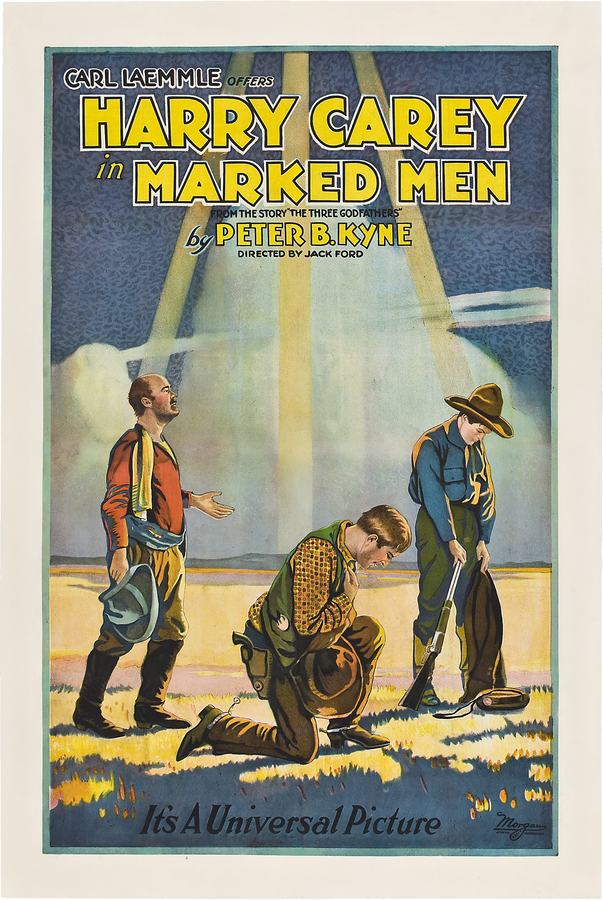
A definitive 4.8/10 rating for a film that redefined the boundaries of cult cinema. Marked Men remains a cornerstone of transgressive art.
In the annals of early cinema, few narratives resonate with the primal force and redemptive power of the tale brought to life in Marked Men. Drawing directly from the foundational archetype established by Peter B. Kyne's poignant novel, and subsequently H. Tipton Steck's screenplay, this film masterfully translates an epic of moral transformation onto the silver screen. It’s a stark, compelling journey that strips away the veneer of civilization, exposing the raw essence of human nature against the relentless backdrop of the American desert. Far from a mere genre exercise, Marked Men transcends its Western setting to explore universal themes of sacrifice, unexpected fatherhood, and the arduous path to spiritual rebirth.
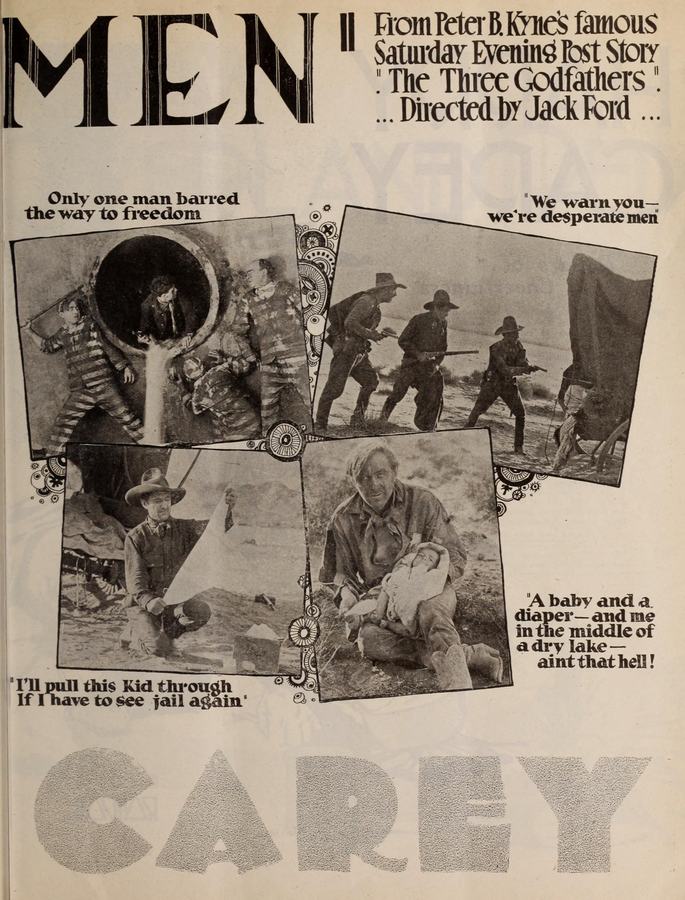
The narrative thrust of Marked Men begins with a visceral jolt: a daring bank robbery executed by three hardened outlaws – Joe Harris, Charles Le Moyne, and the legendary Harry Carey, whose nuanced portrayal anchors the entire emotional arc. Their escape, a breathless flight across the parched, unforgiving expanse of the desert, is initially driven by the thrill of ill-gotten gains and the instinct for self-preservation. Yet, the vast, silent wilderness, often depicted as an antagonist in itself, soon becomes the stage for an unforeseen, profound intervention. This is no ordinary chase; it’s a crucible designed to test the very core of their hardened souls. The discovery of a dying woman and her newborn infant in a desolate, broken-down wagon fundamentally alters their trajectory, transforming a simple criminal flight into a harrowing, moral odyssey. The baby, a beacon of fragile innocence in a world of stark brutality, forces these men to confront not just their dwindling water supply, but also the barren landscapes of their own moral compasses.
The beauty of this narrative, consistent across its many iterations, lies in its elegant simplicity and profound implications. These are men accustomed to taking, to living by their own law, suddenly burdened by the ultimate responsibility: the preservation of an innocent life. The desert, initially a symbol of their freedom from societal constraints, morphs into a relentless, existential threat, mirroring their internal struggle. Every drop of water, every ounce of strength, every decision becomes magnified, laden with the weight of this unexpected charge. It's a testament to the power of the silent film era that such complex psychological shifts could be conveyed with such clarity, relying heavily on the expressive prowess of its cast and the evocative power of its cinematography.
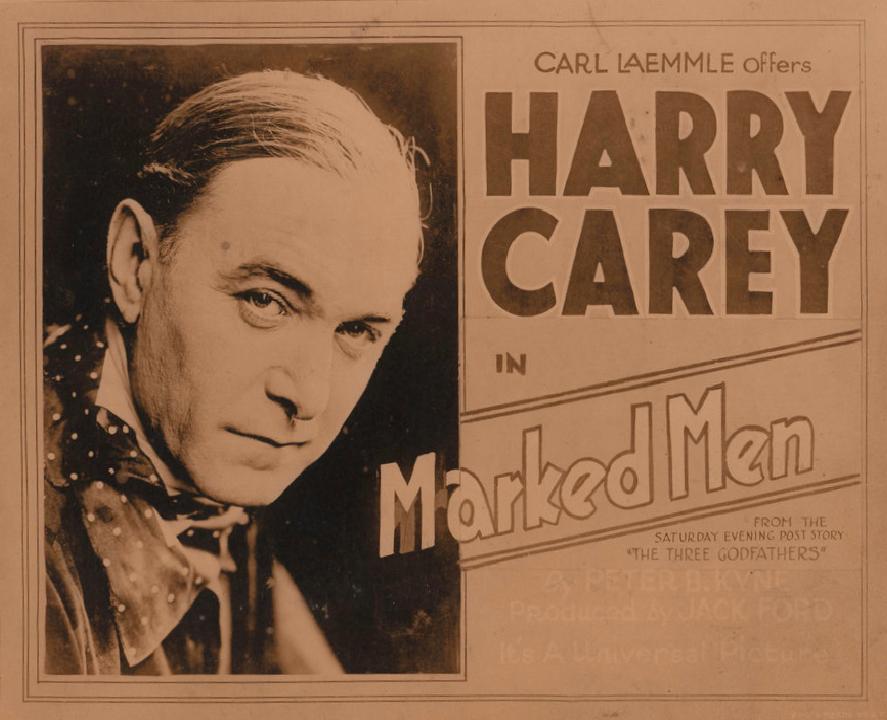
Harry Carey, a titan of the early Western, delivers a performance in Marked Men that is nothing short of masterful. His portrayal of the primary outlaw, a man whose gruff exterior slowly cracks under the weight of paternal instinct, is a study in understated emotion. Without the benefit of spoken dialogue, Carey conveys a universe of internal conflict – the weariness of a life on the run, the initial reluctance to embrace responsibility, and the eventual, tender devotion to the infant. His eyes, often narrowed against the glare of the desert sun, become windows to a soul undergoing profound metamorphosis. This isn't grandstanding; it's a deeply felt, authentic portrayal of a man finding redemption in the most unlikely of circumstances. The subtle gestures, the way he holds the baby, the sacrifices he makes, all speak volumes about the character's internal journey.
Joe Harris and Charles Le Moyne, as his compatriots, offer robust support, each contributing distinct facets to the outlaw trio. Harris, perhaps embodying a more cynical or pragmatic edge, and Le Moyne, perhaps the more volatile, together create a dynamic that highlights the diversity of responses to their shared predicament. Their interactions, often communicated through strained glances and desperate efforts, underscore the escalating tension and their collective, albeit sometimes grudging, commitment to the infant's survival. Winifred Westover's brief but pivotal appearance as the dying mother imbues the film with an immediate sense of tragedy and the profound weight of the baby's miraculous, yet precarious, existence. The ensemble, under the keen direction, manages to craft characters that feel authentic and deeply human, even within the stylized conventions of silent film.
The desert in Marked Men is not merely a backdrop; it is an active participant in the drama, a formidable character testing the limits of human endurance. The cinematography, while constrained by the technology of the era, brilliantly captures the vast, indifferent beauty and brutal hostility of this environment. Wide shots emphasize the overwhelming scale of the landscape against the minuscule figures of the men and the wagon, underscoring their vulnerability. Close-ups on cracked lips, sweat-streaked faces, and the desperate search for water heighten the sense of physical agony. The relentless sun, a silent antagonist, casts long, stark shadows that mirror the moral shadows these men are attempting to escape. The visual storytelling here is paramount, conveying thirst, exhaustion, and the immense psychological toll of their journey without a single spoken word.
This focus on the environment as a character is a hallmark of many early survival narratives. One might draw parallels to films like Wildfire, where the untamed natural world serves as both a source of challenge and a stage for profound self-discovery. Similarly, the struggles against an unforgiving landscape echo in the narrative spirit of Moondyne, another tale that often places its protagonists in a direct, often brutal, confrontation with the wilderness. In Marked Men, the desert strips away all artifice, leaving only the fundamental human impulse to survive, and crucially, to protect. The visual language of the film eloquently articulates the existential weight of their predicament, making every mirage and every distant horizon a moment of both fleeting hope and crushing despair.
At its core, Marked Men is an examination of redemption. These outlaws, branded by their past actions, are given an unexpected chance at atonement, not through grand gestures or legal penance, but through the quiet, selfless act of caring for an infant. The journey becomes a spiritual purification, each step towards civilization with the baby a step away from their criminal lives. The theme of sacrifice is woven deeply into the fabric of the narrative. The men ration their dwindling water, not for themselves, but for the baby. They push their physical limits, knowing that the infant's survival depends entirely on their diminishing strength. This selflessness is particularly poignant given their previous lives of self-interest and lawlessness. It's a powerful argument for the inherent good that can be found even in the most hardened of individuals, awakened by the profound innocence of a child.
The film subtly explores the concept of moral rebirth. The "marked" men, initially marked by their crimes, become marked by their newfound purpose. Their transformation isn't instantaneous or without internal struggle; it's a gradual, arduous process, mirroring the slow, painful progress across the desert. This journey of internal change resonates with the universal human experience of confronting one's past and striving for a better future, even when the odds seem insurmountable. The film posits that true redemption isn't granted; it's earned through tangible acts of compassion and self-denial. This profound thematic depth elevates Marked Men beyond simple adventure, situating it as a timeless parable of human potential for good.
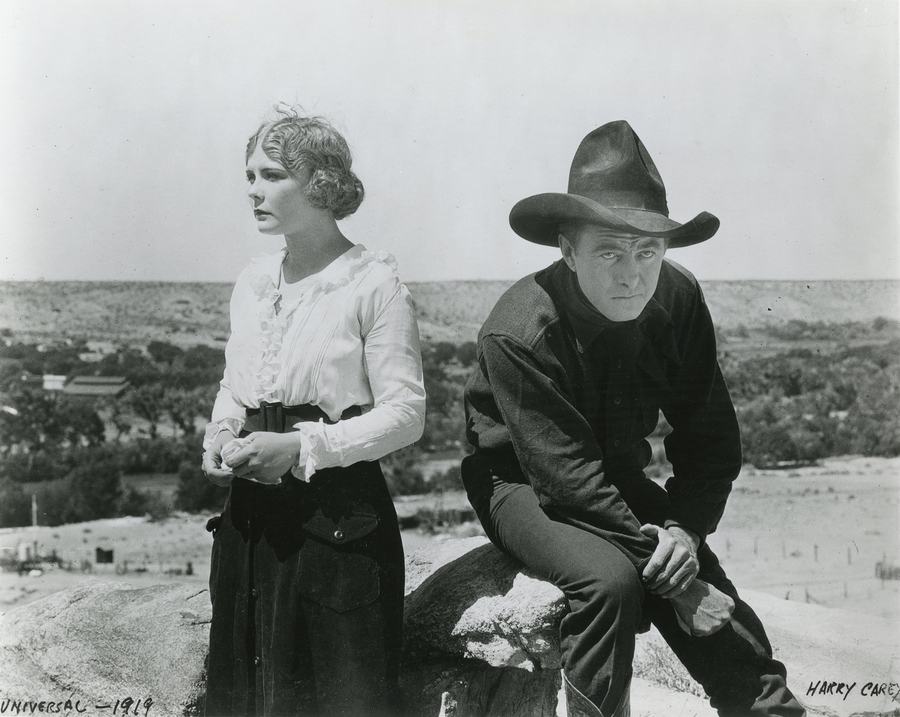
The narrative of the three godfathers and the baby is one that has been retold and reinterpreted across generations and mediums, a testament to its enduring power. Marked Men stands as an early, significant cinematic articulation of this powerful myth. Its impact lies not just in its dramatic tension or its compelling performances, but in its ability to tap into fundamental human emotions – fear, hope, despair, and ultimately, love. The film’s quiet heroism, devoid of grand pronouncements, speaks volumes about the capacity for ordinary individuals, even those on the fringes of society, to rise to extraordinary moral heights.
In an era of nascent filmmaking, Marked Men demonstrated the potent capabilities of visual storytelling to convey complex emotional and moral landscapes. It established a template for Westerns that were not solely about action, but about the internal struggles of their characters. This humanistic approach to the genre paved the way for more psychologically nuanced Westerns in subsequent decades. The film's influence can be seen in later works that explore similar themes of unlikely guardianship and moral transformation in harsh environments, from the vast landscapes of the American West to the isolated settings of An Alpine Tragedy, where human spirit is similarly tested against nature's unforgiving might. It reminds us that stories of human endurance and the unexpected blossoming of compassion are truly universal, transcending geographical and cultural boundaries.
The beauty of Marked Men lies in its refusal to offer simplistic answers. The outlaws are not suddenly absolved of their past sins, nor is their journey free from immense suffering. Instead, the film presents a nuanced view of redemption as a process, a continuous struggle against both external perils and internal demons. The ending, without spoiling its poignant details, reinforces the idea that true change often comes with a cost, but that the value of a redeemed soul far outweighs any material gain. It’s a powerful statement on the transformative power of innocent life and the profound, often unexpected, ways in which compassion can bloom in the most barren of hearts and landscapes.
This film, viewed through the lens of modern criticism, continues to hold its own as a compelling piece of cinematic artistry. Its silent storytelling, rich with visual metaphor and deeply human performances, invites contemporary audiences to engage with its themes on a visceral level. The sparse dialogue, conveyed through intertitles, only serves to amplify the visual drama and the emotional weight carried by the actors’ expressions and actions. It’s a masterclass in how to craft an impactful narrative without relying on auditory cues, proving that the power of a story lies in its universal resonance, not just its presentation. Marked Men remains a poignant reminder of the enduring human capacity for empathy and the transformative journey of the soul, a true gem in the vast desert of cinematic history.
Ultimately, Marked Men is more than just a Western; it's a profound meditation on the human condition. It asks us to consider what truly defines a "marked man" – is it the brand of a criminal past, or the indelible imprint of a selfless act? The film unequivocally argues for the latter, presenting a vision of humanity capable of transcending its baser instincts when faced with the purest form of vulnerability. Its legacy is secure as a foundational work that marries intense adventure with deep moral inquiry, leaving an indelible mark on all who witness its stark, beautiful narrative unfold.
IMDb —
1918
Community
Log in to comment.