DbcultAccessing Vault...
5.4/10
Senior Film Conservator
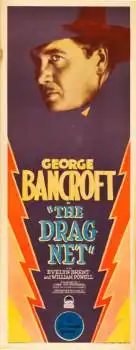
A definitive 5.4/10 rating for a film that redefined the boundaries of cult cinema. The Dragnet remains a cornerstone of transgressive art.
If you are looking for a polite, neatly packaged crime procedural, The Dragnet is not for you. This 1928 silent feature is a muscular, often ugly piece of filmmaking that prioritizes atmosphere and physical presence over complex plotting. It is essential viewing for anyone interested in the roots of the noir aesthetic or the development of the 'hard-boiled' archetype. However, those who struggle with the slower, more deliberate pacing of late-silent melodramas might find the middle act—where the protagonist descends into a drunken stupor—to be a test of patience.
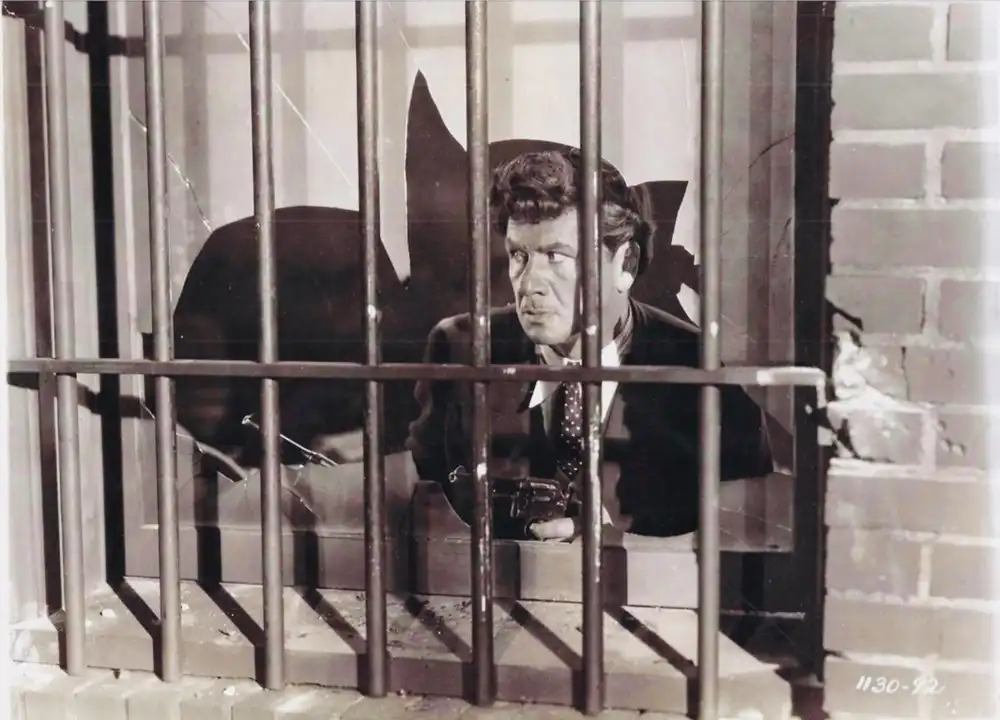
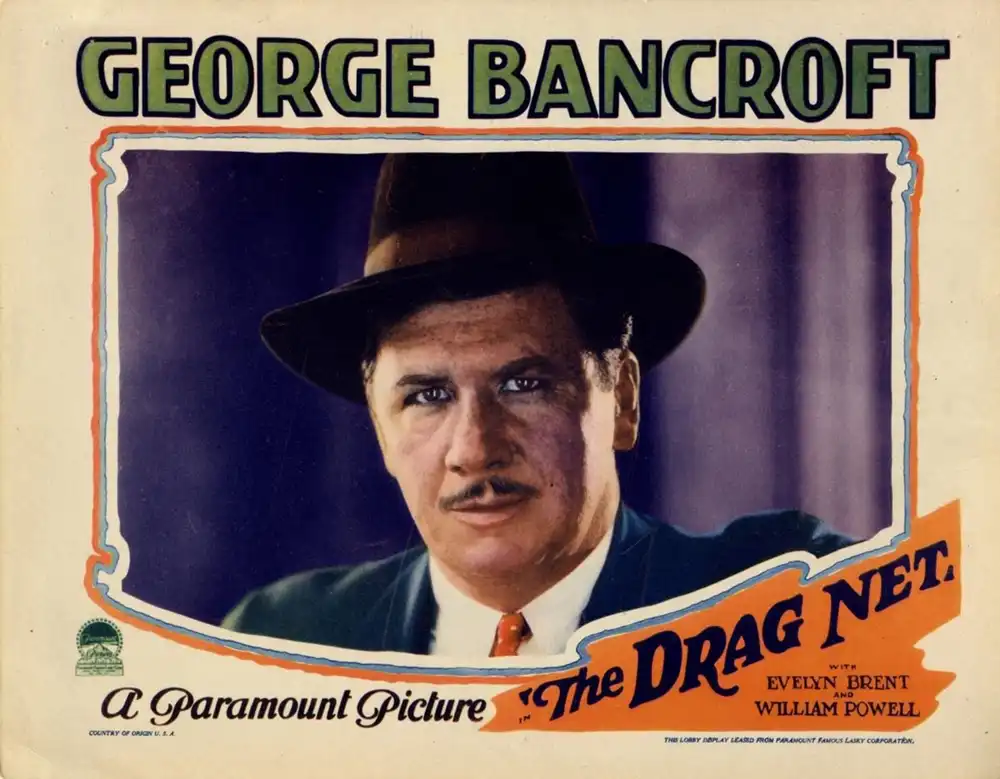
George Bancroft plays Captain Timothy 'Two Gun' Nolan not as a hero, but as a force of nature. He occupies the screen with a barrel-chested arrogance that makes everyone else in the frame look fragile. In the opening sequences, where he initiates the titular 'dragnet' to sweep the city’s underworld, his movements are deliberate and heavy. There is a specific moment during the police raid where Bancroft stands in the middle of a chaotic crowd, unmoving, while suspects are shoved past him; he looks less like a cop and more like a mountain that the criminals are breaking themselves against.
This physicality is vital because the film is ultimately about the breaking of that body. When Nolan is tricked into believing he killed his partner, Shakespeare (played with a nervous, twitchy energy by Leslie Fenton), the shift in Bancroft’s posture is the most effective special effect in the movie. He goes from a man who takes up all the air in a room to a man who seems to be trying to disappear into his own oversized coat. It’s a grounded performance that avoids the more theatrical 'clutching at the heart' tropes of the era.
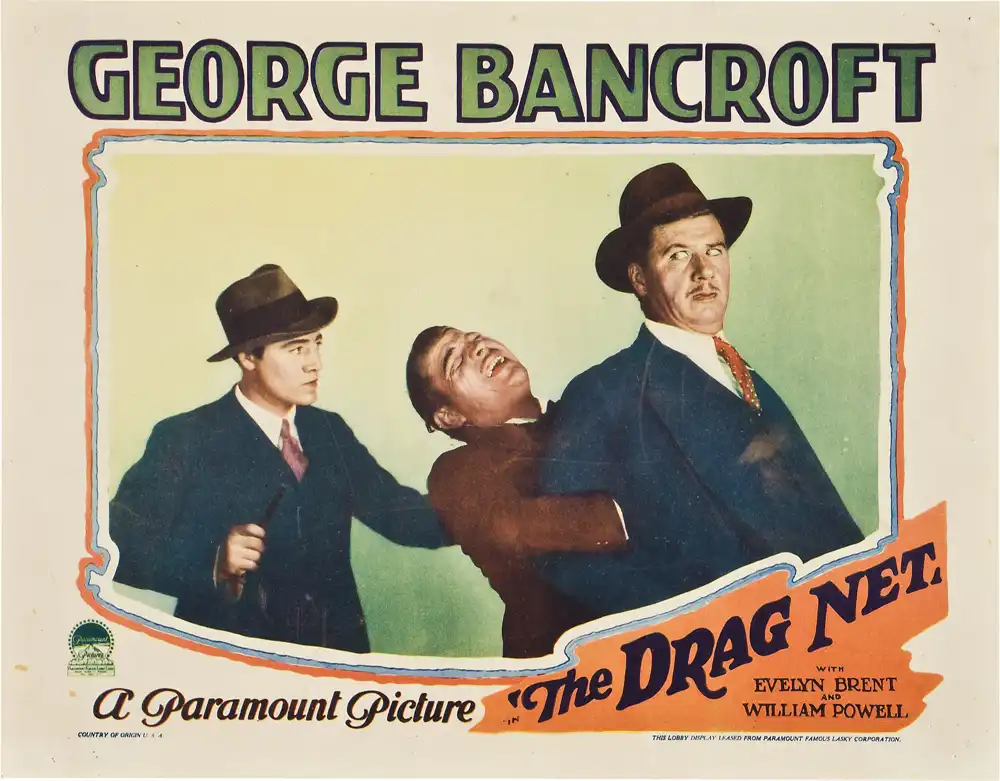
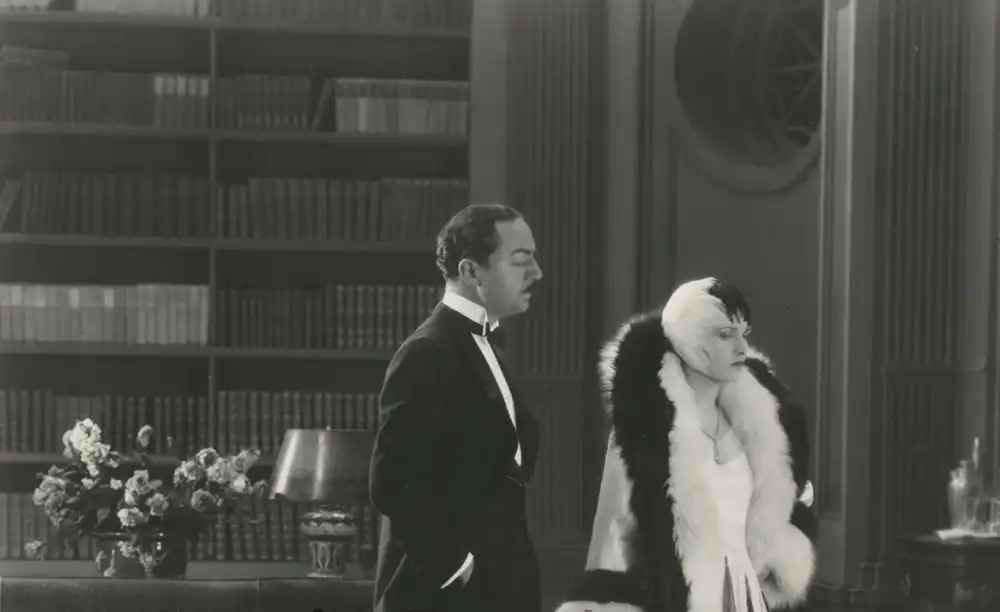
Opposite Bancroft is William Powell as 'Dapper' Frank Trent. Long before he became the witty, cocktail-sipping hero of The Thin Man, Powell was one of cinema’s most chillingly effective villains. He doesn't raise his voice or engage in histrionics. Instead, he uses a terrifyingly calm stillness. While Nolan is all sweat and gunpowder, Trent is all silk and legal loopholes. The way Powell handles a cigarette while explaining that he has already bailed out every criminal Nolan just arrested is a masterclass in understated menace. He makes the law feel like a weapon more dangerous than Nolan’s two guns.
The dynamic between the two men is a classic clash of styles: the bulldozer versus the scalpel. It’s a theme we see in other films of the period, such as The Triumph of the Rat, which also explores the social fall of a man who thinks he’s untouchable. However, The Dragnet feels more visceral because of its urban setting and the constant threat of violence that simmers just below the surface.
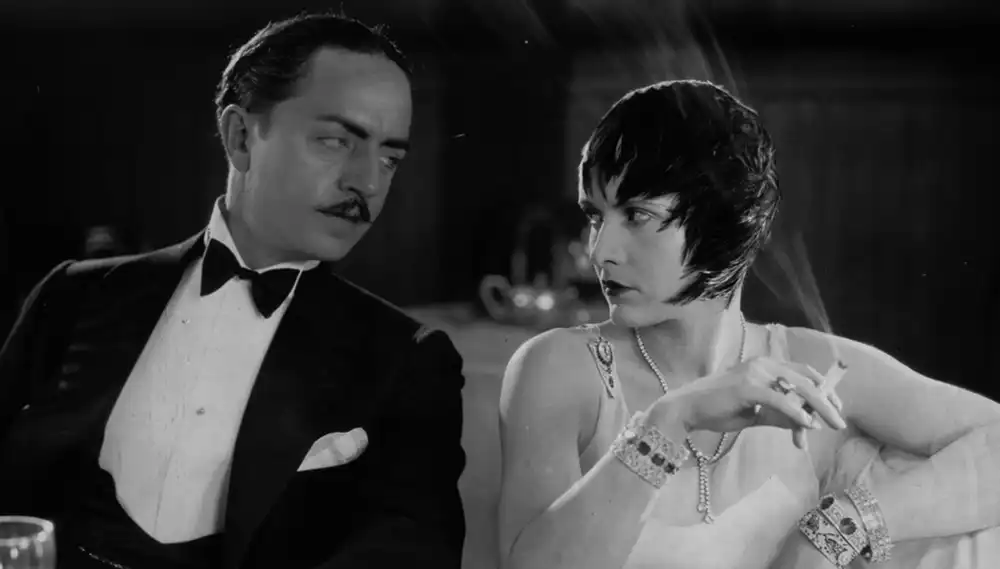
The visual language here is unmistakably sophisticated. The lighting in the gangland hideouts is low and directional, casting long shadows that swallow the characters. There is a density to the sets—cluttered with bottles, papers, and smoke—that makes the world feel lived-in and claustrophobic. The camera doesn't just observe; it feels like it’s pushed into the corners of these rooms.
The film’s standout sequence is the gangland banquet. After Nolan has become a 'derelict'—a common trope in 1920s cinema, also seen in the darker moments of Legally Dead—he is found by Trent’s men. Instead of killing him, they bring him to a lavish dinner to serve as the 'pièce de résistance.' They treat the drunken, shivering former captain as a centerpiece, mocking his fall from grace. The contrast between the sparkling glassware and Nolan’s ragged appearance is stark. Evelyn Brent, as 'The Magpie,' watches this with a fascinating mix of disgust and pity. Her performance is subtle; she says more with a slight shift in her gaze than most actors do with a three-page monologue. The way she leans against a doorway, framed by the dark, shows a woman who has seen everything and is bored by the cruelty of men.
The film isn't without its flaws. The transition from Nolan the powerhouse to Nolan the drunk happens almost too quickly, and the middle section drags as we are forced to watch his degradation through several repetitive scenes. There are a few overlong reaction shots during the 'Shakespeare' death scene that feel like the director was trying to squeeze every ounce of pathos out of a moment that was already clear. The editing rhythm in the final confrontation also feels a bit frantic compared to the measured buildup of the rest of the film, leading to a conclusion that feels slightly rushed.
The Dragnet is a film that understands the weight of its characters. It doesn't rely on clever plot twists; it relies on the inevitability of a collision between two different kinds of power. It’s a film where you can almost smell the stale beer and the gunsmoke. If you want to see the exact moment where the American gangster film found its visual soul, this is it. It’s a brutal, cynical, and ultimately redemptive piece of cinema that proves you don't need sound to hear the impact of a fist or the silence of a broken man.
Worth watching for: The chemistry between Bancroft and Powell, the incredible 'Magpie' costume design, and the hauntingly cruel banquet scene.
Skip if: You need fast-paced action or find the 'fallen man' trope of the silent era to be too heavy-handed.
IMDb 4.7
1930
Community
Log in to comment.