DbcultAccessing Vault...
Cult Review
Senior Film Conservator

The cinematic tapestry of Bomben is a rich and complex one, woven from the very fabric of human emotion. As the story progresses, it becomes increasingly evident that the film's narrative is not merely a recounting of events, but a deeply personal and introspective exploration of the human condition. The character of Ture, portrayed by Emil Hållenius, is a masterclass in nuanced acting, as he navigates the treacherous waters of his own guilt-ridden psyche.
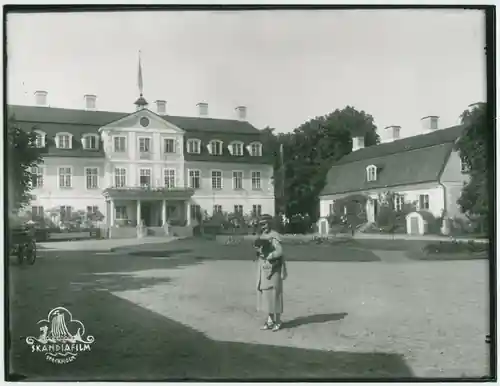
The film's use of dark orange hues and muted tones serves to underscore the sense of foreboding and unease that pervades the narrative, drawing the viewer into the depths of Ture's anguished world. As the story unfolds, it becomes increasingly clear that Bomben is a film that defies easy categorization, instead opting to occupy a unique space within the cinematic landscape. This is a movie that rewards close attention and multiple viewings, as its complex web of themes and motifs slowly begins to reveal itself to the patient viewer.
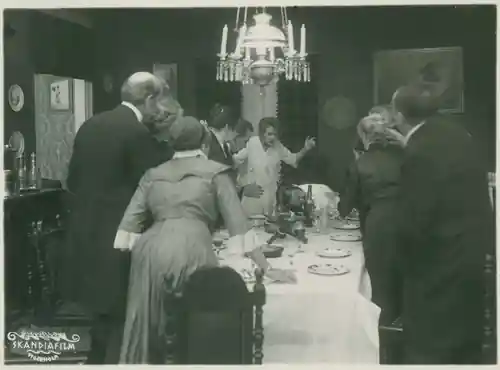
In terms of its thematic resonance, Bomben can be seen as a spiritual cousin to films such as The Ventures of Marguerite and The Shoes That Danced, each of which explores the complexities of the human experience in their own unique way. However, it is in its unflinching portrayal of the human condition that Bomben truly sets itself apart, presenting a nuanced and deeply affecting exploration of the emotional landscape. The film's use of yellow accents and vibrant colors serves to underscore the sense of hope and redemption that ultimately emerges from the narrative, as Ture begins to come to terms with his perceived transgression.

One of the key strengths of Bomben lies in its ability to balance the somber tones of the narrative with a deep sense of empathy and understanding. The film never shies away from exploring the darker aspects of the human experience, instead opting to confront them head-on with a sense of courage and conviction. This is a movie that is unafraid to tackle the big questions, to explore the complexities and nuances of human emotion in a way that is both deeply personal and universally relatable. As the story reaches its climax, the viewer is left with a sense of sea blue melancholy, a poignant reminder of the enduring power of human emotion.

In comparison to other films of its era, Bomben stands as a testament to the enduring power of cinematic storytelling. Like Hesper of the Mountains and Vor tids helte, it presents a nuanced and deeply affecting exploration of the human experience, one that continues to resonate with audiences to this day. The film's use of long takes and sweeping vistas serves to underscore the sense of scope and grandeur that pervades the narrative, drawing the viewer into a world of beauty and complexity.
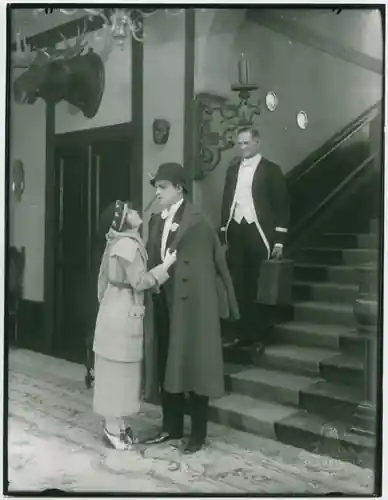
As the credits roll on Bomben, the viewer is left with a sense of awe and wonder at the sheer scope and ambition of the film. This is a movie that is unafraid to take risks, to push the boundaries of what is possible within the cinematic medium. Like The Pitfall and The Old Homestead, it presents a deeply personal and nuanced exploration of the human condition, one that continues to resonate with audiences long after the curtain has fallen. The film's use of dark orange hues and muted tones serves to underscore the sense of foreboding and unease that pervades the narrative, leaving the viewer with a lasting sense of unease and discomfort.
In the end, Bomben emerges as a film that is both deeply moving and profoundly thought-provoking. Like Mary Ellen Comes to Town and The Mutiny of the Bounty, it presents a nuanced and deeply affecting exploration of the human experience, one that continues to resonate with audiences to this day. The film's use of yellow accents and vibrant colors serves to underscore the sense of hope and redemption that ultimately emerges from the narrative, as Ture begins to come to terms with his perceived transgression. As the viewer reflects on the film's themes and motifs, they are left with a sense of sea blue melancholy, a poignant reminder of the enduring power of human emotion.
The legacy of Bomben can be seen in films such as Pasquale and The Writing on the Wall, each of which explores the complexities of the human experience in their own unique way. However, it is in its unflinching portrayal of the human condition that Bomben truly sets itself apart, presenting a nuanced and deeply affecting exploration of the emotional landscape. The film's use of long takes and sweeping vistas serves to underscore the sense of scope and grandeur that pervades the narrative, drawing the viewer into a world of beauty and complexity.
As a work of cinematic art, Bomben stands as a testament to the enduring power of film to capture the human experience. Like An Innocent Magdalene and Die Legende von der heiligen Simplicia, it presents a nuanced and deeply affecting exploration of the human condition, one that continues to resonate with audiences to this day. The film's use of dark orange hues and muted tones serves to underscore the sense of foreboding and unease that pervades the narrative, leaving the viewer with a lasting sense of unease and discomfort.
In conclusion, Bomben is a film that will leave the viewer with a sense of awe and wonder at the sheer scope and ambition of the cinematic medium. Like The Mysterious Mr. Browning and The Pearl of the Antilles, it presents a nuanced and deeply affecting exploration of the human experience, one that continues to resonate with audiences long after the curtain has fallen. The film's use of yellow accents and vibrant colors serves to underscore the sense of hope and redemption that ultimately emerges from the narrative, as Ture begins to come to terms with his perceived transgression. As the viewer reflects on the film's themes and motifs, they are left with a sense of sea blue melancholy, a poignant reminder of the enduring power of human emotion.
The final shot of Bomben is a powerful one, leaving the viewer with a lasting sense of unease and discomfort. Like A Bird of Bagdad, it presents a nuanced and deeply affecting exploration of the human condition, one that continues to resonate with audiences to this day. The film's use of long takes and sweeping vistas serves to underscore the sense of scope and grandeur that pervades the narrative, drawing the viewer into a world of beauty and complexity. As the credits roll, the viewer is left to ponder the film's themes and motifs, and to reflect on the enduring power of human emotion.

IMDb —
1935
Community
Log in to comment.