DbcultAccessing Vault...
Cult Review
Senior Film Conservator
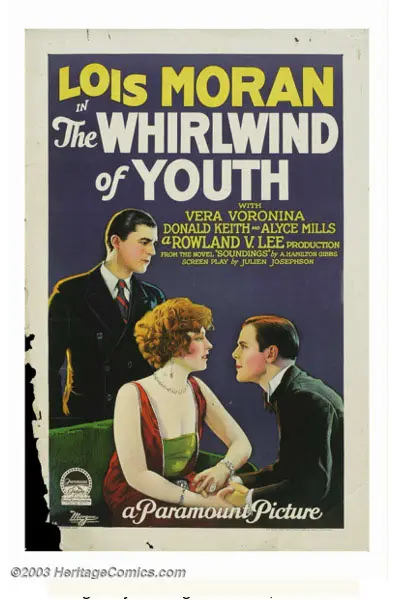
Is “The Whirlwind of Youth” worth watching today? Short answer: yes, but with significant caveats. This 1920s silent drama offers a fascinating, if sometimes frustrating, window into the romantic sensibilities and social anxieties of its era, making it a compelling watch for cinephiles and historians, but likely a challenging one for casual viewers unaccustomed to the specific rhythms of early cinema.
This film works because of its surprisingly modern thematic core of reciprocal love and rivalry, presented with the raw, uninhibited emotion characteristic of the silent era.
This film fails because its narrative pacing occasionally falters, and some character motivations feel underdeveloped, even for the conventions of its time, leaving some emotional beats feeling rushed or unearned.
You should watch it if you appreciate historical cinema, are curious about the evolution of romantic storytelling, or seek to understand the performance styles of the 1920s. It’s absolutely not for those who demand modern pacing, intricate dialogue, or polished special effects.
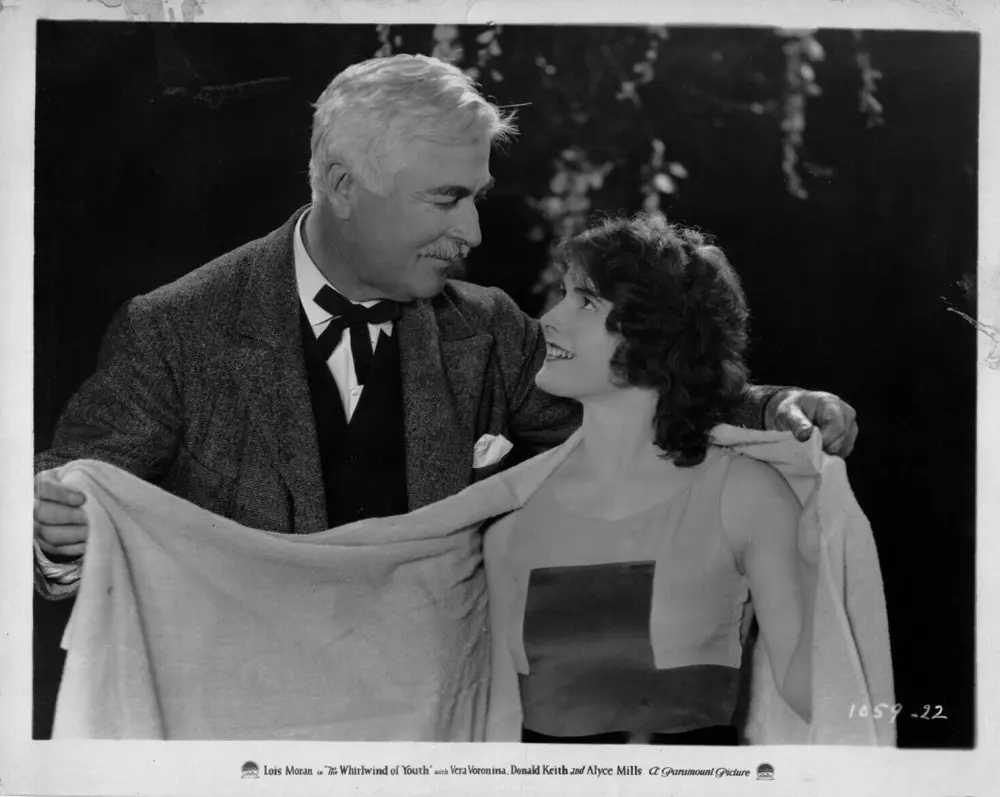
Julien Josephson’s “The Whirlwind of Youth”, released in the heart of the Roaring Twenties, attempts to capture the effervescence and volatility of youthful romance. At its core is Nancy Hawthorne, portrayed by Lois Moran, an 18-year-old whose impulsiveness is her defining, and often most endearing, characteristic. Moran imbues Nancy with a vibrant energy that practically leaps off the screen, a common trait for actresses of the era who relied heavily on physical expressiveness.
Her initial infatuation with Bob Whittaker (Donald Keith) is less a gentle blossoming and more a headlong dive, perfectly encapsulating the 'whirlwind' suggested by the title. Keith, in turn, plays Whittaker with a detached charm that initially makes him seem aloof, almost indifferent to Nancy's fervent advances. This dynamic sets up the film's central conflict: the pursuit of love and the often-unequal emotional investment at its outset.
The plot, which describes a “lovers carousel,” is a simple, yet effective, metaphor for the cyclical nature of infatuation and rejection. It’s a narrative device that, while perhaps overly simplistic by today’s standards, served as a potent way to explore evolving gender roles and romantic pursuits in the 1920s. The film cleverly uses this structure to comment on the performative aspects of courtship, a common undercurrent in many silent melodramas.
The success of any silent film hinges entirely on its cast’s ability to convey emotion and intent without dialogue. Lois Moran, as Nancy, is undoubtedly the film’s brightest star. Her wide-eyed enthusiasm and rapid shifts between joy, frustration, and fierce determination are captivating. There’s a particular scene where Nancy, after being initially rebuffed by Bob, storms away, her shoulders slumping dramatically, only to snap back with a defiant glare over her shoulder. It’s a small moment, but it speaks volumes about her character's resilience and youthful pride.
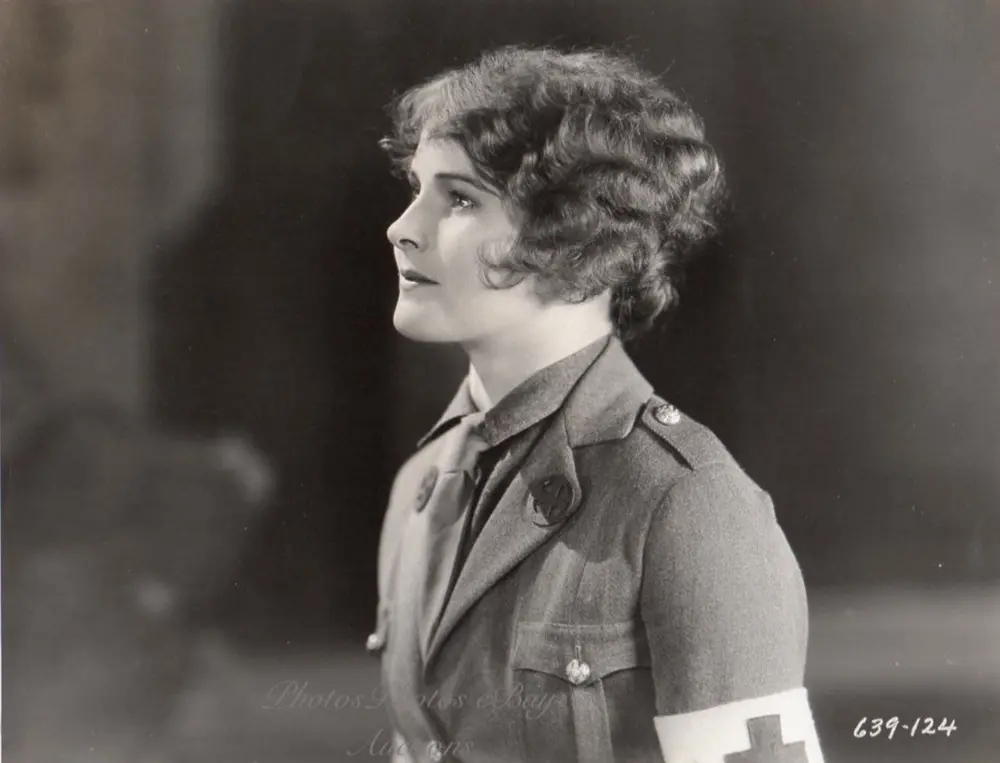
Donald Keith’s portrayal of Bob Whittaker, while less overtly flamboyant, is equally crucial. His initial skepticism and eventual capitulation to love are handled with a nuanced progression, relying on subtle changes in his posture and the softening of his gaze rather than grand gestures. The moment he truly realizes his feelings for Nancy, conveyed through a lingering close-up where his expression shifts from bemusement to genuine tenderness, is a standout, and quite effective.
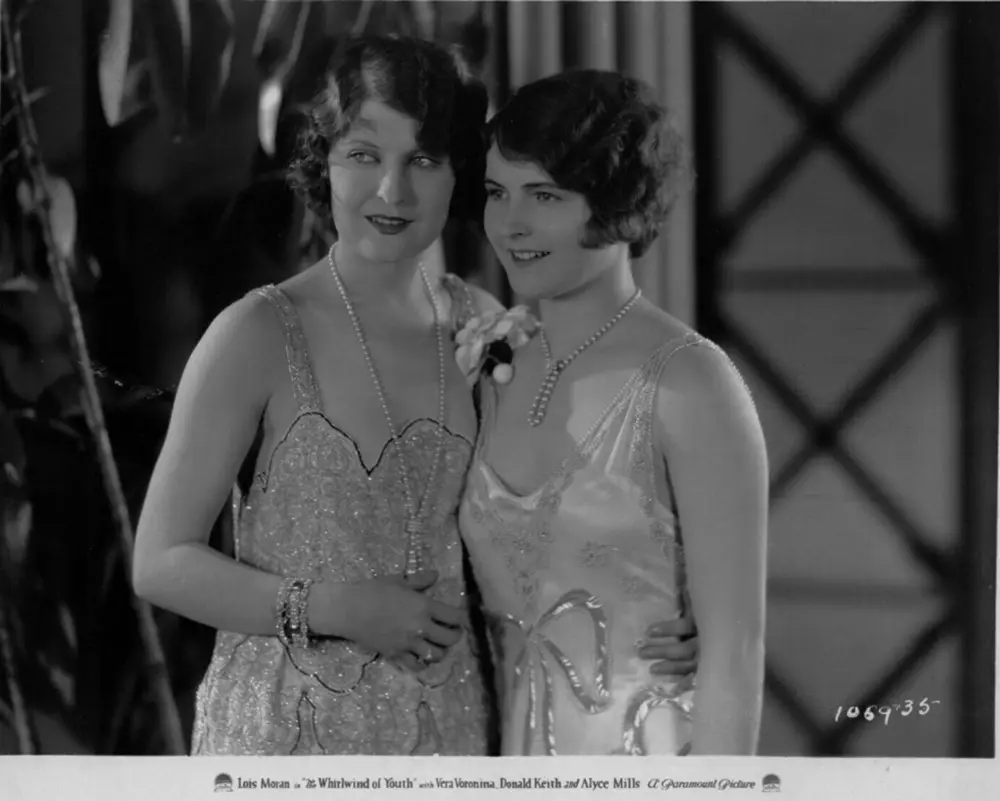
The supporting cast, including Vera Voronina and Alyce Mills as Nancy's rivals, do a commendable job of adding layers to the 'carousel' dynamic. Their cat-and-mouse games with Nancy, often played out through exaggerated facial expressions and dramatic poses, provide much of the film's lighter, more comedic moments, balancing the emotional intensity of the main romance.
Julien Josephson, primarily known for his prolific writing, directs “The Whirlwind of Youth” with a straightforward, yet often effective, hand. The cinematography, while not groundbreaking for its time, utilizes standard silent film techniques to good effect. Medium shots dominate, allowing the audience to observe the full physical performances of the actors, which was paramount.
There are instances, however, where the film feels a bit too reliant on static camera work. While close-ups are employed for emotional emphasis, particularly during moments of heightened feeling between Nancy and Bob, the overall visual language doesn’t push boundaries in the way some of its contemporaries might have. Compare it to the more experimental angles seen in a film like “The Mystery Road”, and you see a director playing it safe.
The pacing of the film is a mixed bag. The initial pursuit is energetic, fueled by Nancy’s relentless spirit. However, once Bob's affections are secured and the focus shifts to Nancy fending off rivals, the narrative occasionally loses some of its momentum. The 'carousel' can feel a little repetitive, even within the confines of a silent film's usually brisk storytelling. It works. But it’s flawed.
Beyond the immediate romance, “The Whirlwind of Youth” offers subtle commentary on the shifting social landscape of the 1920s. Nancy Hawthorne embodies the spirit of the 'flapper' generation – independent, impulsive, and unafraid to pursue her desires. Her assertiveness in love would have been a stark contrast to the more demure heroines of previous decades, showcasing a societal shift towards greater female agency.
The film also touches upon the inherent competitiveness in romantic relationships, especially among young people. The idea of 'fighting off rivals' isn't just a plot device; it reflects a broader cultural anxiety about securing a partner in a rapidly changing social environment. This theme is explored with a light touch, never descending into overt melodrama, but remaining a constant undercurrent.
My contention is that the film inadvertently highlights the performative nature of silent film acting itself, mirroring the societal performances of courtship. The exaggerated gestures and expressions of love and jealousy become a meta-commentary on how deeply people 'perform' emotions to achieve their romantic goals, a fascinating, if unintentional, layer.
For those who appreciate the historical context and unique artistry of silent cinema, “The Whirlwind of Youth” is absolutely worth seeking out. It provides a valuable snapshot of 1920s American youth culture and romantic conventions, delivered through compelling performances, particularly from Lois Moran.
However, if your exposure to silent films is limited, or if you prefer the narrative complexities and rapid-fire dialogue of modern cinema, this might prove a challenging viewing. Its pacing can feel deliberate, and the emotional arcs, while clear, lack the psychological depth we expect today. It’s a historical artifact, yes, but one that still pulses with a surprising amount of genuine human emotion, if you’re willing to meet it on its own terms.
“The Whirlwind of Youth” is a spirited, if imperfect, relic of the silent era. It offers a charmingly earnest portrayal of young love and rivalry, propelled by Lois Moran’s captivating performance. While its narrative structure and pacing might test the patience of those unaccustomed to 1920s cinema, its historical value and genuine emotional core make it a worthwhile watch for dedicated film enthusiasts. It’s a film that demands a certain generosity from its audience, but in return, it provides a vivid, if somewhat dizzying, spin on the timeless dance of love. It’s not a forgotten masterpiece, but it’s certainly a film that deserves to be remembered, if only for its vibrant central performance and its honest, if simple, reflection of an era’s romantic spirit. Give it a chance, and you might just find yourself swept up in its charming, if slightly dated, current.
IMDb —
1924
Community
Log in to comment.