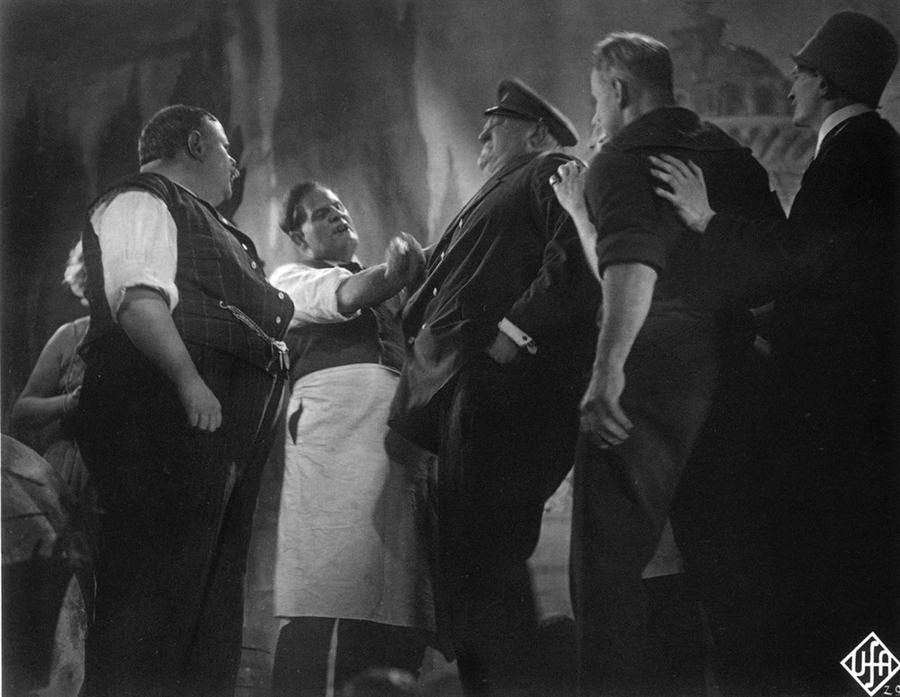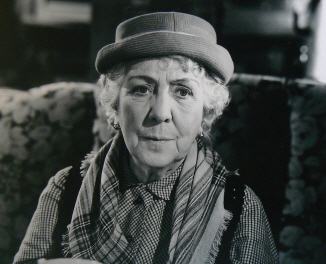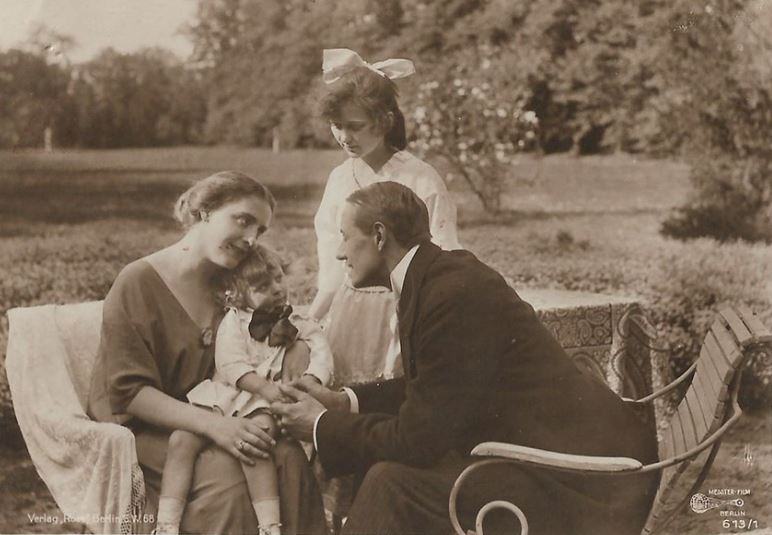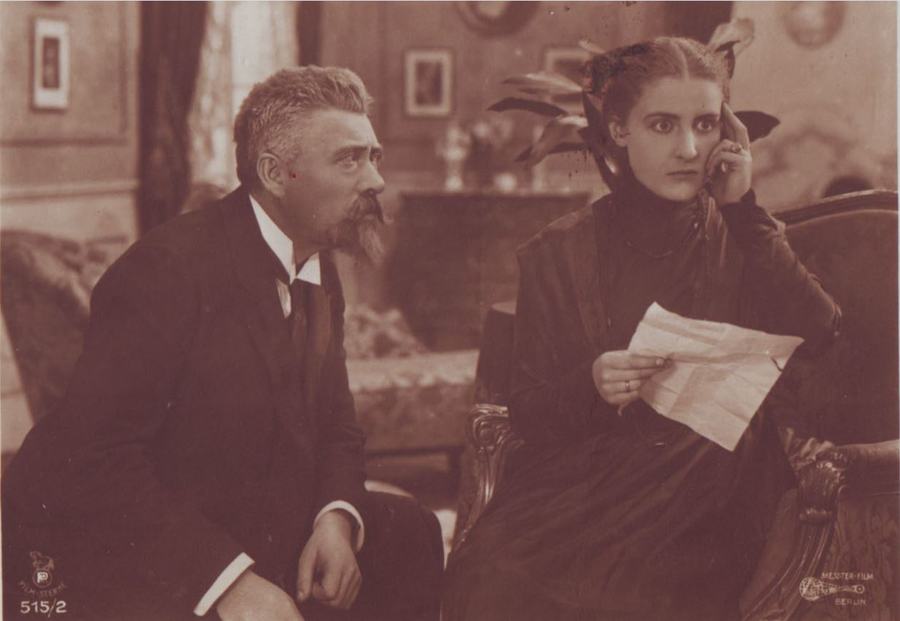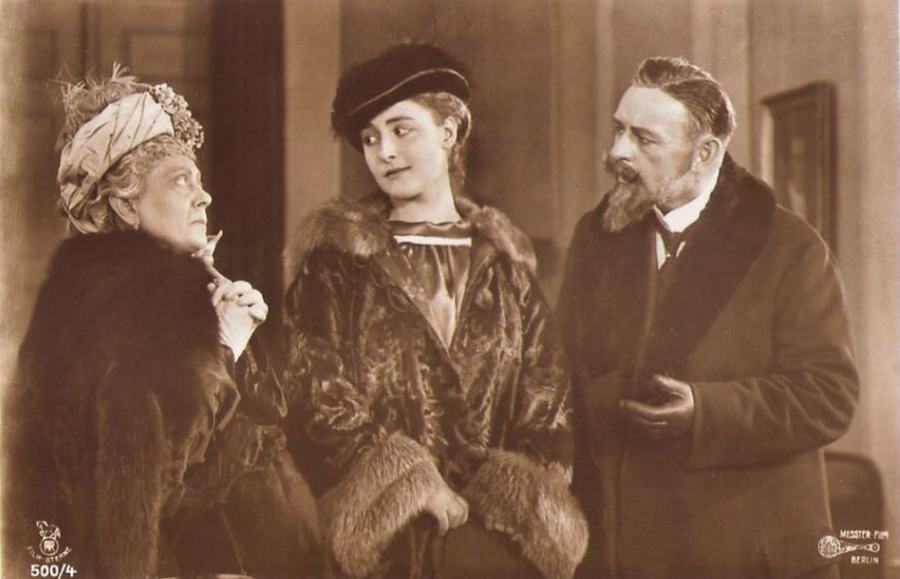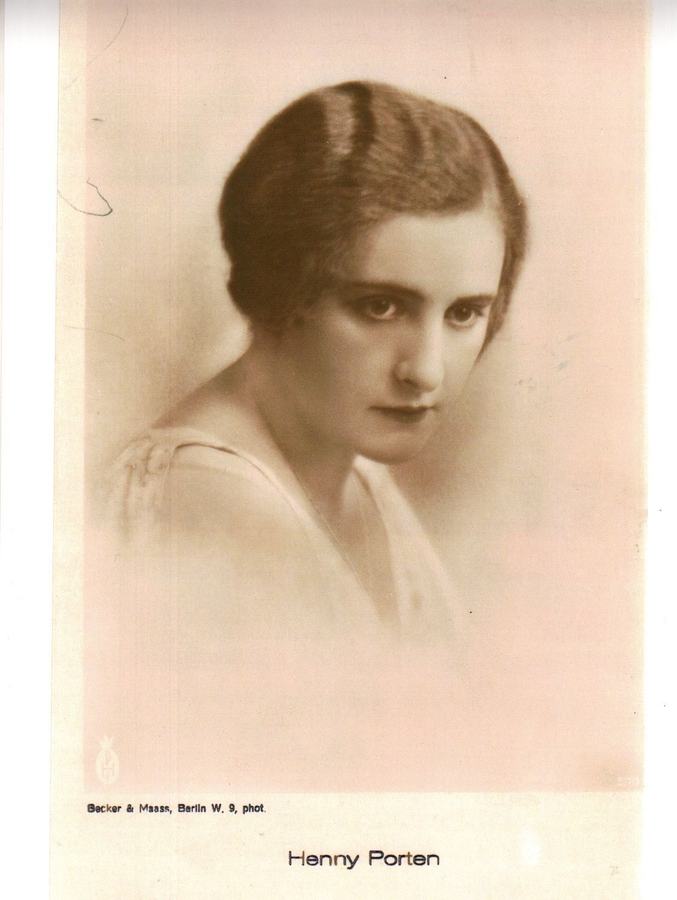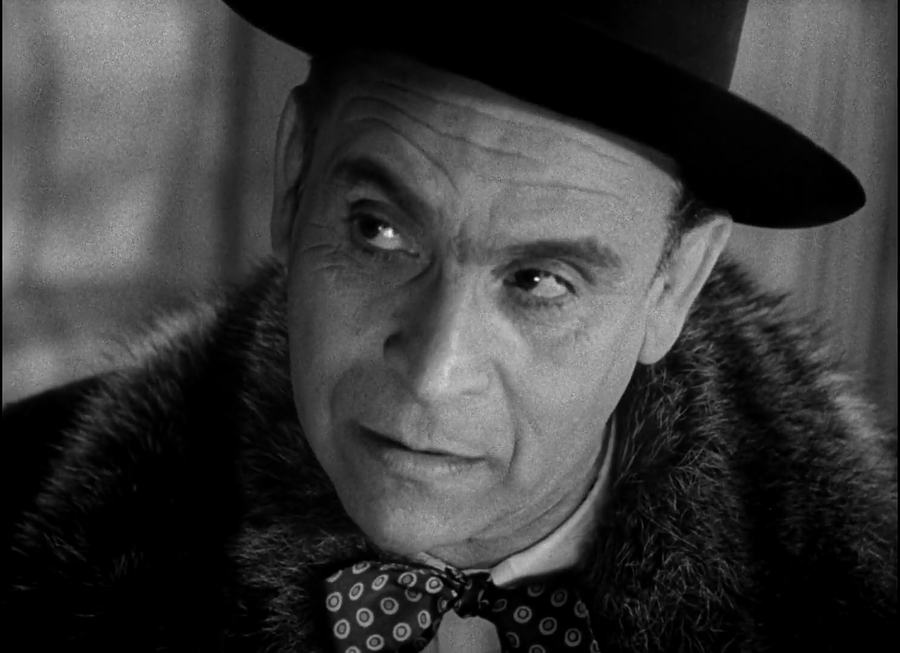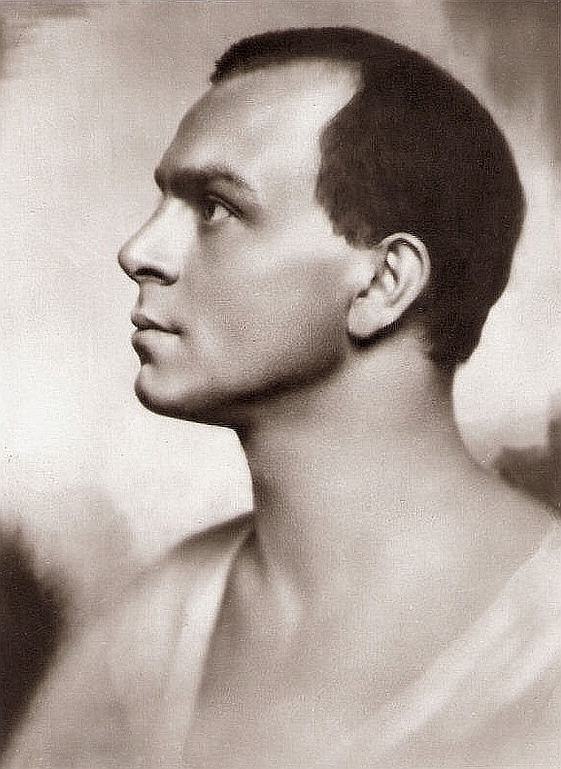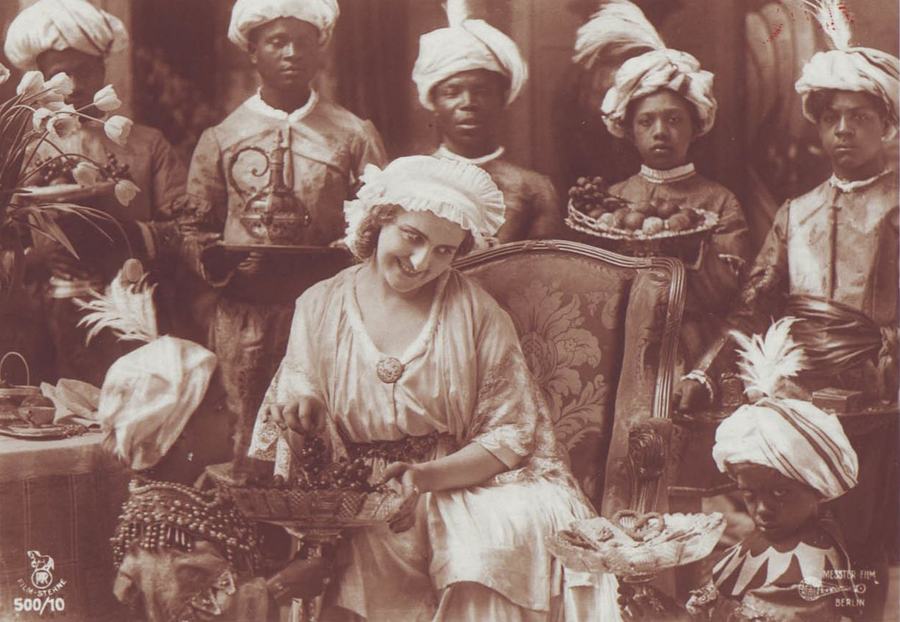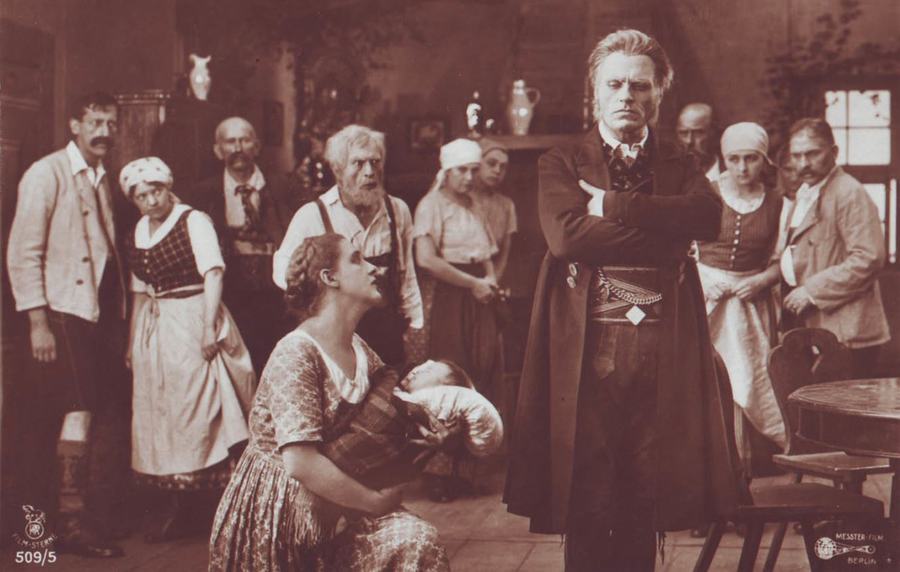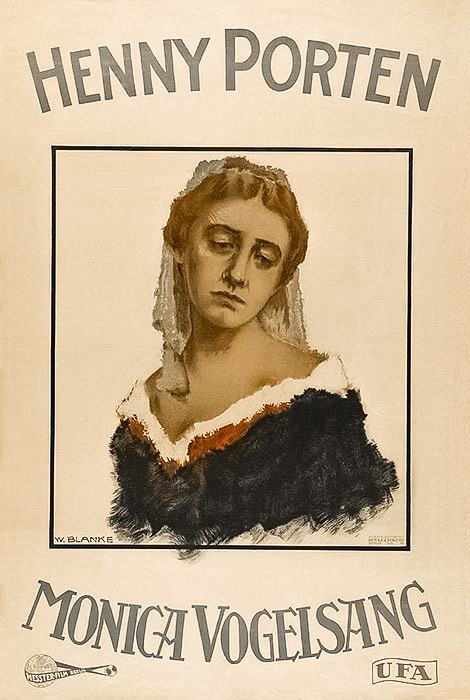
Robert Wiene, the man who tilted the sets of The Cabinet of Dr. Caligari until reality slid off the screen, returns in Monika Vogelsang with a quieter but no less venomous scalpel: this time he dissects not the mind of a madman but the parchment soul of a respectable woman. The film, believed lost for decades until a ...
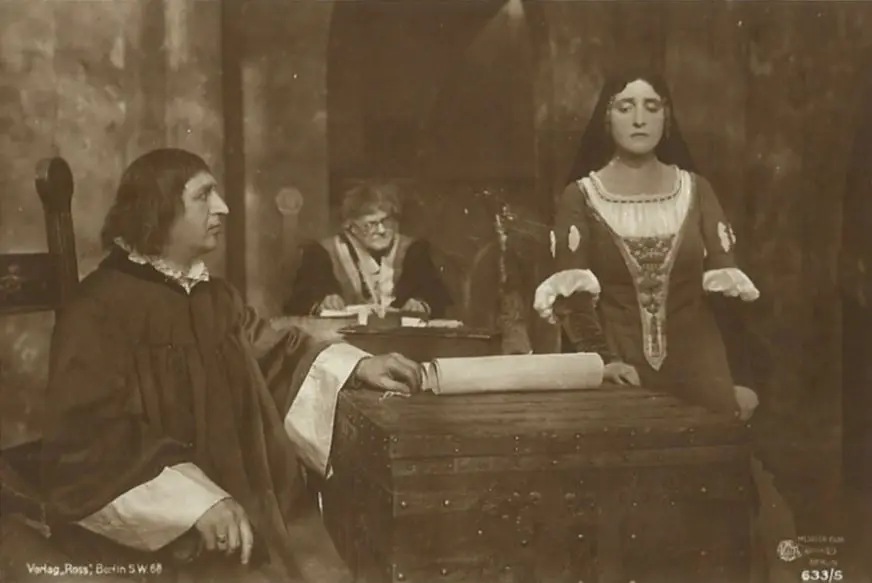
still_frame
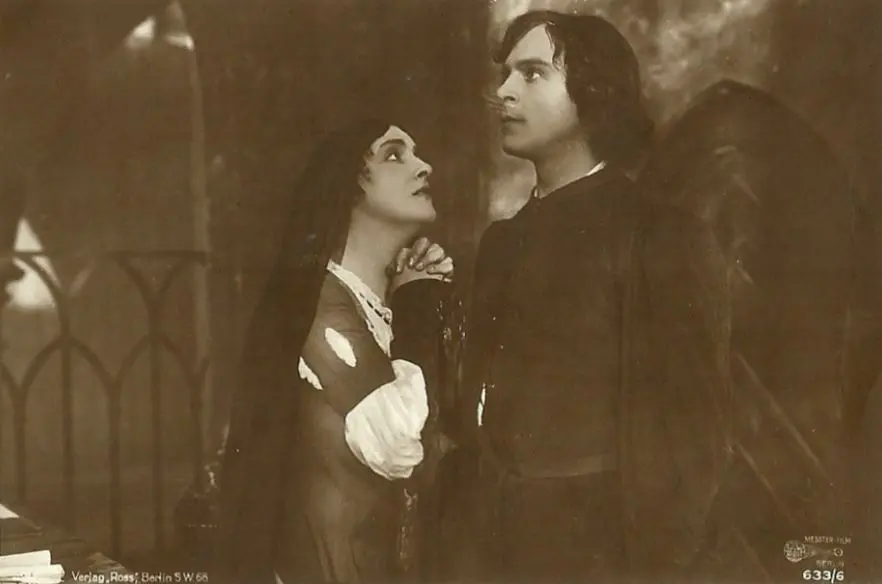
still_frame
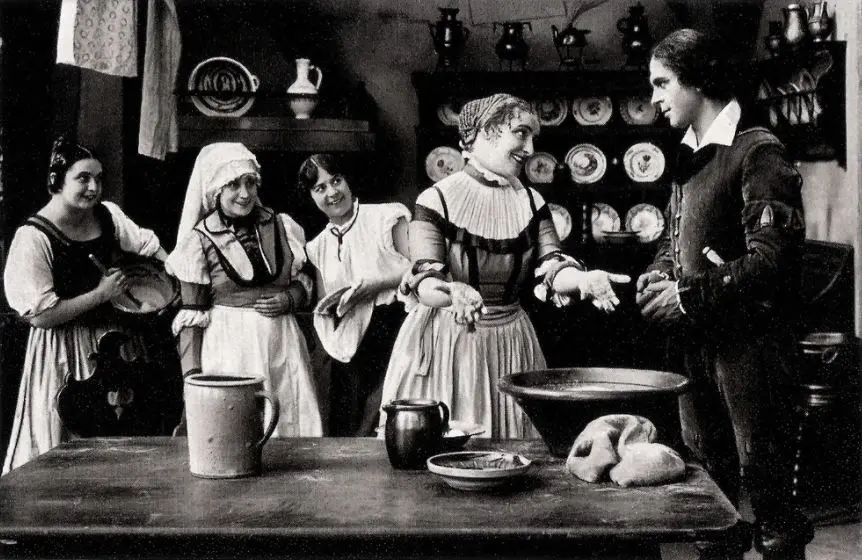
still_frame
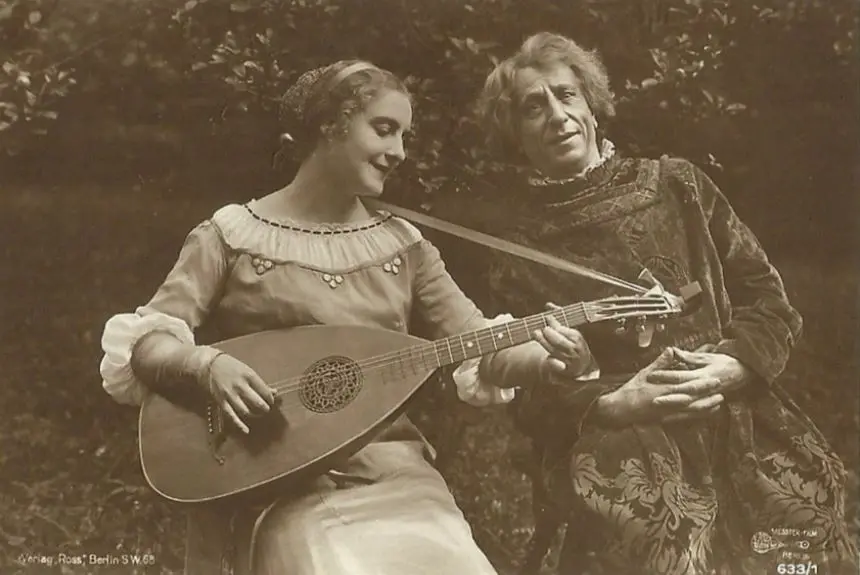
still_frame


Comparing the cinematic DNA and archive impact of two defining moments in cult history.
Rudolf Biebrach
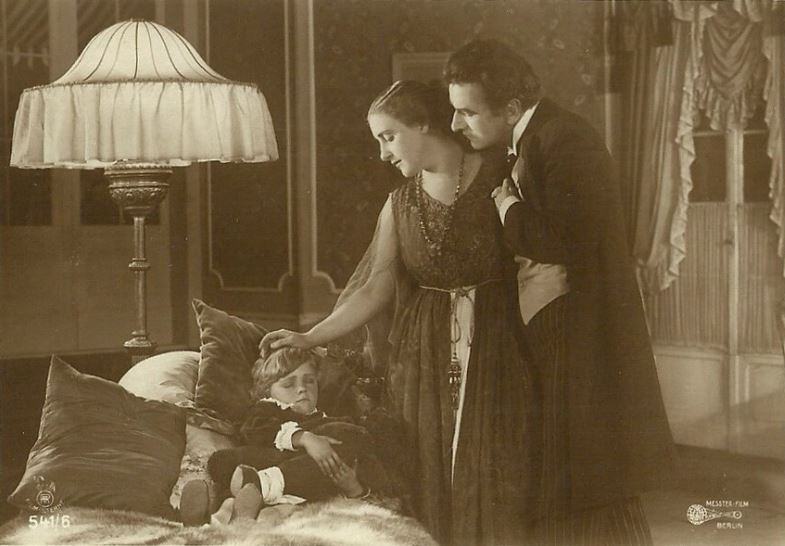
Rudolf Biebrach
Community
Log in to comment.
" Robert Wiene, the man who tilted the sets of The Cabinet of Dr. Caligari until reality slid off the screen, returns in Monika Vogelsang with a quieter but no less venomous scalpel: this time he dissects not the mind of a madman but the parchment soul of a respectable woman. The film, believed lost for decades until a nitrate bouquet surfaced in a Slovenian monastery trunk, is a cold hand on the nape of the Weimar Republic—an era that thought itself modern yet still let a clerical error erase a ..."
Hanns Kräly, Robert Wiene, Felix Philippi
Germany