DbcultAccessing Vault...
Cult Review
Senior Film Conservator
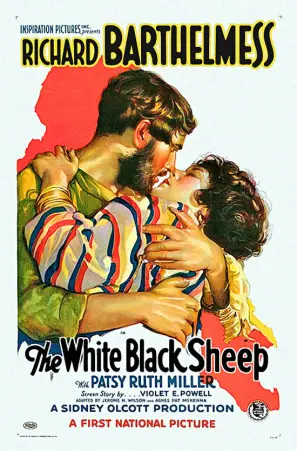
Short answer: Yes, but it’s not without its flaws. This 1926 film is a relic of a bygone era, yet it offers a glimpse into the charming and often melodramatic storytelling of early Hollywood. This film works because its plot is rooted in the themes of redemption and the complexities of family honor. It fails because of its somewhat predictable narrative and dated dialogue. You should watch it if you are interested in early 20th-century cinema and its exploration of personal and familial honor.
The White Black Sheep, directed by Frank Urson, is a silent film that tells the story of Robert Kincairn, a young man who, in a moment of misguided heroism, takes the fall for a robbery committed by his fiancée. The film is a product of its time, but its themes of loyalty, redemption, and the complexities of family honor still resonate with audiences today.
Constance Howard delivers a strong performance as Enid, the woman who drives the plot forward. Her character is complex and well-written, with moments of both strength and vulnerability. William H. Tooker, as the noble yet disappointed colonel, provides a solid performance, grounding the film in a sense of moral gravity. However, the supporting cast, while competent, often feels one-dimensional, which can detract from the overall narrative coherence.

Frank Urson’s direction is competent but not particularly innovative. The film relies heavily on traditional storytelling techniques, which, while effective, can sometimes feel old-fashioned. The cinematography, by Oscar C. Miller, is serviceable, with a few noteworthy scenes that showcase the artistry of early film. The use of fades and dissolves to transition between scenes is a charming nod to the technology of the time.
The pacing of the film is generally well-balanced, with a mix of action, romance, and comedy that keeps the audience engaged. However, the narrative sometimes feels slow to pick up, with a few moments of redundancy that could have been trimmed for better flow. The tone, while often lighthearted, occasionally veers into melodrama, which can be a double-edged sword. On one hand, it adds to the film’s charm; on the other, it can be overdone and detract from the more serious moments.
The White Black Sheep is a film that, while it may not be a masterpiece, offers a fascinating glimpse into the early days of cinema. Its exploration of themes like redemption and family honor is engaging, and its performances, particularly from Constance Howard, are compelling. However, its dated nature and occasional melodrama can make it a challenging watch for modern audiences. If you are a fan of early cinema or have an interest in period dramas, this film is definitely worth your time. For everyone else, it might be a less satisfying experience.
IMDb —
1927
Community
Log in to comment.