DbcultAccessing Vault...
Cult Review
Senior Film Conservator
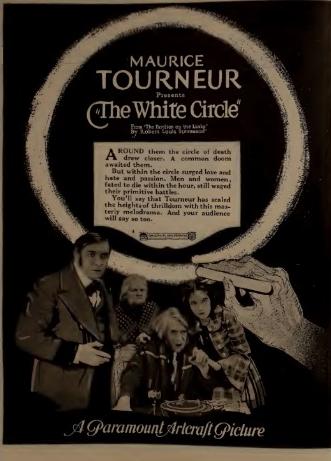
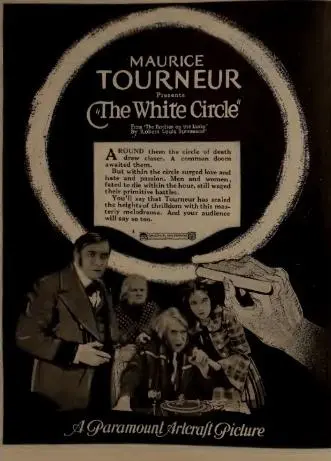
Stepping into the shadowy realm of early cinema, one often stumbles upon forgotten gems that, despite the passage of a century, retain a startling resonance. The White Circle, a cinematic offering from 1920, is precisely one such treasure, a silent film that speaks volumes through its evocative imagery, impassioned performances, and a narrative tapestry woven with threads of desperation, sacrifice, and unexpected love. It’s a compelling journey into a world where honor is a fragile commodity, and redemption often demands the ultimate price. This isn't merely a historical curiosity; it's a vibrant piece of storytelling that, even without spoken dialogue, communicates with an intensity that many modern productions struggle to achieve.
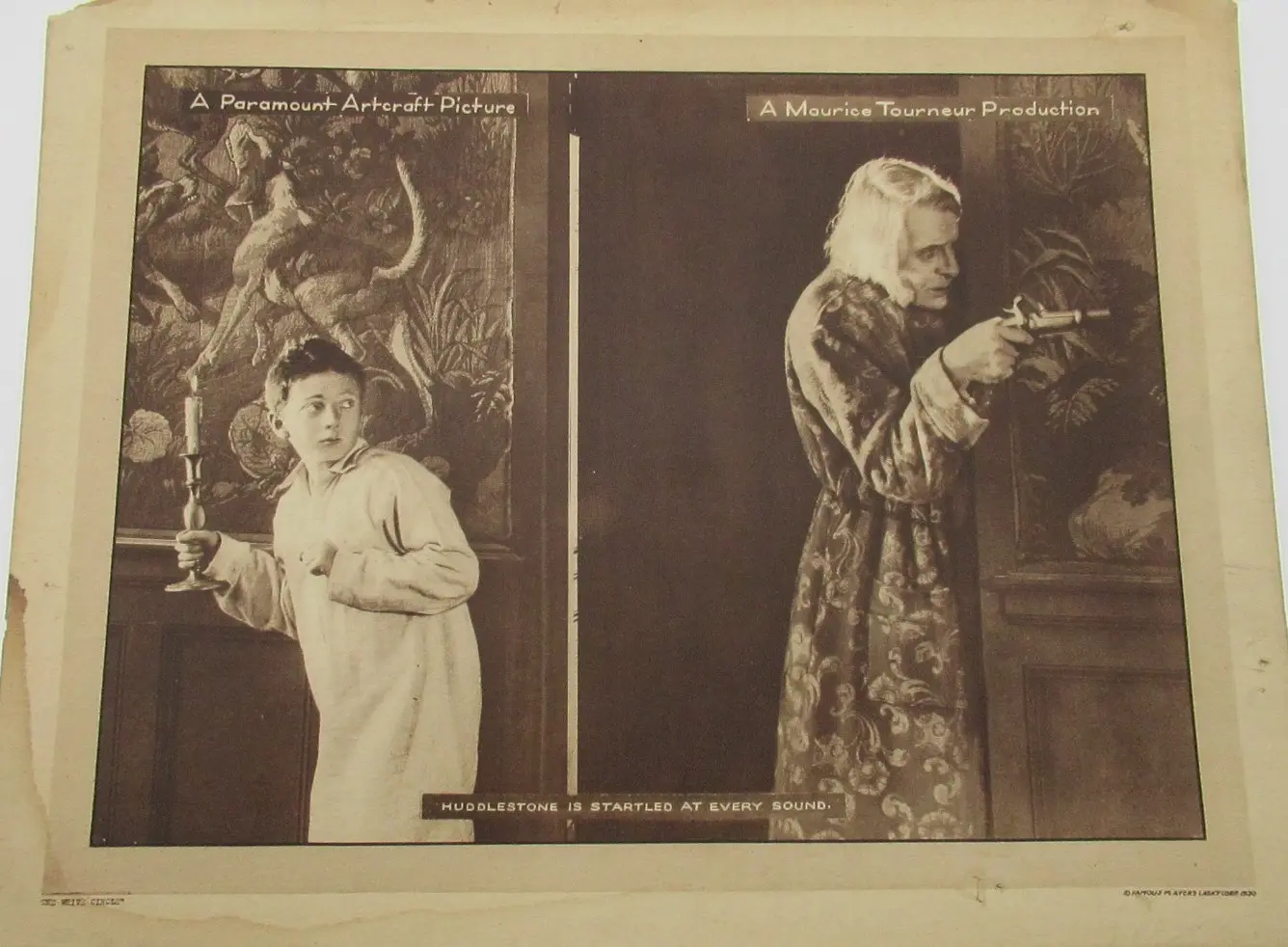
At its core, The White Circle is a study in human frailty and the profound consequences of moral missteps. Our protagonist, or perhaps more accurately, our catalyst for chaos, is Bernard Huddlestone, portrayed with a palpable sense of mounting dread by Spottiswoode Aitken. Huddlestone, a London banker, succumbs to the siren call of the gambling table, squandering funds entrusted to him by the Carbonari, a shadowy Italian secret society whose retribution is as swift as it is merciless. This initial transgression sets in motion a chain of events that spirals irrevocably out of control, dragging his innocent daughter, Clara, into the vortex of his despair. Aitken’s performance is a masterclass in silent anguish, his wide, haunted eyes and trembling hands conveying the crushing weight of his folly. It’s a vivid reminder that even in an era without synchronized sound, the power of expression could be utterly devastating. His desperation is so profound that it becomes almost tangible, a heavy shroud hanging over the initial acts of the film.
In his frantic search for sanctuary, Huddlestone turns to Northmour, an adventurer embodied by Harry Northrup. Northmour is a fascinating, morally ambiguous character – a protector with a price, a rescuer with a hidden agenda. He offers Huddlestone and Clara refuge within the imposing, isolated walls of his Scottish castle, a fortress that feels both like a haven and a gilded cage. But this safety comes at a staggering cost: Clara’s hand in marriage. Northrup plays Northmour with a brooding intensity, a man of few smiles but deep, calculating eyes. His proposal is less a romantic overture and more a calculated acquisition, highlighting the precarious position of women in narratives of this period. His castle itself becomes a character, a stark, imposing entity reflecting Northmour's own formidable, unyielding nature. The dramatic contrast between the banker’s urban despair and the adventurer’s wild, untamed domain is visually striking, a testament to the film’s effective use of setting to amplify mood.
The arrival at the castle, however, introduces another pivotal player and a new layer of romantic entanglement. Clara, played with a delicate yet spirited grace by Janice Wilson, soon encounters Frank Cassilis, portrayed by the dashing John Gilbert. Cassilis is an old adversary of Northmour's, a man who represents a different kind of freedom and passion. Their connection is immediate and undeniable, a spark of genuine affection igniting amidst the forced arrangements and looming threats. Wilson skillfully conveys Clara’s internal conflict – the filial duty she feels towards her father, the apprehension towards Northmour, and the burgeoning, irresistible pull towards Cassilis. Gilbert, even in these early stages of his career, possesses a magnetic screen presence, his interactions with Wilson brimming with a quiet intensity that foreshadows the dramatic confrontations to come. This burgeoning romance, a classic love triangle, adds a vital emotional core to the thriller elements, elevating the stakes beyond mere survival to include matters of the heart.
The brewing tension between Northmour and Cassilis over Clara's affections forms a compelling interpersonal drama, but it is ultimately overshadowed by the relentless pursuit of the Carbonari. This secret society, a symbol of inexorable justice (or vengeance), serves as the ultimate antagonist, a force of nature that cannot be reasoned with or escaped. Their discovery of Huddlestone's hiding place and the subsequent siege on Northmour's castle transforms the film from a domestic drama into a full-blown action-thriller. The visual spectacle of the castle under attack is, for its time, quite impressive, relying on skillful cinematography and editing to convey the chaos and danger. It’s during this climactic sequence that the film truly shines, forcing disparate characters to unite against a common, existential threat. The siege sequence, while perhaps lacking the pyrotechnics of modern blockbusters, compensates with a raw, visceral energy, underscoring the life-or-death stakes for everyone trapped within the stone walls.
The resolution of this conflict is both poignant and powerful. Faced with overwhelming odds and the certain destruction of all within the castle, Huddlestone experiences a profound moment of clarity. He realizes that only his sacrifice can appease the Carbonari and spare the lives of his daughter and her protectors. This act of self-immolation, stepping out to meet his death with a tragic dignity, is the film's emotional zenith. Spottiswoode Aitken’s portrayal of this ultimate sacrifice is heart-wrenching, a silent scream of resignation and love that transcends the lack of dialogue. It’s a testament to the power of visual storytelling, where a single gesture or expression can convey an entire spectrum of complex emotions. This theme of self-sacrifice for the greater good, or for the redemption of past misdeeds, is a recurring motif in cinematic history, resonating deeply with audiences. In this particular instance, it feels earned, the tragic culmination of a life lived carelessly but ended with profound purpose.
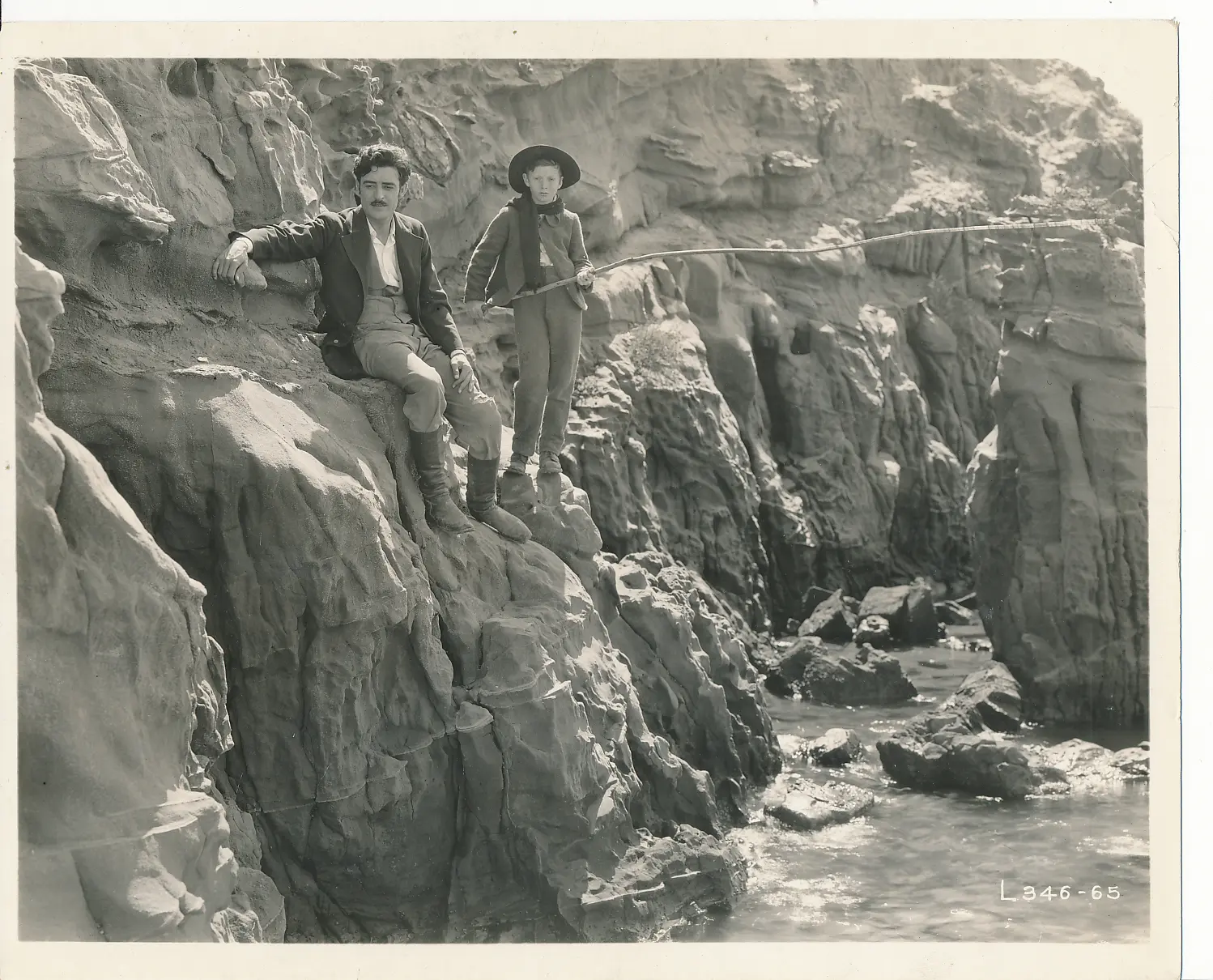
Following Huddlestone’s tragic end, the film delivers a surprising, yet entirely fitting, conclusion to Northmour’s arc. Deciding that the domestic bliss of married life would prove too monotonous for his adventurous spirit, he magnanimously relinquishes his claim on Clara, allowing her to be with Frank Cassilis. This gesture, coming from a character initially presented as opportunistic and self-serving, adds a layer of unexpected nobility to Northmour. It speaks to a deeper understanding of happiness and freedom, recognizing that true love cannot be bartered or coerced. Harry Northrup’s subtle shift in demeanor during these final moments is key, suggesting a man who, despite his rough exterior, possesses an underlying code of honor. The ending is bittersweet, marked by loss but ultimately affirming the power of genuine affection over arranged convenience.
The screenplay, credited to Robert Louis Stevenson (presumably an adaptation of his work, given his prolific output), John Gilbert, and Jules Furthman, is remarkably taut and engaging. Despite the silent format, the narrative never feels rushed or underdeveloped. The pacing is deliberate, allowing the audience to fully absorb the emotional weight of each scene. The character motivations, while occasionally melodramatic as was common for the era, are generally clear and compelling. The adaptation of Stevenson's adventurous spirit is evident in the themes of pursuit, isolated settings, and moral dilemmas, reminiscent of the author's other works that delve into the darker aspects of human nature and the allure of peril. The contributions of Gilbert and Furthman likely streamlined the narrative for cinematic presentation, translating complex literary ideas into visually digestible sequences.
Beyond the central trio and their dramatic entanglements, the film features solid supporting performances. Wesley Barry and Jack McDonald, though in smaller roles, contribute effectively to the atmosphere and the unfolding drama. Their presence helps flesh out the world of the castle and the looming threat, adding depth to the ensemble. Barry, often known for his child roles, here demonstrates a budding maturity, hinting at the versatility that would define parts of his career. McDonald, a character actor of the era, provides reliable support, grounding the more fantastical elements of the plot in a sense of realism. The collective effort of the cast ensures that the film maintains a consistent level of dramatic integrity, even in its most heightened moments.
Comparing The White Circle to other films of its time reveals both its conventional and distinctive qualities. The theme of a woman caught between two men, a romantic trope explored here with palpable tension, echoes similar narratives found in films like A Wife by Proxy or even Happiness of Three Women, though The White Circle injects a much darker, more perilous backdrop. The high stakes and relentless pursuit by a secret society bring to mind the thrilling espionage of The Teeth of the Tiger, where shadowy organizations dictate fate. The isolated setting and sense of impending doom could draw parallels with the palpable tension of An Alpine Tragedy, where nature itself feels like an oppressive force. Huddlestone's initial gambling folly and its dire consequences resonate with the moral lessons of films like High Stakes or Sudden Riches, both of which explore the precariousness of wealth and the pitfalls of greed. However, The White Circle distinguishes itself through its blend of swashbuckling adventure, intense psychological drama, and a surprisingly nuanced resolution to its romantic quandary, offering a more complex tapestry than many of its contemporaries.
The film’s enduring appeal lies in its ability to transcend the limitations of silent cinema. The expressive acting, the dramatic intertitles, and the carefully composed shots work in concert to create a fully immersive experience. The use of light and shadow, particularly within the castle sequences, adds a gothic sensibility, enhancing the sense of mystery and danger. The film’s direction (uncredited in the provided information, but clearly skillful) manages to maintain a brisk pace, preventing any sense of stagnation despite the narrative’s reliance on dramatic tension rather than rapid-fire action. It's a testament to the ingenuity of early filmmakers who understood that compelling storytelling didn't require dialogue, only vision and committed performances. The visual language is rich, conveying emotions, intentions, and environmental details with remarkable clarity. This silent masterpiece demonstrates how effective cinematic communication can be when every element on screen is meticulously crafted to convey meaning.
In conclusion, The White Circle is far more than a mere artifact of the silent era; it is a vibrant, emotionally charged drama that explores universal themes of honor, sacrifice, and the unpredictable nature of love. Its compelling narrative, driven by strong performances from Spottiswoode Aitken, Harry Northrup, Janice Wilson, and John Gilbert, ensures its place as a noteworthy entry in the annals of early cinema. For those willing to delve into the expressive world of silent film, this movie offers a rich and rewarding experience, proving that some stories are so powerful, they don't need words to be heard. It's a powerful reminder of the foundational artistry upon which the entire edifice of modern cinema was built, a narrative that grabs you and refuses to let go, even a century after its initial release. Its themes resonate as strongly today as they did then, making it a compelling watch for anyone interested in the enduring power of dramatic storytelling.
IMDb 6.4
1925
Community
Log in to comment.