DbcultAccessing Vault...
6.1/10
Senior Film Conservator
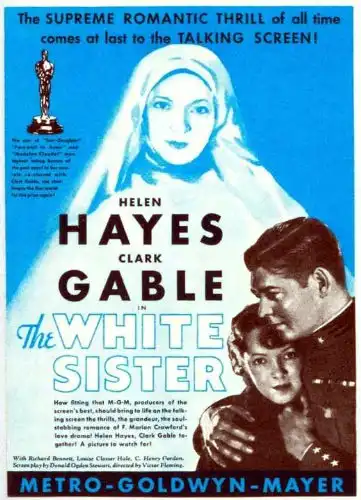
A definitive 6.1/10 rating for a film that redefined the boundaries of cult cinema. The White Sister remains a cornerstone of transgressive art.
Honestly, you probably already know if you’re going to like The White Sister. If you get a kick out of 1930s high-stakes melodrama where people stare into the middle distance and make giant life choices because of a telegram, you’ll have a fine time. If you need a movie to move at the speed of a modern thriller, you’re going to be checking your watch by the thirty-minute mark.
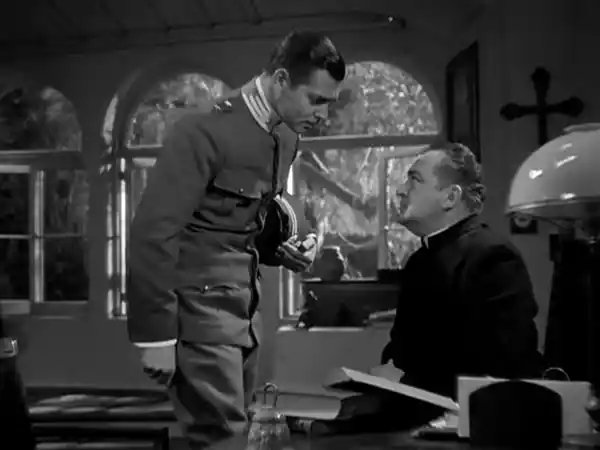
It’s not a masterpiece, but it’s got that weird, dusty charm that makes you wonder what people were actually thinking about in 1933. It feels like a stage play that someone accidentally filmed, but in a way that actually works for the story.

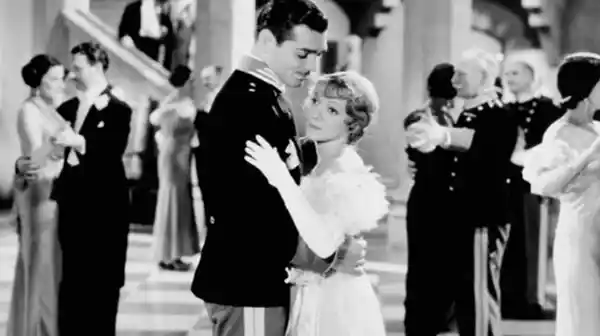
Clark Gable is doing his thing here. He’s the dashing soldier, and he plays it with that specific grin that makes it clear he knows he’s the best-looking guy in the room. There’s a scene early on where he’s just trying to woo Helen Hayes, and it’s almost funny how hard he’s working to be charming. It reminds me a bit of the effortless swagger he brought to Little Caesar, though this is obviously a much different kind of film.
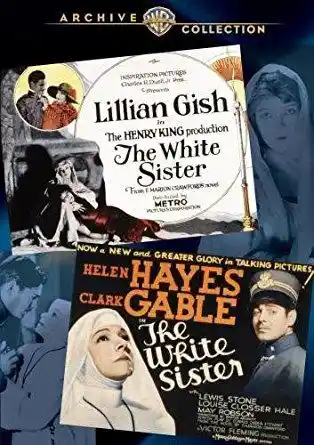
Helen Hayes is stuck with the heavier lifting. She has to go from 'giddy socialite' to 'devout nun' in what feels like a blink of an eye. Some of her expressions during the convent scenes are so over-the-top they’d look at home in a silent film like The Dumb Girl of Portici, but she somehow makes you care. Even when the plot gets ridiculous, she keeps a straight face.
The movie is full of these odd, empty spaces. There’s a moment in the convent where she’s just walking through a garden, and the camera lingers for about ten seconds too long. It’s not meant to be profound; it just feels like the director forgot to yell 'cut.' I actually liked it. It gave the movie a weird, dreamlike pulse.
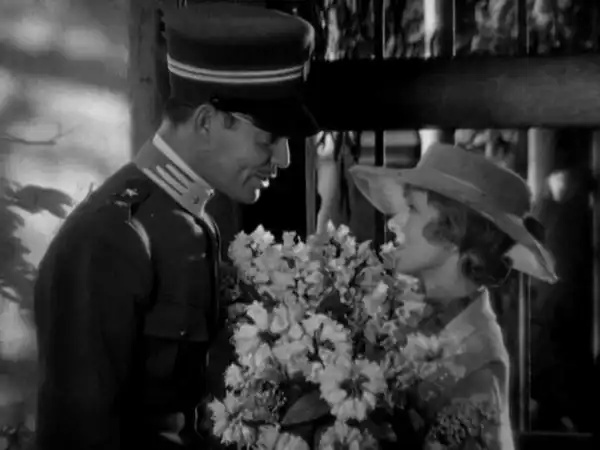
There’s no real subtlety here, but who asked for it? The whole premise—girl thinks guy is dead, becomes nun, guy comes back—is the kind of stuff they used to write just to see how many napkins the audience would go through. It’s not complex, but it’s weirdly sticky. You think you’re done caring about their doomed romance, and then they have another scene in the moonlight and you’re back in.
If you want a palette cleanser between bigger movies, this is a solid choice. It’s not going to change your life, but it’s definitely not a waste of an hour and a half. Just don't go looking for the kind of tight narrative you’d find in something like Bobbed Hair. It’s looser, messier, and honestly, a bit more human for it. ⛪️

IMDb 5.4
1921
Community
Log in to comment.